
Myopia Management
Ortho-K Blurry Morning Vision Fixes

FSDAVCFEBFEVSDDVFSD

FSDAVCFEBFEVSDDVFSD

FSDAVCFEBFEVSDDVFSD
Why Morning Vision Can Look Inconsistent
Ortho-k works by reshaping the front surface of the eye overnight using Orthokeratology so distance vision is clearer during the day without glasses or daytime contacts. When everything is stable, patients usually wake up seeing well or improve quickly after lens removal. However, some patients experience ortho-k blurry morning vision, where clarity looks hazy, fluctuates, or feels uneven between the eyes.
That does not always mean the lenses are failing. Early adaptation, dryness, lens movement, or mild ortho-k lens fit issues can all affect clarity. Understanding why ortho-k vision is blurry requires looking at patterns rather than guessing. Proper ortho-k troubleshooting improves visual outcomes over-time.
Ortho-k works by reshaping the front surface of the eye overnight using Orthokeratology so distance vision is clearer during the day without glasses or daytime contacts. When everything is stable, patients usually wake up seeing well or improve quickly after lens removal. However, some patients experience ortho-k blurry morning vision, where clarity looks hazy, fluctuates, or feels uneven between the eyes.

That does not always mean the lenses are failing. Early adaptation, dryness, lens movement, or mild ortho-k lens fit issues can all affect clarity. Understanding why ortho-k vision is blurry requires looking at patterns rather than guessing. Proper ortho-k troubleshooting improves visual outcomes over-time.
Common Causes of Blurry Morning Vision
One of the most common overnight myopia treatment problems is lens decentration. If the lens shifts slightly during sleep, the reshaping effect may not stay centered. This can cause blur, ghosting, or shadowing that feels “almost clear” but not sharp. Patients often describe doubled letters or uneven focus when they first wake up.
Dryness is another frequent issue. Even during sleep, the tear film affects how the lens interacts with the eye. If the surface is unstable during insertion or removal, vision may look smeary or fluctuate until it settles. Deposits, poor cleaning habits, or overworn lenses can worsen these ortho-k troubleshooting concerns by reducing lens performance overnight.
Inconsistent wear can also affect results. Skipping nights, wearing lenses for fewer hours, or removing them too early may prevent full reshaping. In some cases, the lens design itself may need adjustment. A proper myopia management evaluation helps determine whether the issue is routine, surface health, or lens design for stable correction.
What Symptoms Suggest a Fit Problem
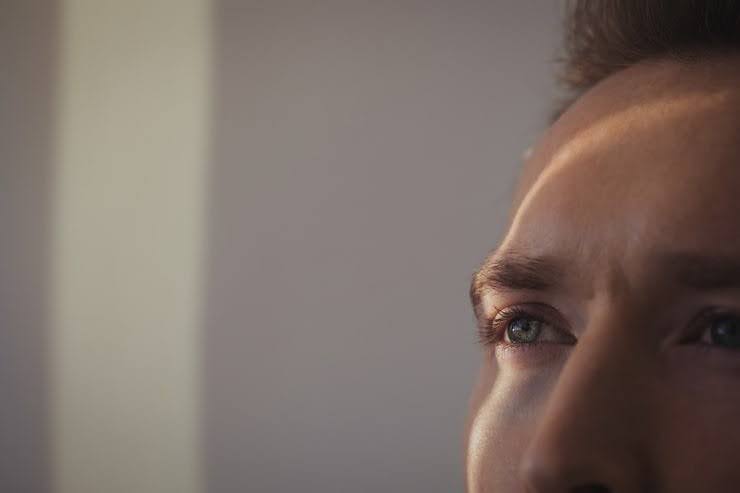
Not all blur patterns mean the same thing. Vision that is equally soft in both eyes may suggest incomplete treatment, while one-sided blur or ghosting often points to ortho-k lens fit issues. Some patients also notice halos, shadowing, or a warped appearance that feels different from normal nearsighted blur. These variations help differentiate whether the issue is temporary or related to lens performance and fit.
Tracking these patterns helps explain why ortho-k vision is blurry. Does it improve after blinking or lubrication? Is one eye always worse?Does clarity fade early in the day? These details support more accurate ortho-k troubleshooting and help eye care providers decide whether adjustment is needed.
Careful observation avoids unnecessary changes and highlights whether the problem is surface dryness, adaptation, or lens design, leading to more stable vision outcomes and improved comfort during daily use of ortho-k lenses.
Patients often get better results by focusing on consistent habits instead of making random changes. Following proper cleaning, insertion, and wear routines is essential for stable results. Tracking wear time and noting how vision looks immediately after removal compared to later in the day can reveal useful patterns. These observations help identify whether improvements are gradual or if specific behaviors are affecting outcomes. Maintaining consistency also supports better lens performance and reduces variability in vision quality during daily activities.
It is also important not to ignore discomfort. Persistent irritation, redness, or pain may signal deeper overnight myopia treatment problems. Because comfort and clarity are closely connected in ortho-k, ongoing symptoms should always be evaluated rather than managed independently at home. Early attention to these signs can prevent worsening issues and ensure safer, more effective long-term use of ortho-k lenses with stable vision results.
How Eye Doctors Troubleshoot the Cause
At a follow-up visit, your optometrist evaluates more than just vision clarity. A comprehensive eye exam Houston patients rely on includes corneal shape mapping, lens positioning, tear film quality, and surface health. These findings help determine whether the issue is dryness, decentration, deposits, or under-correction affecting visual performance and comfort during daily wear. Each factor is carefully assessed to understand how the lens is interacting with the eye overnight.
The solution depends on the cause. Some patients need lens adjustments, while others benefit from improved lubrication or more consistent wear. In Orthokeratology, stability is critical. Proper ortho-k troubleshooting ensures treatment remains effective and predictable without relying on trial-and-error fixes, helping maintain long-term clarity, comfort, and safe myopia management outcomes for patients using ortho-k lenses regularly.
When Blur Needs Prompt Attention
Mild blur can happen during early adaptation, but significant changes should not be ignored. Persistent blur, pain, redness, or light sensitivity may indicate serious overnight myopia treatment problems requiring prompt attention. Symptoms should be monitored if they continue beyond the adjustment period or worsen over time.
Sudden changes are important. If one eye becomes worse, removal becomes uncomfortable, or vision drops after stability, it may signal ortho-k lens fit issues. These cases should be evaluated quickly to avoid complications and maintain treatment effectiveness.
Mild blur can happen during early adaptation, but significant changes should not be ignored. Persistent blur, pain, redness, or light sensitivity may indicate serious overnight myopia treatment problems requiring prompt attention. Symptoms should be monitored if they continue beyond the adjustment period or worsen over time.
Sudden changes are important. If one eye becomes worse, removal becomes uncomfortable, or vision drops after stability, it may signal ortho-k lens fit issues. These cases should be evaluated quickly to avoid complications and maintain treatment effectiveness.

Ortho-k is highly effective when monitored properly, but overnight lens wear means symptoms should always be taken seriously. Early evaluation prevents minor issues from becoming bigger disruptions, supporting stable vision, comfort, and long-term success in myopia management and orthokeratology care outcomes overall.
Understanding Blurry Vision Patterns Explained
Patients often feel more confident once they understand that ortho-k blurry morning vision is a pattern rather than a single issue. The cause may be something simple like tear instability or something more specific like lens positioning that needs adjustment during overnight wear cycles and early morning recovery.
Small details matter. Whether blur improves after blinking, whether one eye is consistently worse, or whether clarity fades early in the day all help guide better ortho-k troubleshooting and more precise care by identifying functional vision patterns overnight and after removal. This information allows practitioners to differentiate between temporary adaptation effects and true lens-related concerns requiring clinical attention promptly.
Because ortho-k is part of a broader myopia management strategy, stable performance is essential. It supports clear daytime vision without glasses or daytime lenses and reduces dependence on corrective eyewear. When lens fit, tear film, and wear habits are aligned, patients experience clearer vision and better long-term outcomes. This broader approach also helps clinicians refine lens parameters, improve comfort, and ensure the treatment continues adapting to the patient’s changing visual needs over time.
When lens fit, tear film, and wear habits are aligned, patients experience clearer vision and better long-term outcomes. When they are not, timely adjustments can restore both comfort and effectiveness. Regular follow-up visits help identify small changes early, preventing disruption in treatment and supporting stable results in myopia management over time. Patient education and consistent monitoring further strengthen outcomes by ensuring adherence to proper wear schedules and early detection of any emerging vision inconsistencies over time.
Questions to Ask at the Exam
Patients should ask whether their symptoms point to dryness, decentration, incomplete correction, or a design issue. Understanding the cause helps clarify why ortho-k vision is blurry and guides the right solution instead of guessing. This step is important because different causes require different approaches, and identifying the correct factor prevents unnecessary changes in treatment.
It is also helpful to ask whether cleaning habits, wear duration, or replacement schedules may be contributing. Many ortho-k troubleshooting solutions come down to consistency rather than major changes. Small adjustments in daily routine can often improve lens performance and overall visual clarity significantly over time.
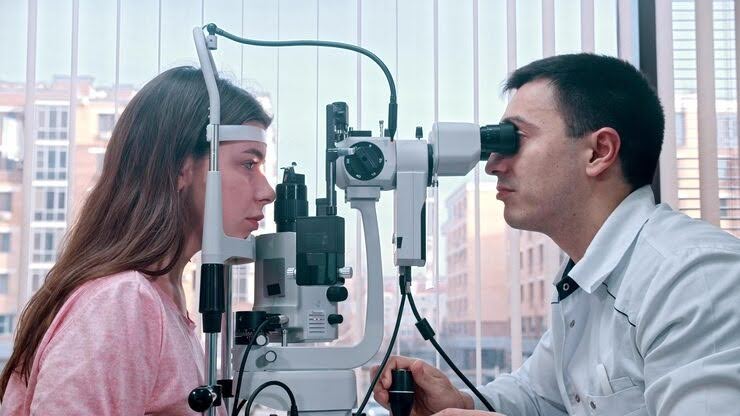
Patients should ask whether their symptoms point to dryness, decentration, incomplete correction, or a design issue. Understanding the cause helps clarify why ortho-k vision is blurry and guides the right solution instead of guessing. This step is important because different causes require different approaches, and identifying the correct factor prevents unnecessary changes in treatment.
It is also helpful to ask whether cleaning habits, wear duration, or replacement schedules may be contributing. Many ortho-k troubleshooting solutions come down to consistency rather than major changes. Small adjustments in daily routine can often improve lens performance and overall visual clarity significantly over time.
Finally, ask which symptoms require urgent care between visits. Knowing what is normal versus concerning helps reduce anxiety and improves overall treatment management. This awareness supports safer use of ortho-k lenses and ensures timely intervention when needed for optimal eye health.
Your Next Steps Before Your Visit
Before your appointment, track when blur occurs, whether one eye is worse, how long lenses were worn, and whether vision improves over time. Bring your lenses, cleaning products, and backup glasses if used. These details help provide a more accurate evaluation of your routine and results by giving your eye care provider a clear picture of daily wear patterns and visual changes. Careful observation makes it easier to identify the root cause of inconsistent vision and supports better decision-making during your visit.
If ortho-k vision has become inconsistent, Kleinwood Vision can help identify whether the issue is related to lens fit, tear film, or wear habits through a detailed myopia management evaluation. A proper assessment, including a comprehensive eye exam Houston patients trust, ensures the right adjustments are made. If symptoms persist, Contact us to schedule an appointment and restore clear, stable vision and long-term comfort.
Contact Info
Hours of Operation
Mon - Fri | 9:00 AM - 5:00 PM
Sat - Sun | Closed
Holiday Hours: We are closed for the following holidays: New Years Day, Memorial Day, Independence Day, Labor Day, Thanksgiving Day, Christmas Day
The information provided on this website is for general informational purposes only and does not constitute professional medical advice, diagnosis, or treatment. Always seek the guidance of a licensed eye care professional or qualified health provider with any questions you may have regarding a medical condition or vision concern. Results from eye care services may vary by individual.
© 2026 Kleinwood Vision. All rights Reserved.