
Contact Lenses
Hybrid Lens Care Routine for Comfort

FSDAVCFEBFEVSDDVFSD

FSDAVCFEBFEVSDDVFSD

FSDAVCFEBFEVSDDVFSD
Why Hybrid Lenses Collect Deposits
Hybrid lenses combine a rigid center with a soft skirt, creating two surfaces that interact with your tear film. This design improves stability and clarity but can attract protein and lipid buildup during wear. Hybrid lens deposits form as natural tear components stick to the lens surface, especially in dry environments or during long screen use.
As deposits build, lenses may feel gritty, look hazy, or cause end-of-day contact lens discomfort. Buildup increases friction on the ocular surface and may raise inflammation or infection risk if hybrid contact lens care steps are rushed. A consistent contact lens cleaning routine keeps lenses smooth, vision clear, and corneal health protected.
Hybrid lenses combine a rigid center with a soft skirt, creating two surfaces that interact with your tear film. This design improves stability and clarity but can attract protein and lipid buildup during wear. Hybrid lens deposits form as natural tear components stick to the lens surface, especially in dry environments or during long screen use.
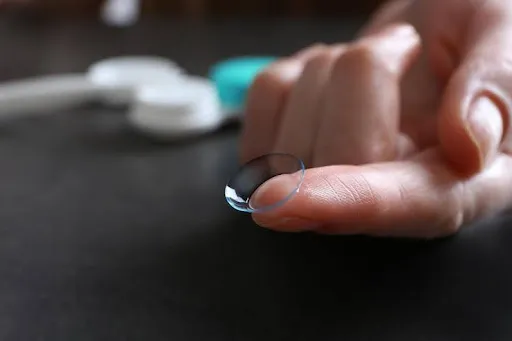
As deposits build, lenses may feel gritty, look hazy, or cause end-of-day contact lens discomfort. Buildup increases friction on the ocular surface and may raise inflammation or infection risk if hybrid contact lens care steps are rushed. A consistent contact lens cleaning routine keeps lenses smooth, vision clear, and corneal health protected.
Daily Cleaning Steps That Actually Work
Effective hybrid contact lens care begins with clean, dry hands. Always remove one lens at a time to avoid mix-ups and place it in your palm. Apply the doctor-recommended cleaner and gently rub both sides of the lens for the full recommended time. Many hybrid lens deposits develop because the rub step is shortened or skipped, leaving protein, lipid, and debris on the lens surface. Proper rubbing loosens buildup, maintaining lens clarity, comfort, and overall ocular health.
After rubbing, rinse lenses thoroughly with an approved solution to remove loosened debris. Place them in a clean case filled with fresh disinfecting solution—never “top off” yesterday’s liquid. In the morning, rinse again before insertion and avoid tap water at every stage, as water exposure increases infection risk and can compromise hybrid lens materials.
If you use rewetting drops, ensure they are compatible with hybrid materials. Following a consistent contact lens cleaning routine prevents buildup, improves comfort, maintains clear vision, and reduces the likelihood of premature lens replacement. Regular care keeps lenses smooth, eyes healthy, and hybrid contact lens wear safe and enjoyable every day.
Weekly Deep Cleaning and Enzyme Options

Even with strong daily cleaning, many wearers benefit from a weekly deep cleaning or enzyme-based treatment. These products dissolve stubborn protein films that routine solutions may not fully remove. Patients prone to hybrid lens deposits often notice improved clarity and comfort after adding a scheduled deep-clean step. Choosing a consistent day each week helps make the routine automatic and ensures lenses stay smooth and vision remains clear.
Never combine cleaning systems unless your eye doctor approves compatibility, as mixing solutions can reduce effectiveness or harm lens materials. If lenses still appear cloudy or feel rough after deep cleaning...
it may indicate a solution mismatch, early material breakdown, or the need for updated specialty contact lenses Houston patients rely on for precise fit, optimal surface integrity, and long-term comfort. Maintaining a consistent weekly deep-clean routine supports both lens longevity and healthy, comfortable hybrid lens wear.
Contact lens case hygiene is equally important for safe and comfortable hybrid lens wear. After inserting lenses, always rinse the case with disinfecting solution—not water—wipe it with a clean tissue, and allow it to air-dry upside down. Replace the case every one to three months, or sooner if it appears cloudy or worn. Even perfect lens cleaning cannot compensate for a contaminated case, as bacteria and debris can accumulate and transfer to the lenses, increasing the risk of eye irritation or infection. Consistent attention to case hygiene helps maintain lens clarity, comfort, and ocular health.
If discomfort continues despite proper lens and case care, schedule comprehensive eye exams to evaluate lens fit, allergies, or potential surface damage. Early evaluation allows eye care professionals to address minor issues before they develop into chronic irritation or more serious problems. Maintaining a routine of thorough lens cleaning, case hygiene, and regular eye exams supports long-term comfort, clear vision, and safe hybrid contact lens wear.
Relieving Hybrid Lens End-of-Day Discomfort
End-of-day contact lens discomfort often results from a combination of factors, including hybrid lens deposits, tear evaporation, and reduced blinking during prolonged screen time. Short visual breaks and deliberate blinking exercises can help improve tear distribution, but rewetting drops alone cannot fix a compromised lens surface. Paying attention to when discomfort occurs can provide important clues about its cause.
If irritation appears late in the afternoon, deposits or dryness are likely contributors. If discomfort begins shortly after insertion, solution sensitivity or surface irregularities may be involved. Your eye care provider can adjust cleaning products, modify replacement schedules, or evaluate whether lens parameters need refinement. Following these steps helps prevent end-of-day contact lens discomfort, maintains lens clarity, and ensures long-term comfort and safe hybrid lens wear.
Red Flags That Require a Pause
Remove lenses immediately and contact us if you experience persistent redness, sharp pain, light sensitivity, discharge, or sudden blurred vision. These symptoms are not typical dryness and should never be ignored, as they may signal a serious eye condition requiring prompt attention.
Sleeping in hybrid lenses or exposing them to water increases infection risk. Even occasional shortcuts in lens care can disrupt corneal health, causing irritation or inflammation. Following proper cleaning and handling routines consistently is essential for safe, comfortable lens wear.
Remove lenses immediately and contact us if you experience persistent redness, sharp pain, light sensitivity, discharge, or sudden blurred vision. These symptoms are not typical dryness and should never be ignored, as they may signal a serious eye condition requiring prompt attention.
Sleeping in hybrid lenses or exposing them to water increases infection risk. Even occasional shortcuts in lens care can disrupt corneal health, causing irritation or inflammation. Following proper cleaning and handling routines consistently is essential for safe, comfortable lens wear.

If symptoms improve after lens removal but recur, your provider may evaluate for solution toxicity or microscopic surface damage. Early assessment helps prevent chronic irritation, ensures hybrid lenses remain safe, and supports long-term ocular health. Proper lens care protects both your eyes and the clarity of your vision.
Replacement Timing for Lenses and Products
Hybrid lenses and care products come with recommended replacement timelines that are crucial for maintaining clarity and comfort. Stretching lens replacement beyond the prescribed schedule is a common cause of reduced vision quality and discomfort. Even if lenses “still feel okay,” their material integrity may gradually decline, leading to surface deposits, haziness, or subtle irritation. Following the recommended replacement schedule helps ensure hybrid lenses perform at their best, providing clear, stable vision throughout wear and protecting corneal health.
Mark solution open dates and discard bottles as directed. Replace storage cases routinely and never reuse old disinfecting solution. These simple steps significantly reduce contamination risk and support safer hybrid lens wear. Consistent attention to lens and solution hygiene helps prevent bacterial growth, deposit formation, and discomfort that can compromise both comfort and ocular health.
Patients who form deposits quickly may require shorter replacement intervals or specialized cleaning systems. During visits at Kleinwood Vision, clinicians carefully assess tear chemistry, wear habits, and lens surface quality to provide personalized recommendations. Specialty contact lenses Houston patients rely on perform best when combined with disciplined care routines and timely replacement, ensuring long-term clarity, comfort, and lens integrity.
Building replacement reminders into your calendar prevents gradual decline in vision and comfort. Consistent lens care and adherence to replacement schedules protect lens performance, reduce the risk of irritation or infection, and maintain smooth surfaces. Following these steps ensures hybrid lenses continue to deliver crisp vision, safe wear, and reliable comfort every day.
Hybrid Lens Care Questions Patients Ask
Patients frequently ask whether multipurpose solutions are safe or if peroxide systems can be used for hybrid lenses. Product compatibility varies, so it is important to always confirm with your eye care provider before switching systems. Using incorrect combinations can damage lens materials or reduce disinfecting effectiveness, compromising both comfort and ocular health.
Travel days often raise additional questions about safe lens care. Carry travel-sized, approved solutions, and avoid transferring liquids into unmarked containers. Never substitute bottled water or saline that is not approved for disinfecting, as this can increase the risk of contamination and eye infection.

Patients frequently ask whether multipurpose solutions are safe or if peroxide systems can be used for hybrid lenses. Product compatibility varies, so it is important to always confirm with your eye care provider before switching systems. Using incorrect combinations can damage lens materials or reduce disinfecting effectiveness, compromising both comfort and ocular health.
Travel days often raise additional questions about safe lens care. Carry travel-sized, approved solutions, and avoid transferring liquids into unmarked containers. Never substitute bottled water or saline that is not approved for disinfecting, as this can increase the risk of contamination and eye infection.
Creating a clear checklist for travel helps maintain your contact lens cleaning routine even during busy schedules. Keeping hybrid lenses properly disinfected and handling products consistently ensures comfort, reduces the likelihood of deposits or irritation, and supports long-term eye health, making lens wear safe and reliable no matter where you are.
A Simple Hybrid Care Action Plan
Rub nightly, rinse thoroughly, disinfect in fresh solution, and deep clean weekly if recommended. Maintain strict contact lens case hygiene and replace both cases and solutions on schedule. Avoid tap water entirely to prevent contamination, which can compromise lens safety and ocular health. Following these steps consistently helps minimize hybrid lens deposits, reduce dryness, and maintain clear, comfortable vision throughout the day.
Track end-of-day contact lens discomfort and bring notes to your next visit at Kleinwood Vision. Regular comprehensive eye exams allow providers to evaluate lens fit, surface quality, and cleaning routines, ensuring safe and effective wear. Consistent hybrid contact lens care supported by professional guidance keeps lenses smooth, comfortable, and reliable. With the right routine, most wearers enjoy fewer deposits, improved comfort, and optimal daily lens performance, protecting both vision clarity and long-term corneal health.
Contact Info
Hours of Operation
Mon - Fri | 9:00 AM - 5:00 PM
Sat - Sun | Closed
Holiday Hours: We are closed for the following holidays: New Years Day, Memorial Day, Independence Day, Labor Day, Thanksgiving Day, Christmas Day
The information provided on this website is for general informational purposes only and does not constitute professional medical advice, diagnosis, or treatment. Always seek the guidance of a licensed eye care professional or qualified health provider with any questions you may have regarding a medical condition or vision concern. Results from eye care services may vary by individual.
© 2026 Kleinwood Vision. All rights Reserved.