
Myopia Management
Gaming and Myopia Rules That Work
FSDAVCFEBFEVSDDVFSD
FSDAVCFEBFEVSDDVFSD

FSDAVCFEBFEVSDDVFSD
Why Gaming Can Stress Young Eyes
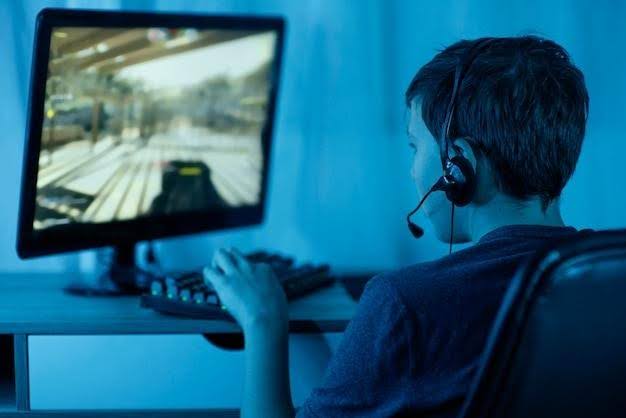
Gaming does not directly cause nearsightedness, but gaming and myopia are often linked through how children use screens. Long sessions at very close distances, reduced blinking, dark environments, and few breaks can increase gaming eye strain. Parents may notice that after playing, kids squint more, report headaches, or struggle to shift focus from screen to distance clearly.
For children already at risk, these habits can add pressure over time. A myopia management evaluation considers daily behavior patterns, including sustained near work throughout the day. The goal is not to remove gaming but to build myopia prevention habits that support healthier visual routines.
Gaming does not directly cause nearsightedness, but gaming and myopia are often linked through how children use screens. Long sessions at very close distances, reduced blinking, dark environments, and few breaks can increase gaming eye strain. Parents may notice that after playing, kids squint more, report headaches, or struggle to shift focus from screen to distance clearly.
For children already at risk, these habits can add pressure over time. A myopia management evaluation considers daily behavior patterns, including sustained near work throughout the day. The goal is not to remove gaming but to build myopia prevention habits that support healthier visual routines.
Screen Distance and Setup That Help
One of the most effective changes is improving screen distance for kids. Many children gradually lean closer to screens without noticing, especially when using phones or tablets. The closer the screen, the harder the eyes must work to maintain focus and it can contribute to gaming eye strain over time. A better setup keeps monitors about arm’s length away and discourages handheld gaming just inches from the face during use.
Posture and positioning also matter. A setup that causes a child to hunch forward or tilt their head downward for long periods increases fatigue that is often mistaken for a vision problem. The screen should be easy to see without leaning in, and text or interface size should be adjusted so the child does not compensate by moving closer to the device.
Lighting is equally important. Playing in a completely dark room with a bright screen can increase discomfort and strain. Soft ambient lighting around the gaming area helps balance contrast, reduces glare, and makes extended play more comfortable for developing eyes. Taking regular breaks also supports healthier viewing habits and reduces overall visual stress during long screen sessions.
Break Rules Kids Will Actually Follow
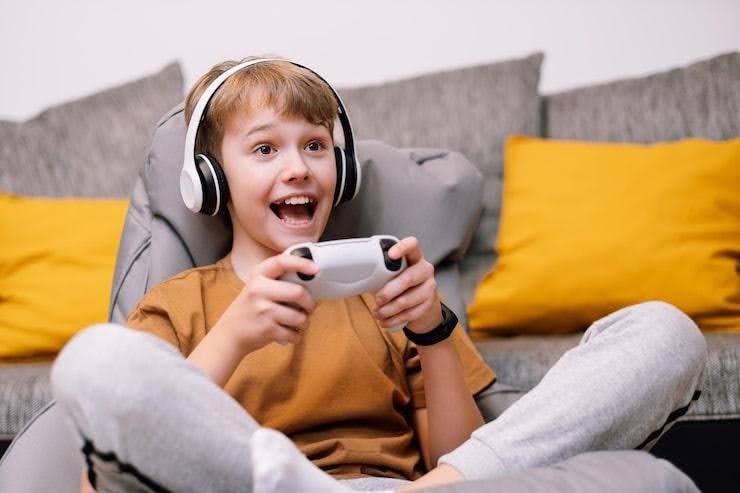
The most effective break rule is one that fits naturally into gameplay. Long breaks every few hours rarely work because children do not notice fatigue until it builds up. Instead, shorter and repeatable habits—like looking across the room between rounds or standing up during loading screens—are more realistic kids screen breaks for eyes that can be built into regular gaming sessions without stopping the fun.
Parents can adapt the 20-20-20 concept into gaming-friendly language. For example, looking at something far away after each match...
blinking fully during transitions, or taking a quick pause after a set number of rounds helps reset focus. These small habits reduce gaming eye strain without disrupting gameplay, making them easier to maintain long term and supporting healthier vision habits in children who spend significant time on screens and near work activities daily.
Parents often get better results by focusing on a few consistent rules instead of trying to control everything. Keeping lights on, maintaining proper screen distance, and requiring simple breaks can be more effective than vague restrictions. These clear habits help reduce gaming eye strain and support healthier visual behavior during daily screen use. When expectations are simple and consistent, children are more likely to follow them without constant reminders or resistance, making daily routines smoother for the whole family.
It also helps to explain the purpose behind the rules. When children understand that these habits improve comfort and help them see clearly, they are more likely to cooperate. A short list of expectations placed near the gaming area can reduce daily arguments and make the routine feel normal rather than restrictive. Over time, this approach builds better kids screen breaks for eyes and encourages long-term consistency in healthy screen habits, supporting both comfort and better visual wellbeing.
When Gaming Habits Need an Eye Exam
Sometimes symptoms go beyond simple fatigue. A child may already be developing nearsightedness or struggling with focusing issues that become more noticeable during gaming. Warning signs include sitting very close to screens, slow refocusing after play, headaches, or consistent squinting at distance, which may signal a deeper vision concern rather than temporary strain.
A comprehensive eye exam Houston families trust can help determine whether symptoms are caused by habits or a true prescription issue. If myopia is present, the discussion can shift toward a broader plan that may include monitoring, correction, and structured strategies to support long-term eye health instead of waiting for vision to worsen over time. Early evaluation helps guide better decisions and ensures children receive appropriate care based on their actual visual needs.
Easy Rules Parents Can Start Today
Start with simple, visible rules that are easy to follow. Keep screens at a healthy distance, maintain ambient lighting, and include short breaks during every gaming session to reduce strain and support healthier viewing habits for children.
Set a limit for continuous play before requiring a reset. Even a few minutes away from the screen helps reduce the strain that builds from prolonged close focus and improves comfort during extended gaming use while preventing excessive visual fatigue over time.
Start with simple, visible rules that are easy to follow. Keep screens at a healthy distance, maintain ambient lighting, and include short breaks during every gaming session to reduce strain and support healthier viewing habits for children.
Set a limit for continuous play before requiring a reset. Even a few minutes away from the screen helps reduce the strain that builds from prolonged close focus and improves comfort during extended gaming use while preventing excessive visual fatigue over time.
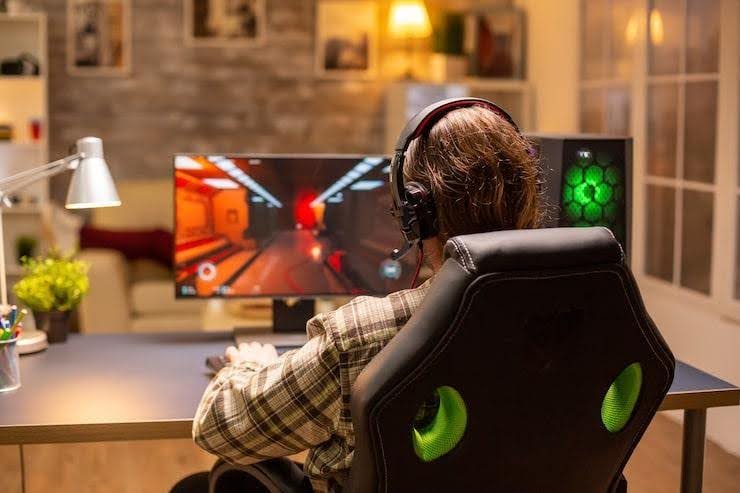
Protecting sleep is also important. Late-night gaming in dark rooms can increase discomfort and make next-day vision feel worse. Establishing consistent routines helps reduce gaming eye strain, encourages better screen discipline, and supports long-term visual health, especially for children who spend significant time on digital devices.
Building Habits That Actually Last
Parents do not need a perfect system to improve their child’s visual habits. What matters most is consistency. Better screen distance, reasonable lighting, and repeatable breaks can significantly reduce strain, especially for children already showing early symptoms. These small but steady changes help reduce gaming eye strain and make daily screen use more comfortable without requiring major lifestyle disruptions or constant supervision throughout the day.
These habits also support long-term eye health. When children follow structured routines, it becomes easier to manage progression risks and maintain comfort during extended digital use. Simple adjustments like proper posture, controlled screen time, and regular breaks can help prevent unnecessary visual fatigue and encourage healthier viewing behavior over time in both school and recreational activities involving screens.
Consistency is more important than perfection. Even imperfect routines, when followed regularly, can make a meaningful difference. Parents should focus on building realistic expectations that children can actually follow, rather than strict rules that are difficult to maintain. This approach improves cooperation, reduces conflict around screen time, and supports sustainable long-term habits.
If symptoms continue despite these changes, it may be time to move beyond habits and look at measurements. A myopia management evaluation helps determine whether additional support is needed and ensures decisions are based on real data rather than assumptions. It also helps distinguish between temporary strain and true refractive changes, allowing for more accurate planning and better long-term outcomes for children’s vision care and overall visual development.
Questions to Ask at the Exam
Parents should ask whether symptoms are related to basic strain, focusing issues, or early myopia. Understanding the cause helps determine whether changes at home are enough or if treatment is needed. This clarity allows families to respond appropriately instead of guessing or delaying care when vision changes begin to appear.
It is also helpful to ask about ideal screen distance for kids and what type of break routine fits the child’s age and lifestyle. Clear, specific guidance is easier to follow than general advice to reduce screen time, especially when managing daily routines involving schoolwork and gaming activities.

Parents should ask whether symptoms are related to basic strain, focusing issues, or early myopia. Understanding the cause helps determine whether changes at home are enough or if treatment is needed. This clarity allows families to respond appropriately instead of guessing or delaying care when vision changes begin to appear.
It is also helpful to ask about ideal screen distance for kids and what type of break routine fits the child’s age and lifestyle. Clear, specific guidance is easier to follow than general advice to reduce screen time, especially when managing daily routines involving schoolwork and gaming activities.
Finally, ask how gaming habits fit into the overall care plan. Knowing whether these habits are a minor factor or a meaningful risk helps families prioritize the right changes and make informed decisions about eye health, ensuring balanced management of symptoms and long-term visual wellbeing.
Your Next Steps Before Your Visit
Before your appointment, observe your child’s gaming habits. Note how close they sit, how long they play without breaks, and whether symptoms appear afterward. Bring current glasses and any past prescriptions, along with a clear description of what you have noticed to support a more accurate evaluation of visual behavior and possible strain patterns at home.
If gaming and myopia concerns are present, Kleinwood Vision can help separate habit-related strain from real vision changes and guide appropriate next steps. A proper evaluation, including a comprehensive eye exam Houston families rely on, ensures your child receives the right diagnosis and care plan. Understanding whether symptoms are related to habits or true refractive error is essential for effective management. If you have concerns, Contact us to schedule an appointment and take the next step toward healthier screen habits, improved comfort, and clearer long-term vision outcomes for your child.
Contact Info
Hours of Operation
Mon - Fri | 9:00 AM - 5:00 PM
Sat - Sun | Closed
Holiday Hours: We are closed for the following holidays: New Years Day, Memorial Day, Independence Day, Labor Day, Thanksgiving Day, Christmas Day
The information provided on this website is for general informational purposes only and does not constitute professional medical advice, diagnosis, or treatment. Always seek the guidance of a licensed eye care professional or qualified health provider with any questions you may have regarding a medical condition or vision concern. Results from eye care services may vary by individual.
© 2026 Kleinwood Vision. All rights Reserved.