
Kids Vision
Screen Distance Rules for Kids at Home

FSDAVCFEBFEVSDDVFSD
FSDAVCFEBFEVSDDVFSD

FSDAVCFEBFEVSDDVFSD
Why Screen Distance Affects Growing Eyes
Screen distance for kids matters because children’s eyes are still developing. Long periods of close focusing can increase visual stress and may contribute to myopia progression in kids who are already at risk. Healthy screen habits are not about eliminating devices—they are about improving posture, keeping a proper near work distance children can maintain comfortably, and building consistent breaks into the day to reduce eye strain.
When screens are too close, kids lean forward, blink less, and focus intensely for long periods. This can cause headaches, temporary blurry distance vision, and more squinting at school. Simple home adjustments support myopia prevention screen habits while keeping learning and entertainment balanced.
Screen distance for kids matters because children’s eyes are still developing. Long periods of close focusing can increase visual stress and may contribute to myopia progression in kids who are already at risk. Healthy screen habits are not about eliminating devices—they are about improving posture, keeping a proper near work distance children can maintain comfortably, and building consistent breaks into the day to reduce eye strain.
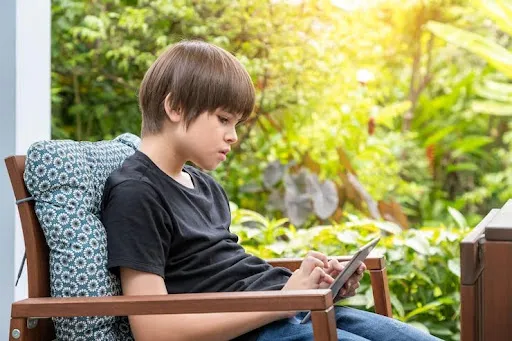
When screens are too close, kids lean forward, blink less, and focus intensely for long periods. This can cause headaches, temporary blurry distance vision, and more squinting at school. Simple home adjustments support myopia prevention screen habits while keeping learning and entertainment balanced.
Desk Setup Rules That Kids Can Follow
The easiest rule for screen distance for kids is the “elbow-to-hand” check. Have your child sit upright, place an elbow on the desk, and extend their hand forward. Where their fingertips land is the minimum distance for tablets and books. For monitors and laptops, aim for about an arm’s length. The screen should sit centered and slightly below eye level to keep posture neutral. This gives a simple answer to how far should kids sit from screens without needing a measuring tape.
Chairs should allow feet flat on the floor or on a footrest to prevent curling forward. Good lighting is essential—dim rooms cause children to move closer. Reduce glare from windows and add a desk lamp if needed. A strong kids desk setup for vision reduces strain and supports clearer, more comfortable focus. Proper setup encourages healthy posture, prevents slouching, and keeps children engaged without discomfort.
Add the 20-20-20 rule kids can realistically follow: every 20 minutes, look 20 feet away for 20 seconds and blink fully. Use timers or natural task breaks to make it routine. Distance plus structured breaks reduces continuous focusing load and supports long-term comfort, helping children maintain eye health and posture while using screens.
Bed and Couch Rules That Prevent “Creeping Closer”
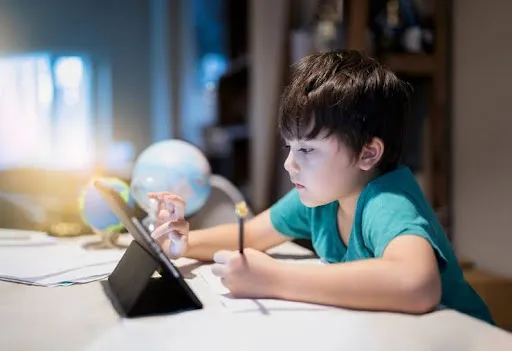
Screens in beds and on couches often lead to distance slipping. Kids naturally curl up and bring devices closer, which can strain their eyes and posture. Set a simple family rule: no screens closer than forearm length, and avoid holding devices below chin level. Using a pillow prop or lap desk helps maintain a consistent angle and distance, keeping posture neutral and reducing the risk of slouching. These small adjustments make it easier for children to use screens safely while maintaining healthy habits.
Avoid phone use in dark rooms, as children tend to hold devices much closer in low light. If evening screen time occurs, keep lights on and limit duration.
Consistent positioning protects the near work distance children maintain throughout the day and supports healthy focusing habits. Following these strategies encourages proper posture, reduces strain, and supports long-term eye comfort.
Create a “screen station” in your home—a designated desk or table with a stand and proper setup. When devices travel from room to room, screen distance for kids becomes harder to monitor, and children may hold screens too close or adopt poor posture. A fixed station supports independence, encourages consistent positioning, and reduces the need for constant reminders. Adding a supportive chair and good lighting helps maintain a comfortable near work distance while protecting vision. A stable setup also makes it easier for parents to supervise screen use without interfering with learning or play.
Evening structure helps too. Predictable screen cutoffs reduce late-night close viewing when eyes are already tired, lowering eye strain and supporting healthy focusing habits. Families involved in myopia management often see better results when daily routines are consistent rather than negotiated. Consistent timing, proper positioning, and a dedicated screen station work together to reinforce safe screen habits, maintain posture, and protect children’s eye health over the long term.
Break Schedules That Kids Will Use
The 20-20-20 rule kids follow best when it connects to something familiar. After finishing a worksheet, look outside. After completing a game level, stand up and stretch. After each reading section, walk to refill water. The goal is interrupting long, unbroken near work sessions—not perfection. Making breaks part of a routine helps children remember to pause without feeling pressured, supporting healthy focusing habits and reducing eye strain throughout the day.
For older students, add a longer reset every 45–60 minutes. Standing up, walking briefly, and looking across the room reduces eye fatigue and can improve concentration. Schedule breaks before headaches or blur appear, not after discomfort has already started. Consistently following these strategies helps children maintain proper near work distance, supports eye comfort, and reinforces structured habits that protect vision and posture during extended screen or reading sessions.
Lighting and Posture Red Flags to Fix
Common issues include screens used in the dark, devices resting in laps, and rounded shoulders leaning forward. These habits shorten viewing distance and increase strain, making it harder for children to maintain comfortable focus during homework or screen use.
Raise screens so they are upright and centered. Adjust seating so children are not craning forward. Reduce glare and improve lighting for homework tasks. Small posture improvements significantly support visual comfort and help children maintain proper near work distance throughout the day.
Common issues include screens used in the dark, devices resting in laps, and rounded shoulders leaning forward. These habits shorten viewing distance and increase strain, making it harder for children to maintain comfortable focus during homework or screen use.
Raise screens so they are upright and centered. Adjust seating so children are not craning forward. Reduce glare and improve lighting for homework tasks. Small posture improvements significantly support visual comfort and help children maintain proper near work distance throughout the day.
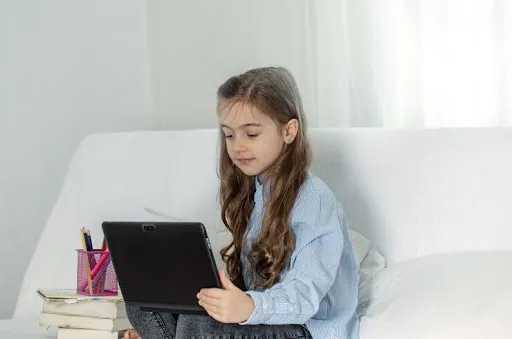
If your child squints, rubs their eyes frequently, or consistently sits very close despite reminders, schedule a pediatric eye exam Houston families rely on. These behaviors may indicate uncorrected vision issues affecting focus and comfort. Early attention helps children work and play with proper posture and clear vision.
Myopia-Safe Screen Habits Families Can Maintain
Families do best with a few consistent rules rather than many complicated ones. Start with two: maintain proper screen distance for kids (forearm minimum) and follow the 20-20-20 rule kids can manage daily. Add outdoor time after school whenever possible. Outdoor light exposure supports healthy eye development and naturally reduces screen hours. Simple, clear rules are easier for children to remember and follow, creating habits that last without constant reminders.
Build a weekly rhythm—homework block, outdoor activity, dinner, then a limited screen window. When screens are scattered throughout the day, children often default to closer viewing distances, which increases eye strain and fatigue. A predictable routine supports sustainable myopia prevention screen habits and encourages proper near work distance, helping children maintain comfort and focus during both screen and reading tasks.
For families already in myopia management, pair screen rules with treatment consistency. Regular follow-ups and home routines work together to support eye health. At Kleinwood Vision, parents often share screen patterns during visits so adjustments can be personalized. Small environmental changes—like raising a device, centering the screen, or improving lighting—can significantly reduce end-of-day strain while promoting healthy posture and visual comfort.
Keep tracking simple with two daily questions: “Did you keep your screen at forearm distance?” and “Did you take your breaks?” This approach keeps habits measurable and realistic, giving children clear expectations. Combining structured routines, consistent distance, and outdoor activity creates a balanced environment that supports proper eye development, comfortable focusing habits, and long-term screen safety.
Questions to Ask at a Pediatric Eye Exam
Ask whether your child’s focusing system and distance vision are functioning efficiently for school demands. Discuss family history and myopia risk, and ask whether changes to screen distance for kids are recommended based on exam findings. Understanding these factors helps parents make informed decisions about eye health and daily habits.
If axial length monitoring is part of your clinic’s myopia management plan, ask when tracking should begin. Also ask how often follow-ups are needed and which symptoms—headaches, blur, eye fatigue—should prompt earlier visits. Knowing what to watch for ensures that vision concerns are addressed promptly and supports healthy focusing habits.
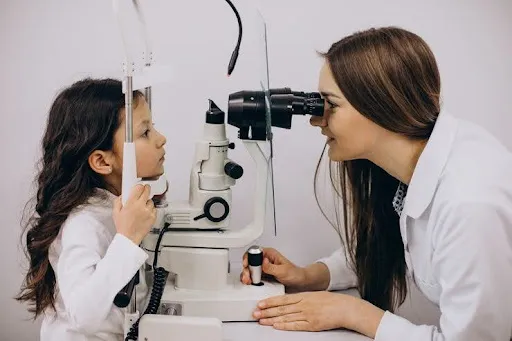
Ask whether your child’s focusing system and distance vision are functioning efficiently for school demands. Discuss family history and myopia risk, and ask whether changes to screen distance for kids are recommended based on exam findings. Understanding these factors helps parents make informed decisions about eye health and daily habits.
If axial length monitoring is part of your clinic’s myopia management plan, ask when tracking should begin. Also ask how often follow-ups are needed and which symptoms—headaches, blur, eye fatigue—should prompt earlier visits. Knowing what to watch for ensures that vision concerns are addressed promptly and supports healthy focusing habits.
Request a practical home plan with two priority habits for the month. Clear guidance helps families maintain progress without feeling overwhelmed. Focusing on just a few key routines—such as proper screen distance and scheduled breaks—makes myopia management sustainable and supports long-term eye comfort and visual health for children.
Screen Distance Action Plan for Parents
Use the forearm-distance rule daily and keep monitors about an arm’s length away. Position screens upright and centered, especially on beds and couches where children tend to move closer. Maintain good lighting and avoid dark-room device use, which can cause children to hold screens too close and increase eye strain. Pair proper distance with the 20-20-20 rule kids can follow, helping them take breaks and protect near work distance throughout the day. For older students, include longer hourly resets to reduce fatigue and support comfortable focusing habits.
If children continue leaning in, squinting, or experiencing headaches, schedule a pediatric eye exam Houston parents trust. Contact us to build a personalized plan that supports healthy vision and long-term myopia management success. Consistently following these guidelines ensures children maintain proper posture, comfortable screen habits, and optimal eye health while using devices at home or school.
Contact Info
Hours of Operation
Mon - Fri | 9:00 AM - 5:00 PM
Sat - Sun | Closed
Holiday Hours: We are closed for the following holidays: New Years Day, Memorial Day, Independence Day, Labor Day, Thanksgiving Day, Christmas Day
The information provided on this website is for general informational purposes only and does not constitute professional medical advice, diagnosis, or treatment. Always seek the guidance of a licensed eye care professional or qualified health provider with any questions you may have regarding a medical condition or vision concern. Results from eye care services may vary by individual.
© 2026 Kleinwood Vision. All rights Reserved.