
Eye Exams
Understanding the Differences: Esophoria vs Exophoria

FSDAVCFEBFEVSDDVFSD
FSDAVCFEBFEVSDDVFSD

FSDAVCFEBFEVSDDVFSD
The Importance of Eye Alignment Results
Esophoria and exophoria describe how your eyes naturally drift when the brain relaxes the effort that keeps them aligned. Even with clear vision and 20/20 acuity, the eyes may work harder behind the scenes to stay coordinated. Constant effort can lead to symptoms like headaches, eye fatigue, and difficulty focusing during reading or long screen sessions.
During a comprehensive eye exam Houston, alignment testing helps explain why vision feels uncomfortable even when it seems clear. Understanding esophoria vs exophoria allows your optometrist to identify whether the eyes lean inward or outward. Once known, treatment can reduce strain and improve visual comfort rather than just addressing symptoms.
Esophoria and exophoria describe how your eyes naturally drift when the brain relaxes the effort that keeps them aligned. Even with clear vision and 20/20 acuity, the eyes may work harder behind the scenes to stay coordinated. Constant effort can lead to symptoms like headaches, eye fatigue, and difficulty focusing during reading or long screen sessions.

During a comprehensive eye exam Houston, alignment testing helps explain why vision feels uncomfortable even when it seems clear. Understanding esophoria vs exophoria allows your optometrist to identify whether the eyes lean inward or outward. Once known, treatment can reduce strain and improve visual comfort rather than just addressing symptoms.
Esophoria vs Exophoria in Plain English
Esophoria occurs when the eyes drift slightly inward as the brain relaxes its control over alignment. Near tasks like reading or computer work require convergence, so people with esophoria often feel discomfort. Symptoms can include pressure around the eyes, brow headaches, or the sense that maintaining clear vision takes constant effort. Some patients notice intermittent blur that improves when looking away from the task, reflecting the extra work the eyes perform to stay coordinated.
Exophoria is the opposite pattern, where the eyes naturally drift outward when fusion is relaxed. Individuals with exophoria may struggle to keep their place while reading, feel their focus slipping after a few minutes, or see words appear to move. Frequent breaks may be needed, and mild double vision or eye fatigue can develop later in the day, especially after extended screen use or visual tasks.
Doctors confirm the pattern through detailed binocular vision testing at near and distance. Exams may also include focusing ability, eye tracking, and tear film assessment, as dryness can worsen blur and fatigue. Treatment may involve refining prescriptions, task-specific lenses, prism glasses, or a NeuroLens evaluation when measurable alignment stress and digital strain are present.
Symptoms That Match Each Pattern

Esophoria often feels like the eyes are working too hard at near distances. People may experience headaches after reading, pressure between the eyes, or blurred text that improves when they look away. Long hours of computer work can feel exhausting, and symptoms may become worse under bright lighting or stressful conditions. These patterns often lead people to limit reading time or take frequent breaks because the visual effort becomes uncomfortable.
Exophoria usually creates the sensation that the eyes cannot hold their place during close work. Some individuals lose track of lines when reading, reread sentences, or feel their focus drifting after only a few minutes.
Briefly closing one eye or pausing the task may temporarily stabilize vision. Because symptoms from different alignment patterns can overlap, accurate testing is important to confirm the true cause of visual strain.
Preparing for an eye exam can help make alignment testing more accurate. Bring your current glasses and a short list of symptoms, including when discomfort begins and which tasks trigger it. If you have previously been diagnosed with convergence insufficiency or another binocular condition, bringing those records allows your doctor to compare patterns over time. Alignment tendencies can change with age, workload, and visual demands, so providing detailed information helps ensure the evaluation reflects your daily visual challenges.
During testing, it is important to describe how your vision feels when lenses are changed. If a particular lens adjustment makes your vision feel steadier or more strained, that feedback guides the final prescription. Mention dryness, allergies, or contact lens discomfort, as tear film instability can worsen fatigue and blur. Combining accurate correction with practical visual habits often produces the most reliable improvement in comfort, focus, and overall visual performance.
Treatment Options That Actually Help
The first step in managing binocular vision dysfunction is ensuring your base prescription is accurate. Even small uncorrected focusing errors can increase the effort required for the eyes to stay aligned. For many patients, simply adjusting the glasses prescription—especially for near work—can significantly reduce headaches and visual fatigue, improving daily comfort and focus.
When measured misalignment contributes to symptoms, prism glasses may be recommended. Prism gently shifts the image so the eyes do not work as hard to maintain single vision. For those who spend long hours on digital devices, a NeuroLens evaluation may also be considered, using contoured prism technology to reduce alignment strain at different distances. Some conditions benefit from structured visual training or referrals. Follow-up visits allow your optometrist to monitor progress, fine-tune the treatment plan, and help reduce headaches, improve reading stamina, and make screen use more comfortable.
Red Flags to Take Seriously
If you suddenly develop double vision, a drooping eyelid, severe eye pain, or rapid vision loss, seek prompt medical evaluation. These symptoms are not typical signs of simple phoria conditions and may indicate a more serious medical issue.
If dizziness occurs alongside neurological symptoms such as weakness, slurred speech, or sudden loss of balance, immediate medical attention is necessary. While eye alignment issues can cause discomfort, they should not be assumed to be responsible for severe new neurological symptoms.
If you suddenly develop double vision, a drooping eyelid, severe eye pain, or rapid vision loss, seek prompt medical evaluation. These symptoms are not typical signs of simple phoria conditions and may indicate a more serious medical issue.
If dizziness occurs alongside neurological symptoms such as weakness, slurred speech, or sudden loss of balance, immediate medical attention is necessary. While eye alignment issues can cause discomfort, they should not be assumed to be responsible for severe new neurological symptoms.
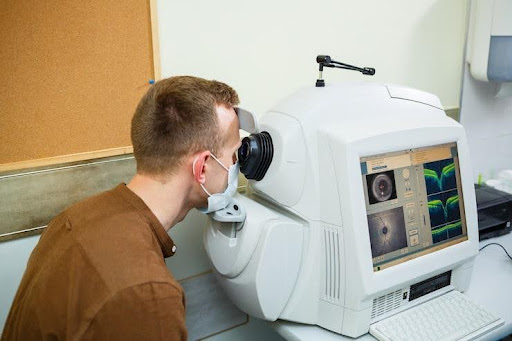
For persistent but non-emergency strain, a thorough exam including binocular vision dysfunction testing is the best next step. Many individuals manage headaches for years without realizing eye alignment effort is contributing to their symptoms. Accurate testing helps doctors identify the true cause and recommend targeted solutions.
Next Steps After Your Alignment Results
After your eye exam, your treatment plan should clearly explain what the alignment measurements mean and how they relate to your symptoms. Many patients feel reassured knowing there is a measurable reason behind their visual fatigue, especially if prior exams suggested everything appeared normal. Understanding the difference between esophoria vs exophoria helps clarify why certain tasks may trigger headaches, eye strain, or fatigue, giving context to your daily visual challenges.
If glasses adjustments are recommended, it’s important to allow a short trial period while tracking changes in headache frequency, reading stamina, and screen tolerance. When prism glasses are prescribed, a follow-up appointment may be scheduled to fine-tune the prism amount as your visual system adapts. Even small adjustments can make a significant difference in comfort, stability, and overall visual performance.
For people who spend long hours on digital devices, your doctor may suggest simple workstation changes. Adjusting screen height, improving lighting, and taking scheduled breaks can reduce strain on the alignment system. If a NeuroLens evaluation is recommended, your optometrist will explain how measurements are taken and how progress will be monitored to ensure optimal results.
Before leaving the office, you should have a clear follow-up plan outlining expected improvements and when to return for reassessment. If new lenses feel unusual, sharing detailed feedback allows your doctor to make precise adjustments. With accurate eye alignment test results and the right treatment approach, most patients notice improved comfort with reading, screens, and long workdays.
Frequently Asked Questions by Patients
Patients often worry that esophoria or exophoria means something is seriously wrong with their eyes. In reality, a phoria is a natural alignment tendency that many people have without symptoms. Problems arise only when the visual system works too hard to maintain coordination, especially during reading or extended screen use.
Another common question is whether prism glasses must be worn forever. Prism does not weaken the eyes; it reduces unnecessary alignment effort. Some patients use prism long term for consistent comfort, while others rely on it mainly during tasks that place higher demands on their visual system.

Patients often worry that esophoria or exophoria means something is seriously wrong with their eyes. In reality, a phoria is a natural alignment tendency that many people have without symptoms. Problems arise only when the visual system works too hard to maintain coordination, especially during reading or extended screen use.
Another common question is whether prism glasses must be worn forever. Prism does not weaken the eyes; it reduces unnecessary alignment effort. Some patients use prism long term for consistent comfort, while others rely on it mainly during tasks that place higher demands on their visual system.
People also ask why symptoms occur even when vision appears clear. Alignment effort can cause headaches and fatigue even with sharp visual acuity. Understanding this strain helps patients adopt helpful habits such as proper lighting, maintaining working distance, and taking regular breaks to support comfortable vision and reduce visual fatigue.
Your Next Step After The Results
If you were told you have esophoria or exophoria, scheduling a comprehensive eye exam Houston with binocular vision testing can clarify what those findings mean. Bring your glasses, symptom notes, and any prior records so your optometrist can compare results over time. Describing triggers such as reading, screen use, driving, or busy environments helps ensure the evaluation focuses on real-world visual challenges and provides a complete picture of your alignment needs.
At Kleinwood Vision, your optometrist can confirm your alignment pattern, refine your prescription, and determine whether prism glasses or a NeuroLens evaluation may improve comfort. The goal is stable vision that stays comfortable throughout your day, not just clear letters on a chart. If visual fatigue or headaches continue to interfere with daily activities, contact us to schedule an appointment and start working toward clearer, more comfortable vision.
Contact Info
Hours of Operation
Mon - Fri | 9:00 AM - 5:00 PM
Sat - Sun | Closed
Holiday Hours: We are closed for the following holidays: New Years Day, Memorial Day, Independence Day, Labor Day, Thanksgiving Day, Christmas Day
The information provided on this website is for general informational purposes only and does not constitute professional medical advice, diagnosis, or treatment. Always seek the guidance of a licensed eye care professional or qualified health provider with any questions you may have regarding a medical condition or vision concern. Results from eye care services may vary by individual.
© 2026 Kleinwood Vision. All rights Reserved.