
NeuroLens
Dry Eye or Eye Misalignment?

FSDAVCFEBFEVSDDVFSD

FSDAVCFEBFEVSDDVFSD

FSDAVCFEBFEVSDDVFSD
Why These Problems Feel So Similar
Dry eye and eye misalignment can produce many of the same symptoms. Patients often report burning, fatigue, pressure around the eyes, headaches, blurred vision, and difficulty with screens. Because these symptoms overlap so much, many people assume dryness is the only cause, especially if artificial tears provide temporary relief and seem to work at first.
However, partial relief does not always mean dryness is the full explanation. Some individuals experience binocular vision strain that becomes more noticeable during near work, while others may have both dryness and alignment-related issues. A comprehensive eye exam Houston patients rely on helps separate surface irritation from eye coordination problems accurately.
Dry eye and eye misalignment can produce many of the same symptoms. Patients often report burning, fatigue, pressure around the eyes, headaches, blurred vision, and difficulty with screens. Because these symptoms overlap so much, many people assume dryness is the only cause, especially if artificial tears provide temporary relief and seem to work at first.

However, partial relief does not always mean dryness is the full explanation. Some individuals experience binocular vision strain that becomes more noticeable during near work, while others may have both dryness and alignment-related issues. A comprehensive eye exam Houston patients rely on helps separate surface irritation from eye coordination problems accurately.
What NeuroLens Screening Is Looking For
NeuroLens screening is designed to detect small amounts of eye misalignment that may contribute to symptoms such as headaches from eye misalignment, neck tension, and visual fatigue. These alignment issues are often subtle and may not be noticed during routine vision checks, but they can still cause the eyes to work harder during prolonged reading or screen use, leading to ongoing discomfort.
During screening, your doctor evaluates how well your eyes align at both distance and near. Even a small mismatch can create ongoing strain without the patient realizing the true cause behind their symptoms. This process helps identify whether symptoms are related to how the eyes function together rather than just surface irritation, which is often mistaken for dryness alone.
The value of NeuroLens screening lies in clarity and direction. If results point toward alignment strain, treatment may include prism support or further evaluation through a NeuroLens eye exam Houston patients trust. If findings suggest dryness, care can focus on tear film stability or ocular surface treatment, reducing trial-and-error and helping pinpoint the real eye strain cause more efficiently.
Signs Dry Eye May Be the Bigger Factor
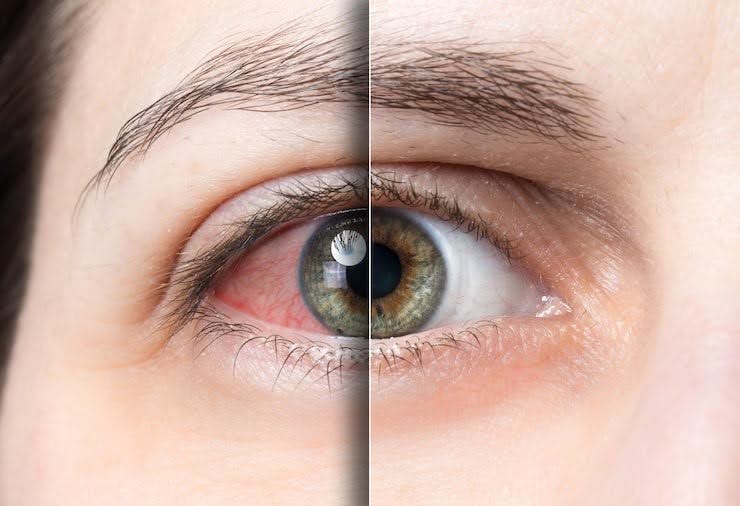
Dry eye symptoms vs eye strain can sometimes be distinguished by specific patterns. Burning, stinging, fluctuating vision that improves after blinking, and discomfort in dry environments often point toward dryness. Patients may also notice worsening symptoms late in the day or after long screen sessions, especially in air-conditioned or windy settings where tear evaporation increases and eye comfort declines over time.
Still, dryness does not explain every case. Many patients with dry eye also experience underlying alignment strain that contributes to ongoing discomfort, headaches, and visual fatigue.
That is why a comprehensive eye exam Houston providers perform should evaluate both tear film quality and binocular vision carefully. Treating only dryness may leave persistent symptoms unresolved if another factor is involved, making a complete evaluation essential for identifying the true cause and guiding more effective, targeted treatment and long term relief.
Patients often feel stuck when one solution only partially helps. Eye drops may reduce irritation but do little for headaches or prolonged screen fatigue. This pattern suggests that dryness may not be the only issue, especially when symptoms continue despite consistent use of artificial tears and adjustments in screen habits, lighting, or environment. Many patients expect quick relief, but lingering discomfort often points to a more complex cause.
In many cases, symptoms worsen during screen use, leading patients to assume dryness is the cause. However, near work is also when eye misalignment becomes more demanding and visually stressful. Tracking whether blur improves with blinking or whether headaches increase during reading helps clarify whether dryness, alignment, or both are contributing factors. When both conditions overlap, symptoms can feel inconsistent and confusing, making it harder to self-identify the problem. Careful observation of daily visual tasks helps eye care providers determine whether treatment should focus on tear film support, binocular vision correction, or a combined approach for more complete and lasting relief.
When Misalignment Is More Likely
Eye misalignment becomes more likely when symptoms center around near tasks. These may include headaches around the eyes, words appearing to move, difficulty focusing, neck tension, or fatigue that feels excessive compared to the amount of work being done. Some patients also feel relief when closing one eye or taking breaks from near tasks, which further suggests visual imbalance during close work activities.
These signs suggest that binocular strain may be involved. While they do not automatically mean NeuroLens is required, they do indicate that NeuroLens screening should be considered instead of assuming dryness alone. Identifying alignment-related strain helps prevent ongoing discomfort that is not resolved with surface treatments alone and ensures the underlying cause is properly addressed for more lasting visual comfort.
Why Some Patients Have Both
Many patients experience both dryness and eye misalignment at the same time. A dry surface can cause fluctuating vision, while alignment issues increase the effort required for visual tasks and make focusing more difficult during reading or screen use.
When both conditions are present, symptoms may feel inconsistent because no single treatment fully resolves them. Drops may improve comfort, while alignment correction may reduce headaches and fatigue, but neither approach alone may fully eliminate symptoms or visual strain.
Many patients experience both dryness and eye misalignment at the same time. A dry surface can cause fluctuating vision, while alignment issues increase the effort required for visual tasks and make focusing more difficult during reading or screen use.
When both conditions are present, symptoms may feel inconsistent because no single treatment fully resolves them. Drops may improve comfort, while alignment correction may reduce headaches and fatigue, but neither approach alone may fully eliminate symptoms or visual strain.

This is why a full evaluation matters. Instead of forcing symptoms into one category, the goal is to understand how much each factor contributes so treatment can be more targeted and effective. A balanced approach helps address both tear film stability and binocular vision for better long term relief.
Understanding the Real Source of Eye Strain
Patients often feel relieved to learn that the issue is not always strictly dry eye or eye misalignment. In many cases, both play a role, and understanding their relationship is key to proper treatment. NeuroLens screening helps identify when alignment deserves attention rather than being overlooked or mistaken for simple eye strain or dryness alone.
A clear diagnosis allows for a more focused treatment plan based on the true source of symptoms. If dryness is the main issue, care can target the ocular surface with lubrication, tear film stabilization, and environmental adjustments. If misalignment is the primary factor, solutions like prism correction or NeuroLens may be recommended to reduce visual stress and improve comfort during near tasks and prolonged screen use.
When both conditions are present, a combined approach offers the best results. Addressing only one factor may leave lingering symptoms, while treating both ensures more complete relief and better stability during daily activities such as reading, driving, studying, and computer work. This helps patients experience more consistent comfort throughout the day and reduces recurring episodes of strain.
This structured approach helps patients move beyond temporary fixes and toward long-term relief. Instead of guessing or rotating through treatments that only partially help, care becomes based on real clinical findings and measured evaluation. This improves comfort, reduces frustration, and supports better visual performance in daily life. Over time, patients gain a clearer understanding of their symptoms and how to manage them effectively, leading to greater confidence, stability, and lasting relief in both near and distance vision tasks.
Questions to Ask During Screening
Ask whether your symptoms point more toward dryness, alignment strain, or a combination of both. This helps clarify why specific tests are being recommended and what the results mean for your care, ensuring you better understand the reason behind each evaluation.
It is also helpful to ask which symptoms are most strongly linked to misalignment versus dry eye. Understanding this difference helps track progress more accurately once treatment begins and allows you to see whether improvements are related to tear stability, alignment correction, or both factors working together.
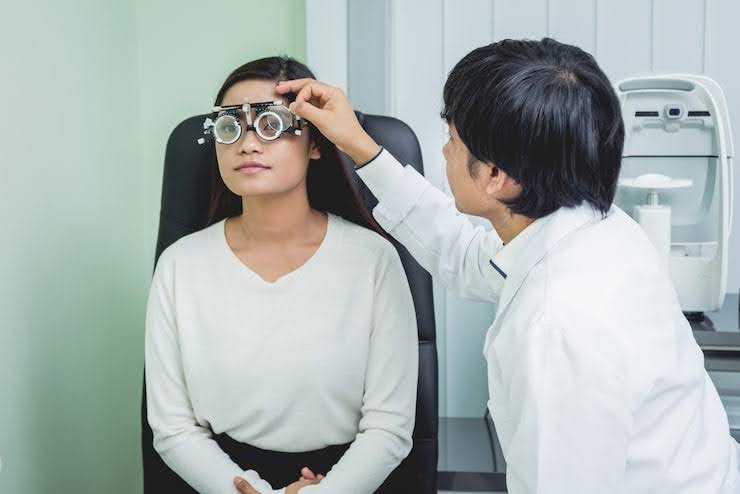
Ask whether your symptoms point more toward dryness, alignment strain, or a combination of both. This helps clarify why specific tests are being recommended and what the results mean for your care, ensuring you better understand the reason behind each evaluation.
It is also helpful to ask which symptoms are most strongly linked to misalignment versus dry eye. Understanding this difference helps track progress more accurately once treatment begins and allows you to see whether improvements are related to tear stability, alignment correction, or both factors working together.
Finally, ask whether the next step involves NeuroLens, dry eye therapy, or both. Clear priorities make it easier to follow the treatment plan and understand how each step contributes to relief. This approach supports better communication with your provider and helps you stay engaged and confident throughout the process of finding lasting visual comfort and reducing recurring symptoms over time.
Your Next Steps Before Your Visit
Before your visit, make note of when your symptoms occur and what triggers them. Pay attention to whether blur improves after blinking, whether headaches increase with screen use, and whether drops provide only partial relief. Bring your current glasses and any previous records if available. This information helps connect your symptoms to the right diagnosis and gives your provider a clearer picture of your visual concerns and daily challenges..
If your eye strain has been difficult to explain, Kleinwood Vision can perform detailed testing, including NeuroLens screening, to identify the underlying cause. A proper evaluation, supported by a comprehensive eye exam Houston patients trust, helps eliminate guesswork and guide effective treatment. If symptoms persist, Contact us to schedule your appointment and find a clear path toward lasting relief and better visual comfort.
Contact Info
Hours of Operation
Mon - Fri | 9:00 AM - 5:00 PM
Sat - Sun | Closed
Holiday Hours: We are closed for the following holidays: New Years Day, Memorial Day, Independence Day, Labor Day, Thanksgiving Day, Christmas Day
The information provided on this website is for general informational purposes only and does not constitute professional medical advice, diagnosis, or treatment. Always seek the guidance of a licensed eye care professional or qualified health provider with any questions you may have regarding a medical condition or vision concern. Results from eye care services may vary by individual.
© 2026 Kleinwood Vision. All rights Reserved.