
Myopia Care
Axial Length Plateau and Graduation

FSDAVCFEBFEVSDDVFSD

FSDAVCFEBFEVSDDVFSD

FSDAVCFEBFEVSDDVFSD
What “Plateau” Really Means
At Kleinwood Vision, an axial length plateau means the eye’s growth curve has truly flattened, not just that a glasses prescription looks steady. We track myopia stabilization in millimeters, using the same device and similar times of day to reduce noise. Trend lines—not one data point—guide decisions for families and our Houston myopia clinic.
Age, family history, and baseline risk define what “flat” looks like and how long it must persist. We look for two to three consistent intervals and mm/year targets below age norms before considering changes. Single visits can mislead after poor sleep, illness, or heavy near work, so shared criteria keep choices calm.
At Kleinwood Vision, an axial length plateau means the eye’s growth curve has truly flattened, not just that a glasses prescription looks steady. We track myopia stabilization in millimeters, using the same device and similar times of day to reduce noise. Trend lines—not one data point—guide decisions for families and our Houston myopia clinic.

Age, family history, and baseline risk define what “flat” looks like and how long it must persist. We look for two to three consistent intervals and mm/year targets below age norms before considering changes. Single visits can mislead after poor sleep, illness, or heavy near work, so shared criteria keep choices calm.
Verifying Stability Before Any Tapering
Before any taper, our myopia management team confirms stability using high-quality biometry. Each eye is carefully scanned 3–5 times, poor reads are discarded, and the results are averaged for accuracy. This is paired with cycloplegic or dry refraction, corneal health checks, and a pediatric eye exam when needed. To confirm true myopia stabilization, the annualized change must remain below age-appropriate mm/year targets and stay consistent across sequential visits.
Context matters in interpreting these results. Late childhood and mid-teen growth phases, allergy seasons, and lifestyle shifts—such as new schools, exam periods, or increased gaming—can mimic a plateau. To ensure reliability, we re-measure on the same instrument and schedule visits at similar times of day to reduce diurnal variance. Indicators like stable morning clarity and predictable daily vision support, but do not replace, confirmed millimeter data.
Green-light signals for tapering include flat axial trends, consistent comfort, and no red-flag symptoms like headaches or distance blur. Only at this stage do we discuss a written plan to graduate myopia control, outlining follow-up dates and revert triggers. This conservative, data-first process aligns with our pediatric eye exams and comprehensive eye exams standards.
Designing a Safe Taper or Pause
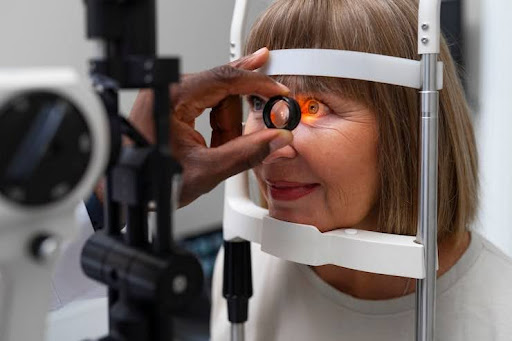
Designing a taper is individualized and based on each patient’s needs. Options include extending follow-ups, a partial taper with fewer Ortho-K nights, lowering atropine strength, or a supervised MiSight pause for soft-lens wearers. We consider age, residual risk, adherence, and family readiness before recommending changes. Some teens tolerate alternate-night Ortho-K, while others respond better to gradual atropine tapering while keeping lens routines steady. Clear, written instructions reduce anxiety and set realistic expectations for families.
Parents receive a simple checkpoint schedule with escalation rules. If annualized change or symptoms suggest loss of control,
we act immediately—resuming prior therapy and arranging an earlier review.For instance, stop Ortho-K if morning clarity drifts or if mm/year targets are exceeded twice. MiSight® wearers pause only under supervision with rapid re-measurement. Each plan defines who to contact and when for consistent myopia control.
During any taper phase, patients should maintain a quick daily log tracking comfort, morning clarity score, outdoor minutes, and the longest near-work stretch. These observations help distinguish random fluctuations from meaningful change. We schedule re-checks at three and six months to verify stability, then cautiously extend visit intervals. If trends worsen—such as new distance blur, rising mm/year, or less predictable mornings—we immediately pause the taper and return to the last effective settings to maintain control.
Graduation is a phase, not a finish line. Even when active treatment pauses, continued monitoring with our Houston myopia clinic safeguards long-term retinal health. We keep verifying axial length at regular visits and adjust goals for school schedules, sports seasons, and sleep patterns. If acceleration returns, we promptly restart the prior therapy, review screen habits and outdoor time, and reassess fit, dosage, or wear schedules so vision gains are protected, not lost.
Preventing Relapse After Myopia Graduation
We define relapse as a sustained rise in mm/year beyond agreed targets or the consistent return of symptoms such as distance blur, headaches, or reduced morning clarity. Small, short-lived shifts can happen after illness, travel, or exams; those prompt habit reinforcement and a sooner re-measure. A real relapse shows across sequential visits, on the same device, and outpaces age-based mm/year targets despite steady routines.
Because thresholds are pre-agreed before you graduate myopia control, families can act quickly without stress. Mild deviations trigger coaching on outdoor time, screen breaks, sleep, and reading distance. Larger departures lead to therapy restart—stronger atropine, tighter Ortho-K schedules, or MiSight® re-activation—with closer intervals until myopia stabilization returns. That stepwise plan preserves confidence and protects long-term retinal health.
Home Habits That Lock in Stability
Aim for 90–120 minutes of outdoor time most days, regular screen breaks, and consistent sleep routines. These habits support steady focusing and reduce near-work strain between visits. Set phone alarms for breaks and keep backup glasses current.
Use a forearm reading distance, raise screens to eye level, and study under bright, even lighting. Track the longest continuous near-work block each day and aim to shorten streaks during exam weeks. Predictability helps keep mornings clear.
Aim for 90–120 minutes of outdoor time most days, regular screen breaks, and consistent sleep routines. These habits support steady focusing and reduce near-work strain between visits. Set phone alarms for breaks and keep backup glasses current.
Use a forearm reading distance, raise screens to eye level, and study under bright, even lighting. Track the longest continuous near-work block each day and aim to shorten streaks during exam weeks. Predictability helps keep mornings clear.

Log weekly outdoor minutes and any days with morning clarity below your usual. Review targets before sports seasons, travel, or schedule changes. If routines slip and vision fluctuates, book a pediatric eye exam promptly so we can adjust early. Our Pediatric Eye Exams are designed for proactive checks.
Taper Scripts, Checkpoints, and Revert Rules
Here are sample scripts that turn data into action. “If mm/year exceeds target twice, resume prior settings.” “If morning clarity stays <7/10 for three days, reinsert last successful rules and call.” “If distance blur appears by afternoon, shorten near-work blocks and schedule a re-measure.” These clear cues remove guesswork and keep everyone focused on measurable myopia stabilization, ensuring decisions are data-driven and consistent across visits.
Checkpoints at 6–8 weeks and again at 3–6 months verify individual trends. Bring your tracking log, lenses, cases, and solutions so our coaching reflects real home routines. We’ll confirm axial length, review sleep and screen timing, and compare data to age-based mm/year targets. When appropriate, these visits may include a pediatric eye exam for a complete picture of overall eye health. From there, decisions are clear: continue the taper, hold steady, or revert to prior therapy.
If life events disrupt routines—such as travel, exams, or illness—pause the taper rather than pushing through. For Ortho-K, that may mean returning to nightly wear instead of alternate nights; for atropine, avoiding sudden skips and carefully timing dose changes; for soft-lens wearers, a supervised MiSight pause with quicker follow-ups. Protecting stability always outweighs finishing a preset calendar plan.
Document every step with a goal and date inside a shared family note. As stability holds across multiple intervals, extend surveillance windows cautiously under our Comprehensive Eye Exams framework. If any drift appears, tighten visits, restart therapy, or adjust fit and dosing. For any questions, please contact our team—we’ll guide you toward the safest next step.
Top Parent & Teen Myopia FAQs
Can a plateau “un-plateau”? Yes. Growth spurts or routine shifts can restart change, which is why we rely on checkpoints and trend lines, not a single visit. Do we still need glasses? Yes—always keep backups current for sports, travel, and allergy days to maintain consistent vision support.
How fast is “too fast”? Your doctor sets age-based mm/year targets at the start and updates them as you grow. If results exceed target twice, we restore the last effective plan and shorten follow-up intervals. Will we need combo therapy again? Possibly—short restarts help protect retinal health while stability returns.

Can a plateau “un-plateau”? Yes. Growth spurts or routine shifts can restart change, which is why we rely on checkpoints and trend lines, not a single visit. Do we still need glasses? Yes—always keep backups current for sports, travel, and allergy days to maintain consistent vision support.
How fast is “too fast”? Your doctor sets age-based mm/year targets at the start and updates them as you grow. If results exceed target twice, we restore the last effective plan and shorten follow-up intervals. Will we need combo therapy again? Possibly—short restarts help protect retinal health while stability returns.
After graduation, re-measures typically occur yearly under Comprehensive Eye Exams, or sooner if symptoms or schedules change. Families in our Myopia Management program may choose mid-year spot checks. If clarity fluctuates for several days, contact us and bring logs and lenses for accurate coaching.
Your Myopia Graduation Safety Checklist
Your graduation checklist includes a verified axial length plateau across multiple visits, mm/year targets below age norms, and a written taper plan for Ortho-K, MiSight®, or low-dose atropine. Add scheduled re-checks, an active home habit tracker, and clear revert triggers. Save our clinic number, keep backup glasses current, and store charts in a shared family note. These essentials reduce last-minute guesswork and support calm, data-driven decisions for lasting myopia control.
Treat data as feedback. When the curve stays flat, maintain routines and extend intervals slowly. If steepening appears, act early—tighten visits, restart the last effective settings, or taper atropine more gradually. For any concerns between appointments, contact us. Our Houston myopia clinic integrates myopia management with Pediatric Eye Exams and Comprehensive Eye Exams to keep vision clear, growth steady, and stability protected through every stage.
Contact Info
Hours of Operation
Mon - Fri | 9:00 AM - 5:00 PM
Sat - Sun | Closed
Holiday Hours: We are closed for the following holidays: New Years Day, Memorial Day, Independence Day, Labor Day, Thanksgiving Day, Christmas Day
The information provided on this website is for general informational purposes only and does not constitute professional medical advice, diagnosis, or treatment. Always seek the guidance of a licensed eye care professional or qualified health provider with any questions you may have regarding a medical condition or vision concern. Results from eye care services may vary by individual.
© 2026 Kleinwood Vision. All rights Reserved.