
NeuroLens
Why Headaches Continue After New Prescriptions

FSDAVCFEBFEVSDDVFSD
FSDAVCFEBFEVSDDVFSD

FSDAVCFEBFEVSDDVFSD
Why Clear Vision May Not Stop Headaches
Many patients expect headaches to disappear after receiving an updated glasses or contact lens prescription. While clearer vision can help, some people continue to experience pressure around the eyes, forehead discomfort, eye fatigue, or headaches after reading, computer work, driving, or extended phone use. This can be frustrating because the prescription itself may still provide sharp vision.
The reason is that visual clarity and visual comfort are not always the same. A prescription helps each eye focus properly, but it does not automatically address how efficiently both eyes work together. When binocular vision strain is present, headaches after updated prescription changes may continue even when vision appears clear and stable.
Many patients expect headaches to disappear after receiving an updated glasses or contact lens prescription. While clearer vision can help, some people continue to experience pressure around the eyes, forehead discomfort, eye fatigue, or headaches after reading, computer work, driving, or extended phone use. This can be frustrating because the prescription itself may still provide sharp vision.

The reason is that visual clarity and visual comfort are not always the same. A prescription helps each eye focus properly, but it does not automatically address how efficiently both eyes work together. When binocular vision strain is present, headaches after updated prescription changes may continue even when vision appears clear and stable.
The Eye Alignment Blind Spot
A standard eye exam is designed to determine the lens power needed for clear vision. This process is essential and highly effective for correcting nearsightedness, farsightedness, and astigmatism. However, standard prescription testing may not fully reveal how much effort the visual system uses to keep both eyes aligned throughout the day. Small alignment issues can exist even when vision measures well on the eye chart. At Kleinwood Vision, patients with persistent symptoms can receive a more complete evaluation when clear vision alone does not resolve discomfort.
When the eyes are slightly misaligned, the brain often works continuously to keep images single and comfortable. That extra effort may become more noticeable during reading, computer work, driving, studying, or tasks requiring frequent focus changes. Instead of obvious double vision, patients often experience eye alignment headaches, pressure behind the eyes, neck tension, or visual fatigue.
This can become a frustrating blind spot for patients whose symptoms continue. They may be told their glasses are accurate or their contact lenses fit properly, yet the headaches remain. NeuroLens screening provides additional information by measuring binocular alignment and evaluating whether eye teaming effort may be contributing to ongoing discomfort.
Symptoms That Suggest Alignment Strain

Symptoms related to binocular vision strain headaches often appear after prolonged visual tasks. Patients may notice headaches behind the eyes, forehead pressure, tired eyes, difficulty concentrating, neck tension, shoulder tightness, or discomfort after extended screen use and reading. Some people also feel overwhelmed in visually busy environments such as stores, airports, or crowded public spaces, where the visual system must process continuous movement and changing visual information.
The timing of symptoms can provide valuable clues. If headaches consistently worsen late in the day, after computer work, or during close-up activities...
binocular vision strain may deserve further investigation. Because these symptoms can overlap with dry eye, migraines, stress, sinus issues, or other medical conditions, a thorough evaluation is important before reaching conclusions. Understanding symptom patterns and discussing them during an eye examination can help guide appropriate testing and treatment recommendations.
Patients should consider what happened after receiving their updated prescription. If new glasses feel blurry, distorted, or uncomfortable immediately, the prescription or lens measurements may need to be checked first. However, if vision is clear and headaches continue, the issue may involve more than focusing power alone. At Kleinwood Vision, a detailed evaluation can help determine whether other visual factors may be contributing to ongoing discomfort.
It is helpful to bring specific examples to the appointment. Patients should explain whether symptoms occur during spreadsheets, reading, driving, studying, gaming, or phone use. Mentioning whether breaks, closing the eyes, or looking into the distance provide relief can help the doctor separate prescription concerns from eye teaming problems. These details can offer valuable insight when evaluating headaches after updated prescription changes and possible binocular vision strain, helping create a more personalized care plan.
What NeuroLens Screening Actually Measures
NeuroLens screening measures how the eyes align at both distance and near viewing positions. These measurements can identify small alignment differences that may increase visual effort during daily activities. When the findings match a patient’s symptoms, NeuroLens screening may provide useful information about why headaches continue despite clear vision and an updated prescription.
The screening does not replace comprehensive eye exams or medical evaluations. The doctor still reviews prescription accuracy, eye health, dry eye concerns, lens fit, and other possible causes of discomfort. NeuroLens is most valuable when it helps explain symptoms that remain after common concerns have been evaluated. This additional insight can help create a more targeted care approach for patients experiencing ongoing headaches, visual strain, eye fatigue, or discomfort during extended near tasks and screen use.
When Other Causes Need Review
Headaches can develop for many different reasons. Migraine conditions, sinus problems, stress, sleep concerns, medication effects, blood pressure changes, muscle tension, and neurological conditions can all contribute to recurring symptoms. Not every headache is related to vision, so identifying the possible cause is important.
Patients should seek prompt medical attention for sudden, severe, unusual, or worsening headaches, especially when symptoms occur with weakness, confusion, fainting, fever, speech difficulties, or vision loss. These situations may require evaluation beyond an eye examination.
Headaches can develop for many different reasons. Migraine conditions, sinus problems, stress, sleep concerns, medication effects, blood pressure changes, muscle tension, and neurological conditions can all contribute to recurring symptoms. Not every headache is related to vision, so identifying the possible cause is important.
Patients should seek prompt medical attention for sudden, severe, unusual, or worsening headaches, especially when symptoms occur with weakness, confusion, fainting, fever, speech difficulties, or vision loss. These situations may require evaluation beyond an eye examination.

For recurring headaches associated with reading, screens, or other visual tasks, an eye exam combined with NeuroLens screening may help determine whether binocular vision strain is contributing. This evaluation can provide additional insight when visual demands appear connected to ongoing discomfort.
Why Screening May Provide Answers
Persistent headaches can be discouraging because many patients feel they have already addressed the obvious solution. They scheduled an eye exam, purchased new glasses or contact lenses, and expected the discomfort to improve. When symptoms remain, uncertainty often follows. Patients may question whether the prescription is incorrect or wonder if an important factor has been missed. Understanding why symptoms continue can help guide the next steps toward relief.
A careful evaluation is valuable because several different factors can create similar symptoms. Dry eye can cause strain, irritation, and fluctuating vision. Progressive lenses may require adaptation before they feel comfortable. Digital device use can increase fatigue, while workstation habits, lighting conditions, and extended screen time can contribute to discomfort. However, even when these common issues are addressed, some patients continue experiencing headaches and visual fatigue.
This is where NeuroLens screening may provide additional information. By measuring eye alignment and comparing the findings with real-world symptoms, the doctor can determine whether eye teaming effort may be contributing to discomfort. If measurements support treatment, specialized prism technology may be discussed as part of a personalized approach.
Even when NeuroLens is not recommended, the screening can still be valuable because it helps narrow possible causes and guide future decisions. Understanding whether binocular vision strain is involved may provide patients with clearer direction instead of continuing to guess. A complete evaluation that considers multiple factors can help create a more targeted plan for managing persistent headaches and improving visual comfort during daily activities.
Questions to Ask Your Eye Doctor
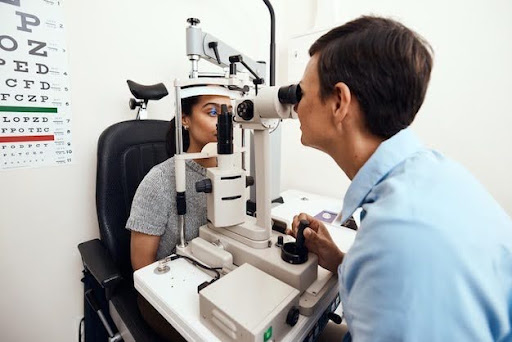
Ask whether your prescription, lens measurements, and frame fit have been reviewed carefully. Confirming these details can help rule out common reasons patients experience headaches with new glasses or contact lenses. A complete review helps ensure that prescription concerns are addressed before looking into other potential causes of discomfort.
Ask whether your symptoms seem more consistent with dry eye, migraine, digital eye strain, or binocular vision strain headaches. Understanding which factors may be contributing to your symptoms can make treatment decisions more focused. Sharing details about when headaches occur during screens, reading, driving, or other visual tasks can help provide a clearer picture.
Ask whether your prescription, lens measurements, and frame fit have been reviewed carefully. Confirming these details can help rule out common reasons patients experience headaches with new glasses or contact lenses. A complete review helps ensure that prescription concerns are addressed before looking into other potential causes of discomfort.
Ask whether your symptoms seem more consistent with dry eye, migraine, digital eye strain, or binocular vision strain headaches. Understanding which factors may be contributing to your symptoms can make treatment decisions more focused. Sharing details about when headaches occur during screens, reading, driving, or other visual tasks can help provide a clearer picture.
Finally, ask whether NeuroLens screening would add useful information to your evaluation. Patients who continue experiencing headaches after updated prescription changes may benefit from learning whether eye alignment issues are contributing and whether additional testing may support a more personalized care plan.
Do Not Ignore Ongoing Headaches
If headaches continue after receiving new glasses or contact lenses, keep a record of when they occur, how long they last, and which activities seem to trigger them. Bring your current eyewear and explain whether symptoms appear during reading, computer use, driving, phone use, or visually busy environments. These details help your doctor understand your daily visual demands and create a more complete picture of possible causes.
At Kleinwood Vision, comprehensive eye exams and NeuroLens eye exam Houston evaluations can help determine whether binocular vision strain may be contributing to ongoing discomfort. If headaches persist despite clear vision correction, contact us to schedule an appointment and learn whether additional testing may help identify the cause. A detailed evaluation can provide valuable insight into your symptoms and support a more personalized approach to improving visual comfort.
Contact Info
Hours of Operation
Mon - Fri | 9:00 AM - 5:00 PM
Sat - Sun | Closed
Holiday Hours: We are closed for the following holidays: New Years Day, Memorial Day, Independence Day, Labor Day, Thanksgiving Day, Christmas Day
The information provided on this website is for general informational purposes only and does not constitute professional medical advice, diagnosis, or treatment. Always seek the guidance of a licensed eye care professional or qualified health provider with any questions you may have regarding a medical condition or vision concern. Results from eye care services may vary by individual.
© 2026 Kleinwood Vision. All rights Reserved.