
Specialty Contact Lenses
Why Specialty Contact Lens Fits Need Multiple Visits

FSDAVCFEBFEVSDDVFSD

FSDAVCFEBFEVSDDVFSD

FSDAVCFEBFEVSDDVFSD
Why Specialty Lenses Are More Customized
Specialty contact lenses are designed for eyes that need more than a standard soft lens. Patients may have keratoconus, corneal scarring, post-surgical changes, severe astigmatism, dry eye concerns, or other conditions requiring a more individualized approach. Because these eyes often have unique shape and function, the fitting process requires additional testing and careful evaluation.
A specialty contact lens fitting is about more than finding the correct prescription. The doctor must evaluate how the lens sits on the eye, whether it moves properly, how it interacts with the cornea, and whether it provides safe, comfortable wear. This customization is why specialty contacts take multiple visits for many patients.
Specialty contact lenses are designed for eyes that need more than a standard soft lens. Patients may have keratoconus, corneal scarring, post-surgical changes, severe astigmatism, dry eye concerns, or other conditions requiring a more individualized approach. Because these eyes often have unique shape and function, the fitting process requires additional testing and careful evaluation.
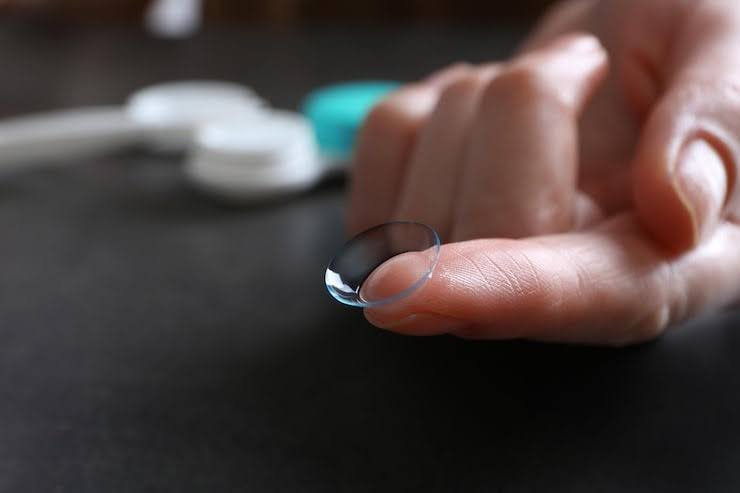
A specialty contact lens fitting is about more than finding the correct prescription. The doctor must evaluate how the lens sits on the eye, whether it moves properly, how it interacts with the cornea, and whether it provides safe, comfortable wear. This customization is why specialty contacts take multiple visits for many patients.
What Happens During the First Fitting Visit
The first specialty contact lens appointment usually begins with a detailed examination. The doctor may review your prescription, eye health, tear film quality, eyelid function, and previous contact lens experience. In many cases, advanced imaging such as corneal topography is used to create a detailed map of the eye’s surface, especially when fitting irregular cornea contact lenses. These measurements help the doctor understand the unique shape and needs of the eye.
After collecting measurements, the doctor often places a diagnostic or trial lens on the eye. This lens is not always intended to be the final design. Instead, it allows the doctor to observe how the lens centers, how much clearance it provides, whether the edges align properly, and how much visual improvement it offers during wear.
The first lens frequently serves as a starting point rather than a finished solution. Adjustments may be needed to the power, diameter, curvature, vault, edge profile, or material. Because these refinements are based on how the lens performs on the eye, patients should view the first visit as an important step in the fitting process rather than expect immediate completion. This careful approach helps achieve safe, comfortable, and effective specialty contact lens results.
Why Trial Lenses Are Part of the Process

Trial lenses allow the doctor to see how a lens design behaves on a real eye before a final custom lens is ordered. Even when measurements are highly accurate, the eye can respond differently than expected. A lens that appears ideal on paper may require changes after it is evaluated during actual wear. This process helps create a specialty contact lens fit that matches the eye’s unique needs and supports comfortable vision.
Patients should not be discouraged if the first trial lens is not perfect. The purpose of these lenses is to collect valuable information about comfort, vision, alignment, stability, and overall performance. Every trial helps narrow the design so the final lens has a better chance of providing long-term success. Careful refinements improve comfort, visual clarity, and the overall specialty contact lens experience for patients.
Many specialty lenses require time to settle before the fit can be judged accurately. During the scleral lens fitting process, for example, the lens may appear different after several hours of wear compared to when it was first inserted. Clearance levels can change, edges may behave differently, and fogging patterns may become more noticeable. Evaluating these details helps the doctor understand how the lens performs throughout the day.
This is one reason specialty contact lens follow-up visits are so important. Doctors often want to evaluate the lens after it has been worn in real-world conditions. Patients may report that the lens feels comfortable initially but becomes dry, cloudy, tight, or uncomfortable later in the day. These observations provide valuable information that cannot always be predicted during the first fitting session and help guide necessary adjustments for better comfort and vision.
What Doctors Adjust Between Visits
Between visits, the doctor may modify lens power, curvature, diameter, edge design, vault height, or other custom parameters. The goal is to create the best balance between clear vision, comfort, oxygen transmission, eye health, and safe wear time. Even small design changes can significantly improve specialty contact lens performance and overall results for the patient.
Adjustments may also be based on symptoms such as redness, dryness, lens awareness, fogging, blurry vision, or difficulty removing the lens. In some situations, the doctor may review insertion techniques, cleaning products, wear schedules, or filling solutions. Success often depends on both the lens design and the way the lens is used at home. Proper care, follow-up visits, and customized adjustments help ensure safe, comfortable, and effective long-term specialty lens wear.
Why Vision May Improve Gradually
Some patients notice dramatically clearer vision as soon as they begin wearing specialty lenses. Others experience improvements more gradually as the lens design is refined. This is a normal part of the customization process and does not necessarily indicate a problem.
Eyes with irregular corneal shapes often create complex visual distortions that cannot always be corrected perfectly with the first lens design. The doctor may need to fine-tune both the fit and prescription before achieving the best possible result and comfortable vision.
Some patients notice dramatically clearer vision as soon as they begin wearing specialty lenses. Others experience improvements more gradually as the lens design is refined. This is a normal part of the customization process and does not necessarily indicate a problem.
Eyes with irregular corneal shapes often create complex visual distortions that cannot always be corrected perfectly with the first lens design. The doctor may need to fine-tune both the fit and prescription before achieving the best possible result and comfortable vision.
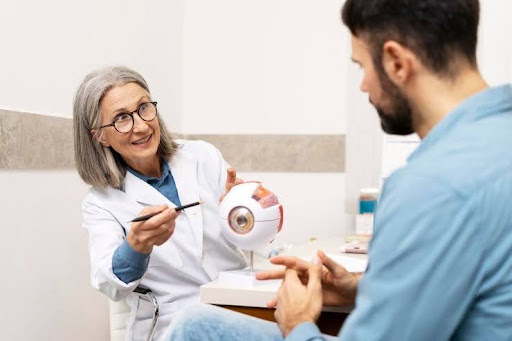
Vision can also improve as patients become more comfortable with insertion, removal, cleaning, and daily wear routines. Better handling habits often contribute to more stable vision and improved lens performance over time, helping patients achieve successful long-term specialty lens wear.
Why Follow-Up Visits Are Essential
Many patients compare specialty lens fitting to purchasing standard soft contact lenses, but the two experiences are very different. Standard lenses are manufactured in common sizes and powers designed to fit many people. Specialty lenses are customized because the patient's eye shape or visual needs fall outside typical ranges. This customization is exactly why multiple appointments are valuable and necessary for achieving better results.
Follow-up visits help protect eye health as much as they improve vision. A lens that provides clear vision may still need adjustment if it creates pressure in a sensitive area. Likewise, a lens that feels comfortable initially may cause redness or irritation after several hours of wear. Issues such as midday fogging, dryness, or instability are often identified and corrected during follow-up evaluations.
Patients should view additional appointments as part of building a better final outcome rather than as evidence that something has gone wrong. A successful specialty contact lens fitting involves measuring, testing, refining, and confirming results. Each visit provides important information that helps create a lens design tailored to the unique needs of the individual eye.
The goal of multiple visits is to achieve a specialty lens that provides clear vision, comfort, and safe long-term wear. Through careful evaluation and adjustments, doctors can improve lens performance while supporting eye health. The fitting process requires patience, but each step brings patients closer to a customized solution that meets their specific vision requirements and lifestyle needs.
What Patients Should Bring Back
Bring your lenses to every follow-up appointment, even if they feel uncomfortable or do not provide ideal vision. The doctor needs to evaluate the actual lenses on your eyes to understand how they are performing and whether adjustments are needed. This allows for more accurate specialty contact lens fitting decisions and better long-term results following comprehensive eye exams.
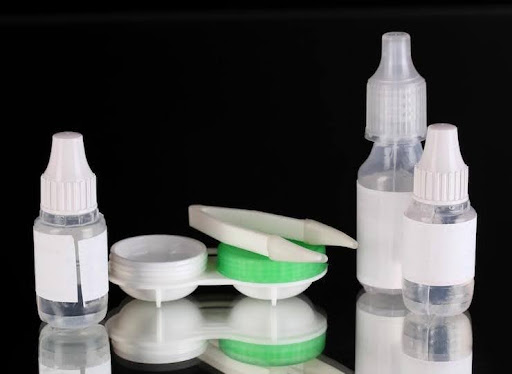
Bring any solutions, plungers, lens cases, or cleaning products you use regularly. Sometimes issues such as fogging, irritation, or discomfort are related to care routines rather than the lens design itself. Reviewing these items can help identify simple solutions and improve lens comfort, safety, and performance.
Bring your lenses to every follow-up appointment, even if they feel uncomfortable or do not provide ideal vision. The doctor needs to evaluate the actual lenses on your eyes to understand how they are performing and whether adjustments are needed. This allows for more accurate specialty contact lens fitting decisions and better long-term results following comprehensive eye exams.
Bring any solutions, plungers, lens cases, or cleaning products you use regularly. Sometimes issues such as fogging, irritation, or discomfort are related to care routines rather than the lens design itself. Reviewing these items can help identify simple solutions and improve lens comfort, safety, and performance.
It is also helpful to bring notes about wear time, comfort levels, redness, dryness, fogging, removal challenges, and changes in vision throughout the day. Real-world observations provide valuable information for making precise fitting adjustments and achieving successful long-term specialty lens wear.
Be Patient With the Fitting Process
If your specialty contact lens fitting requires more than one appointment, it usually means the doctor is carefully refining the lens to match your eye's unique shape and needs. Pay attention to how the lens feels throughout the day, whether vision changes, and whether symptoms such as redness, fogging, dryness, or discomfort occur. These details play an important role in creating the best possible fit.
At Kleinwood Vision, we guide patients through every stage of the scleral lens fitting process and other specialty lens services using detailed measurements, trial lens evaluations, and ongoing adjustments. Our goal is to provide custom contact lenses Houston patients can wear comfortably and safely. If you have questions about irregular cornea contact lenses or would like to schedule comprehensive eye exams, contact us to learn how a customized fitting process can help improve your vision and long-term comfort.
Contact Info
Hours of Operation
Mon - Fri | 9:00 AM - 5:00 PM
Sat - Sun | Closed
Holiday Hours: We are closed for the following holidays: New Years Day, Memorial Day, Independence Day, Labor Day, Thanksgiving Day, Christmas Day
The information provided on this website is for general informational purposes only and does not constitute professional medical advice, diagnosis, or treatment. Always seek the guidance of a licensed eye care professional or qualified health provider with any questions you may have regarding a medical condition or vision concern. Results from eye care services may vary by individual.
© 2026 Kleinwood Vision. All rights Reserved.