
Myopia Management
Why Myopia Treatment Sometimes Needs Adjustment

FSDAVCFEBFEVSDDVFSD

FSDAVCFEBFEVSDDVFSD

FSDAVCFEBFEVSDDVFSD
Why Progression Can Still Happen
Myopia management is designed to slow the progression of nearsightedness, but it does not always stop progression completely. Some children may continue becoming more nearsighted even when they are following treatment instructions carefully. This can be frustrating for parents who hoped the prescription would remain stable once treatment began.
Progression does not automatically mean the treatment has failed. Every child responds differently based on age, genetics, lifestyle habits, eye growth patterns, and individual treatment response. The purpose of ongoing monitoring is to determine whether the current plan is providing enough benefit or whether adjustments are needed to better support long-term eye health.
Myopia management is designed to slow the progression of nearsightedness, but it does not always stop progression completely. Some children may continue becoming more nearsighted even when they are following treatment instructions carefully. This can be frustrating for parents who hoped the prescription would remain stable once treatment began.
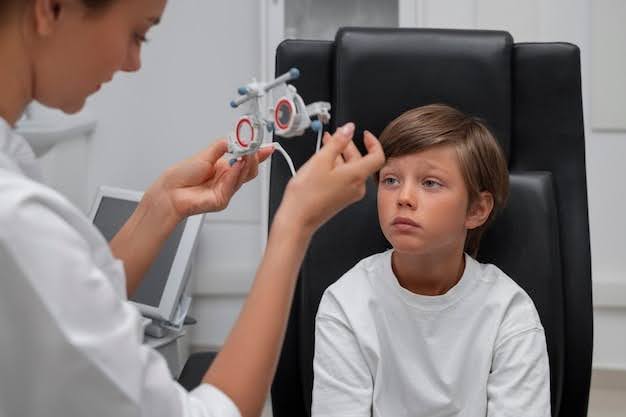
Progression does not automatically mean the treatment has failed. Every child responds differently based on age, genetics, lifestyle habits, eye growth patterns, and individual treatment response. The purpose of ongoing monitoring is to determine whether the current plan is providing enough benefit or whether adjustments are needed to better support long-term eye health.
How Doctors Decide Whether Treatment Is Working
Myopia management is evaluated by looking at long-term trends rather than focusing on a single prescription change. During follow-up visits, the doctor compares current results with previous examinations and reviews how quickly the myopia progression in kids occurred before treatment began. Even if some progression is still present, slowing the rate of change may indicate that treatment is helping. Regular monitoring allows eye care professionals to determine whether the current treatment plan continues to provide meaningful control over myopia progression.
Many doctors also monitor axial length when available. Axial length measurements track the physical growth of the eye, which is closely linked to myopia progression. Prescription changes provide useful information, but eye growth measurements often offer a more complete understanding of whether treatment is effectively controlling the condition and reducing future risk.
Parents should be prepared to discuss treatment consistency at every visit. The doctor needs accurate information about lens wear, atropine use, prescribed glasses, and daily routines. If treatment has not been followed consistently, it becomes difficult to determine whether the child progressing despite myopia treatment is due to the treatment itself or challenges with adherence.
Reasons Treatment Response May Be Limited
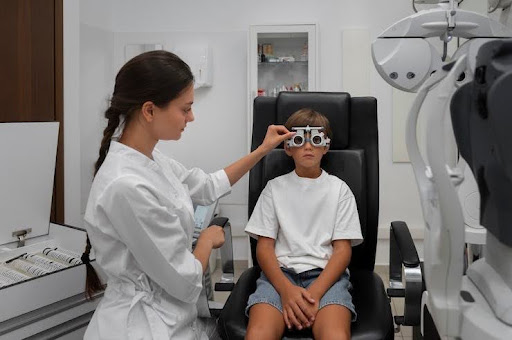
Some children face stronger risk factors that make myopia harder to control. These may include younger age at diagnosis, a family history of high myopia, rapid progression before treatment, heavy amounts of near work, limited outdoor activities, or inconsistent treatment use. Even with a well-designed plan, these factors can influence results and affect how quickly myopia progresses over time. Regular follow-up appointments help doctors identify changes early and determine whether adjustments are needed.
The treatment approach itself may also require refinement. Some children may benefit from a different lens design, stronger atropine concentration, improved wear-time consistency, more frequent monitoring, or a combination of treatment methods.
Effective myopia management Houston providers understand that treatment must be tailored to the individual child rather than relying on a one-size-fits-all strategy, helping improve long-term outcomes and supporting healthier vision as children grow.
Parents should avoid feeling discouraged or blaming themselves if progression continues. While consistency is important, even highly committed families may still see changes over time. The key question is whether the current plan is slowing progression enough based on the child’s unique risk factors, treatment history, and previous eye examination results. Open communication with the eye care provider helps parents better understand whether the treatment remains effective or if adjustments should be considered.
It can be helpful to view myopia management as an evolving care plan instead of a one-time solution. Similar to orthodontic treatment or allergy management, adjustments may be needed as a child grows and their visual demands change. Regular pediatric eye exams provide valuable opportunities to review progress, monitor eye development, discuss treatment consistency, and decide whether the strategy should be modified to better support long-term vision and healthy eye growth.
When It May Be Time to Adjust
Adjustments do not always require replacing the entire treatment approach. Sometimes better consistency, improved lens fit, treating eye dryness, increasing outdoor time, or scheduling more frequent myopia control follow-up visits can improve outcomes. In other situations, the doctor may recommend a different treatment method or a combination strategy designed to provide stronger control. Personalized adjustments help ensure the treatment continues to match the child’s changing vision needs. It may be time to adjust myopia treatment plan if a child continues progressing faster than expected, experiences repeated prescription increases, shows concerning eye growth, or struggles to follow the prescribed routine. A treatment that worked well initially may become less effective as academic demands, screen use, and lifestyle habits change. Regular monitoring helps identify when changes may be needed to maintain better control.
Adjustments do not always require replacing the entire treatment approach. Sometimes better consistency, improved lens fit, treating eye dryness, increasing outdoor time, or scheduling more frequent myopia control follow-up visits can improve outcomes. In other situations, the doctor may recommend a different treatment method or a combination strategy designed to provide stronger control. Personalized adjustments help ensure the treatment continues to match the child’s changing vision needs.
Why Honest Follow-Up Details Matter
Parents should provide accurate information about how treatment is being used at home. Missed drops, skipped lens wear, forgotten glasses, or inconsistent routines can all affect treatment results and influence the doctor’s recommendations. Sharing honest details helps create a clearer picture of the child’s progress, challenges, and treatment needs.
These conversations are not about assigning blame. Instead, they help the doctor understand whether myopia management not working is due to treatment limitations or difficulties with maintaining the routine consistently. Accurate communication supports better care decisions and allows adjustments based on real experiences.
Parents should provide accurate information about how treatment is being used at home. Missed drops, skipped lens wear, forgotten glasses, or inconsistent routines can all affect treatment results and influence the doctor’s recommendations. Sharing honest details helps create a clearer picture of the child’s progress, challenges, and treatment needs.
These conversations are not about assigning blame. Instead, they help the doctor understand whether myopia management not working is due to treatment limitations or difficulties with maintaining the routine consistently. Accurate communication supports better care decisions and allows adjustments based on real experiences.
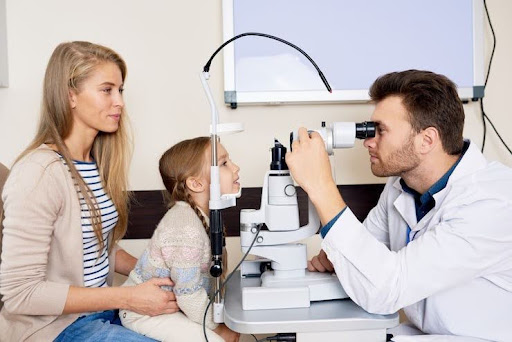
Without complete information, treatment changes may not address the actual concern. Open discussions help doctors create a plan that reflects the child’s habits, vision needs, and daily routine.
Looking at the Full Picture
When a child continues progressing despite treatment, the follow-up visit should focus on the entire situation rather than a single measurement. The doctor may ask about lens wear time, outdoor activity, screen habits, reading demands, school workload, and any recent changes that could influence eye growth. These details often reveal important clues about why results may not be meeting expectations.
A thorough evaluation may also include reviewing the prescription, eye health, corneal shape, contact lens performance, and available eye growth measurements. Sometimes the treatment plan is fundamentally appropriate but requires better consistency and support. In other cases, the child’s progression pattern may indicate the need for a stronger or different approach.
Parents should also pay attention to changes between appointments. If a child begins squinting more often, struggles to see classroom boards, complains about blurry distance vision, or seems less consistent with treatment, those observations should be shared with the doctor. Small details can make a significant difference when evaluating treatment effectiveness.
The earlier concerns are identified, the easier it is to make meaningful adjustments. Regular communication and proactive follow-up help ensure that treatment decisions are based on current information rather than waiting for progression to become more significant. Families can improve outcomes by maintaining scheduled appointments, following recommendations carefully, and discussing any concerns early. A collaborative approach between parents and doctors creates a clearer understanding of the child’s vision needs, helping guide timely changes to the myopia management plan. This process supports better monitoring and allows treatment strategies to adapt as children grow while protecting their long-term eye health.
Questions Parents Should Ask About Myopia Management
Ask whether your child’s progression has slowed compared with their pattern before treatment began. This helps determine whether the current plan is providing meaningful benefit, even if some prescription change has still occurred. Understanding these changes allows parents and doctors to evaluate whether the treatment is working effectively and providing enough control over time.
Parents should also ask whether the existing treatment is strong enough for their child’s individual risk level. Some children require closer monitoring,
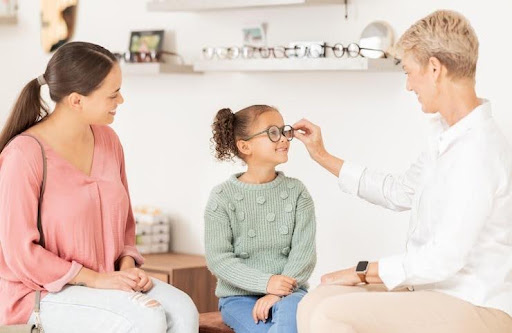
Ask whether your child’s progression has slowed compared with their pattern before treatment began. This helps determine whether the current plan is providing meaningful benefit, even if some prescription change has still occurred. Understanding these changes allows parents and doctors to evaluate whether the treatment is working effectively and providing enough control over time.
Parents should also ask whether the existing treatment is strong enough for their child’s individual risk level. Some children require closer monitoring.
more advanced treatment strategies, or additional lifestyle modifications to achieve the best possible results. If concerns appear between visits, parents should contact their eye care provider for guidance and support.
Finally, ask what improvements can be made at home. Factors such as treatment consistency, outdoor time, screen habits, sleep routines, and follow-up schedules can influence how well myopia management performs over time and supports better vision outcomes.
Review the Plan Before Waiting Longer
If your child is still progressing despite treatment, bring their current glasses, contact lenses, treatment supplies, and notes about daily routines to the next appointment. Be prepared to discuss missed treatments, wear time, school demands, screen exposure, outdoor activities, and any new vision concerns. These details help create a clearer picture of what may be affecting results and whether treatment adjustments are needed for better control.
Kleinwood Vision provides comprehensive evaluations to help families understand whether their child’s current myopia management plan is working effectively. Through regular monitoring, pediatric eye exams, and individualized treatment adjustments, the goal is to support healthier long-term vision and develop a plan that fits each child’s unique needs, lifestyle, and progression patterns. This personalized approach helps families make informed decisions and maintain consistent care throughout their child’s vision development.
Contact Info
Hours of Operation
Mon - Fri | 9:00 AM - 5:00 PM
Sat - Sun | Closed
Holiday Hours: We are closed for the following holidays: New Years Day, Memorial Day, Independence Day, Labor Day, Thanksgiving Day, Christmas Day
The information provided on this website is for general informational purposes only and does not constitute professional medical advice, diagnosis, or treatment. Always seek the guidance of a licensed eye care professional or qualified health provider with any questions you may have regarding a medical condition or vision concern. Results from eye care services may vary by individual.
© 2026 Kleinwood Vision. All rights Reserved.