
NeuroLens
Why Reading Feels So Exhausting

FSDAVCFEBFEVSDDVFSD
FSDAVCFEBFEVSDDVFSD

FSDAVCFEBFEVSDDVFSD
Why Reading Strain Is Not Always Dry Eye
Many patients wondering why reading feels exhausting assume dry eye is the only cause. While dry eye and reading discomfort are common during screen use and close work, focusing stress, prescription problems, binocular strain, and overlapping visual issues can also increase visual effort during near tasks.
Persistent reading fatigue deserves attention when concentration drops, eyes feel worn out quickly, or near work causes pressure and headaches more than burning or grittiness. A comprehensive eye exam Houston patients rely on can determine whether the issue involves dry eye and reading strain, binocular stress, or another of the common visual causes of reading fatigue during daily activities.
Many patients wondering why reading feels exhausting assume dry eye is the only cause. While dry eye and reading discomfort are common during screen use and close work, focusing stress, prescription problems, binocular strain, and overlapping visual issues can also increase visual effort during near tasks.

Persistent reading fatigue deserves attention when concentration drops, eyes feel worn out quickly, or near work causes pressure and headaches more than burning or grittiness. A comprehensive eye exam Houston patients rely on can determine whether the issue involves dry eye and reading strain, binocular stress, or another of the common visual causes of reading fatigue during daily activities.
Common Visual Reasons Reading Feels Hard
One of the most common reading eye strain causes is an uncorrected or imperfect prescription. Even small amounts of blur at near distances can force the eyes to work harder during reading. Many patients may not notice obvious blurry vision, but they often describe tired eyes, mentally draining reading sessions, or difficulty maintaining comfort through longer passages and screen use.
Another important factor is focusing stress. The eyes must maintain clear near focus continuously while reading, and this demand can become exhausting when the focusing system overworks. Some patients notice slower shifts between near and far distances, while others realize their reading endurance is much lower than it once was. Although it may overlap with dry eye and reading discomfort, it remains a separate visual issue requiring proper evaluation.
Binocular misalignment is also among the major visual causes of reading fatigue. When the eyes are not working together comfortably at near, the visual system may use excessive energy maintaining stable vision on text or screens. This can cause headaches, eye pressure, concentration problems, and faster visual fatigue. A NeuroLens eye exam Houston patients schedule can help identify alignment stress contributing to prolonged near-task discomfort
Signs the Problem May Be More Than Dryness

Dry eye symptoms often include burning, grittiness, fluctuating blur that improves after blinking, or irritation that worsens in dry environments. When reading fatigue feels more like headaches, eye pressure, heaviness, trouble staying on the line, or the sense that your eyes are “overworking,” another visual issue may deserve closer attention. Some patients also notice that reading feels significantly harder than watching television or viewing objects at a distance, which can be another clue.
This does not mean dry eye is unimportant. In many people, it contributes to the problem. However, when lubricating drops provide only partial relief or reading still feels exhausting despite surface treatment, it makes sense to investigate more broadly.
A comprehensive eye exam Houston specialists perform can help determine whether the strain is related to dryness, focusing demand, binocular stress, or a combination that requires a more targeted treatment approach.
Patients often normalize reading fatigue because they assume long reading sessions should feel exhausting. However, there is a difference between normal mental effort and visual effort that feels excessive for the task itself. It helps to notice whether symptoms appear quickly, whether screens feel worse than paper materials, and whether headaches or eye pressure build in a predictable pattern throughout the day.
Comparing reading with other activities can also reveal important patterns. If distance tasks feel manageable while near work quickly becomes draining, that detail matters. The more clearly patients describe what reading feels like, the easier it becomes for the exam to identify which visual system may be under more stress than it should be. This process can also help determine whether one of the underlying reading eye strain causes is contributing to discomfort, reduced concentration, visual fatigue, or lower endurance during prolonged close work and screen use throughout the day.
When NeuroLens May Be Part of the Answer
NeuroLens may be worth discussing when reading consistently triggers headaches, eye pressure, or visual fatigue and the symptom pattern suggests the eyes are working too hard together during near tasks. Patients who lose reading endurance quickly or feel significantly more strained during close work than distance viewing may benefit from binocular screening instead of assuming the issue is only dryness or prescription strength.
That does not mean every patient with reading fatigue needs prism lenses. The goal is to determine whether measurable binocular strain is contributing to the symptoms. If it is, NeuroLens may help reduce the visual effort required during reading and prolonged near work. A NeuroLens eye exam Houston providers perform can help determine whether alignment stress is playing a measurable role. If not, the exam still helps direct attention toward the actual cause so treatment remains focused on what is truly driving the strain.
Why Specialized Vision Testing Matters
Reading fatigue can involve several different visual systems at the same time, which is why generic advice often falls short. The eye surface, prescription accuracy, focusing system, and binocular alignment system all influence how comfortable reading feels over extended periods.
That is why a detailed evaluation matters so much. A comprehensive eye exam Houston patients trust can help determine whether one issue is primarily responsible or whether multiple smaller problems are combining to create excessive visual demand during reading and screen use.
Reading fatigue can involve several different visual systems at the same time, which is why generic advice often falls short. The eye surface, prescription accuracy, focusing system, and binocular alignment system all influence how comfortable reading feels over extended periods.
That is why a detailed evaluation matters so much. A comprehensive eye exam Houston patients trust can help determine whether one issue is primarily responsible or whether multiple smaller problems are combining to create excessive visual demand during reading and screen use.
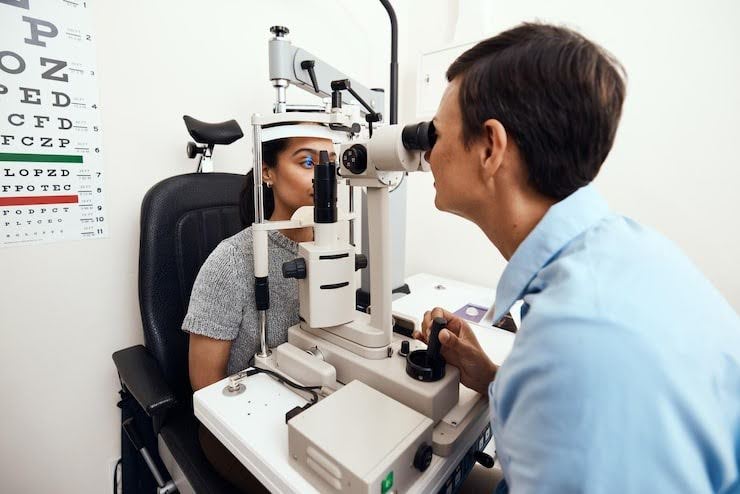
Once the true cause is identified, treatment becomes much more practical and effective. Patients usually improve more consistently when the treatment plan addresses the real mechanism behind the discomfort instead of assuming every case of reading fatigue is only related to dry eye and reading habits.
Why Reading Fatigue Should Not Be Ignored
Reading should require concentration and mental effort, but it should not consistently feel like your eyes are burning through energy far faster than the task deserves. When patients keep wondering why reading feels exhausting, the most important step is avoiding assumptions too early. Dry eye is common, but it is far from the only explanation for why near tasks suddenly become uncomfortable or difficult to sustain.
Prescription needs, focusing demand, and binocular stress can all increase the amount of visual effort required during prolonged reading sessions, study time, or screen-heavy workdays. Many patients are surprised to learn that the issue is not simply “tired eyes” but one of several measurable visual causes of reading fatigue affecting how efficiently the eyes function together during near work. Even small inefficiencies in how the eyes focus or align can significantly raise strain over time.
A proper eye exam helps separate surface irritation from deeper visual workload problems. This makes it easier to determine whether treatment should focus on dry eye care, prescription refinement, NeuroLens screening, or a combined approach tailored to the patient’s symptoms, lifestyle, and daily visual demands. Understanding the source of discomfort is key to choosing the right solution rather than guessing.
Patients often feel relieved once they understand that reading fatigue is not just something they must tolerate indefinitely. In many cases, there is a clear visual reason behind the exhaustion, and identifying that cause can lead to significantly more comfortable and sustainable reading performance over time. With the right evaluation, reading can feel less draining and more natural again.
Questions to Ask About Reading Fatigue
Ask whether your symptoms are more related to dry eye, focusing stress, binocular strain, or another near-vision issue. This helps move beyond general eye strain and toward identifying the specific reading eye strain causes affecting comfort and endurance during reading, studying, and screen use throughout the day.
It is also helpful to ask which findings during the comprehensive eye exam Houston providers perform support that conclusion. Understanding why your optometrist suspects dryness, alignment stress, or another issue makes the treatment plan clearer and easier to follow, especially when multiple visual factors may be contributing at the same time.

Ask whether your symptoms are more related to dry eye, focusing stress, binocular strain, or another near-vision issue. This helps move beyond general eye strain and toward identifying the specific reading eye strain causes affecting comfort and endurance during reading, studying, and screen use throughout the day.
It is also helpful to ask which findings during the comprehensive eye exam Houston providers perform support that conclusion. Understanding why your optometrist suspects dryness, alignment stress, or another issue makes the treatment plan clearer and easier to follow, especially when multiple visual factors may be contributing at the same time.
Finally, ask what improvement should realistically be expected once the underlying issue is addressed. Knowing whether the goal is fewer headaches, better endurance, reduced pressure, or more comfortable reading sessions helps you track progress over time and evaluate whether treatment is effectively improving visual comfort and daily reading performance.
Your Next Steps Before Your Visit
Before your appointment, think carefully about what reading actually feels like for you. Pay attention to whether the issue is burning, blur, headaches, pressure, losing your place, or becoming tired unusually fast. Notice whether screens feel worse than printed material and whether blinking, breaks, or drops provide relief. Bring your current glasses and details about when symptoms are most noticeable so your optometrist has a understanding of your experience.
If reading has started feeling more exhausting than it should, Kleinwood Vision can evaluate eye surface, prescription accuracy, and binocular function to determine what is causing the strain. more precise diagnosis often leads to effective relief than assuming the problem is dry eye If you are ready to explore better answers and treatment options, Contact us to schedule your evaluation and take the next step toward more comfortable, sustainable reading and near vision performance.
Contact Info
Hours of Operation
Mon - Fri | 9:00 AM - 5:00 PM
Sat - Sun | Closed
Holiday Hours: We are closed for the following holidays: New Years Day, Memorial Day, Independence Day, Labor Day, Thanksgiving Day, Christmas Day
The information provided on this website is for general informational purposes only and does not constitute professional medical advice, diagnosis, or treatment. Always seek the guidance of a licensed eye care professional or qualified health provider with any questions you may have regarding a medical condition or vision concern. Results from eye care services may vary by individual.
© 2026 Kleinwood Vision. All rights Reserved.