
Contact Lenses
Why One Contact Lens Feels Worse

FSDAVCFEBFEVSDDVFSD

FSDAVCFEBFEVSDDVFSD

FSDAVCFEBFEVSDDVFSD
Why One Eye Can Be the “Problem Eye”
Many contact lens wearers notice that one lens feels fine while the other feels irritated or dry. Even with the same brand and prescription, eyes are not identical. Differences in corneal shape, tear production, eyelid tension, or astigmatism can affect lens comfort. This is why “one contact lens feels uncomfortable” is a common concern during eye exams.
A contact lens exam looks beyond prescription to identify what differs between your eyes. During a comprehensive eye exam Houston, your optometrist evaluates lens fit, tear film stability, eyelid health, and surface condition. The goal is to find why one eye is dry with contacts and adjust the lens or treatment accordingly.
Many contact lens wearers notice that one lens feels fine while the other feels irritated or dry. Even with the same brand and prescription, eyes are not identical. Differences in corneal shape, tear production, eyelid tension, or astigmatism can affect lens comfort. This is why “one contact lens feels uncomfortable” is a common concern during eye exams.

A contact lens exam looks beyond prescription to identify what differs between your eyes. During a comprehensive eye exam Houston, your optometrist evaluates lens fit, tear film stability, eyelid health, and surface condition. The goal is to find why one eye is dry with contacts and adjust the lens or treatment accordingly.
The Most Common Reasons One Lens Feels Worse
Lens fit is often the first factor doctors evaluate. One cornea may be slightly steeper or flatter, which affects how the lens sits on the eye. If the lens moves too much or does not center correctly, it can cause irritation, awareness, and inconsistent vision. For patients with astigmatism, contact lens fit one eye is especially important because toric lenses must stay aligned. If one toric lens rotates more, vision may smear and feel unstable.
Another major factor is tear film imbalance. One eye may produce a less stable tear film or experience faster evaporation. When the tear layer breaks up quickly, the lens surface becomes dry and scratchy. This helps explain why one eye dry with contacts occurs even when the other eye feels comfortable. Screen use can worsen this difference because blinking decreases during extended digital work.
Eyelid anatomy also plays a role in comfort. Lid shape and tension affect how a lens moves and how tears spread. Conditions like blepharitis or oil gland dysfunction may be worse in one eye, leading to irritation or deposits. During the exam, your optometrist evaluates lens centration, corneal health, tear film stability, and lid margins to determine the best lens options.
Fit Clues You Can Notice at Home
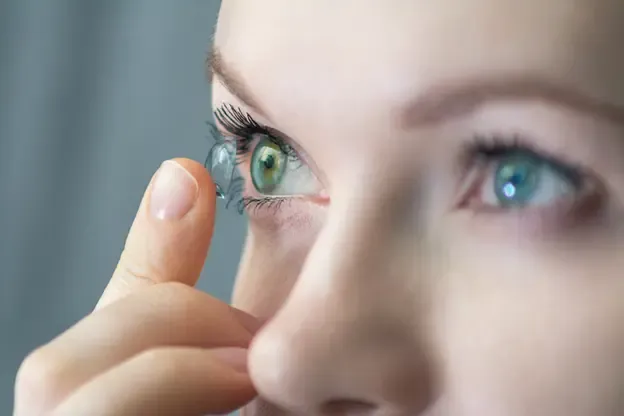
Sometimes the timing of discomfort provides helpful clues. If the uncomfortable lens feels irritating immediately after insertion, the issue may relate to fit or debris under the lens. Occasionally, a lens may be inside-out or have a tiny tear. If removing and reinserting the lens temporarily improves comfort, checking the lens surface for damage or particles can help identify the cause and prevent ongoing irritation.
If the lens feels comfortable at first but becomes irritating later in the day, dryness or deposits may be more likely. Pay attention to whether blinking briefly clears your vision, as that pattern often points to tear film instability.
Also notice if symptoms worsen during screen use, in dry environments, or after long drives. These patterns help your doctor identify the cause more quickly during a contact lens exam and guide the right treatment plan.
Before your appointment, write down a few helpful details. Note which eye is worse, how long it takes before discomfort begins, and whether the problem feels like dryness, scratchiness, or blurry vision. Bring your lens boxes, cleaning solution, and any drops you currently use. If you sleep in lenses or extend the replacement schedule, mention it—those habits can affect one eye more than the other.
During the exam, your optometrist may detect subtle corneal staining, eyelid inflammation, or tear film differences that are difficult to notice on your own. They may trial a different base curve in only one eye, change the lens material, or adjust the replacement schedule. If allergies contribute to irritation, managing itching and rubbing can dramatically improve comfort. You should leave the appointment with a clear plan for the problem eye rather than general suggestions.
When a Different Lens Per Eye Helps
Some patients benefit from wearing slightly different lenses in each eye. One eye may require a different base curve or toric design to maintain better stability. When astigmatism varies between eyes, a lens with stronger rotational control may improve both clarity and comfort for the problem eye, rather than relying on identical lenses that may not suit each eye equally.
In certain cases, your doctor may recommend a different wear schedule temporarily while the eye recovers from dryness or inflammation. If the prescription is complex or the cornea has irregularities, specialty contact lenses can provide more precise optics and a healthier fit. The goal is balanced comfort in both eyes rather than forcing identical lenses to perform equally when the eyes themselves are different, ensuring clearer, more stable, and comfortable vision throughout the day.
Lid and Dry Eye Factors to Treat
If eyelid inflammation or poor oil gland function is present, contact lenses often feel worse regardless of the lens brand. Treating the eyelids improves tear stability and reduces debris that can accumulate on lenses. Simple habits like warm compresses and proper lid hygiene can make a noticeable difference in daily comfort.
Your doctor may also recommend preservative-free artificial tears, allergy management, or changing lens materials to reduce friction from dryness. Screen habits matter as well. Reduced blinking during computer work increases tear evaporation and can make one eye feel significantly drier than the other.
If eyelid inflammation or poor oil gland function is present, contact lenses often feel worse regardless of the lens brand. Treating the eyelids improves tear stability and reduces debris that can accumulate on lenses. Simple habits like warm compresses and proper lid hygiene can make a noticeable difference in daily comfort.
Your doctor may also recommend preservative-free artificial tears, allergy management, or changing lens materials to reduce friction from dryness. Screen habits matter as well. Reduced blinking during computer work increases tear evaporation and can make one eye feel significantly drier than the other.
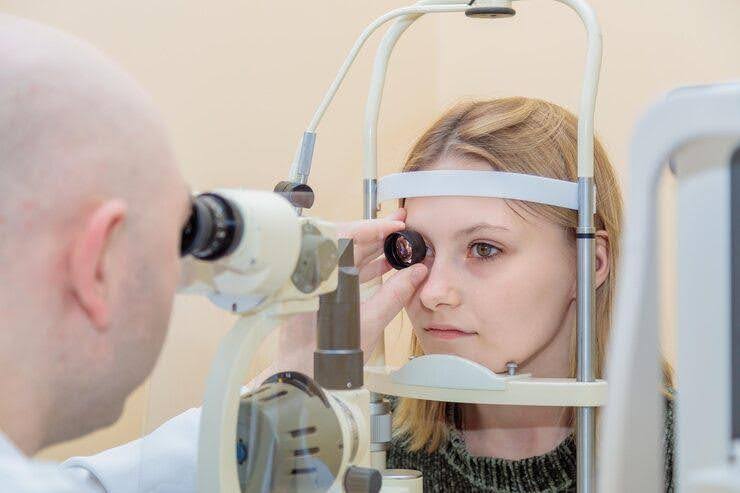
Once the tear film becomes more stable, the issue of one contact lens feels uncomfortable often improves quickly. Addressing dryness early also improves the accuracy of prescriptions and lens fitting.
Correcting the “One Bad Lens” Problem
After your evaluation, the treatment plan should match the specific cause. If lens fit is the main issue, a base curve adjustment or a different toric design may stabilize the lens and eliminate constant awareness. If tear film imbalance is responsible, improving oil gland function and using appropriate lubricating drops can restore comfort without changing the prescription significantly.
Deposits are another possibility when one eye consistently feels gritty. Adjusting the cleaning system or switching to a shorter replacement schedule may prevent buildup that irritates the lens surface. Some patients also benefit from daily disposable lenses that stay cleaner throughout the day.
Your optometrist may recommend a short trial period with a new lens design in the problem eye. During this time, track comfort, clarity, and wear time to determine whether the change is successful. For heavy screen users, small workstation adjustments—such as lowering the monitor height or using blink reminders—can support tear stability alongside lens changes.
If symptoms persist despite these changes, specialty contact lenses may provide a more stable optical system, especially for irregular corneas or higher prescriptions. You should also receive clear instructions on when to return for follow-up testing. Increasing redness, pain, light sensitivity, or sudden vision changes are not normal dryness symptoms and should be evaluated promptly. For most patients, however, the “one bad lens” issue is solvable. Treating the problem eye as its own case—with proper fitting, tear film care, and lid management—usually restores balanced comfort and reliable vision.
Questions to Ask at Your Fitting
When discussing your contact lens discomfort, ask whether the issue is related to fit, dryness, deposits, or lens rotation. Understanding the exact cause helps prevent unnecessary trial-and-error with eye drops or switching lens brands without clear guidance. Clear answers allow your optometrist to target the problem more effectively.
You may also ask whether the worse eye should use a different lens type, cleaning solution, or replacement schedule. Sometimes the best solution is adjusting only one eye’s lens design rather than changing both lenses, especially when each eye behaves differently. This targeted approach can improve comfort without overcorrecting the better eye.

When discussing your contact lens discomfort, ask whether the issue is related to fit, dryness, deposits, or lens rotation. Understanding the exact cause helps prevent unnecessary trial-and-error with eye drops or switching lens brands without clear guidance. Clear answers allow your optometrist to target the problem more effectively.
You may also ask whether the worse eye should use a different lens type, cleaning solution, or replacement schedule. Sometimes the best solution is adjusting only one eye’s lens design rather than changing both lenses, especially when each eye behaves differently. This targeted approach can improve comfort without overcorrecting the better eye.
Finally, ask what improvement should feel like and when to schedule a follow-up visit. A structured recheck allows your doctor to confirm that comfort and clarity are improving after changes made during your contact lens exam and ensures the treatment is working as expected.
Your Next Step for Balanced Comfort
If one contact lens feels uncomfortable or one eye is consistently dry or irritated, scheduling a contact lens exam is the best way to determine the difference between your eyes. Bring your lens details, cleaning products, and a short timeline of symptoms. The more clearly you describe when the discomfort occurs, the easier it is for your doctor to pinpoint the cause.
At Kleinwood Vision, your optometrist can evaluate contact lens fit one eye, tear film stability, eyelid health, and prescription differences to create a customized solution. In some cases the fix is simple, while other patients benefit from specialty contact lenses designed for improved comfort and stability. If one eye has been making contact lens wear frustrating, Contact us to schedule an appointment and restore balanced, comfortable vision throughout your day.
Contact Info
Hours of Operation
Mon - Fri | 9:00 AM - 5:00 PM
Sat - Sun | Closed
Holiday Hours: We are closed for the following holidays: New Years Day, Memorial Day, Independence Day, Labor Day, Thanksgiving Day, Christmas Day
The information provided on this website is for general informational purposes only and does not constitute professional medical advice, diagnosis, or treatment. Always seek the guidance of a licensed eye care professional or qualified health provider with any questions you may have regarding a medical condition or vision concern. Results from eye care services may vary by individual.
© 2026 Kleinwood Vision. All rights Reserved.