
Comprehensive Eye Exams
Why Night Driving Gets Harder

FSDAVCFEBFEVSDDVFSD

FSDAVCFEBFEVSDDVFSD

FSDAVCFEBFEVSDDVFSD
Why Night Driving Feels Different
Many adults notice driving after dark becomes more stressful before they can explain why. Headlights appear harsher, road signs may take longer to sharpen, and rain reflections feel more overwhelming than they once did. Even when daytime vision feels acceptable, nighttime conditions place greater demands on visual system and reduce the eyes’ ability to compensate for small visual problems. night driving harder for many people over time.
Low light increases glare while driving at night and reduces contrast sensitivity. A comprehensive eye exam Houston patients schedule can identify subtle visual issues. A night vision eye exam may reveal prescription changes and glare problems affecting confidence.
Many adults notice driving after dark becomes more stressful before they can explain why. Headlights appear harsher, road signs may take longer to sharpen, and rain reflections feel more overwhelming than they once did. Even when daytime vision feels acceptable, nighttime conditions place greater demands on visual system and reduce the eyes’ ability to compensate for small visual problems. night driving harder for many people over time.
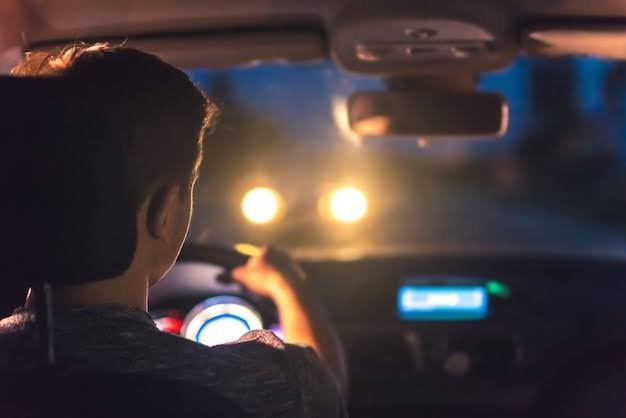
Low light increases glare while driving at night and reduces contrast sensitivity. A comprehensive eye exam Houston patients schedule can identify subtle visual issues. A night vision eye exam may reveal prescription changes and glare problems affecting confidence.
Common Reasons Night Driving Gets Worse
Small prescription changes often become far more noticeable at night than during the day. Mild blur, uncorrected astigmatism, or an outdated glasses prescription may seem manageable in bright lighting, but low-light conditions expose those weaknesses quickly. Patients frequently describe headlights smearing, road signs appearing softer, or lane markings becoming harder to distinguish clearly. Many night driving vision problems are related to prescription changes and glare than dramatic daytime blur.
Dry eye can also play a major role. An unstable tear film creates irregular optics across the eye surface, which can increase halos, glare, and fluctuating clarity after dark. Many drivers blink less while concentrating on the road, allowing dryness to worsen during longer nighttime drives. This is why some patients feel especially uncomfortable driving at night if they do not realize they may need dry eye treatment or ocular surface evaluation.
Eye health factors matter. Early lens changes, retinal conditions, or visual system problems can reduce contrast quality and increase visual workload under low-light conditions. A comprehensive eye exam Houston perform determine worsening night-driving confidence is linked to simple optical issues, dry eye treatment needs, or underlying eye health concerns requiring monitoring and care planning.
Signs the Problem Needs Evaluation
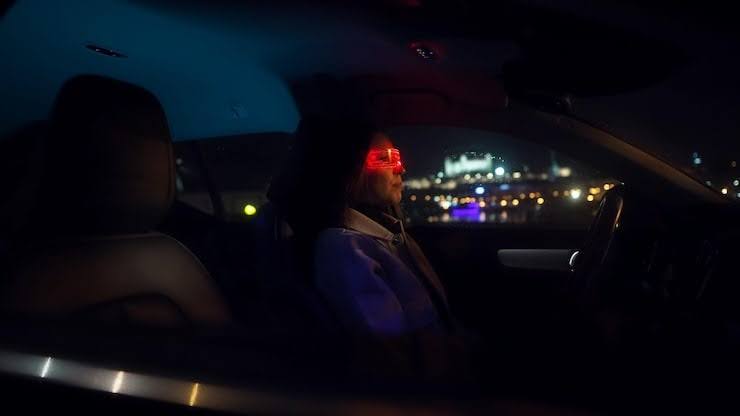
If you find yourself avoiding night driving more often, feeling unusually tense behind the wheel after dark, or struggling with glare while driving at night, those changes deserve attention. Other warning signs include halos around headlights, difficulty judging road edges, delayed focus on signs, or feeling that rain and reflections create much more stress than they used to during normal nighttime driving conditions.
These symptoms do not always point toward the same cause, which is why a proper evaluation matters.
For some patients, updated correction significantly improves night driving vision problems. Others may need dry eye treatment, ocular surface care, or additional testing through a night vision eye exam. A comprehensive eye exam Houston patients receive helps separate minor optical issues from more significant eye health factors affecting nighttime visual performance and comfort overall evaluation and monitoring are important here.
Patients often delay mentioning nighttime difficulties because they assume these changes are simply part of aging. While some changes are common, they should not automatically be ignored or dismissed. Even if you can technically still drive safely, worsening glare, reduced confidence, or increased visual stress can provide important clues about how your eyes are functioning under more demanding conditions. These signs often build gradually and may be easy to overlook until night driving becomes consistently uncomfortable or tiring over time.
It helps to notice exactly what feels hardest. Some people mainly struggle with glare while driving at night, while others notice blur, low-light confidence problems, or slower sign recognition. Also pay attention to whether symptoms worsen after long screen days, when the eyes already feel dry, or when one eye seems noticeably worse than the other. Those details help identify the source of the problem more accurately during evaluation and guide appropriate next steps for care.
Why Daytime Vision Still Seems Fine
One reason patients become confused is that daytime vision may continue feeling perfectly normal even while nighttime performance declines. Bright lighting and stronger contrast allow the visual system to compensate for subtle prescription errors or mild ocular surface problems much more effectively during daytime conditions.
That is why someone may say they “see perfectly fine” while still experiencing serious night driving vision problems, often leading to confusion during daily activities. The issue is not always poor vision in general, rather than overall vision loss alone. Instead, nighttime conditions reveal weaknesses that daytime lighting hides, especially in low light environments. A comprehensive eye exam Houston providers perform can explain that difference and determine whether prescription changes and glare, dryness, or another visual factor are contributing to reduced nighttime comfort and safety, improving safety and driving confidence at night when driving conditions.
Why Night Vision Changes Matter
Night-driving difficulties affect more than convenience. Reduced clarity, delayed reaction time, and increased glare while driving at night can impact confidence, comfort, and overall road safety during stressful visual conditions after dark each evening for many drivers today.
These symptoms are also often measurable and treatable. Updated correction, dry eye treatment, or additional evaluation may improve nighttime comfort more than patients expect once the underlying visual cause has been identified accurately through proper testing in real world practice.
Night-driving difficulties affect more than convenience. Reduced clarity, delayed reaction time, and increased glare while driving at night can impact confidence, comfort, and overall road safety during stressful visual conditions after dark each evening for many drivers today.
These symptoms are also often measurable and treatable. Updated correction, dry eye treatment, or additional evaluation may improve nighttime comfort more than patients expect once the underlying visual cause has been identified accurately through proper testing in real world practice.
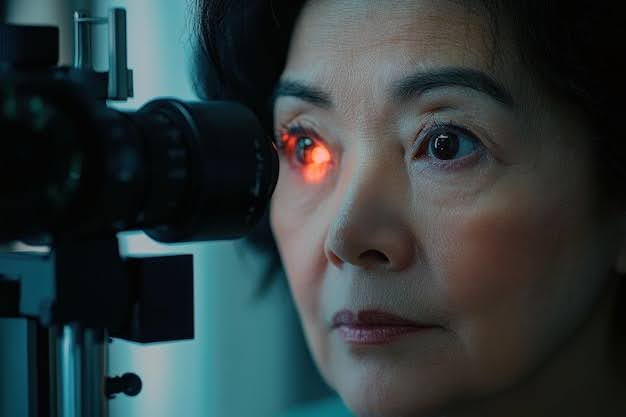
The key is not to dismiss worsening nighttime symptoms as something vague or unavoidable. If night driving is becoming harder, there is usually a reason worth evaluating so the correct solution can be identified before the problem worsens further over time significantly with timely clinical care.
Why Early Testing Improves Driving Confidence
Night driving becomes harder because low-light environments place far greater stress on the visual system. Reduced contrast, bright headlights, rain reflections, and glare can expose problems that remain hidden during daytime conditions. Even mild prescription drift, dry eye symptoms, or early eye health changes may suddenly feel much more significant once the sun goes down. Many patients first notice the effect emotionally through reduced confidence before they fully recognize the visual reason behind it. This is especially common in older adults and frequent night commuters today.
A night vision eye exam can help identify whether the issue is primarily optical, surface-related, or connected to another eye health concern. Some patients simply need updated correction because prescription changes and glare are reducing nighttime clarity more than expected. Others may benefit from dry eye treatment when tear-film instability is increasing halos, fluctuating vision, and glare while driving at night. Identifying the actual cause allows treatment to stay focused and practical. Regular follow-up ensures that treatment adjustments remain accurate and effective over time.
Patients often feel relieved once they understand that nighttime discomfort is not simply “bad driving” or something they must tolerate indefinitely. Many night driving vision problems improve significantly once the right factor is identified and addressed properly through examination and follow-up care. Support and reassurance improve patient confidence overall.
Whether the answer involves updated glasses, monitoring, or additional treatment, early evaluation supports safer driving, stronger confidence, and more comfortable nighttime visual performance long term for adults regularly driving after dark. This proactive approach helps prevent long-term visual strain and accidents.
Questions to Ask About Night Driving
Ask whether your symptoms sound more related to prescription changes and glare, dry eye treatment needs, or another underlying eye health concern. That helps keep the discussion focused on the most likely causes instead of treating all night driving vision problems the same way during evaluation.
It is also helpful to ask whether your current glasses are still appropriate for nighttime conditions. Even subtle prescription shifts can increase glare while driving at night and reduce clarity much more dramatically after dark than patients often expect during daytime use.
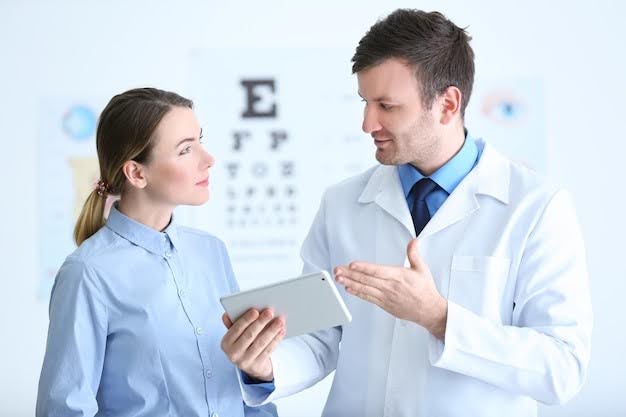
Ask whether your symptoms sound more related to prescription changes and glare, dry eye treatment needs, or another underlying eye health concern. That helps keep the discussion focused on the most likely causes instead of treating all night driving vision problems the same way during evaluation.
It is also helpful to ask whether your current glasses are still appropriate for nighttime conditions. Even subtle prescription shifts can increase glare while driving at night and reduce clarity much more dramatically after dark than patients often expect during daytime use.
Finally, ask whether additional testing is recommended if symptoms are worsening quickly or if nighttime confidence has declined significantly. A comprehensive eye exam Houston patients receive should provide clear guidance about whether the issue appears routine, manageable, or something requiring closer monitoring moving forward safely. This ensures safer long-term driving outcomes for patients overall and comfort improvement.
Your Next Steps Before Your Visit
Before your appointment, think carefully about what part of night driving feels most difficult. Note whether the main issue involves glare, halos, blurred signs, delayed focus, low-light confidence, or one eye seeming worse than the other. Bring your current glasses and mention whether symptoms worsen after long workdays, extended screen use, or when your eyes already feel dry and fatigued before driving.
If night driving has become more stressful or uncomfortable, Kleinwood Vision can provide a comprehensive eye exam Houston patients trust to evaluate prescription accuracy, ocular surface health, and overall visual function. Whether you need updated correction, dry eye treatment, monitoring, or additional testing, understanding why night driving is harder can help improve both safety and confidence. Ready to protect your nighttime vision and comfort? Contact us to schedule your evaluation today.
Contact Info
Hours of Operation
Mon - Fri | 9:00 AM - 5:00 PM
Sat - Sun | Closed
Holiday Hours: We are closed for the following holidays: New Years Day, Memorial Day, Independence Day, Labor Day, Thanksgiving Day, Christmas Day
The information provided on this website is for general informational purposes only and does not constitute professional medical advice, diagnosis, or treatment. Always seek the guidance of a licensed eye care professional or qualified health provider with any questions you may have regarding a medical condition or vision concern. Results from eye care services may vary by individual.
© 2026 Kleinwood Vision. All rights Reserved.