
Myopia Management
Kids Squinting at Distance and Myopia

FSDAVCFEBFEVSDDVFSD
FSDAVCFEBFEVSDDVFSD

FSDAVCFEBFEVSDDVFSD
Why Squinting Happens in Kids
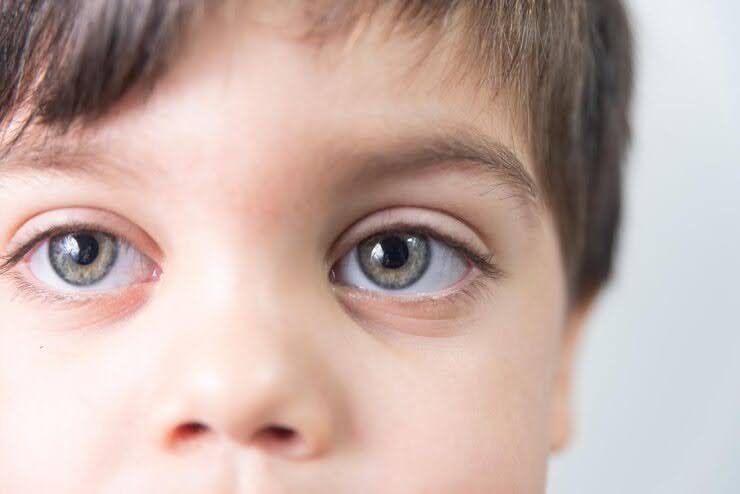
Squinting is one of the most common ways children try to make blurry distance vision clearer. Narrowing the eyelids reduces scattered light, making objects appear slightly sharper. A child may not notice the habit, but parents often spot it during daily activities like watching TV or reading signs. This behavior is often described as kids squint at distance.
Because squinting can briefly improve clarity, it may seem minor at first. However, repeated distance squinting can signal difficulty focusing on far-away objects. A pediatric eye exam Houston families trust can help identify myopia, astigmatism, or other vision issues early instead of guessing or waiting.
Squinting is one of the most common ways children try to make blurry distance vision clearer. Narrowing the eyelids reduces scattered light, making objects appear slightly sharper. A child may not notice the habit, but parents often spot it during daily activities like watching TV or reading signs. This behavior is often described as kids squint at distance.
Because squinting can briefly improve clarity, it may seem minor at first. However, repeated distance squinting can signal difficulty focusing on far-away objects. A pediatric eye exam Houston families trust can help identify myopia, astigmatism, or other vision issues early instead of guessing or waiting.
When Squinting May Signal Early Myopia
Myopia, or nearsightedness, makes distant objects appear blurry while near tasks remain clearer. Children with early sign of myopia may still read, color, and use tablets without obvious trouble, which is why the first visible clue often appears during distance activities instead. A child squinting to see far away may pause to make out road signs, move closer to the television, or struggle to see the board in class.
Parents sometimes assume a child would complain if vision were blurry, but many children think everyone sees the world the same way they do. They may not have the words to explain that faces across the playground look soft or that signs take effort to read. Instead, they adapt through behaviors like squinting, head tilting, or sitting closer.
Frequent squinting deserves more attention when it happens in repeated situations rather than once in a while. If the behavior shows up at school, in the car, during sports, or at home, a comprehensive eye exam Houston providers offer can help confirm whether early myopia is present. Catching it early allows for proper monitoring and a possible myopia management evaluation if needed.
Other Signs Parents May Notice
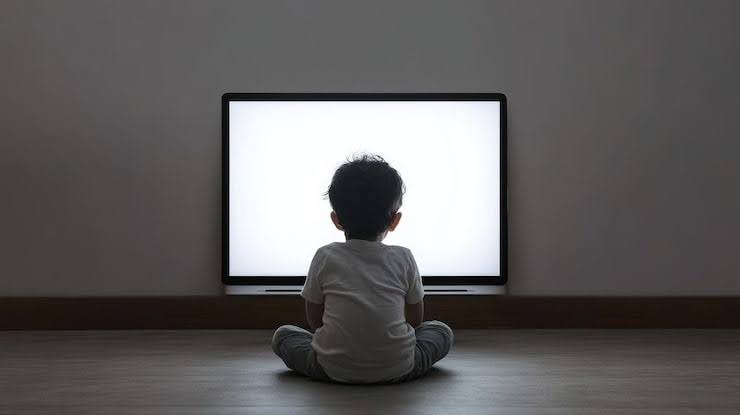
Squinting rarely appears alone. Parents may notice a child sitting close to the TV, holding books or tablets very near the face, blinking frequently when looking at distant objects, or losing interest in activities that require distance vision. These are common myopia warning signs in kids that often develop slowly and may go unnoticed at first.
A child with early myopia may also seem inattentive in classroom situations that depend on clear distance vision.Teachers might report difficulty seeing the board, following demonstrations, or recognizing objects across the room.
These signs do not confirm myopia, but they do suggest the need for a pediatric eye exam Houston visit. Early evaluation can identify whether the problem is a simple prescription change or part of a developing vision condition, helping support better learning, comfort, and long-term eye health.
Parents can make the exam more useful by paying attention to where and when squinting happens most often. It helps to notice whether the child squints mainly during TV time, while riding in the car, at sports practice, or when looking at classroom materials from a distance. Even small details can help connect behavior to visual demand. These observations also make it easier to explain concerns like kids squint at distance in real-life situation.
Bring any school feedback, current glasses if the child already has them, and a short list of what you have observed at home. The goal is not to diagnose the problem before the visit but to provide enough real-world context for the exam findings to make sense. Patterns across different settings often tell the doctor more than one isolated complaint. This information helps guide a clearer and more accurate pediatric eye exam outcome.
How Eye Doctors Confirm the Cause
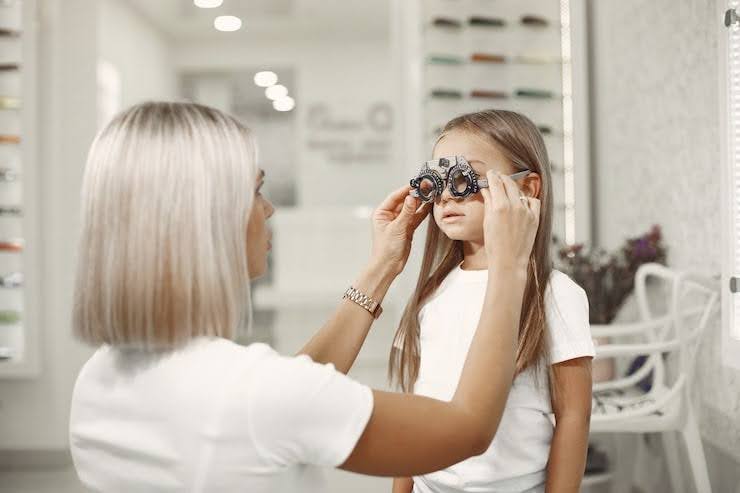
A pediatric eye exam looks beyond the squinting itself and measures what the child is actually seeing at distance and near. Depending on age, your optometrist may use picture charts, symbol matching, refraction, and other child-friendly methods to estimate whether blur is present and how strong the prescription may be. The exam also checks whether both eyes are working together and whether another focusing issue could be involved.
If myopia is confirmed, the doctor can explain whether glasses are needed now and how closely the child should be monitored over time. This often includes discussing whether a myopia management evaluation may become important if the prescription begins changing more quickly. Early detection supports better long-term planning and clearer day-to-day vision.
When Parents Should Not Wait
If squinting is becoming frequent, especially in more than one setting, it is worth scheduling an exam rather than waiting to see if the habit fades. Repeated distance blur is not something children reliably outgrow without understanding the cause.
This is especially true if squinting is paired with sitting closer to screens, trouble in class, or complaints of headaches after visual tasks. A cluster of signs usually deserves measurement instead of guesswork.
If squinting is becoming frequent, especially in more than one setting, it is worth scheduling an exam rather than waiting to see if the habit fades. Repeated distance blur is not something children reliably outgrow without understanding the cause.
This is especially true if squinting is paired with sitting closer to screens, trouble in class, or complaints of headaches after visual tasks. A cluster of signs usually deserves measurement instead of guesswork.
Early testing makes later decisions easier. Even if the child only needs observation at first, having a clear baseline helps families respond more confidently if the behavior continues or the prescription changes later. Regular monitoring ensures timely updates to vision care plans and supports better long term academic and visual outcomes overall health.
How Early Detection Helps Long-Term Vision
Parents often feel relieved once they understand that squinting is not just a random habit but a useful visual clue. It does not prove myopia by itself, but it often points to distance blur that deserves a closer look. When children are young, behavior becomes part of the history because they may not explain vision problems directly.
That is why it helps to respond early instead of waiting for school performance or daily confidence to suffer. If myopia is present, families can begin with clearer correction and structured follow-up. If it is not, the exam still identifies whether another issue is creating similar symptoms.
Either way, having an explanation replaces uncertainty with a plan. Parents can move forward knowing whether they are monitoring a pattern, correcting a prescription, or preparing for long-term vision care. Early clarity often leads to better outcomes and less stress for both the child and family.
Overall, noticing squinting early and treating it as a meaningful sign rather than a harmless habit can change how quickly children receive support. Regular eye exams help confirm whether myopia is developing or if another condition is affecting clarity. With timely assessment, families can avoid prolonged distance blur and reduce strain during reading or screen use. A structured approach also makes it easier to track changes over time and adjust care when needed. This reduces uncertainty, supports better academic comfort, and ensures that visual development is guided with consistent professional input throughout childhood and adolescence in everyday learning school settings.
Questions Parents Should Ask Early
Parents should ask whether the squinting pattern sounds consistent with early myopia or whether another vision issue could be causing the same behavior. That helps guide the direction of the exam and next steps in a more focused way. Understanding this distinction prevents confusion and ensures the evaluation is targeted rather than general.
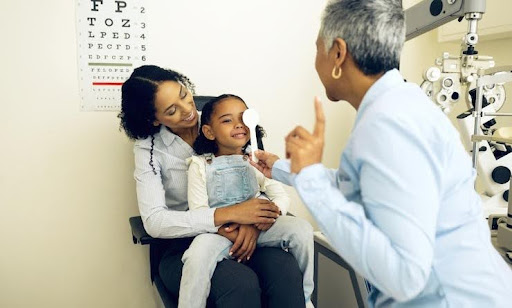
Parents should ask whether the squinting pattern sounds consistent with early myopia or whether another vision issue could be causing the same behavior. That helps guide the direction of the exam and next steps in a more focused way. Understanding this distinction prevents confusion and ensures the evaluation is targeted rather than general.
It is also helpful to ask how confident the doctor is in the child’s current measurements and how soon follow-up should happen if the prescription is mild.Timing matters when symptoms are present but progression is uncertain, especially in growing children where vision can change quickly over short periods
It is also helpful to ask how confident the doctor is in the child’s current measurements and how soon follow-up should happen if the prescription is mild. Timing matters when symptoms are present but progression is uncertain, especially in growing children where vision can change quickly over short periods.
Finally, ask what additional myopia warning signs in kids should prompt a recheck. Knowing what to watch for helps parents respond appropriately without overreacting to every small change. It also supports early detection and more consistent vision care decisions over time.
Your Next Steps Before the Visit
If your child is squinting at far-away objects, schedule a comprehensive eye exam Houston visit that includes distance testing, prescription measurement, and discussion of daily visual habits. Bring any feedback from teachers, your child’s current glasses if they have them, and a short list of other signs you have noticed. These details help connect behavior with actual visual needs and allow the clinician to understand patterns more accurately during evaluation and testing.
If early myopia is present, Kleinwood Vision can guide you through what the findings mean and whether a myopia management evaluation is appropriate. A clear diagnosis makes it easier to decide the next step and plan ongoing care with confidence. If you have ongoing concerns, Contact us to schedule an appointment and ensure your child’s vision is supporting both learning and everyday confidence in school, reading, and screen use.
Contact Info
Hours of Operation
Mon - Fri | 9:00 AM - 5:00 PM
Sat - Sun | Closed
Holiday Hours: We are closed for the following holidays: New Years Day, Memorial Day, Independence Day, Labor Day, Thanksgiving Day, Christmas Day
The information provided on this website is for general informational purposes only and does not constitute professional medical advice, diagnosis, or treatment. Always seek the guidance of a licensed eye care professional or qualified health provider with any questions you may have regarding a medical condition or vision concern. Results from eye care services may vary by individual.
© 2026 Kleinwood Vision. All rights Reserved.