
NeuroLens
Headaches After Screen Time and NeuroLens

FSDAVCFEBFEVSDDVFSD
FSDAVCFEBFEVSDDVFSD

FSDAVCFEBFEVSDDVFSD
Why Screens Trigger Headaches So Often
Screens place continuous demand on the visual system. Reading, computer work, video meetings, and phone use require the eyes to maintain focus and alignment at close range for extended periods of time. Even with an updated prescription, this constant near effort can contribute to headaches after screen time, especially when blinking decreases and eye muscles stay engaged for hours without much rest.
Many assume headaches come from stress or workdays, while fatigue and near work indicate visual issues often present. Screen time headaches eyes experience regularly can be linked to hidden binocular strain or subtle alignment problems causing eyes to work harder during prolonged tasks.
Screens place continuous demand on the visual system. Reading, computer work, video meetings, and phone use require the eyes to maintain focus and alignment at close range for extended periods of time. Even with an updated prescription, this constant near effort can contribute to headaches after screen time, especially when blinking decreases and eye muscles stay engaged for hours without much rest.

Many assume headaches come from stress or workdays, while fatigue and near work indicate visual issues often present. Screen time headaches eyes experience regularly can be linked to hidden binocular strain or subtle alignment problems causing eyes to work harder during prolonged tasks.
How Eye Misalignment Can Add to the Problem
Small amounts of eye misalignment are not always noticeable during casual daily activities, but extended screen use can make them significant. When the eyes are not working together comfortably, the brain and eye muscles constantly compensate to maintain single, clear vision. Over time, that extra effort can create pressure around the eyes, forehead headaches, temple discomfort, and increased eye strain from screens.
This is why some patients feel frustrated after trying common fixes without relief. Adjusting monitor brightness, buying blue-light glasses, improving posture, or taking breaks may help somewhat, but those strategies do not directly address binocular strain if eye coordination is part of the problem. Issue may not simply be “too much screen time.” It may be that screens expose an underlying visual inefficiency that becomes harder to tolerate throughout the day.
A NeuroLens eye exam Houston patients trust can help determine whether measurable eye misalignment and headaches are connected. Specialized screening evaluates how the eyes work together during near tasks and whether prism support may reduce strain. If NeuroLens is appropriate, the lenses may help ease visual effort during reading, computer use, and digital work, leading to better comfort and fewer recurring headaches after screen time.
Symptoms That Deserve More Attention
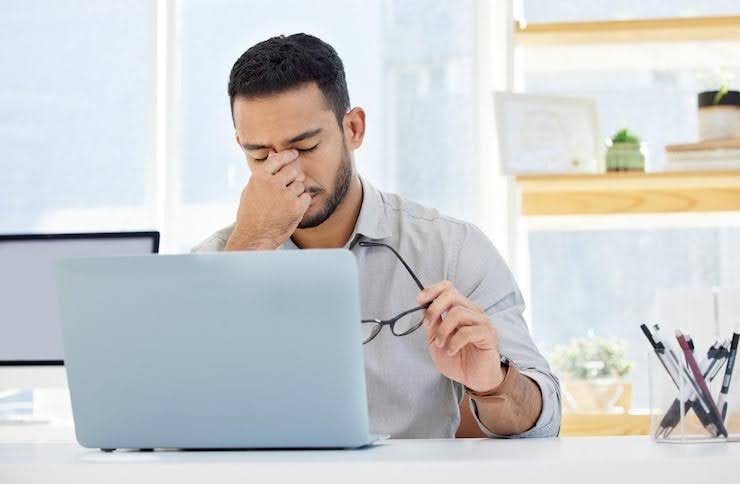
Screen-related headaches deserve closer evaluation when they happen consistently and follow a predictable pattern. Symptoms such as pressure behind the eyes, soreness around the temples, neck tension, difficulty focusing during reading, or discomfort that worsens late in the day may suggest the problem is more than ordinary fatigue. Some people also notice that words seem harder to track or that concentration drops significantly during extended screen use.
These symptoms do not automatically mean NeuroLens is necessary, but they do suggest the eyes may be working harder than they should.
A NeuroLens eye exam Houston evaluation helps determine whether binocular strain, dryness, prescription changes, or another visual factor is contributing to the discomfort. Identifying the actual cause is important because treatment becomes much more effective when it targets the specific source of the problem instead of relying on guesswork.
Patients often ignore screen-related headaches because they assume everyone experiences the same discomfort after long workdays. However, there is a difference between occasional tiredness and a repeated symptom pattern closely tied to visual tasks. Paying attention to when headaches start, where the discomfort develops, and whether symptoms improve after stepping away from screens provides valuable information for the exam process.
It is also useful to notice whether reading feels harder than distance viewing or whether the eyes feel heavy, pressured, or strained before the headache fully develops. Patients who experience consistent screen time headaches eyes symptoms often benefit from tracking these patterns before their appointment. The more detailed the history, the easier it becomes to identify whether the cause is related to eye coordination, dryness, prescription issues, or another visual problem requiring targeted treatment. Keeping a simple daily log of symptoms and screen habits can further support accurate diagnosis and more effective treatment planning during the eye examination process support.
When NeuroLens Is Worth Asking About
NeuroLens is worth asking about when headaches occur regularly during screen use, reading, or other prolonged near tasks and common solutions have not provided enough relief. Patients who have already updated prescriptions, adjusted workstation setup, or improved screen habits without major improvement may benefit from screening for binocular misalignment. The goal is not to assume NeuroLens is automatically necessary but to determine whether it matches the symptom pattern.
A NeuroLens discussion becomes especially reasonable when headaches are accompanied by eye pressure, visual fatigue, neck tension, trouble shifting focus, or difficulty maintaining comfortable reading for long periods. If testing shows that eye misalignment and headaches are connected, NeuroLens lenses may provide more targeted support than ordinary prescription lenses. Even when NeuroLens is not the right solution, the evaluation still helps narrow down the cause and guide more effective next steps.
Why Generic Screen Advice Falls Short
General screen advice such as taking breaks, improving lighting, or adjusting posture can certainly help reduce discomfort. However, those strategies do not fully address every type of visual headache. When binocular strain is involved, patients may continue experiencing symptoms even after following common recommendations carefully.
This is why many adults become frustrated after trying multiple self-help solutions with only temporary improvement. The issue may not be poor habits alone. Instead the visual system may be under excessive strain during near work as eyes compensate for subtle alignment problems throughout the day.
General screen advice such as taking breaks, improving lighting, or adjusting posture can certainly help reduce discomfort. However, those strategies do not fully address every type of visual headache. When binocular strain is involved, patients may continue experiencing symptoms even after following common recommendations carefully.
This is why many adults become frustrated after trying multiple self-help solutions with only temporary improvement. The issue may not be poor habits alone. Instead the visual system may be under excessive strain during near work as eyes compensate for subtle alignment problems throughout the day.

A more detailed evaluation helps move beyond generic advice and toward a targeted explanation. Depending on the findings next step may involve NeuroLens, dry eye treatment, prescription updates, or another targeted approach for headaches relief.
Why Early Evaluation Can Prevent Ongoing Strain
Persistent headaches after screen use should not simply be accepted as a normal part of modern work life. When symptoms continue for months without explanation, patients often adapt by limiting screen time, reducing productivity, or relying heavily on pain relief strategies without understanding the actual cause.
Early evaluation helps identify whether the discomfort is connected to visual strain, dryness, focusing problems, or binocular alignment issues before the symptoms become more disruptive. Addressing the source earlier often leads to better long-term comfort and can reduce the daily stress associated with repeated headaches and visual fatigue.
Comprehensive Eye Exams become especially important when symptoms interfere with work performance, reading endurance, or overall quality of life. Understanding whether NeuroLens worth asking about applies in your specific case allows treatment decisions to become more focused, practical, and effective instead of relying entirely on temporary coping strategies.
Headaches after screen time are common, but they should not always be dismissed as unavoidable. Repeated discomfort linked to reading, computer work, or phone use often indicates the visual system is under more stress than expected. For some people, dryness or posture may be the primary issue. For others, the eyes are struggling to stay aligned comfortably during prolonged near tasks, creating ongoing eye strain from screens and fatigue.
This distinction matters because treatment depends on the real source of symptoms. Patients experiencing eye strain from screens may spend years trying adjustments without realizing it involves binocular coordination rather than simple overwork. NeuroLens screening can identify alignment issues; evaluation clarifies causes and guides effective treatment options clearly helps.
Questions to Ask During the Exam
Ask whether your headache pattern sounds more related to general screen fatigue, dry eye, prescription strain, or binocular alignment issues. This helps guide the conversation toward the most likely explanation rather than assuming all screen-related headaches have the same cause.
It is also helpful to ask whether NeuroLens screening makes sense for your symptoms and what findings would suggest that eye coordination is contributing to the discomfort. Understanding why testing is recommended makes the evaluation process feel more practical and personalized.

Ask whether your headache pattern sounds more related to general screen fatigue, dry eye, prescription strain, or binocular alignment issues. This helps guide the conversation toward the most likely explanation rather than assuming all screen-related headaches have the same cause.
It is also helpful to ask whether NeuroLens screening makes sense for your symptoms and what findings would suggest that eye coordination is contributing to the discomfort. Understanding why testing is recommended makes the evaluation process feel more practical and personalized.
Finally, ask what other conditions should be ruled out before deciding on treatment. A thorough explanation often makes patients feel more confident whether NeuroLens, dry eye treatment, prescription updates, or another approach is the most appropriate next step for improving comfort and reducing headaches after screen time. This clarity supports better decision making and more effective long term relief strategies for patients overall care plan.
Your Next Steps Before Your Visit
Before your appointment, keep track of when headaches begin, where they are felt, how long screen use usually takes to trigger symptoms, and whether discomfort improves after stepping away from near work. Bring your current glasses and note whether reading, computers, or phone use feel different from distance activities. These details help your optometrist determine whether the pattern appears more visual than general.
If headaches after screen time are frequent or disruptive, Kleinwood Vision can evaluate prescription needs, eye alignment, and ocular surface health to determine whether NeuroLens worth asking about applies in your case. A targeted evaluation helps identify the source and guide a plan for clearer daily vision. If ready to explore persistent screen-related headaches, Contact us to schedule your visit and learn whether NeuroLens or another approach may improve comfort and support long-term visual relief goals effectively.
Contact Info
Hours of Operation
Mon - Fri | 9:00 AM - 5:00 PM
Sat - Sun | Closed
Holiday Hours: We are closed for the following holidays: New Years Day, Memorial Day, Independence Day, Labor Day, Thanksgiving Day, Christmas Day
The information provided on this website is for general informational purposes only and does not constitute professional medical advice, diagnosis, or treatment. Always seek the guidance of a licensed eye care professional or qualified health provider with any questions you may have regarding a medical condition or vision concern. Results from eye care services may vary by individual.
© 2026 Kleinwood Vision. All rights Reserved.