
Eye Health
Why Eye Pressure Readings Change

FSDAVCFEBFEVSDDVFSD
FSDAVCFEBFEVSDDVFSD

FSDAVCFEBFEVSDDVFSD
Eye Pressure Is Not Fixed
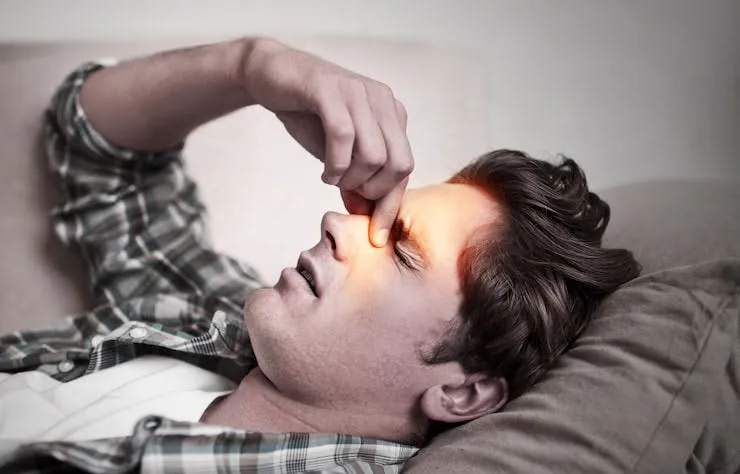
Intraocular pressure naturally changes throughout the day. Hydration levels, stress, sleep position, physical activity, and even blinking can influence measurements. Because of this normal intraocular pressure variation, a single elevated eye pressure test result does not automatically indicate glaucoma or permanent damage.
Doctors focus on patterns rather than isolated numbers. Tracking pressure trends across multiple visits helps identify true risk while avoiding unnecessary worry. Understanding that eye pressure readings fluctuate allows patients to approach glaucoma screening exams with less anxiety and greater confidence. Being aware of these variations helps patients follow monitoring plans carefully and maintain long-term eye health while ensuring accurate evaluation during each eye exam.
Intraocular pressure naturally changes throughout the day. Hydration levels, stress, sleep position, physical activity, and even blinking can influence measurements. Because of this normal intraocular pressure variation, a single elevated eye pressure test result does not automatically indicate glaucoma or permanent damage.
Doctors focus on patterns rather than isolated numbers. Tracking pressure trends across multiple visits helps identify true risk while avoiding unnecessary worry. Understanding that eye pressure readings fluctuate allows patients to approach glaucoma screening exams with less anxiety and greater confidence. Being aware of these variations helps patients follow monitoring plans carefully and maintain long-term eye health while ensuring accurate evaluation during each eye exam.
Factors That Affect Eye Pressure Measurements
Time of day plays a significant role in eye pressure readings. Many people experience higher values in the morning, with pressure gradually decreasing as the day progresses. Stress, dehydration, or poor sleep can also cause temporary elevation during testing. Understanding these natural fluctuations helps patients approach glaucoma screening with realistic expectations and reduces unnecessary concern over single elevated measurements.
Everyday factors may influence results more than patients realize. Excess caffeine, tight collars, leaning forward, or holding your breath during a tonometry test can artificially raise pressure. Relaxed breathing and proper posture help ensure more accurate readings. Patients can take simple steps before their eye exam, such as staying hydrated, avoiding stimulants, and resting adequately, to support reliable measurements of intraocular pressure.
Different devices measure pressure in different ways. Air puff tests, applanation tonometry, and handheld instruments may yield slightly different values. Corneal thickness also affects measurements, which is why pachymetry is often included in a complete glaucoma screening exam. Clinicians interpret eye pressure alongside optic nerve health and visual field results to form a full clinical picture, ensuring accurate assessment of glaucoma risk and overall eye health.
How Glaucoma Tests Are Performed
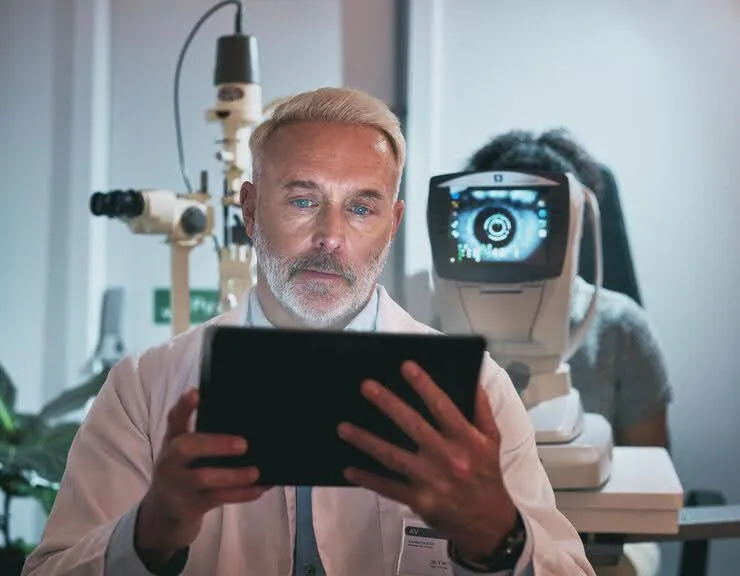
Modern glaucoma testing extends beyond pressure alone. A comprehensive evaluation includes an eye pressure test, optic nerve imaging, and peripheral vision testing. Pressure numbers by themselves do not diagnose glaucoma but serve as one piece of a larger assessment. Combining these tests provides a clearer picture of eye health and helps doctors identify early signs of glaucoma that might otherwise go unnoticed. Understanding that eye pressure is only part of the evaluation helps patients approach screenings with realistic expectations and less anxiety.
Regular testing allows doctors to detect subtle changes before symptoms appear. Early identification supports timely intervention
and helps preserve long-term vision, even when patients feel their eyesight is unchanged.Following recommended testing schedules ensures changes in vision or post-op eye symptoms are monitored carefully. Consistent, comprehensive glaucoma exams help patients maintain eye health, protect vision, and address potential issues before they become serious.
Consistency improves accuracy over time. Using the same testing method, measuring at similar times of day, and tracking results across months provides the most reliable data. Patients who attend scheduled follow-ups give clinicians the information needed to make confident, informed decisions about eye health. Regular monitoring allows doctors to identify patterns and detect subtle changes in intraocular pressure or other post-op eye symptoms, ensuring that care decisions are based on reliable, long-term trends rather than single readings.
Reliable trends reduce uncertainty and help patients feel more confident in their recovery and ongoing eye care. Long-term monitoring distinguishes normal fluctuation from meaningful change, supporting appropriate care without unnecessary alarm. By following consistent testing routines and attending all recommended follow-ups, patients provide clinicians with the tools needed to track eye pressure accurately and address potential issues promptly. This approach ensures better outcomes, protects vision, and reinforces patient confidence throughout the post-operative healing process.
How to Prepare for Testing Day
Preparation plays an important role in accurate results. Avoid excessive caffeine before appointments, breathe normally during testing, and wear loose clothing around the neck. Arriving a few minutes early allows time to relax, which can lower stress-related elevations in eye pressure. Taking these simple steps helps ensure that measurements reflect true intraocular pressure rather than temporary fluctuations caused by everyday factors. Patients who prepare carefully can feel more confident in the reliability of their test results and the overall glaucoma evaluation process.
If you use glaucoma medications, continue them as prescribed unless instructed otherwise. Consistent preparation reduces false elevations and supports reliable glaucoma testing Houston patients depend on for accurate risk assessment. Following these guidelines and attending regular follow-ups allows doctors to monitor trends over time, identify subtle changes early, and make informed decisions that protect long-term eye health and vision.
When Pressure Readings Matter Most
Eye pressure readings matter most when elevations are persistent or increasing over time. Rising pressure combined with optic nerve changes raises concern and often prompts closer monitoring or treatment adjustments. Tracking these trends helps doctors identify patients at higher risk for glaucoma progression.
One high number is rarely decisive on its own. Doctors evaluate trends, symmetry between eyes, and structural findings before making any recommendations. This comprehensive approach ensures that care decisions are based on reliable data rather than isolated readings.
Eye pressure readings matter most when elevations are persistent or increasing over time. Rising pressure combined with optic nerve changes raises concern and often prompts closer monitoring or treatment adjustments. Tracking these trends helps doctors identify patients at higher risk for glaucoma progression.
One high number is rarely decisive on its own. Doctors evaluate trends, symmetry between eyes, and structural findings before making any recommendations. This comprehensive approach ensures that care decisions are based on reliable data rather than isolated readings.
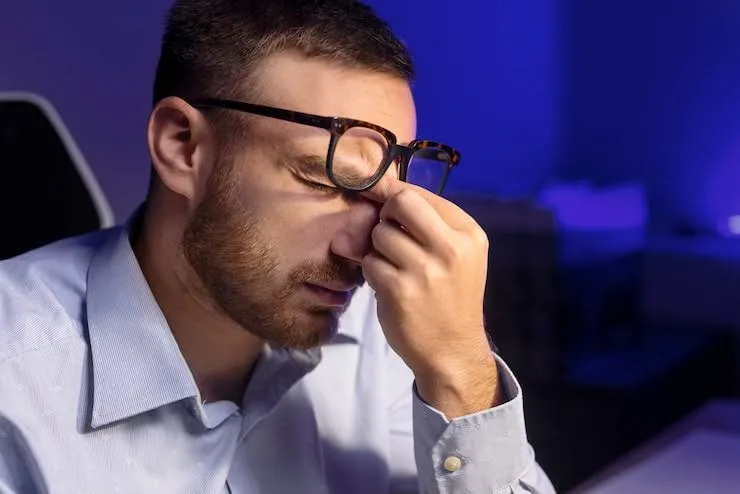
Understanding these thresholds helps patients see why repeat testing is essential and why patience is often part of responsible glaucoma care. Following scheduled follow-ups and monitoring eye pressure trends allows for timely intervention when needed, supports long-term vision preservation, and provides confidence that any changes are being managed carefully.
How to Manage Risk Without Overreaction
Many patients with borderline pressure never develop glaucoma. Clinicians balance caution with restraint to avoid unnecessary treatment while protecting vision. For these patients, observation, imaging, or lifestyle guidance may be recommended before medication is introduced. This approach allows the eye to be monitored carefully, giving doctors time to assess true risk while avoiding the side effects that can accompany early treatment. By focusing on data rather than immediate intervention, clinicians can ensure that each decision is tailored to the patient’s individual needs.
This measured strategy helps prevent overtreatment while maintaining vigilance. Eye pressure, optic nerve imaging, and visual field tests are tracked over time to identify meaningful changes. Decisions are guided by patterns rather than single readings, and care plans are adjusted as trends become clearer. Regular follow-ups and ongoing monitoring provide clinicians with the information needed to make confident recommendations, ensuring that treatment is introduced only when it is truly necessary.
Clear communication is essential to help patients understand why monitoring is sometimes preferred over immediate intervention. Explaining the reasoning behind observation reduces anxiety and builds trust. Patients who understand the rationale behind monitoring are more likely to follow recommendations and feel confident in their care plan.
Trusting the process allows care plans to evolve responsibly and supports long-term eye health without unnecessary stress. Consistent monitoring, adherence to follow-up schedules, and patient engagement all contribute to protecting vision while avoiding unnecessary treatments. This balanced approach ensures that glaucoma risk is managed effectively, promoting optimal outcomes for both eye health and overall peace of mind.
Common Questions Patients Ask About Eye Pressure
Patients often ask what eye pressure numbers are considered normal. The answer varies based on corneal thickness, optic nerve health, and personal risk factors. Eye pressure alone does not define disease, and doctors consider multiple factors before assessing glaucoma risk or recommending treatment. Understanding that numbers are only part of the evaluation helps patients interpret results accurately.
Another common concern is whether pressure always rises with age. While risk may increase over time, not everyone experiences higher eye pressure. Patients also frequently ask about the need for lifelong drops.
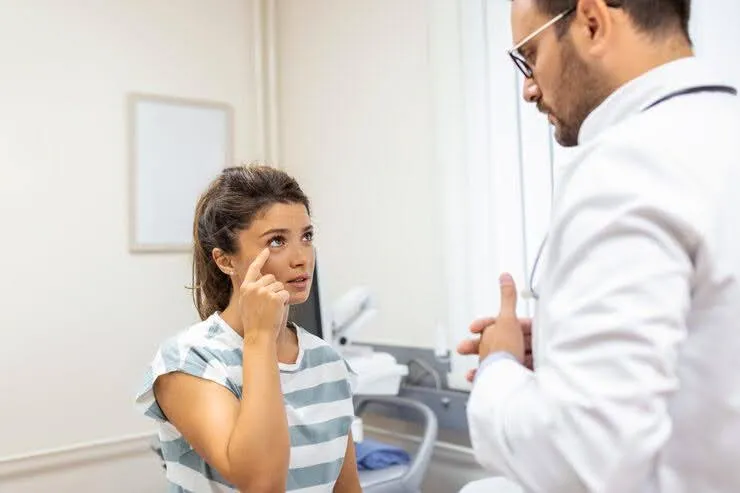
Patients often ask what eye pressure numbers are considered normal. The answer varies based on corneal thickness, optic nerve health, and personal risk factors. Eye pressure alone does not define disease, and doctors consider multiple factors before assessing glaucoma risk or recommending treatment. Understanding that numbers are only part of the evaluation helps patients interpret results accurately.
Another common concern is whether pressure always rises with age. While risk may increase over time, not everyone experiences higher eye pressure. Patients also frequently ask about the need for lifelong drops.
Treatment plans depend on disease progression, eye pressure trends, and optic nerve health rather than a single reading, ensuring care is tailored to each individual.
Personalized explanations help patients stay engaged and informed. Understanding the full picture—including pressure, optic nerve condition, and risk factors—supports confidence in follow-ups and encourages adherence to testing schedules for long-term eye health.
A Complete Plan for Glaucoma Testing
Attend follow-up visits consistently, prepare the same way each time, and focus on trends rather than individual numbers. Reliable data comes from consistency, not perfection. By following a regular testing routine, patients provide clinicians with the information needed to track eye pressure accurately and identify meaningful changes over time. This approach helps reduce unnecessary worry over single readings and supports a clear understanding of glaucoma risk.
Accurate testing combined with calm interpretation works together to protect vision over the long term. If you have concerns about eye pressure or glaucoma risk, schedule a glaucoma screening exam with glaucoma testing Houston patients trust. Ongoing monitoring at Kleinwood Vision ensures informed decisions, timely intervention when needed, and long-term visual health. Staying engaged with regular exams helps patients maintain eye health and feel confident in their care plan.
Contact Info
Hours of Operation
Mon - Fri | 9:00 AM - 5:00 PM
Sat - Sun | Closed
Holiday Hours: We are closed for the following holidays: New Years Day, Memorial Day, Independence Day, Labor Day, Thanksgiving Day, Christmas Day
The information provided on this website is for general informational purposes only and does not constitute professional medical advice, diagnosis, or treatment. Always seek the guidance of a licensed eye care professional or qualified health provider with any questions you may have regarding a medical condition or vision concern. Results from eye care services may vary by individual.
© 2026 Kleinwood Vision. All rights Reserved.