
Specialty Contact Lenses
Why Dry-Eye Treatment Precedes Contact Lenses

FSDAVCFEBFEVSDDVFSD

FSDAVCFEBFEVSDDVFSD

FSDAVCFEBFEVSDDVFSD
Why the Tear Film Comes First
Contact lenses rest directly on the eye’s surface, so their comfort depends on a healthy tear film. When tears are unstable, inflamed, or do not spread evenly, even a well-designed contact lens can feel dry, scratchy, foggy, or uncomfortable. Many patients believe the lens brand is the issue, but the eye surface itself may actually be causing the discomfort.
That is why dry eye treatment before contact lenses is sometimes recommended. While a different lens may help in some cases, an unhealthy tear film can still make the new lens uncomfortable. Treating the eye surface first creates a stronger foundation for successful, comfortable, and long-lasting contact lens wear.
Contact lenses rest directly on the eye’s surface, so their comfort depends on a healthy tear film. When tears are unstable, inflamed, or do not spread evenly, even a well-designed contact lens can feel dry, scratchy, foggy, or uncomfortable. Many patients believe the lens brand is the issue, but the eye surface itself may actually be causing the discomfort.

That is why dry eye treatment before contact lenses is sometimes recommended. While a different lens may help in some cases, an unhealthy tear film can still make the new lens uncomfortable. Treating the eye surface first creates a stronger foundation for successful, comfortable, and long-lasting contact lens wear.
How Dry Eye Affects Contact Lens Wear
Dry eye and contact lenses can affect each other in several ways. A contact lens may feel rough, sticky, or unusually noticeable throughout the day. Some patients experience burning, stinging, redness, watering, or the need to remove their lenses earlier than expected. Others notice cloudy or fluctuating vision that briefly improves after blinking. During comprehensive eye exams, doctors assess the tear film and eye surface to determine whether dry eye is contributing to these symptoms.
The tear film creates a smooth optical surface that helps contact lenses provide clear, stable vision. When tears break up too quickly, the lens surface may dry out, causing vision to become inconsistent. Patients often think their prescription is incorrect because their vision changes throughout the day. In many cases, the prescription is accurate, but the lens is not staying wet and clear enough to perform consistently.
Dry eye can also make lens fitting more difficult to evaluate. Irritation may make it hard to identify whether discomfort is caused by lens design, dryness, inflammation, allergies, or lens care products. Addressing contact lens dryness treatment first helps doctors make more accurate lens decisions while improving long-term comfort and vision.
Signs the Eye Surface Needs Treatment
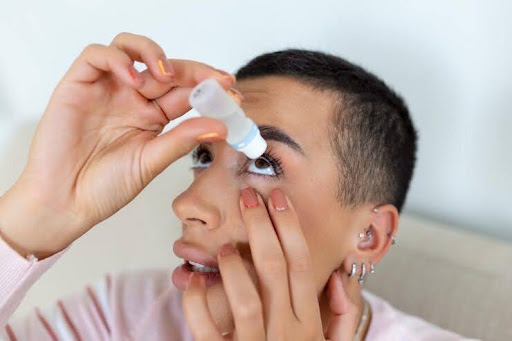
Patients may benefit from dry-eye treatment before changing lenses if they experience burning, grittiness, redness, watering, end-of-day dryness, blurry vision that clears with blinking, or a feeling that their contact lenses stay comfortable for only a short time. These symptoms often point to tear film instability rather than a problem with the contact lens brand. Identifying the underlying cause can improve both comfort and long-term lens performance.
Another clue is persistent discomfort across multiple lens types. If a patient has tried several brands and continues to experience dryness or irritation, the issue may not be the contact lens alone.
The doctor may need to evaluate the tear film, eyelids, oil glands, allergies, inflammation, and lens surface before deciding what should be changed next. This thorough evaluation helps guide the most effective treatment and supports more comfortable, consistent contact lens wear.
Patients sometimes feel disappointed when their doctor recommends dry-eye care instead of immediately switching contact lenses. Many expect to leave with a new lens brand that quickly solves the problem. However, treating dryness first is often the more effective approach because it improves the tear film and the eye surface that every contact lens depends on for comfort and clear vision. Addressing the underlying cause can lead to more consistent, long-lasting results than simply changing lenses.
This does not mean the contact lens will never be changed. Instead, the doctor aims to improve the eye surface so future lens decisions are based on more reliable information. Once dryness, inflammation, or eyelid issues are better controlled, it becomes easier to determine whether the current lens is still appropriate or whether a different material, replacement schedule, lens design, or specialty lens would provide better results. This step-by-step approach helps achieve greater comfort, clearer vision, and more successful long-term contact lens wear.
What Dry-Eye Treatment May Include
The right contact lens dryness treatment depends on the underlying cause of your symptoms. At Kleinwood Vision, the doctor may recommend preservative-free lubricating drops, warm compresses, eyelid hygiene, treatment for eyelid inflammation, allergy management, changes in screen habits, or prescription dry-eye therapy. Some patients may also benefit from adjustments to their lens solution or replacement schedule to improve comfort and support healthier lens wear.
The goal is to create a healthier, more stable eye surface before asking it to support contact lenses for many hours each day. As the tear film improves, lenses may feel smoother, vision may fluctuate less, and comfortable wear time may increase. In many cases, effective contact lens dryness treatment allows patients to continue wearing their current lenses successfully, while providing greater comfort, clearer vision, and better long-term eye health.
When a Lens Change Still Helps
Dry-eye treatment does not mean lens design is unimportant. After improving the eye surface, some patients may still benefit from a different lens material, a daily disposable option, or a specialty lens design. Treating dryness first creates a healthier tear film, helping doctors evaluate lens performance and comfort more accurately.
A lens change may be recommended if the current lens dries quickly, collects deposits, fits poorly, or does not match the patient’s eye shape or tear quality. In these cases, dry-eye treatment and lens changes can work together to improve comfort and vision.
When a Lens Change Still HelpsDry-eye treatment does not mean lens design is unimportant. After improving the eye surface, some patients may still benefit from a different lens material, a daily disposable option, or a specialty lens design. Treating dryness first creates a healthier tear film, helping doctors evaluate lens performance and comfort more accurately.
A lens change may be recommended if the current lens dries quickly, collects deposits, fits poorly, or does not match the patient’s eye shape or tear quality. In these cases, dry-eye treatment and lens changes can work together to improve comfort and vision.
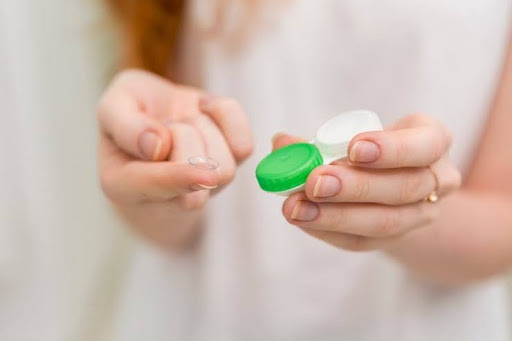
The timing matters because treating dryness first helps identify whether remaining symptoms are truly lens-related. This allows for better decisions and more successful long-term contact lens wear.
Why a Complete Evaluation Often Works Best
Contact lens discomfort dry eye problems often have more than one cause. A patient may experience mild dry eye, long screen hours, seasonal allergies, medication-related dryness, or a lens material that does not provide the best fit for their eyes. If the doctor changes the lens without treating the eye surface, the improvement may be incomplete or temporary. This is why a thorough evaluation is often more effective than simply trying another box of lenses. Understanding the condition of the eye surface helps doctors create a more successful approach for comfortable lens wear.
Dry-eye treatment can also prevent patients from giving up on contact lenses too soon. Many people believe they are no longer able to wear contacts when the real issue may be insufficient tear film support. Once inflammation, dryness, or eyelid gland problems are properly managed, contact lens wear may become much more comfortable. Improving the eye surface can also help patients achieve better results with daily disposable lenses, custom soft lenses, scleral lenses, or other specialty options.
The most important point is that contact lenses do not function independently. They rely on the surface beneath them to stay comfortable, clear, and stable throughout the day. A healthy tear film supports comfort, consistent vision, and safer wear. When patients understand this connection, dry eye treatment before contact lenses feels less like a delay and more like an essential first step toward long-term success. By addressing dryness first, doctors can make more accurate lens recommendations and improve the overall contact lens experience.
Questions to Ask Your Doctor
Ask whether your discomfort is primarily caused by dry eye, lens fit, lens material, allergies, or a combination of factors. Understanding the source of the problem can help explain why a specific treatment plan is recommended and how each step supports better contact lens comfort and clearer vision.
Ask what signs indicate that your tear film is unstable. Understanding the findings from your eye examination can make the treatment process feel more personalized and less like trial and error. It also helps you learn how dryness may affect lens performance and daily wearing comfort.

Ask whether your discomfort is primarily caused by dry eye, lens fit, lens material, allergies, or a combination of factors. Understanding the source of the problem can help explain why a specific treatment plan is recommended and how each step supports better contact lens comfort and clearer vision.
Ask what signs indicate that your tear film is unstable. Understanding the findings from your eye examination can make the treatment process feel more personalized and less like trial and error. It also helps you learn how dryness may affect lens performance and daily wearing comfort.
Finally, ask when contact lens changes will be reconsidered. A clear timeline helps you understand how dry-eye treatment fits into your long-term vision and lens-wear goals while supporting better decisions, improved comfort, and successful contact lens wear. Regular communication with your doctor can also ensure appropriate care and more effective solutions for your ongoing eye health.
Treat the Surface Before Guessing
If your contacts feel dry, blurry, scratchy, or uncomfortable, do not assume that changing brands is the only solution. Schedule a contact lens exam Houston patients can use to evaluate both contact lens performance and eye surface health. Bring your current lenses, solutions, eye drops, and notes about when symptoms occur. These details can help determine whether the eye surface needs attention first and guide the right treatment approach.
Kleinwood Vision provides comprehensive eye exams, contact lens evaluations, and dry eye contact lens care tailored to each patient’s needs. Our team can assess your tear film, eye surface, and lens fit to determine whether dry-eye treatment should come before a lens change. Contact us to learn how a healthier eye surface can lead to more comfortable, stable, and successful contact lens wear with better long-term results.
Contact Info
Hours of Operation
Mon - Fri | 9:00 AM - 5:00 PM
Sat - Sun | Closed
Holiday Hours: We are closed for the following holidays: New Years Day, Memorial Day, Independence Day, Labor Day, Thanksgiving Day, Christmas Day
The information provided on this website is for general informational purposes only and does not constitute professional medical advice, diagnosis, or treatment. Always seek the guidance of a licensed eye care professional or qualified health provider with any questions you may have regarding a medical condition or vision concern. Results from eye care services may vary by individual.
© 2026 Kleinwood Vision. All rights Reserved.