
Specialty Contact Lenses
Why Contacts Suddenly Feel Uncomfortable

FSDAVCFEBFEVSDDVFSD
FSDAVCFEBFEVSDDVFSD

FSDAVCFEBFEVSDDVFSD
Why Comfortable Lenses Can Stop Feeling Good
Many contact lens wearers assume lenses that felt comfortable for years should always feel the same. However, contact lens comfort depends on the balance between the lens, tear film, eyelids, and eye surface. When that balance changes, lenses may suddenly feel dry, irritating, or harder to tolerate during daily wear.
That change does not always mean something serious is wrong, but it often means the system should be evaluated again. A contact lens exam Houston patients schedule can help determine whether contact lenses uncomfortable over time are caused by dry contact lenses, tear-film instability, eyelid irritation, the lens itself, or wear habits affecting comfort overall.
Many contact lens wearers assume lenses that felt comfortable for years should always feel the same. However, contact lens comfort depends on the balance between the lens, tear film, eyelids, and eye surface. When that balance changes, lenses may suddenly feel dry, irritating, or harder to tolerate during daily wear.
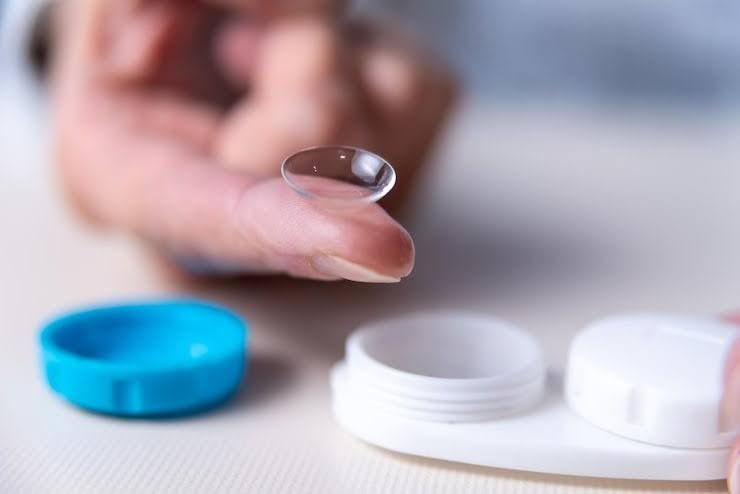
That change does not always mean something serious is wrong, but it often means the system should be evaluated again. A contact lens exam Houston patients schedule can help determine whether contact lenses uncomfortable over time are caused by dry contact lenses, tear-film instability, eyelid irritation, the lens itself, or wear habits affecting comfort overall.
Common Reasons Contact Lens Comfort Changes
One of the most common reasons contact lenses become uncomfortable involves tear-film changes. If the eyes become drier, blinking becomes less complete, or the tear film grows unstable, the lens surface may stop staying comfortably wet throughout the day. This is often more noticeable during long screen sessions, air-conditioned environments, or later in the evening. Many patients assume the lens material changed when the real issue may actually involve changes occurring on the eye surface itself.
Eyelid irritation and surface inflammation can also affect comfort significantly. Allergies, meibomian gland dysfunction, mild lid irritation, or inflammatory conditions may make lenses feel more noticeable even when the prescription and brand remain unchanged. Patients may experience mucus buildup, shorter comfortable wear time, or the feeling that lenses move around more during daily activities and screen use.
Lens fit and replacement habits also matter. Wearing lenses beyond replacement schedules or allowing deposits to build up can gradually reduce comfort over time. A contact lens exam Houston specialists provide can help determine whether contact lenses uncomfortable over time are caused by dry contact lenses, lens fit problems, tear-film instability, or wear-related issues that may still be corrected effectively.
Signs the Problem Is More Than Routine Fatigue

It is important to pay attention when discomfort becomes a repeated pattern instead of an occasional bad day. If contact lenses feel dry every afternoon, if one eye consistently feels worse, or if wear time keeps getting shorter, those details matter. Patients may also notice irritation after insertion, reduced tolerance during screen use, or increased dependence on rewetting drops just to stay comfortable throughout the day.
These patterns usually mean something specific has changed rather than random irritation. A contact lens exam Houston providers perform can help determine why contact lenses uncomfortable over time continue causing problems despite fresh lenses, product changes, or short breaks from wear.
Understanding why contacts feel uncomfortable suddenly helps direct treatment toward the actual cause instead of repeatedly managing symptoms without addressing the underlying problem affecting long-term lens comfort and overall ocular surface stability.
Patients often tolerate worsening lens comfort longer than they should because the change happens gradually over time. Many begin removing lenses earlier, relying more on glasses, using extra drops, or avoiding certain environments without fully realizing how much their comfort baseline has declined. This slow adaptation can make the issue seem less serious than it actually is, especially when symptoms become part of a daily routine.
If the lens-eye relationship is becoming less healthy, continuing the same habits may further reduce tolerance and comfort. Paying attention to when symptoms begin, whether one eye feels worse, and whether discomfort appears during specific activities can make evaluation more useful. These details often help identify whether the issue involves dry contact lenses, eyelid inflammation, poor fit, deposits, or more complex surface problems affecting long-term comfort, daily wear reliability, and consistent lens performance throughout regular contact lens use over time.
When the Lens Type May Need to Change
Sometimes the issue is not simply that the eyes need more support. In some cases, the current lens type is no longer the best match for how the eyes function now. A patient who previously did well in reusable soft lenses may now benefit more from daily disposables, a different material, or a more customized design depending on what has changed in the tear film or ocular surface environment over time.
This does not mean every comfort decline requires a major lens upgrade. However, when repeated adjustments within the same category keep failing, the discussion should move beyond simply trying another standard brand. Specialty Contact Lenses may become worth discussing when traditional soft lens options no longer provide stable comfort or reliable wear time. A specialty contact lens evaluation can help determine whether the eye’s current needs now require a more customized approach for better long-term comfort and lens performance overall.
Why Waiting Can Make Things Worse
Contact lens discomfort is easy to ignore, especially when lenses still feel wearable for part of the day. However, repeated irritation often reflects a problem that rarely improves by simply pushing through symptoms without evaluation or changes to the wear routine.
The longer patients tolerate worsening symptoms, the more likely they are to develop shorter wear time, greater surface stress, or frustration that may eventually lead them to stop wearing lenses altogether. Early evaluation is usually easier than restoring comfort after prolonged irritation affects the eye surface.
Contact lens discomfort is easy to ignore, especially when lenses still feel wearable for part of the day. However, repeated irritation often reflects a problem that rarely improves by simply pushing through symptoms without evaluation or changes to the wear routine.
The longer patients tolerate worsening symptoms, the more likely they are to develop shorter wear time, greater surface stress, or frustration that may eventually lead them to stop wearing lenses altogether. Early evaluation is usually easier than restoring comfort after prolonged irritation affects the eye surface.
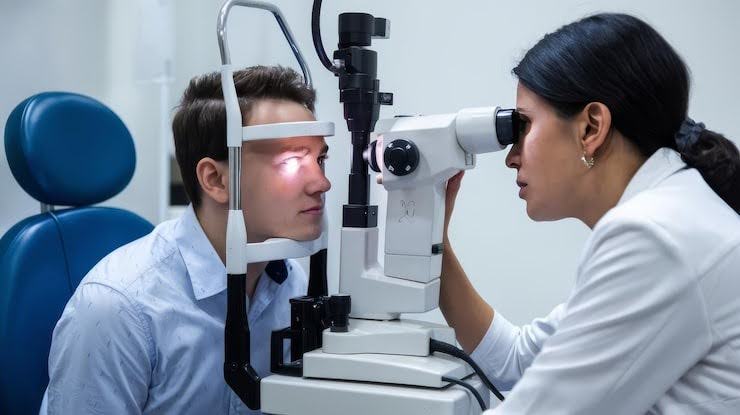
This is why contacts feel uncomfortable suddenly should be taken seriously. Small comfort changes may point toward problems involving the tear film, lens fit, eyelids, or ocular surface health requiring proper evaluation and targeted management solutions.
Why Proper Evaluation Restores Better Comfort
Contact lenses should not feel like a daily compromise. If lenses suddenly become uncomfortable, there is usually a measurable reason behind the change even when patients cannot immediately identify what shifted. The eye surface may become drier, blinking may be less complete, eyelids may be more inflamed, or the current lens material may no longer interact with the eyes as effectively during normal wear routines and visual tasks.
A contact lens exam Houston specialists provide can help determine whether the problem involves tear-film instability, lens deposits, poor fit, inflammation, or declining compatibility between the eye and the lens design itself. Many patients assume worsening dryness or irritation is simply part of aging, but contact lens comfort changes often point toward issues that are measurable and treatable with the right management approach.
Some patients improve with better dry eye management, more consistent replacement habits, or adjustments in wear time. Others benefit from switching lens materials or exploring Specialty Contact Lenses designed for more complex ocular surface needs. The goal is not to recommend advanced lenses for everyone, but to identify what best matches how the eyes function now instead of continuing routines that no longer feel comfortable enough for reliable daily wear.
Even when the solution is relatively simple, identifying the real cause makes a significant difference. Once patients understand why contacts stop feeling comfortable, treatment decisions become more focused, practical, and effective instead of relying on repeated trial-and-error changes that fail to address the underlying source of discomfort properly over time.
Questions to Ask at Your Exam
Ask whether your discomfort pattern seems more related to dry eye, lens fit, inflammation, or the lens type itself. This helps the evaluation move more quickly toward the most likely explanation behind why contacts feel uncomfortable suddenly and which changes may improve comfort during regular lens wear.
It is also helpful to ask whether your replacement schedule, cleaning routine, and wearing habits are still appropriate for your eyes today. Sometimes contact lens comfort changes are less about the lens brand and more about how lenses are being used, replaced, or tolerated as the eye surface changes over time.
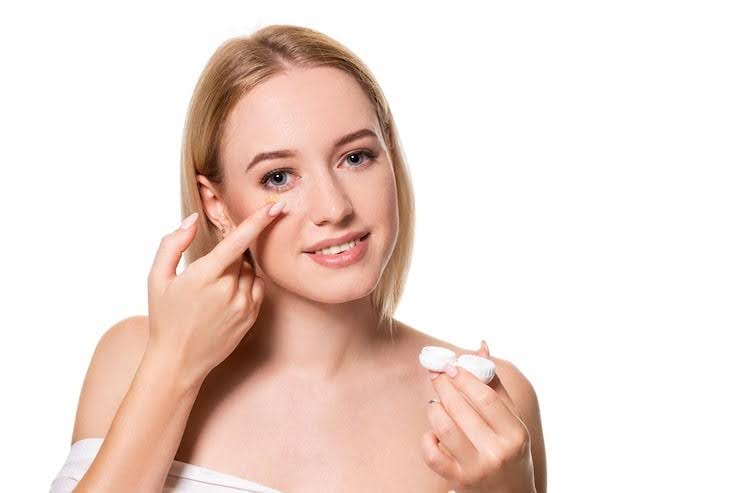
Ask whether your discomfort pattern seems more related to dry eye, lens fit, inflammation, or the lens type itself. This helps the evaluation move more quickly toward the most likely explanation behind why contacts feel uncomfortable suddenly and which changes may improve comfort during regular lens wear.
It is also helpful to ask whether your replacement schedule, cleaning routine, and wearing habits are still appropriate for your eyes today. Sometimes contact lens comfort changes are less about the lens brand and more about how lenses are being used, replaced, or tolerated as the eye surface changes over time.
Finally, ask whether a small adjustment is likely enough or whether your eyes may now benefit from a more meaningful lens change. Understanding whether standard soft lenses remain appropriate or whether Specialty Contact Lenses should be considered can make treatment planning and future follow-up care feel more manageable and realistic overall.
Your Next Steps Before Your Visit
Before your appointment, pay attention to when discomfort begins, whether one eye feels worse, and whether symptoms feel more like dryness, irritation, blur, mucus buildup, or reduced wear time. Bring your current contact lens boxes, any drops or solutions you use regularly, and your backup glasses. These details help determine whether the issue is tear-film related, fit-related, or connected to broader ocular surface changes affecting comfort.
If your contact lenses no longer feel as comfortable as they once did, Kleinwood Vision can provide a contact lens exam Houston patients trust to evaluate lens fit, tear-film stability, and overall ocular surface health carefully. Whether the problem involves dry contact lenses, changing eye conditions, or the need for Specialty Contact Lenses, a targeted plan may help restore better comfort and more dependable daily wear. Contact us to schedule your evaluation today.
Contact Info
Hours of Operation
Mon - Fri | 9:00 AM - 5:00 PM
Sat - Sun | Closed
Holiday Hours: We are closed for the following holidays: New Years Day, Memorial Day, Independence Day, Labor Day, Thanksgiving Day, Christmas Day
The information provided on this website is for general informational purposes only and does not constitute professional medical advice, diagnosis, or treatment. Always seek the guidance of a licensed eye care professional or qualified health provider with any questions you may have regarding a medical condition or vision concern. Results from eye care services may vary by individual.
© 2026 Kleinwood Vision. All rights Reserved.