
Specialty Contact Lenses
Why Contacts Feel Dry by Afternoon

FSDAVCFEBFEVSDDVFSD

FSDAVCFEBFEVSDDVFSD

FSDAVCFEBFEVSDDVFSD
Why Morning Comfort Does Not Last
Many patients notice their contacts feel dry by afternoon even though everything seems fine in the morning. Early in the day, the tear film is more stable, blinking is more complete, and the lens surface stays smoother. As hours pass, the tear layer becomes less consistent, especially during screen use, and dry contact lenses later in the day become more noticeable with symptoms like grittiness, fatigue, and fluctuating vision.
These patterns usually mean something more specific is happening. tear film problems with contacts, lens material, wear habits may all play a role. A contact lens exam Houston patients rely on identifies dryness or combined factors comfort.
Many patients notice their contacts feel dry by afternoon even though everything seems fine in the morning. Early in the day, the tear film is more stable, blinking is more complete, and the lens surface stays smoother. As hours pass, the tear layer becomes less consistent, especially during screen use, and dry contact lenses later in the day become more noticeable with symptoms like grittiness, fatigue, and fluctuating vision.

These patterns usually mean something more specific is happening. tear film problems with contacts, lens material, wear habits may all play a role. A contact lens exam Houston patients rely on identifies dryness or combined factors comfort.
How the Tear Film Affects Lens Comfort
The tear film is a thin layer that keeps the eye surface smooth and comfortable. When wearing lenses, this system becomes more sensitive because every blink interacts with the lens. tear film problems with contacts can develop when the tear layer evaporates too quickly or lacks enough oil support, leading to a dry lens surface even if the prescription is accurate.
This is why symptoms often worsen during screen use, long indoor hours, or air-conditioned environments. Reduced blinking allows the tear film to break up faster, making contact lenses fit and dryness more noticeable as the day progresses. Many patients assume the lens brand is the issue, but the underlying tear system is often the real cause.
A proper contact lens exam Houston providers perform evaluates tear quality, eyelid function, and how the lens interacts with the surface. This helps determine whether better contact lens comfort will come from Dry Eye Treatment, lens changes, or a combined approach rather than guesswork. Addressing tear film stability improves contact lenses performance and overall comfort for long term wearers seeking consistent contact lens comfort with tailored Dry Eye Treatment support when needed clinically.
When Lens Fit Is Part of the Problem

Even when lenses seem fine initially, contact lens fit and dryness can still become an issue later in the day. A lens that moves too much, sits improperly, or interacts poorly with the eyelids can gradually reduce comfort, especially during long wear hours. This is why some patients only notice symptoms after several hours rather than immediately.
Fit is not just about keeping the lens in place. It is about maintaining stable vision and comfort throughout real daily activities.If contacts feel dry by afternoon consistently, the lens design, material, or replacement schedule may need to change instead of relying on temporary fixes.
This approach helps improve contact lens fit and dryness management without unnecessary discomfort or reduced wearing time during daily use and supports long term eye health for consistent wearers experiencing ongoing symptoms and improved overall eye comfort.
Patients often try to manage dry contact lenses later in the day with drops or by removing lenses early. While that may help temporarily, it does not explain the root cause. Noticing patterns—such as worse symptoms on screens, in certain environments, or after long wear—can help guide more effective solutions.
It also helps to observe whether blinking improves comfort or if lenses feel coated as the day progresses. These details make the evaluation more precise and help determine whether the issue is primarily tear-related, fit-related, or both. Tracking these signs over time can help patients and clinicians identify whether adjustments in lens material, wearing schedule, or eye care routine are needed for lasting comfort. In many cases, consistent patterns point toward tear instability or mechanical lens interaction with the eye surface, which may require targeted Dry Eye Treatment or a different lens fit approach rather than repeated temporary fixes. These observations improve accuracy of assessment in clinical care.
Better Solutions Than Just More Drops
Using drops may provide short-term relief, but it is rarely the complete solution when contacts feel dry by afternoon. A more effective plan often includes improving tear film stability, adjusting lens material, or selecting a different replacement schedule that better supports the eye.
In some cases, daily disposable lenses improve better contact lens comfort by reducing buildup. In others, Dry Eye Treatment becomes necessary before any lens feels consistently comfortable. A comprehensive approach focuses on matching the solution to the cause rather than layering temporary fixes. It also requires careful evaluation of lens fit and tear quality during a contact lens exam, so the final recommendation is personalized and sustainable for daily wear comfort over time. This ensures patients avoid repeated irritation and instead achieve long-term stability with the right combination of care and lens choice for improved daily vision.
Why This Problem Should Not Be Ignored
Afternoon dryness is not just an inconvenience. It often signals that the lens and eye surface are not working together properly. Ignoring this can reduce overall wear time and make lenses feel less tolerable over time.
It can also affect visual quality. A dry or unstable lens surface may cause blur, fluctuating clarity, or increased strain by the end of the day, especially during demanding tasks like computer work.
Addressing the issue early improves long-term success. Many patients who seek timely care regain comfortable wear instead of giving up on lenses entirely. Early evaluation of contact lenses fit and tear stability can also prevent worsening discomfort and support better daily vision outcomes with appropriate lens adjustments or Dry Eye Treatment when needed clinically recommended.
Afternoon dryness is not just an inconvenience. It often signals that the lens and eye surface are not working together properly. Ignoring this can reduce overall wear time and make lenses feel less tolerable over time.
It can also affect visual quality. A dry or unstable lens surface may cause blur, fluctuating clarity, or increased strain by the end of the day, especially during demanding tasks like computer work.

Addressing the issue early improves long-term success. Many patients who seek timely care regain comfortable wear instead of giving up on lenses entirely. Early evaluation of contact lenses fit and tear stability can also prevent worsening discomfort and support better daily vision outcomes with appropriate lens adjustments or Dry Eye Treatment when needed clinically recommended.
How Proper Evaluation Improves Comfort Long Term
Consistent discomfort should not be accepted as normal. When dry contact lenses later in the day become routine, it usually reflects a correctable issue involving tear film, lens design, or surface health. A structured evaluation helps identify the exact cause instead of relying on assumptions or trial-and-error solutions. It helps guide appropriate clinical decisions and prevents unnecessary changes in lens products that do not address the root cause.
A detailed contact lens exam Houston patients trust looks at multiple factors together. Tear stability, eyelid health, lens material, and fit all contribute to comfort. When these elements are assessed properly, it becomes much easier to understand why symptoms develop and how to fix them effectively. This comprehensive approach reduces guesswork and ensures that treatment recommendations are based on measurable eye health and wearing conditions rather than temporary symptom relief alone.
Long-term comfort often comes from small but targeted adjustments. This may include switching lens types, improving tear support, or adjusting wearing habits. Over time, these changes can significantly improve daily experience and reduce irritation. These improvements are often gradual but lead to noticeable and lasting daily comfort gains eventually.
Patients also benefit from clarity. Understanding why the problem happens helps reduce frustration and builds confidence in the treatment plan. Instead of guessing, they can follow a clear strategy designed for their specific needs. For many, this leads to better contact lens comfort and more consistent wear throughout the day. Consistent follow-up and monitoring further enhance outcomes by ensuring that small changes continue to support eye health over time as needed adjustments.
Questions to Ask at Your Exam
Ask whether your symptoms are mainly due to tear film problems with contacts, lens fit, or both. This helps focus the visit on identifying the true cause rather than treating symptoms broadly.
It is also useful to ask whether your current lenses are still the best option. Changes in environment, work habits, or eye health can affect whether a lens continues to perform well.
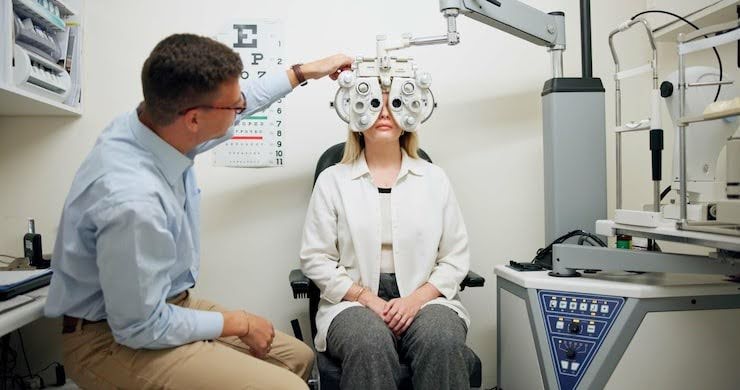
Finally, ask what level of comfort is realistic. Knowing what improvement to expect helps set clear goals and ensures that ongoing discomfort is addressed properly instead of being overlooked.
Ask whether your symptoms are mainly due to tear film problems with contacts, lens fit, or both. This helps focus the visit on identifying the true cause rather than treating symptoms broadly.
It is also useful to ask whether your current lenses are still the best option. Changes in environment, work habits, or eye health can affect whether a lens continues to perform well.
Finally, ask what level of comfort is realistic. Knowing what improvement to expect helps set clear goals and ensures that ongoing discomfort is addressed properly instead of being overlooked.
This conversation also helps guide Dry Eye Treatment decisions when needed and supports better contact lens comfort over time through targeted adjustments based on clinical findings. This ensures expectations are realistic and helps create a clear, personalized plan for long term contact lens success. Follow up improves outcomes and stability care results.
Your Next Steps Before Your Visit
Before your appointment, note when dryness begins, what activities make it worse, and whether one eye feels more uncomfortable. Bring your lenses, packaging, and any products you use. These details help make the contact lens exam Houston visit more accurate and efficient.
If contacts feel dry by afternoon, Kleinwood Vision can assess tear film quality, lens fit, and surface health to find the real cause. A personalized plan can improve comfort, support long-term wear, and help you know when to Contact us for follow-up care and Dry Eye Treatment if needed. This evaluation helps guide better contact lens comfort and consistent daily vision outcomes. It also ensures appropriate next steps are recommended based on individual needs rather than temporary fixes. Follow up care may be suggested to maintain stability and long term results for patients when appropriate care.
Contact Info
Hours of Operation
Mon - Fri | 9:00 AM - 5:00 PM
Sat - Sun | Closed
Holiday Hours: We are closed for the following holidays: New Years Day, Memorial Day, Independence Day, Labor Day, Thanksgiving Day, Christmas Day
The information provided on this website is for general informational purposes only and does not constitute professional medical advice, diagnosis, or treatment. Always seek the guidance of a licensed eye care professional or qualified health provider with any questions you may have regarding a medical condition or vision concern. Results from eye care services may vary by individual.
© 2026 Kleinwood Vision. All rights Reserved.