
Specialty Contact Lenses
Why Contact Lens Prescriptions Expire

FSDAVCFEBFEVSDDVFSD

FSDAVCFEBFEVSDDVFSD

FSDAVCFEBFEVSDDVFSD
Why Contacts Need More Than a Vision Check
Many patients wonder why contact lens prescriptions expire even when their vision still feels clear. The reason is that contact lenses sit directly on the eye and interact with the tear film and corneal surface. Unlike glasses, they can affect eye health in ways that are not always immediately noticeable, making regular evaluation important for safe long-term wear.
This is why contacts need yearly exam visits. An annual contact lens exam ensures that the lenses are still fitting properly, supporting healthy wear, and not causing hidden issues. It is about safety as much as vision, helping detect early changes and keeping eyes comfortable, healthy, and well-protected throughout continued lens use.
Many patients wonder why contact lens prescriptions expire even when their vision still feels clear. The reason is that contact lenses sit directly on the eye and interact with the tear film and corneal surface. Unlike glasses, they can affect eye health in ways that are not always immediately noticeable, making regular evaluation important for safe long-term wear.
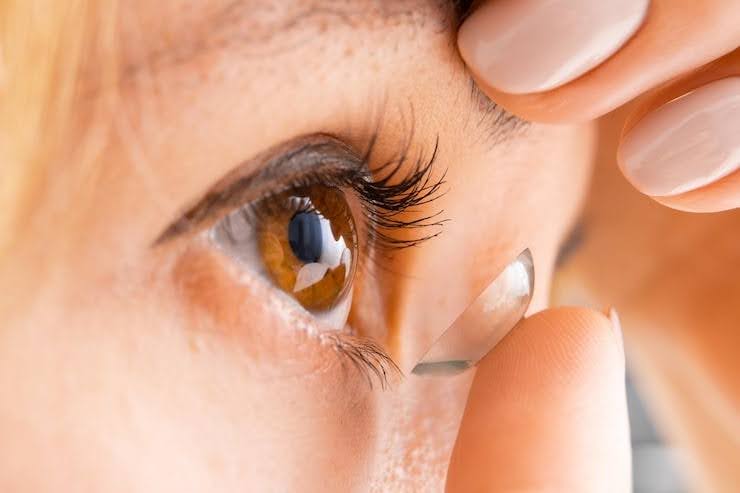
This is why contacts need yearly exam visits. An annual contact lens exam ensures that the lenses are still fitting properly, supporting healthy wear, and not causing hidden issues. It is about safety as much as vision, helping detect early changes and keeping eyes comfortable, healthy, and well-protected throughout continued lens use.
What Doctors Are Checking Each Year
During an annual contact lens renewal, your optometrist evaluates much more than prescription strength. They assess lens fit, movement, centration, and how well the lens surface stays hydrated throughout wear. These details help determine whether your current lenses are still appropriate for daily use, and whether they are supporting healthy, comfortable vision or creating subtle strain that may go unnoticed over time.
A contact lens safety exam also looks for early warning signs that may not yet feel obvious. These can include dryness, irritation, corneal staining, or subtle inflammation that develops gradually. Many patients adapt to these changes without realizing comfort is declining, which is why regular monitoring is important for preventing complications and maintaining long-term eye health.
Prescription accuracy is only one part of the visit. A contact lens exam Houston providers perform focuses on the full lens-eye relationship, including how the lenses interact with your tear film and corneal surface. This ensures your lenses remain safe, effective, and suitable for your lifestyle rather than simply confirming that you can still see clearly. The goal is to maintain both vision quality and overall eye comfort throughout continued contact lens use.
Why Old Prescriptions Can Be Risky
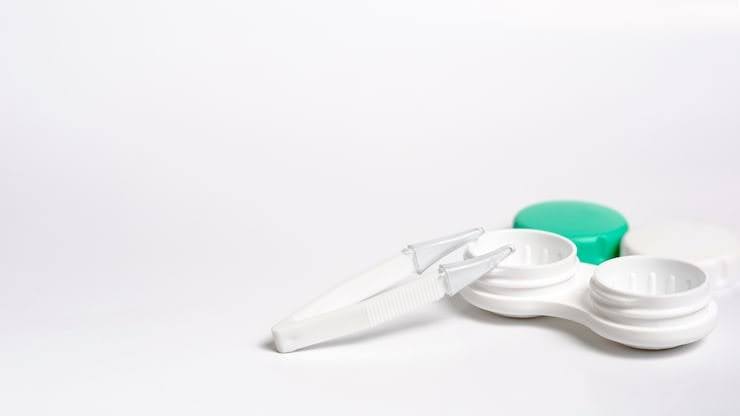
Using an outdated prescription increases the risk of wearing lenses that no longer match your eye’s needs. Even if vision feels acceptable, the lens fit or surface interaction may have changed over time, leading to irritation, dryness, or reduced oxygen flow to the cornea. This is a key reason behind contact lens prescription expiration rules, as regular updates help maintain safe, healthy wear.
Many people delay renewal until discomfort appears, but by then the issue may already be more advanced and harder to correct.
Annual contact lens exam visits help identify changes early, when solutions are simpler and more effective. These exams ensure lenses still fit properly and support eye health. Keeping prescriptions current protects both comfort and long-term eye health, ensuring clear vision, proper oxygen flow, and consistent lens performance during daily use without unnecessary risk or complications.
Patients often feel frustrated by renewal requirements, especially when the lenses seem the same and vision still feels clear. However, the real focus is not the lens brand or appearance but the condition of the eye wearing it. Tear film quality, environmental exposure, screen time, medications, and daily habits can all change over time, slowly affecting how contact lenses feel and perform even when nothing obvious seems different.
A comprehensive eye exam helps connect these subtle changes to how lenses function on the eye. Even if the product has not changed, the eye beneath it may have, including shifts in dryness levels, corneal health, sensitivity, or comfort tolerance. These factors can influence how safely and effectively lenses can be worn each day.This is why annual evaluations remain essential for safe and consistent wear. Regular contact lens exams ensure that prescriptions are still appropriate, lenses are fitting correctly, and the eyes remain healthy, comfortable, and well protected over time.
Why Annual Renewals Protect Long-Term Wear
Annual contact lens renewal supports long-term success by catching small problems early. Minor dryness, fit issues, or surface irritation can be addressed before they lead to discomfort or reduced wear time. This helps maintain stable, comfortable vision throughout the year and ensures lenses continue to feel natural during daily use.
It also creates a record of how your eyes respond to contact lenses over time. A contact lens exam Houston visit allows your doctor to track patterns, recommend adjustments, and ensure your lenses continue to meet your needs safely. Regular evaluations help detect subtle changes in tear film, corneal health, or lens performance before they become noticeable issues. This ongoing care supports consistent vision quality, better comfort, and long-term eye health while using contact lenses.
Why Glasses and Contacts Differ
Glasses sit in front of the eyes and correct vision without touching the surface. Contact lenses, however, rest directly on the cornea, making them part of the eye’s environment throughout the day and influencing how the eye functions during wear.
Because of this difference, contact lenses require more detailed monitoring. Factors like oxygen flow, tear film stability, and surface health all influence whether lenses remain safe to wear. Small changes in these areas can affect comfort and long-term eye health even if vision seems unchanged.
This is why contact lens prescription expiration exists. Annual renewal is based on protecting eye health, not simply regulating purchases or adding inconvenience. Regular evaluations ensure lenses continue to fit properly and support safe, comfortable vision.
Glasses sit in front of the eyes and correct vision without touching the surface. Contact lenses, however, rest directly on the cornea, making them part of the eye’s environment throughout the day and influencing how the eye functions during wear.
Because of this difference, contact lenses require more detailed monitoring. Factors like oxygen flow, tear film stability, and surface health all influence whether lenses remain safe to wear. Small changes in these areas can affect comfort and long-term eye health even if vision seems unchanged.
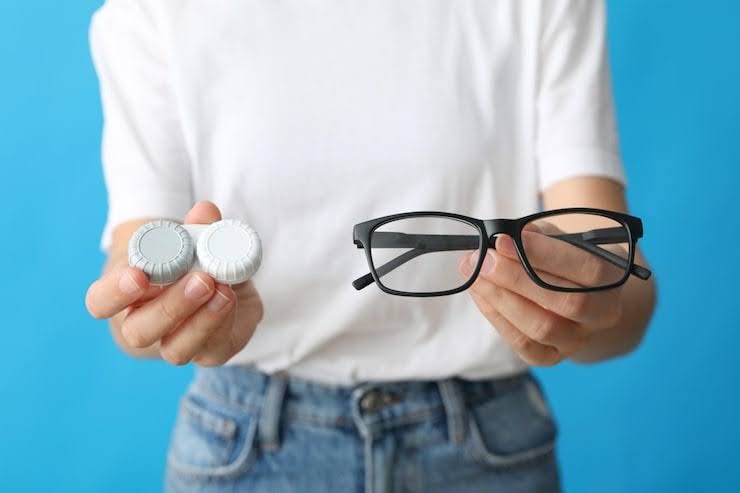
This is why contact lens prescription expiration exists. Annual renewal is based on protecting eye health, not simply regulating purchases or adding inconvenience. Regular evaluations ensure lenses continue to fit properly and support safe, comfortable vision.
Why Expiration Dates Matter for Safety
Contact lens prescription expiration is not arbitrary. It reflects the need to regularly confirm that lenses are still safe for your eyes. Even small, unnoticed changes in the cornea, tear film, or lens interaction can increase the risk of irritation, dryness, or infection if left unmonitored. Because contact lenses sit directly on the eye’s surface, even subtle shifts in eye health can have a noticeable impact on comfort and safety over time, even when vision seems unchanged.
Expiration dates also encourage consistent follow-up with eye care professionals. Without them, many patients would delay exams until discomfort becomes significant, which can make treatment more complicated and recovery slower. Regular evaluation helps prevent avoidable issues, ensures prescriptions remain accurate, and supports better long-term outcomes for vision and overall eye health.
Another important factor is habit tracking. Annual visits allow doctors to review how lenses are being worn, cleaned, and replaced. Over time, poor habits such as overwearing lenses, skipping cleaning steps, or improper storage can develop gradually without the patient realizing the impact. Renewal exams provide a structured opportunity to identify and correct these behaviors before they begin to affect eye health or lead to more serious complications that may require treatment or time away from contact lens use.
Ultimately, expiration dates act as a safeguard for safe contact lens use. They ensure that lenses remain an effective and healthy vision correction option rather than becoming a source of preventable problems. With regular monitoring, patients benefit from improved comfort, stable vision, and long-term protection of overall eye health.
Questions to Ask at Renewal
Ask whether your current lenses still look healthy on your eyes or if any early signs of irritation are present. This helps you understand whether the renewal is straightforward or if changes are recommended, and it gives a clearer picture of your overall eye health during the exam.
It is also helpful to ask whether your comfort or wear time suggests a different lens type or schedule. Renewal visits can be an opportunity to improve your experience, not just maintain it, by adjusting materials, fit, or replacement timing for better comfort and vision quality throughout the day.
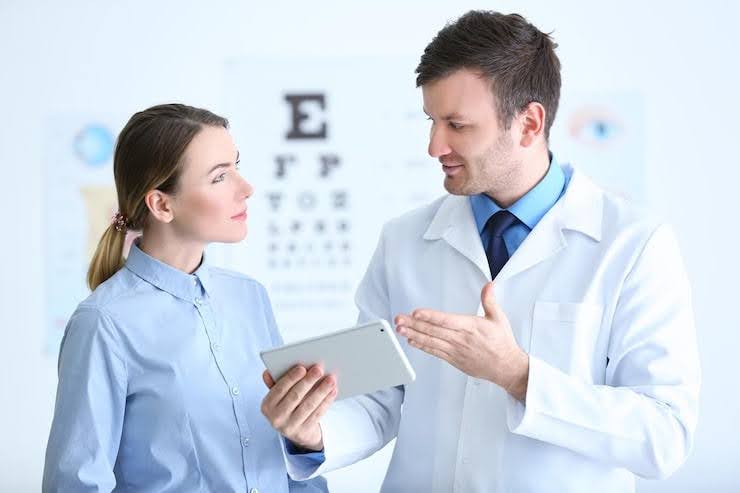
Ask whether your current lenses still look healthy on your eyes or if any early signs of irritation are present. This helps you understand whether the renewal is straightforward or if changes are recommended, and it gives a clearer picture of your overall eye health during the exam.
It is also helpful to ask whether your comfort or wear time suggests a different lens type or schedule. Renewal visits can be an opportunity to improve your experience, not just maintain it, by adjusting materials, fit, or replacement timing for better comfort and vision quality throughout the day.
Finally, ask what habits will help keep your lenses safe over the next year. Guidance on cleaning, proper wear time, and regular replacement can make a significant difference in long-term comfort and eye health. Following these recommendations helps reduce risks, prevent complications, and support consistently clear and healthy vision.
Your Next Steps Before Your Visit
Before your annual contact lens exam, bring your current lens packaging, backup glasses, and note any changes in comfort, dryness, or wear time. These details help your optometrist understand your full experience and make more accurate recommendations based on how your eyes respond to daily lens use and environmental factors.
If your prescription is expiring, Kleinwood Vision can provide a thorough contact lens safety exam to ensure your lenses are still appropriate. A timely visit makes it easier to renew safely, identify early concerns, and adjust your prescription if needed. It also helps you know when to Contact us for follow-up care, supporting consistent vision quality and long-term eye health. Regular exams help maintain proper lens fit, improve comfort, and reduce the risk of complications from outdated prescriptions or unnoticed eye changes.
Contact Info
Hours of Operation
Mon - Fri | 9:00 AM - 5:00 PM
Sat - Sun | Closed
Holiday Hours: We are closed for the following holidays: New Years Day, Memorial Day, Independence Day, Labor Day, Thanksgiving Day, Christmas Day
The information provided on this website is for general informational purposes only and does not constitute professional medical advice, diagnosis, or treatment. Always seek the guidance of a licensed eye care professional or qualified health provider with any questions you may have regarding a medical condition or vision concern. Results from eye care services may vary by individual.
© 2026 Kleinwood Vision. All rights Reserved.