
Comprehensive Eye Exams
Why Comprehensive Eye Exams Still Matter

FSDAVCFEBFEVSDDVFSD
FSDAVCFEBFEVSDDVFSD
FSDAVCFEBFEVSDDVFSD
Why Clear Vision Is Not the Whole Picture
Many people assume that if they can drive, read, work, and use screens comfortably, then their eyes must be healthy. But clear vision is only one part of overall eye health. You can still have hidden eye problems, subtle prescription changes, dry eye symptoms, binocular strain, or early retinal findings even when everyday vision feels “good enough” from your perspective. That is one reason why comprehensive eye exams matter far more than many patients realize.
A routine eye exam Houston patients schedule shows beyond glasses. A comprehensive eye exam Houston providers perform evaluates eye function. eye exam even if vision seems fine detects hidden issues.
Many people assume that if they can drive, read, work, and use screens comfortably, then their eyes must be healthy. But clear vision is only one part of overall eye health. You can still have hidden eye problems, subtle prescription changes, dry eye symptoms, binocular strain, or early retinal findings even when everyday vision feels “good enough” from your perspective. That is one reason why comprehensive eye exams matter far more than many patients realize.
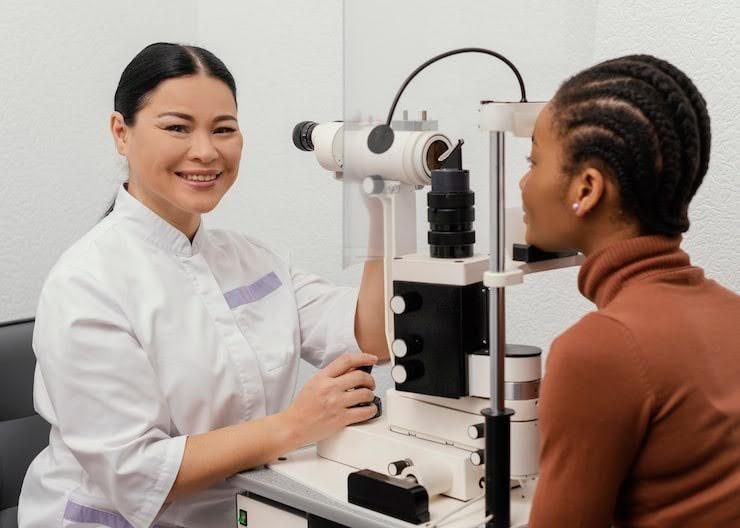
A routine eye exam Houston patients schedule shows beyond glasses. A comprehensive eye exam Houston providers perform evaluates eye function. eye exam even if vision seems fine detects hidden issues.
What a Comprehensive Exam Can Catch Early
Some eye conditions develop gradually and quietly. Problems involving eye pressure, the retina, tear-film quality, or ocular surface health may begin long before patients notice significant vision loss or discomfort. Small prescription changes can also go unnoticed because the brain adapts slowly, especially when one eye is compensating for the other or when changes occur over months instead of days.
A comprehensive eye exam Houston specialists perform can also uncover issues that patients often mistake for stress or normal fatigue. Headaches during screen use, eye strain while reading, fluctuating vision, glare at night, or shorter contact lens wear time may seem like routine lifestyle frustrations when they are actually linked to measurable visual or ocular health findings. Identifying those patterns early often allows treatment to be simpler and more effective.
This preventive eye care approach matters because waiting for severe symptoms is not always the safest strategy. Some hidden eye problems are much easier to monitor and manage when discovered early. Even when the exam confirms that everything appears healthy, the information is still valuable because it creates a baseline for future comparison and helps track how the eyes change over time.
Why People Miss Their Own Vision Changes
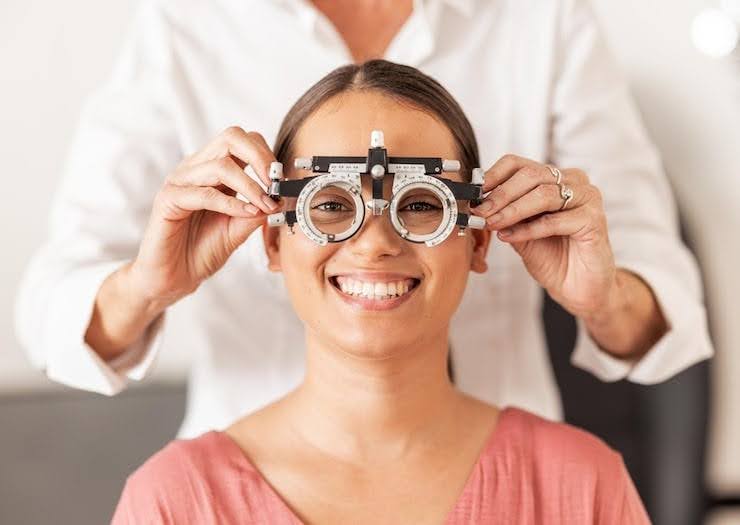
Vision changes are often gradual, and most people adapt without realizing it. You may start holding reading material farther away, avoid driving at night more often, blink through moments of blur, or take more visual breaks during the day without recognizing those behaviors as warning signs. The brain is very good at normalizing slow changes, especially when the decline in clarity or comfort happens gradually instead of suddenly.
This is one reason why comprehensive eye exams matter so much. They do not rely only on the patient noticing every shift accurately. Instead, the exam directly measures what is happening and compares those findings with previous visits whenever possible.
A routine eye exam Houston patients attend regularly can identify subtle trends before they become larger frustrations or more advanced eye health concerns. This supports earlier detection and better outcomes overall health.
Patients sometimes assume the visit is only necessary if they already know something is wrong. However, preventive eye care works best before a condition becomes obvious or disruptive. Someone may arrive expecting reassurance that their vision is still fine and leave with important information about dry eye symptoms, contact lens tolerance, retinal findings, or a subtle prescription update they had not recognized on their own. These insights often explain small daily discomforts that patients may have been ignoring or adapting to without realizing the underlying cause.
That does not mean patients should become anxious about hidden eye problems. It simply means an eye exam even if vision seems fine provides information that daily life alone cannot reveal. Having that information makes future decisions easier and often prevents long stretches of avoidable discomfort, delayed diagnosis, or unnecessary visual frustration later on while supporting long-term eye health and clearer, more comfortable vision outcomes overall.
What the Visit Evaluates Beyond Prescription
A comprehensive eye exam looks at far more than whether letters on a chart appear sharp. Depending on your symptoms and visual needs, the visit may include prescription assessment, binocular function testing, retinal evaluation, ocular surface analysis, and discussion of issues such as headaches, glare, screen fatigue, contact lens discomfort, or reading strain. The goal is to evaluate both how clearly the eyes see and how healthy they are functioning overall.
This broader approach matters because patients rarely experience symptoms in neat categories. One person may think they only need updated glasses when the larger issue is dryness requiring dry eye treatment. Another may assume stress is causing fatigue when binocular strain is actually contributing. A comprehensive eye exam Houston providers offer helps separate those possibilities and keeps treatment decisions from being based only on assumptions or guesswork.
Why Baselines Make Future Care Better
A normal exam is still extremely valuable because it establishes a baseline. That baseline makes future changes easier to identify and interpret more accurately over time. This helps patients track vision health clearly over time better.
This is especially important for retinal findings, prescription shifts, dry eye symptoms, and other issues that may evolve gradually. Without a prior baseline, even meaningful changes can be harder to judge in proper context during future visits.
A normal exam is still extremely valuable because it establishes a baseline. That baseline makes future changes easier to identify and interpret more accurately over time. This helps patients track vision health clearly over time better.
This is especially important for retinal findings, prescription shifts, dry eye symptoms, and other issues that may evolve gradually. Without a prior baseline, even meaningful changes can be harder to judge in proper context during future visits.
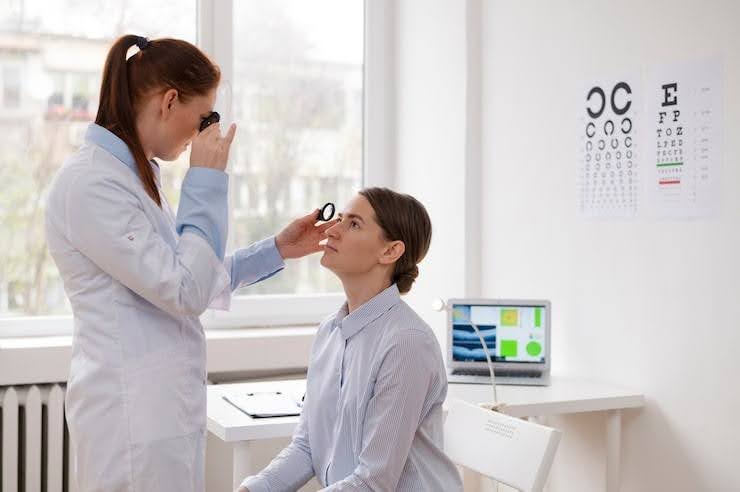
Routine preventive eye care is not only about finding problems. It is also about understanding what healthy looks like for your specific eyes so future decisions are based on clearer comparison instead of uncertainty or delayed recognition of developing issues. Regular visits support long term eye wellness and prevention planning future care.
Why Routine Exams Support Long-Term Eye Health
Why comprehensive eye exams matter becomes even clearer when patients understand how many eye conditions can progress quietly without immediate symptoms. Many people wait until blur, discomfort, or noticeable vision changes interfere with daily life before scheduling an appointment. By that point, some conditions may already be more advanced than they would have been if caught earlier through routine care. Early detection helps reduce avoidable vision risks over time.
An eye exam even if vision seems fine helps monitor eye health before problems become disruptive. Regular visits allow your optometrist to evaluate subtle trends involving prescription stability, ocular surface health, retinal appearance, and visual function over time. This ongoing monitoring makes treatment decisions more accurate and supports better long-term outcomes by identifying changes at their earliest stage.
Routine visits also help identify when symptoms that seem minor are actually worth addressing. Patients often assume headaches, glare, dryness, or visual fatigue are simply part of aging or screen use, when in reality they may point toward issues that respond well to proper evaluation and treatment. Early evaluation prevents symptoms from becoming persistent or more disruptive later on in daily routines.
For many patients, the greatest benefit of preventive eye care is peace of mind. Whether the visit leads to updated correction, dry eye treatment, continued monitoring, or simple reassurance, the exam provides valuable clarity about how the eyes are functioning now and what should be watched moving forward for long-term visual health stability.
Questions to Ask at Routine Exams
Ask whether the exam revealed anything subtle that you may not have noticed yet, such as early dryness, mild prescription changes, or retinal findings worth monitoring. This makes the visit more informative even if you scheduled the appointment because your vision still seemed fine and stable overall.
It is also helpful to ask whether your work habits, screen time, symptoms, or lifestyle suggest anything that should be monitored more closely before your next routine eye exam Houston visit. Preventive eye care becomes much more useful when it is connected to your real daily visual demands and visual comfort patterns.
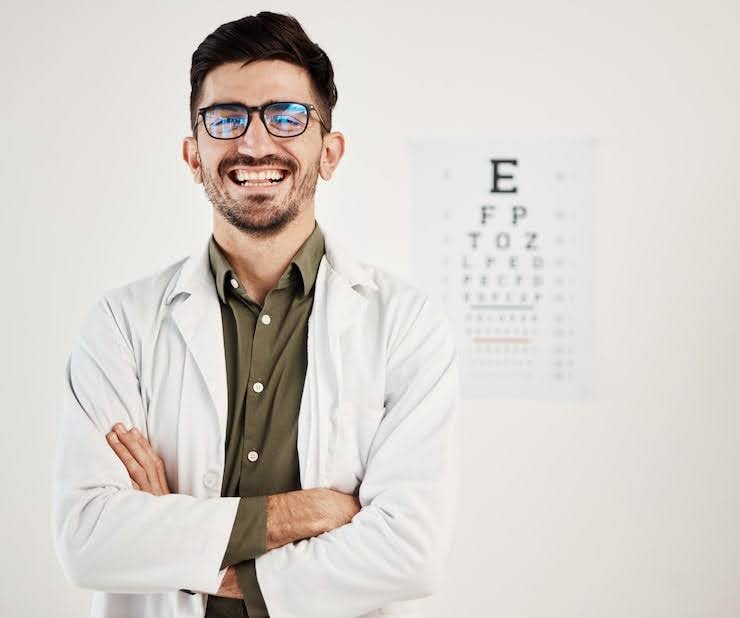
Finally, ask what follow-up schedule makes the most sense for your eyes specifically. Knowing whether your next comprehensive eye exam Houston visit should follow a standard timeline or occur sooner helps keep your eye care plan clear, practical, and purposeful for long-term vision health and stability.
Ask whether the exam revealed anything subtle that you may not have noticed yet, such as early dryness, mild prescription changes, or retinal findings worth monitoring. This makes the visit more informative even if you scheduled the appointment because your vision still seemed fine and stable overall.
It is also helpful to ask whether your work habits, screen time, symptoms, or lifestyle suggest anything that should be monitored more closely before your next routine eye exam Houston visit. Preventive eye care becomes much more useful when it is connected to your real daily visual demands and visual comfort patterns.
Finally, ask what follow-up schedule makes the most sense for your eyes specifically. Knowing whether your next comprehensive eye exam Houston visit should follow a standard timeline or occur sooner helps keep your eye care plan clear, practical, and purposeful for long-term vision health and stability.
Your Next Steps Before Your Visit
Even if your vision feels fine, helps to arrive at your appointment with a short list of small symptoms you may have ignored: headaches, dryness, glare, screen fatigue, night driving discomfort. Bring current glasses or contact lens information and note family history of eye disease. These details help your optometrist make most of visit and connect subtle symptoms to correct parts of exam.
Delaying routine care because things seem “good enough,” Kleinwood Vision can provide a comprehensive eye exam Houston patients trust to evaluate more than just blur and establish a stronger baseline for future eye health. Whether need updated correction, dry eye treatment, reassurance, or monitoring, preventive care can provide valuable answers before symptoms become more serious. ready to stay proactive about your eye health, Contact us to schedule visit and take next step toward clearer, healthier long-term vision.
Contact Info
Hours of Operation
Mon - Fri | 9:00 AM - 5:00 PM
Sat - Sun | Closed
Holiday Hours: We are closed for the following holidays: New Years Day, Memorial Day, Independence Day, Labor Day, Thanksgiving Day, Christmas Day
The information provided on this website is for general informational purposes only and does not constitute professional medical advice, diagnosis, or treatment. Always seek the guidance of a licensed eye care professional or qualified health provider with any questions you may have regarding a medical condition or vision concern. Results from eye care services may vary by individual.
© 2026 Kleinwood Vision. All rights Reserved.