
Myopia Management
One Nearsighted Parent and Myopia Risk
FSDAVCFEBFEVSDDVFSD
FSDAVCFEBFEVSDDVFSD
FSDAVCFEBFEVSDDVFSD
Why Family History Matters Early
Having one nearsighted parent does not mean a child will definitely develop myopia, but it can increase the need for closer vision monitoring. Genetics, screen habits, and early visual behavior all influence how eyesight changes over time. Family history helps doctors identify children who may face a higher risk of nearsightedness later.
Early myopia monitoring can help before symptoms become noticeable. A pediatric eye exam Houston families schedule can establish a vision baseline, evaluate distance clarity, and determine whether a child should receive regular follow-up care. This approach may help detect vision changes early instead of waiting for school complaints or stronger prescriptions later.
Having one nearsighted parent does not mean a child will definitely develop myopia, but it can increase the need for closer vision monitoring. Genetics, screen habits, and early visual behavior all influence how eyesight changes over time. Family history helps doctors identify children who may face a higher risk of nearsightedness later.
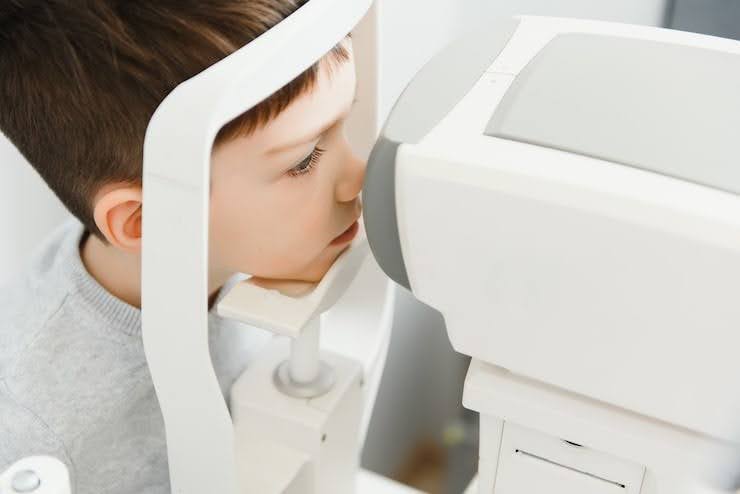
Early myopia monitoring can help before symptoms become noticeable. A pediatric eye exam Houston families schedule can establish a vision baseline, evaluate distance clarity, and determine whether a child should receive regular follow-up care. This approach may help detect vision changes early instead of waiting for school complaints or stronger prescriptions later.
What One Nearsighted Parent Changes
Having one nearsighted parent can influence how carefully a child’s vision is monitored over time. Family history does not mean treatment is immediately required, but it may affect how doctors interpret mild blur, squinting, or borderline distance vision. Since one nearsighted parent child myopia risk may increase the likelihood of gradual progression, eye doctors often recommend closer follow-up visits to track subtle changes before they become more noticeable.
This is important because myopia commonly develops slowly during childhood. By the time children complain about blurry classroom boards, hold devices closer, or struggle with distance activities, prescription changes may already exist. Earlier monitoring can help identify these patterns sooner and support timely decisions before stronger correction becomes necessary or school performance is affected by unnoticed vision problems.
Monitoring also helps parents better understand everyday visual behaviors. Children who squint at distant objects, move closer to screens, or avoid far-away activities may simply need earlier evaluation when family history of myopia is already present. A pediatric eye exam Houston providers perform can establish a clear vision baseline and support proactive monitoring for children considered at risk for myopia progression later.
Signs Parents Should Watch More Closely
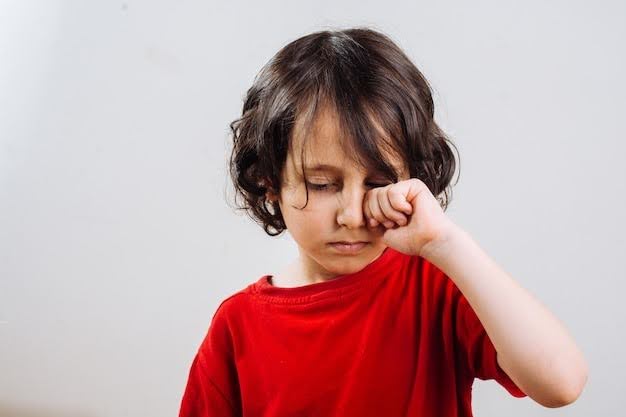
Common signs of myopia in children include squinting at distant objects, sitting close to the television, holding books or tablets near the face, and struggling to see classroom boards clearly. Some children may also avoid sports or activities that depend on clear distance vision. These symptoms often develop slowly, making them easy for families to miss at first.
These behaviors do not always confirm myopia, but they become more important when family history of nearsightedness is already present. Earlier myopia monitoring through a pediatric eye exam Houston families trust can help determine whether a child may be at risk for future vision changes.
Early evaluation provides measurable information and allows families to respond before stronger symptoms, prescription changes, or school-related vision problems become more noticeable later. This proactive approach supports timely care and helps parents better understand their child’s vision.
Parents sometimes assume that having only one nearsighted parent means the risk of myopia is too low to worry about. However, one nearsighted parent child myopia risk can still be important, especially when combined with heavy screen use, frequent near work, or limited outdoor activity. These factors may increase the need for earlier monitoring because subtle vision changes can begin before children clearly notice symptoms.
The purpose of early monitoring is not to create anxiety for families. Instead, it helps prevent situations where children slowly adapt to worsening blur without realizing their vision has changed. A baseline eye exam provides clear measurements that make future vision changes easier to identify and discuss. Many families feel more reassured after learning that proactive monitoring simply supports healthier visual development, earlier awareness of possible changes, and better long-term planning for children who may be at higher risk for myopia progression over time.
Why Earlier Monitoring Helps Families
Earlier monitoring gives families more realistic expectations about what to watch for over time. If the child’s vision is currently stable, the doctor can explain which symptoms deserve attention and when follow-up visits should happen. If early myopia is already measurable, families can begin proper correction and establish a more structured plan before school performance, visual comfort, or confidence become more affected by progression.
This is also where a myopia management evaluation may eventually become useful. Family history of myopia helps doctors decide when those conversations should begin and how closely visual changes should be followed moving forward. Earlier myopia monitoring helps parents feel more informed and less reactive because future decisions are based on ongoing measurements rather than unexpected blur appearing suddenly during school or daily life.
Why Waiting for Complaints Is Risky
Children often do not realize blurry vision is unusual because changes can happen gradually over time. Waiting for strong complaints may delay important eye exams and allow prescription changes to continue unnoticed during key developmental years.
This becomes more important when one nearsighted parent child myopia risk is already present in the family. Parents should pay closer attention to subtle behaviors instead of assuming children will always describe visual problems clearly during schoolwork or daily activities.
Children often do not realize blurry vision is unusual because changes can happen gradually over time. Waiting for strong complaints may delay important eye exams and allow prescription changes to continue unnoticed during key developmental years.
This becomes more important when one nearsighted parent child myopia risk is already present in the family. Parents should pay closer attention to subtle behaviors instead of assuming children will always describe visual problems clearly during schoolwork or daily activities.
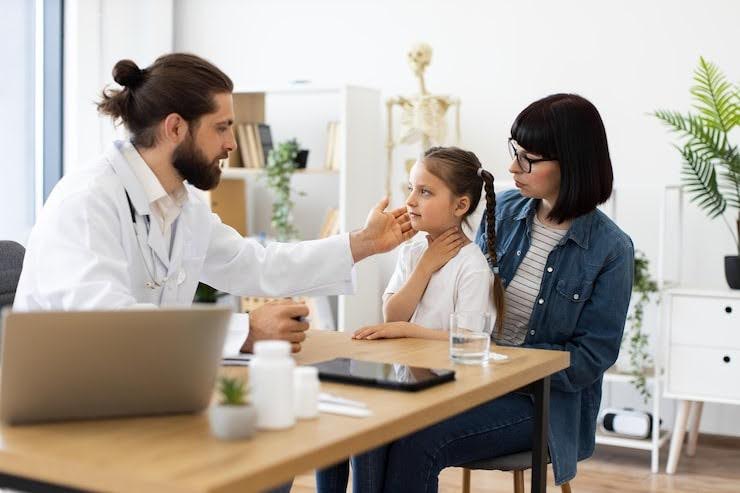
Earlier eye exams help remove uncertainty by providing accurate measurements, professional guidance, and follow-up recommendations based on the child’s visual development. This proactive approach supports healthier long-term vision outcomes and helps families identify possible vision changes before stronger symptoms begin affecting learning or everyday activities later.
Why Family Awareness Supports Better Planning
Family history matters most when it helps parents shift from passive waiting to informed awareness about their child’s vision. One nearsighted parent does not guarantee a child will develop myopia, but it does mean the possibility deserves earlier and more thoughtful attention. This can change how subtle signs are interpreted, how quickly eye exams are recommended, and how confidently families respond if distance blur gradually begins appearing over time. Earlier awareness helps parents recognize that mild squinting, sitting closer to screens, or difficulty seeing distant objects may deserve evaluation sooner instead of later.
Earlier myopia monitoring also helps vision care feel less reactive and more proactive overall. If a child’s vision remains stable, families gain reassurance and establish a useful baseline for future comparison. If myopia begins progressing, the next steps become easier because monitoring and follow-up care were already established before symptoms became more disruptive during school, sports, or daily activities. This can reduce uncertainty and help families feel more prepared when discussing future recommendations with an eye doctor.
A proactive approach also supports better long-term planning for children considered at higher risk for myopia progression. A myopia management evaluation may eventually become appropriate if measurable changes appear, and earlier conversations help families understand available options before decisions feel rushed or overwhelming later. Parents often feel more comfortable once they realize monitoring is not overreacting. Instead, it is a practical way to identify important visual changes earlier, support healthier visual development, and improve confidence in long-term vision care decisions overall.
Questions Parents Can Ask Early
Parents should ask how much one nearsighted parent child myopia risk affects their child’s recommended follow-up schedule and whether earlier rechecks are helpful even without major symptoms. This turns family history into practical guidance instead of general concern about future prescription changes.
It is also helpful to ask which behaviors at home or school should prompt an earlier eye exam. Specific signs such as squinting, sitting closer to screens, or difficulty seeing distant objects are easier to monitor than broad advice to simply watch for changes. Clear guidance helps parents feel more confident when evaluating subtle visual behaviors during daily activities.
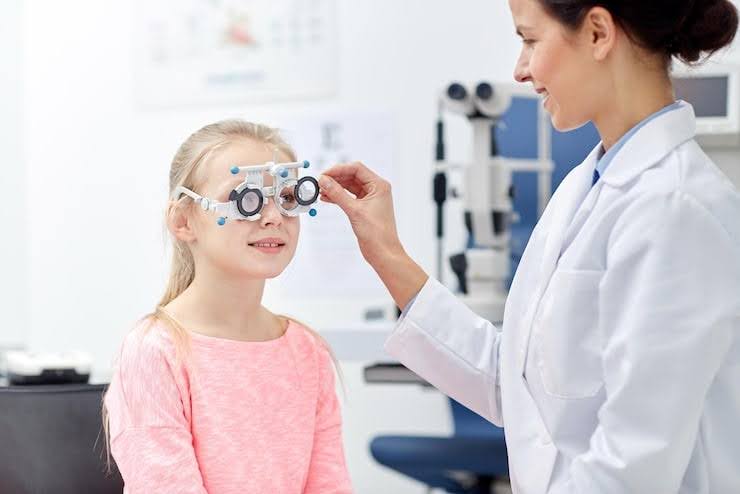
Parents should ask how much one nearsighted parent child myopia risk affects their child’s recommended follow-up schedule and whether earlier rechecks are helpful even without major symptoms. This turns family history into practical guidance instead of general concern about future prescription changes.
It is also helpful to ask which behaviors at home or school should prompt an earlier eye exam. Specific signs such as squinting, sitting closer to screens, or difficulty seeing distant objects are easier to monitor than broad advice to simply watch for changes. Clear guidance helps parents feel more confident when evaluating subtle visual behaviors during daily activities.
Parents should also ask when a myopia management evaluation may become appropriate if progression appears during future visits. Understanding how monitoring decisions are made helps families feel more informed and makes long-term vision care feel more organized, predictable, and manageable throughout a child’s school years.
Your Next Steps Before the Visit
If one parent is nearsighted, scheduling a pediatric eye exam Houston families trust can be helpful even before obvious complaints begin. Bring school observations, current glasses if your child already wears them, and notes about behaviors such as squinting, sitting close to screens, or trouble seeing things at a distance. These details help connect family history of myopia with what is happening during everyday routines and classroom activities.
If your child may be considered at risk for myopia, Kleinwood Vision can establish a baseline, recommend appropriate earlier myopia monitoring, and explain when a myopia management evaluation may become useful. Early evaluation often provides families with clearer answers, less uncertainty, and more confidence about protecting long-term visual development. Ready to take the next step? Contact us to schedule your child’s visit today.
Contact Info
Hours of Operation
Mon - Fri | 9:00 AM - 5:00 PM
Sat - Sun | Closed
Holiday Hours: We are closed for the following holidays: New Years Day, Memorial Day, Independence Day, Labor Day, Thanksgiving Day, Christmas Day
The information provided on this website is for general informational purposes only and does not constitute professional medical advice, diagnosis, or treatment. Always seek the guidance of a licensed eye care professional or qualified health provider with any questions you may have regarding a medical condition or vision concern. Results from eye care services may vary by individual.
© 2026 Kleinwood Vision. All rights Reserved.