
Specialty Contact Lenses
When Toric Contacts Aren’t Enough: Custom Lenses

FSDAVCFEBFEVSDDVFSD

FSDAVCFEBFEVSDDVFSD

FSDAVCFEBFEVSDDVFSD
Why Toric Lenses Work for Many Patients
Standard toric contact lenses are designed to correct common forms of astigmatism. For many patients, they provide clear, comfortable vision and a convenient alternative to glasses. These lenses contain different powers in different meridians and are designed to remain in a stable position so the astigmatism correction aligns properly with the eye.
However, not every type of astigmatism is simple or regular. Some patients have higher astigmatism, unstable lens rotation, irregular corneal shape, dry eye, or visual distortion that standard toric lenses cannot fully correct. When standard toric contacts are not enough, a specialty lens evaluation may be needed to determine whether a more customized solution can provide better results.
Standard toric contact lenses are designed to correct common forms of astigmatism. For many patients, they provide clear, comfortable vision and a convenient alternative to glasses. These lenses contain different powers in different meridians and are designed to remain in a stable position so the astigmatism correction aligns properly with the eye.

However, not every type of astigmatism is simple or regular. Some patients have higher astigmatism, unstable lens rotation, irregular corneal shape, dry eye, or visual distortion that standard toric lenses cannot fully correct. When standard toric contacts are not enough, a specialty lens evaluation may be needed to determine whether a more customized solution can provide better results.
Signs Standard Toric Contacts Are Struggling
One of the most common signs is vision that changes every time the lens moves or rotates. A patient may blink and experience clear vision briefly, only to notice blur returning moments later. This can happen when the lens does not stay aligned on the eye. Even with an accurate prescription, the vision may feel unreliable if the lens position constantly shifts. Specialty contact lenses may be considered when standard lenses cannot provide consistent visual stability.
Another sign is toric contact lens blurry vision that never fully resolves despite trying different brands or multiple prescription updates. Patients may describe shadowing, ghost images, glare, double edges, or difficulty reading distant signs. These symptoms can suggest that the cornea is not regular enough for a standard soft toric lens to provide optimal correction.
Comfort issues may also indicate that a different lens design is needed. A lens that dries out quickly, feels thick, moves excessively, or causes irritation by the end of the day may not be the best option. While tear film quality and dryness sometimes contribute to these symptoms, some patients simply need a more customized lens design to improve both comfort and visual stability.
Regular vs Irregular Astigmatism: Key Differences Explained

Regular astigmatism typically means the cornea has a predictable shape, often compared to a football rather than a basketball. Standard toric lenses are designed to correct this type of astigmatism and often perform well when the lens remains stable and the eye is otherwise healthy. These lenses help provide clearer vision by correcting the regular pattern of corneal curvature and improving visual comfort during daily activities and routines.
Irregular astigmatism contact lenses are often needed when the cornea has uneven curvature caused by keratoconus, corneal scarring, surgery, injury, pellucid marginal degeneration, or other corneal conditions...
In these situations, a standard toric lens may sit on the eye but still fail to create a smooth optical surface. A custom lens design may provide better vision quality, comfort, and consistent results for patients with complex corneal needs.
Patients often assume that blurry toric contacts mean the prescription is incorrect. Sometimes that is true, but repeated blur after several prescription changes may indicate that the problem lies with the lens design or the shape of the eye. The doctor may need to evaluate how the lens centers, rotates, moves, dries, and interacts with the corneal surface. At Kleinwood Vision, these factors are carefully reviewed to determine the best approach for each patient.
This is where advanced corneal measurements become valuable. Corneal topography and other imaging tests can reveal whether the cornea has irregular features that standard lenses cannot fully manage. The goal is not simply to increase lens power. The goal is to create stable, comfortable, and consistent vision throughout the day. These evaluations help guide whether patients may benefit from custom contact lenses designed for their specific eye needs and lifestyle.
How Custom Lenses Can Help
Custom contact lenses for astigmatism can be designed with far more specific parameters than standard disposable toric lenses. Depending on the patient's needs, the doctor may recommend custom toric contact lenses, rigid gas permeable lenses, hybrid lenses, or scleral lenses. Each option offers different advantages and is selected based on corneal shape, comfort needs, lifestyle, and visual goals. These personalized designs help address vision challenges that standard lenses may not fully correct.
For irregular corneas, specialty lenses often improve vision by creating a smoother optical surface. For patients with high or unusual astigmatism, custom designs can provide more precise correction. For lenses that frequently rotate, alternative stabilization methods may improve consistency. The best choice depends on why the standard toric lenses are not performing successfully and how the lens design can better support clear, comfortable vision.
When to Request a Specialty Evaluation
A specialty evaluation makes sense when several standard toric lens options have been tried without achieving stable comfort or clear vision. Repeated difficulties often indicate that additional customization may be necessary for better outcomes and improved lens performance.
It is also worthwhile to schedule an evaluation if vision fluctuates throughout the day, lenses rotate frequently, one eye never appears as sharp as the other, or glasses consistently provide better clarity than contact lenses. These signs may suggest that standard options are not meeting the eye’s needs.
A specialty evaluation makes sense when several standard toric lens options have been tried without achieving stable comfort or clear vision. Repeated difficulties often indicate that additional customization may be necessary for better outcomes and improved lens performance.
It is also worthwhile to schedule an evaluation if vision fluctuates throughout the day, lenses rotate frequently, one eye never appears as sharp as the other, or glasses consistently provide better clarity than contact lenses. These signs may suggest that standard options are not meeting the eye’s needs.
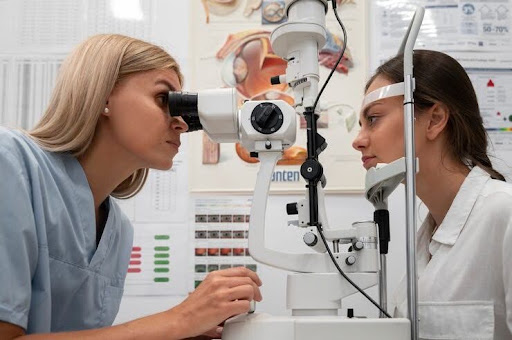
Patients with keratoconus, corneal scarring, high astigmatism, post-surgical corneas, or unexplained ghosting should ask whether custom lenses may provide a more effective solution than standard disposable toric designs. A specialty evaluation helps identify the best approach.
Why Customization Can Be Worth the Extra Time
The goal of custom lenses is not to make vision correction more complicated. The goal is to solve problems that standard lens designs cannot solve effectively. If a patient's eyes fall within the design limits of standard toric lenses, those lenses may work very well. If not, continuing to force a standard solution can lead to ongoing blur, frustration, dryness, and disappointment. Custom lenses provide an option when traditional approaches are not creating the desired results.
A specialty lens evaluation takes a closer look at the eye and lens relationship. The doctor may evaluate corneal topography, tear quality, lens rotation, lens movement, visual acuity, and over-refraction during comprehensive eye exams. These findings help determine whether the problem is related to prescription, fit, dryness, corneal irregularity, or lens stability. This information allows the doctor to create a more precise recommendation based on the patient’s individual needs.
Patients should also understand that custom lenses often require additional measurements, trial lenses, follow-up visits, and refinements. Although the process may take longer, it can result in significantly better vision and comfort. Each adjustment provides valuable information that helps improve lens performance and long-term wear success.
For patients who have struggled with contact lens performance for months or years, a customized approach can often be the turning point. Custom contact lenses for astigmatism and other specialty designs can provide improved clarity, stability, and comfort when standard disposable toric lenses are not meeting visual needs. The right lens solution depends on the unique condition of each eye, lifestyle requirements, and long-term vision goals.
Questions to Ask Your Eye Doctor
Ask whether your blur is caused by lens rotation, prescription limitations, dryness, or corneal shape. Understanding the source of the problem helps determine whether standard toric lenses remain a realistic option or whether a different lens approach may be needed for clearer and more stable vision.
Ask whether corneal topography or other imaging would help explain why your contact lenses are not providing stable vision. Imaging often reveals irregular astigmatism that may not be obvious through prescription testing alone and can provide valuable information for specialty lens fitting decisions and customized care.

Ask whether your blur is caused by lens rotation, prescription limitations, dryness, or corneal shape. Understanding the source of the problem helps determine whether standard toric lenses remain a realistic option or whether a different lens approach may be needed for clearer and more stable vision.
Ask whether corneal topography or other imaging would help explain why your contact lenses are not providing stable vision. Imaging often reveals irregular astigmatism that may not be obvious through prescription testing alone and can provide valuable information for specialty lens fitting decisions and customized care.
Finally, ask which custom lens options best fit your lifestyle. Different lens designs vary in handling requirements, cleaning routines, comfort characteristics, and follow-up needs. Understanding these differences can help you make a more informed decision about specialty contact lenses and select the best solution for lasting comfort, confidence, and vision quality.
Stop Settling for Unstable Contact Vision
If your toric contacts rotate, blur, dry out, or never seem as clear as your glasses, it may be time to schedule a specialty contact lens evaluation. Bring your current lenses, glasses, prescription history, and notes about when vision becomes unstable. These details help the doctor understand what standard lenses have not been able to solve and identify the best approach for your vision needs.
Kleinwood Vision provides specialty contact lenses Houston patients can rely on for more customized vision correction. Through detailed testing, comprehensive eye exams, and advanced fitting techniques, we can determine whether custom contact lenses for astigmatism or other specialty lens options may provide clearer and more comfortable vision. Contact us to schedule an evaluation and learn whether a custom solution may be right for your eyes.
Contact Info
Hours of Operation
Mon - Fri | 9:00 AM - 5:00 PM
Sat - Sun | Closed
Holiday Hours: We are closed for the following holidays: New Years Day, Memorial Day, Independence Day, Labor Day, Thanksgiving Day, Christmas Day
The information provided on this website is for general informational purposes only and does not constitute professional medical advice, diagnosis, or treatment. Always seek the guidance of a licensed eye care professional or qualified health provider with any questions you may have regarding a medical condition or vision concern. Results from eye care services may vary by individual.
© 2026 Kleinwood Vision. All rights Reserved.