
Specialty Contact Lenses
When Soft Contacts Stop Working

FSDAVCFEBFEVSDDVFSD

FSDAVCFEBFEVSDDVFSD

FSDAVCFEBFEVSDDVFSD
Why Soft Lenses Sometimes Stop Being Enough
Soft contact lenses work well for many people, but they are not designed to solve every comfort issue indefinitely. Some patients wear them for years and later notice vision feels less crisp, lenses feel drier, or comfort does not last as long. This gradual change can feel confusing, especially when the prescription appears correct.
In many cases, the problem is not only about lens power. Tear film quality, lens stability, and corneal shape can change over time. A specialty contact lens exam Houston patients trust helps determine whether soft contacts blurry or uncomfortable are the right choice or if lens options may improve clarity overall.
Soft contact lenses work well for many people, but they are not designed to solve every comfort issue indefinitely. Some patients wear them for years and later notice vision feels less crisp, lenses feel drier, or comfort does not last as long. This gradual change can feel confusing, especially when the prescription appears correct.

In many cases, the problem is not only about lens power. Tear film quality, lens stability, and corneal shape can change over time. A specialty contact lens exam Houston patients trust helps determine whether soft contacts blurry or uncomfortable are the right choice or if lens options may improve clarity overall.
The Signs a Standard Lens May Be Falling Short
One of the most common signs is inconsistent clarity. Vision may fluctuate throughout the day, appear slightly blurred, or feel less sharp than glasses in certain situations. Patients sometimes notice that blinking briefly improves clarity or that vision changes with lens movement. These patterns suggest that lens stability or design may no longer be fully supporting visual needs. Over time, even a correct prescription may not provide the same level of sharpness or consistency patients once experienced with soft contact lenses.
Comfort changes are another important clue. Lenses that once felt easy to wear may now become dry or irritating by midday. Some patients begin shortening wear time without planning to, relying more on glasses or using drops frequently just to stay comfortable. This shift often reflects changes in tear film performance or how the lens interacts with the eye surface during daily wear.
Repeatedly trying new soft lens brands without meaningful improvement is often the clearest signal. If each change offers only minor relief, the issue may not be the brand itself. Instead, it may indicate that upgrading to specialty lenses is the more effective next step.
Why This Happens Over Time
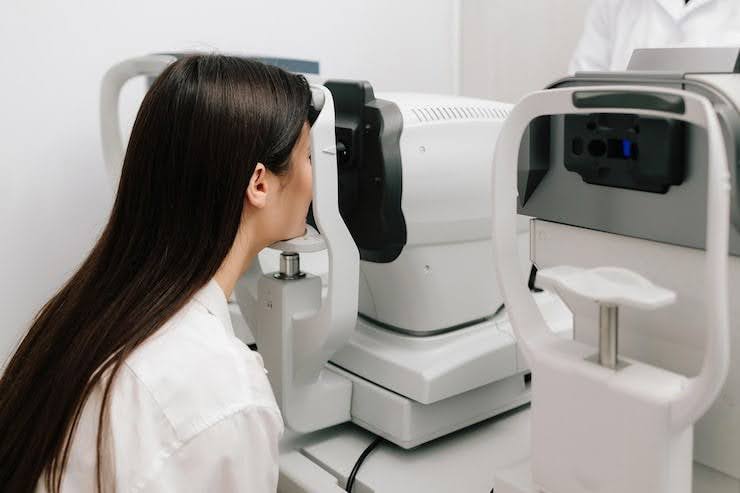
Eyes naturally change over time, even when patients expect their contact lenses to keep working the same way. Tear film quality may decline, eyelid interaction can shift, and visual demands from screens or work may increase. These changes can expose the limitations of standard soft lenses, especially when they were only meeting basic needs to begin with. Patients may begin noticing more dryness, inconsistent clarity, or reduced comfort during long days of wear.
This is why the problem often develops gradually. Patients may assume they just need a stronger prescription or a different brand, but the real issue may be that the current lens type is no longer the best match.
A specialty contact lens exam Houston evaluation helps determine whether the solution lies within soft lenses or requires a different category altogether for improved comfort and stable vision.
Patients often continue trying soft lenses because they are familiar and easy to manage. The idea of switching to something new can feel unnecessary or complicated, especially for people who have worn the same type of lenses for years. However, staying with a lens that no longer performs well can lead to ongoing frustration, inconsistent vision, and reduced daily comfort. Many patients begin adjusting their routines around discomfort without realizing a better option may already be available through specialty lens solutions designed for changing visual needs.
If vision is inconsistent or lenses feel uncomfortable more often than not, it may be time to reconsider the current approach. A proper evaluation helps compare the effort of upgrading with the benefit of improved clarity and comfort. This process makes the decision more practical and less uncertain while helping patients understand whether soft lenses still meet their needs or if another lens type would provide better long-term results.
When Specialty Lenses Make More Sense
Specialty lenses become a more practical option when soft contacts no longer meet daily needs. This may include unstable vision, difficulty correcting astigmatism, ongoing dryness, or discomfort that limits wear time. Some patients need clearer optics, while others need better comfort or both, especially during long workdays or extended screen use. These issues often signal that standard lenses are no longer providing optimal visual support.
At this point, the focus should shift from trying another soft lens to finding the best overall solution. A specialty contact lens exam Houston visit can help identify better contact lens options tailored to individual eye needs. This may include custom contact lenses Houston patients rely on for improved clarity, stability, and performance. The goal is to ensure the lens is matched to the eye rather than forcing the eye to adapt to a standard design, leading to more consistent comfort and vision.
Why Another Brand Is Not Always Enough
Switching brands can help when the issue is minor, but it does not resolve every problem. If the limitation comes from the lens type itself, changing to a similar soft lens may only produce small differences without solving the main concern.
This is why repeated brand changes without improvement should not be ignored. They often indicate that the eye needs a different lens design rather than another variation of the same option.
A specialty lens evaluation helps break this cycle by focusing on the root cause. Instead of guessing which brand might work next, the goal becomes identifying a lens that better fits the eye’s structure and visual needs. This approach ensures more accurate fitting, better comfort, and improved long-term visual performance overall are achieved.
Switching brands can help when the issue is minor, but it does not resolve every problem. If the limitation comes from the lens type itself, changing to a similar soft lens may only produce small differences without solving the main concern.
This is why repeated brand changes without improvement should not be ignored. They often indicate that the eye needs a different lens design rather than another variation of the same option.
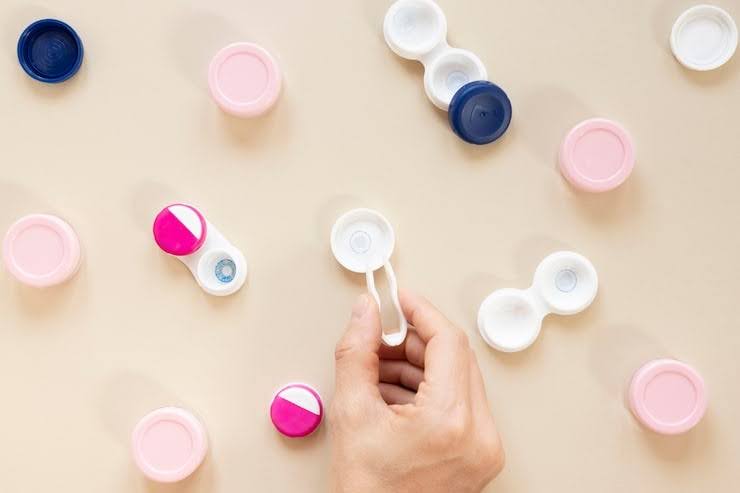
A specialty lens evaluation helps break this cycle by focusing on the root cause. Instead of guessing which brand might work next, the goal becomes identifying a lens that better fits the eye’s structure and visual needs. This approach ensures more accurate fitting, better comfort, and improved long-term visual performance overall are achieved.
Why Upgrading Can Improve Daily Vision
When soft contacts stop working, it is not a failure. It is a sign that the eye’s needs have changed and may require a more tailored solution. Many patients assume they are no longer good candidates for contact lenses, when in reality they may simply need a more advanced design. This becomes the point where patients benefit from reassessment rather than repeated brand changes alone. Understanding this shift can prevent frustration trial error similar lens types.
Upgrading to specialty lenses often leads to noticeable improvements. Patients may experience sharper vision, better stability, and longer wear time without discomfort. These changes can significantly improve daily activities such as driving, reading, and screen use. Consistent performance across different environments is another key benefit patients notice after upgrading. It helps reduce fluctuations occur with soft lenses during long wear hours.
A comprehensive approach through comprehensive eye exams helps determine which option is most suitable. Whether it is a custom soft lens, hybrid lens, or another specialty design, the goal is to find the simplest solution that delivers consistent results. This evaluation also considers lifestyle demands, tear film quality, and corneal shape for a precise match. Such detailed assessment reduces trial and error and improves success with lenses.
Ultimately, better contact lens options are about matching the lens to the eye’s needs. When the right fit is achieved, patients often experience a level of comfort and clarity that standard lenses could not provide. Fewer replacements and more predictable comfort once the correct design is selected. specialty fitting important step in achieving stable reliable vision correction.
Questions to Ask Before Upgrading
Ask whether the issue is related to your current lens brand or the broader soft-lens category. This distinction helps avoid unnecessary trials and focuses the conversation on more effective solutions.
It is also helpful to ask what improvements you can expect. Whether the goal is sharper vision, better comfort, or longer wear time, understanding realistic outcomes makes the decision clearer.
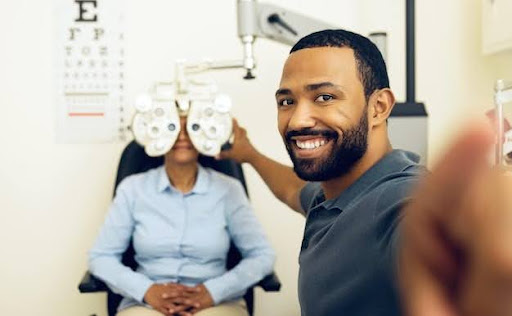
Ask whether the issue is related to your current lens brand or the broader soft-lens category. This distinction helps avoid unnecessary trials and focuses the conversation on more effective solutions.
It is also helpful to ask what improvements you can expect. Whether the goal is sharper vision, better comfort, or longer wear time, understanding realistic outcomes makes the decision clearer.
Finally, ask about the fitting process and follow-up care. Knowing what to expect helps you feel more prepared and confident when considering an upgrade to specialty lenses.
This ensures clarity about each step of the process and reduces uncertainty during selection. It also allows better planning for adjustments if initial lenses need refinement after trials. Patients benefit from structured follow up because it improves long term comfort and vision stability. Overall, asking these questions leads to more informed and effective lens decisions overall satisfaction improved.
This ensures clarity about each step of the process and reduces uncertainty during selection. It also allows better planning for adjustments if initial lenses need refinement after trials. Patients benefit from structured follow up because it improves long term comfort and vision stability. Overall, asking these questions leads to more informed and effective lens decisions overall satisfaction improved.
Your Next Steps Before Your Visit
Before your appointment, take note of how your lenses are performing. Pay attention to blur, dryness, fluctuating vision, or discomfort during specific activities. Bring your current lenses, packaging, and glasses to provide a complete picture during your exam. These details help guide a more accurate evaluation and allow your eye doctor to better understand daily visual challenges. This preparation also makes it easier to identify whether issues are related to lens fit, material, or overall eye changes that may require a different approach.
If soft contacts are no longer meeting your needs, Kleinwood Vision can help determine whether upgrading to specialty lenses is the right step. A personalized plan can improve clarity, comfort, and long-term wear success. Contact us to schedule your visit and take the next step toward more reliable vision and improved eye comfort today for personalized care
Contact Info
Hours of Operation
Mon - Fri | 9:00 AM - 5:00 PM
Sat - Sun | Closed
Holiday Hours: We are closed for the following holidays: New Years Day, Memorial Day, Independence Day, Labor Day, Thanksgiving Day, Christmas Day
The information provided on this website is for general informational purposes only and does not constitute professional medical advice, diagnosis, or treatment. Always seek the guidance of a licensed eye care professional or qualified health provider with any questions you may have regarding a medical condition or vision concern. Results from eye care services may vary by individual.
© 2026 Kleinwood Vision. All rights Reserved.