
NeuroLens
When Prism Helps and Why

FSDAVCFEBFEVSDDVFSD
FSDAVCFEBFEVSDDVFSD

FSDAVCFEBFEVSDDVFSD
What Prism Does For Your Eyes
Prism lenses do not make vision sharper but help the eyes align images more comfortably, making vision easier to maintain. When the visual system constantly corrects small alignment differences, extra effort can cause headaches, fatigue, or nausea-like discomfort, even with clear eyesight. Prism shifts the image slightly so the brain works less to keep vision single and stable.
A comprehensive eye exam Houston can determine whether symptoms match measurable alignment stress. When prescribed based on precise testing, prism can reduce daily visual strain. Many patients notice reading, driving, and screen work feel steadier and less tiring when prism is tailored to their alignment needs.
Prism lenses do not make vision sharper but help the eyes align images more comfortably, making vision easier to maintain. When the visual system constantly corrects small alignment differences, extra effort can cause headaches, fatigue, or nausea-like discomfort, even with clear eyesight. Prism shifts the image slightly so the brain works less to keep vision single and stable.

A comprehensive eye exam Houston can determine whether symptoms match measurable alignment stress. When prescribed based on precise testing, prism can reduce daily visual strain. Many patients notice reading, driving, and screen work feel steadier and less tiring when prism is tailored to their alignment needs.
Signs You May Be a Prism Candidate
Prism tends to help when symptoms follow a clear pattern of binocular vision effort. People who benefit from prism glasses for headaches often experience fatigue after reading, pressure around the eyes, intermittent double vision, or dizziness in visually busy environments. Some notice that covering one eye briefly provides relief. Others describe grocery aisles, scrolling on phones, night driving, or long computer sessions as particularly draining even when vision remains technically clear. These patterns suggest the eyes are working harder than usual to maintain alignment, and prism may reduce that effort.
Your optometrist confirms whether those symptoms match measurable findings. Determining when prism helps requires more than a quick alignment check. A detailed exam includes refraction, phoria testing at both distance and near, vergence ranges to measure how well the eyes move inward and outward, and fixation disparity testing to evaluate how the eyes align during real tasks. Focusing ability may also be measured because accommodation can affect alignment comfort.
If testing shows your eyes are constantly compensating, trial prism testing can demonstrate whether correction reduces effort. NeuroLens lenses use contoured prism technology designed to support multiple viewing distances for people switching between screens and distance tasks.
Common Symptoms Prism Glasses Usually Improve

Prism correction most often improves headaches linked to near work and screen fatigue. Patients frequently report fewer breaks during reading, less brow pressure, and reduced end-of-day exhaustion once prism correction provides eye alignment support. With the eyes working less to stay coordinated, visual tasks feel more sustainable, allowing for longer periods of reading, screen use, or other near work without discomfort.
Prism may also improve comfort during activities that require stable eye alignment, such as night driving or extended meetings where visual focus must remain steady.
However, prism does not address every type of headache. Headaches caused by hormonal changes, sinus conditions, or neurological issues may not respond to prism correction. That is why exams carefully identify patterns, including symptom triggers, relief when one eye is covered, and how alignment behaves under visual demand, ensuring treatment targets the source of visual strain.
Preparing for a prism evaluation can make testing more effective. Bring your current glasses and write down when symptoms appear and what situations trigger them. Note whether discomfort worsens later in the day, after extended screen use, or in visually busy environments. If you have a history of migraines, concussions, or neck injuries, sharing this information helps your doctor understand how your visual system may be compensating and guides the evaluation.
During testing, describe how different lens combinations feel. Even a very small prism adjustment can create a noticeable change in comfort or stability. Your feedback helps refine the prescription so the correction aligns with both the measurements and your real-world experience. If a trial period is recommended, following the wearing instructions and tracking daily results ensures the final prescription is accurate and effective, providing the most relief for headaches, visual fatigue, and alignment strain.
How Prism Is Fine-Tuned Over Time
Prism correction is often introduced gradually, particularly for people who have been compensating for alignment strain for many years. The initial prescription usually aims to reduce effort without overcorrecting. After a short adaptation period, follow-up visits help determine whether symptoms improved, stayed the same, or changed. Small refinements can dramatically improve comfort because prism is directional and highly precise.
Your optometrist may also adjust your base prescription at the same time, since visual clarity and alignment function together. For individuals who spend long hours on digital devices, lens design and workstation habits can influence results. If a NeuroLens evaluation is recommended, your doctor will explain how its measurement process differs and how improvement will be assessed. The ultimate goal is comfortable vision throughout the day, not just temporary relief during the exam.
Red Flags Prism Won’t Solve
Prism correction is not intended for emergency symptoms. Sudden double vision, severe eye pain, rapid vision loss, or a new drooping eyelid require immediate medical evaluation and should never be treated as simple eye strain.
If dizziness occurs alongside neurological warning signs such as confusion, weakness, slurred speech, or severe imbalance, emergency care is necessary. While visual misalignment can contribute to discomfort, serious neurological symptoms must be addressed urgently by a medical professional.
Prism correction is not intended for emergency symptoms. Sudden double vision, severe eye pain, rapid vision loss, or a new drooping eyelid require immediate medical evaluation and should never be treated as simple eye strain.
If dizziness occurs alongside neurological warning signs such as confusion, weakness, slurred speech, or severe imbalance, emergency care is necessary. While visual misalignment can contribute to discomfort, serious neurological symptoms must be addressed urgently by a medical professional.
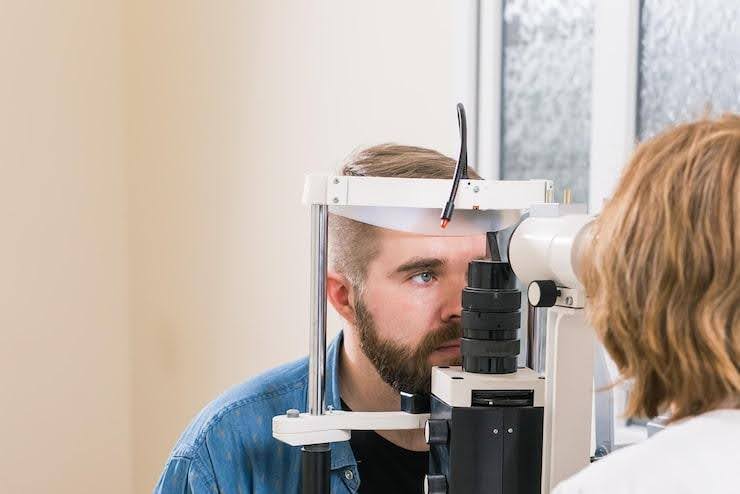
For persistent strain without emergency signs, prism may be a useful solution when testing confirms that alignment effort is the primary cause. A detailed exam ensures that ocular health issues are ruled out and that treatment targets measurable binocular vision dysfunction rather than relying on trial and error.
What Happens After Prism Is Prescribed
Once prism lenses are prescribed, consistent wear allows the visual system to relax its constant compensating effort. Many patients notice improved visual stamina even before changes in sharpness are apparent. Tracking outcomes such as headache frequency, reading duration before fatigue, and comfort in visually busy environments provides valuable feedback during the adjustment period. Keeping a daily log of symptoms can help your optometrist fine-tune the prescription and assess whether additional interventions may be needed.
If symptoms improve but do not fully resolve, follow-up visits allow the prescription to be refined. Your optometrist may adjust prism strength, modify lens design, or address contributing factors such as dryness, glare sensitivity, or focusing difficulties. Because prism correction is highly specific, even small adjustments can make a significant difference in comfort and reduce the effort the eyes require to maintain single, stable vision.
For patients who spend much of the day switching between near and distance tasks, a NeuroLens evaluation may be recommended if testing and symptoms indicate measurable misalignment. NeuroLens lenses use contoured prism to reduce alignment demand across multiple viewing distances. Your doctor will explain candidacy, how measurements are taken, and how improvement will be monitored over time to ensure optimal results and sustained comfort.
Before leaving your appointment, you should have a clear follow-up plan and realistic expectations for adaptation. If new lenses create sensations such as tilt, nausea, or worsening headaches, reporting these details allows precise adjustments. With structured monitoring and careful fine-tuning, prism glasses for headaches can significantly reduce visual strain, making daily tasks like reading, driving, and screen work feel calmer and more manageable.
Frequently Asked Questions About Prism Glasses
Patients often ask whether prism lenses weaken the eyes over time. Prism does not weaken eye muscles; it reduces the constant effort your brain uses to align images. When symptoms come from compensating for alignment differences, prism removes unnecessary strain and allows the visual system to function more comfortably, easing activities like reading or screen use.
Another common question is how quickly improvement occurs. Some feel relief immediately, while others notice gradual improvement as the brain adapts. Tracking symptoms such as headache frequency, reading stamina, and screen tolerance helps determine if the correction is working effectively.
Patients often ask whether prism lenses weaken the eyes over time. Prism does not weaken eye muscles; it reduces the constant effort your brain uses to align images. When symptoms come from compensating for alignment differences, prism removes unnecessary strain and allows the visual system to function more comfortably, easing activities like reading or screen use.
Another common question is how quickly improvement occurs. Some feel relief immediately, while others notice gradual improvement as the brain adapts. Tracking symptoms such as headache frequency, reading stamina, and screen tolerance helps determine if the correction is working effectively.
Patients also ask whether NeuroLens evaluation is better than traditional prism. The answer depends on individual measurements and daily visual demands. NeuroLens may help those with measurable misalignment and heavy digital workloads, but it is not a universal replacement for prism. The best option matches your test results and lifestyle.
Your Next Step If You’re Curious
If headaches, dizziness, or screen fatigue continue despite otherwise clear vision, scheduling a comprehensive eye exam Houston with binocular vision testing can provide valuable insight. Bring your current eyewear and a record of when symptoms appear so your doctor can compare measurements with real-life triggers. Noting when symptoms worsen during extended digital device use or visually demanding tasks helps guide the evaluation and ensures the exam focuses on your specific needs.
At Kleinwood Vision, your optometrist can determine when prism helps, whether prism correction for eye alignment is appropriate, and whether a NeuroLens evaluation fits your visual profile. The goal is targeted relief based on precise measurements rather than guesswork. If persistent visual strain is affecting your daily routine, Contact us to schedule an exam and begin working toward steadier, more comfortable vision for reading, screen work, and everyday activities.
Contact Info
Hours of Operation
Mon - Fri | 9:00 AM - 5:00 PM
Sat - Sun | Closed
Holiday Hours: We are closed for the following holidays: New Years Day, Memorial Day, Independence Day, Labor Day, Thanksgiving Day, Christmas Day
The information provided on this website is for general informational purposes only and does not constitute professional medical advice, diagnosis, or treatment. Always seek the guidance of a licensed eye care professional or qualified health provider with any questions you may have regarding a medical condition or vision concern. Results from eye care services may vary by individual.
© 2026 Kleinwood Vision. All rights Reserved.