
Myopia Management
When Childhood Nearsightedness Requires Myopia Management

FSDAVCFEBFEVSDDVFSD

FSDAVCFEBFEVSDDVFSD

FSDAVCFEBFEVSDDVFSD
Why a Mid-Year Diagnosis Matters
A child can become noticeably nearsighted at any point during the school year. Parents may first notice squinting, complaints about the board, headaches, moving closer to screens, or a teacher reporting difficulty seeing from their seat. The first step is scheduling a comprehensive eye evaluation so the child receives clear vision needed for learning and daily activities.
When a child becomes nearsighted during school year routines, parents should think beyond updating glasses. A new myopia diagnosis kids receive often raises questions about future progression and long-term eye health. Parents should ask when to start myopia management instead of waiting until the next annual visit.
A child can become noticeably nearsighted at any point during the school year. Parents may first notice squinting, complaints about the board, headaches, moving closer to screens, or a teacher reporting difficulty seeing from their seat. The first step is scheduling a comprehensive eye evaluation so the child receives clear vision needed for learning and daily activities.

When a child becomes nearsighted during school year routines, parents should think beyond updating glasses. A new myopia diagnosis kids receive often raises questions about future progression and long-term eye health. Parents should ask when to start myopia management instead of waiting until the next annual visit.
How Quickly Should Parents Act?
Parents should schedule an eye exam as soon as repeated signs of distance blur appear. A child who cannot see the board clearly may struggle with participation, confidence, classroom engagement, and overall academic performance. Waiting several months can make school more challenging and may allow vision changes to continue without a proper plan for care. Early evaluation helps identify changes and ensures children receive appropriate vision correction when needed.
Once myopia is confirmed, parents should ask whether myopia management for children should be discussed during that visit or shortly afterward. The doctor may review the child’s age, prescription level, family history, lifestyle habits, and visual demands before recommending an approach. Some children benefit from immediate treatment discussions, while others may require additional monitoring before a decision is made.
Understanding myopia control timing is especially important because early intervention often provides more opportunities to slow progression. If the child is young, has a strong family history of myopia, spends extensive time on near work, or has limited outdoor activity, treatment discussions may need to begin sooner rather than later. A proactive approach can help support long-term eye health and better visual outcomes.
Signs That Myopia May Be Progressing

Parents should watch for repeated squinting, sitting closer to the television, difficulty seeing classroom boards, complaints about blurry distance vision, or requests to move closer during lessons. Some children may also become frustrated during sports or activities that depend on clear distance vision. These signs can indicate the need for a comprehensive eye exam to assess vision changes and determine if updated correction is needed.
Progression risk is often higher when symptoms begin at a younger age or when prescription changes happen quickly. A child who develops nearsightedness early has more years available for myopia to progress. This makes early conversations about when to start myopia management particularly important. Understanding risk factors and discussing suitable treatment options with an eye care professional can help protect children’s long-term vision and support healthier visual development through timely care and regular monitoring too.
Teachers may notice signs before parents do. A child might copy notes more slowly, ask classmates what is written on the board, lose focus during distance instruction, or avoid participating because details appear blurry. These concerns can sometimes be mistaken for attention or learning difficulties when vision is actually the underlying issue. Early recognition of these signs can help children receive proper support and maintain clear vision for classroom success.
Parents should take school feedback seriously, especially when it matches observations at home. If teachers report squinting or distance vision problems, an eye exam should not be delayed. Clear vision supports academic success, and early evaluation helps determine whether glasses alone are sufficient or whether myopia management for children should also be considered. Timely care can support healthy vision development and improve daily comfort while helping children stay confident during learning activities and everyday tasks with better visual clarity. Regular monitoring and follow-up visits can further protect long-term eye health.
Why Waiting Can Make Decisions Harder
Waiting too long to discuss treatment can make it harder to understand how quickly a child’s myopia is changing. If several months pass before follow-up care, the doctor may have fewer opportunities to identify progression patterns. Early baseline measurements provide valuable information that helps guide future decisions and determine the most suitable approach for managing vision changes.
Delaying the conversation can also leave families feeling rushed later. If the prescription changes again before the next school year, parents may suddenly need to make treatment decisions under pressure. Early discussions about myopia management allow families to learn about available options, responsibilities, benefits, and follow-up requirements before additional progression occurs. Timely guidance helps parents make informed choices and support their child’s long-term eye health.
What Starting Early Can Help With
Starting the conversation early allows the doctor to establish a baseline prescription, review progression risk factors, and explain available treatment options before the condition advances further. This helps parents make informed decisions rather than reacting after multiple prescription increases.
Early planning also gives families time to prepare for treatment routines. Depending on the recommendation, management may involve specialty contact lenses, atropine drops, myopia-control glasses, or regular monitoring visits. Understanding these options in advance often makes implementation easier and more manageable.
Starting the conversation early allows the doctor to establish a baseline prescription, review progression risk factors, and explain available treatment options before the condition advances further. This helps parents make informed decisions rather than reacting after multiple prescription increases.
Early planning also gives families time to prepare for treatment routines. Depending on the recommendation, management may involve specialty contact lenses, atropine drops, myopia-control glasses, or regular monitoring visits. Understanding these options in advance often makes implementation easier and more manageable.

Most importantly, starting early can support both current vision and future eye health. Children benefit from clear sight in the classroom while receiving a strategy designed to address long-term progression risks. Early myopia management can help protect visual development and provide better outcomes.
Why School Performance Should Not Be Overlooked
A mid-school-year diagnosis can feel stressful because parents often wonder whether their child simply needs glasses or whether a larger issue should be addressed. The first priority is helping the child see clearly right away, but the second priority is understanding whether the myopia is likely to continue progressing. A comprehensive eye evaluation can provide important information about the child’s current vision and future needs.
The doctor may recommend updated glasses immediately, but that should not necessarily end the discussion. Younger children, those with a strong family history of myopia, or children whose prescriptions change rapidly may benefit from additional management strategies. Reviewing these factors early allows parents to make informed decisions before vision changes become more significant and helps create a personalized care plan.
School demands do not pause while families wait for summer break or the next annual appointment. Children use their vision every day for reading, classroom participation, technology use, and extracurricular activities. Acting promptly helps reduce uncertainty and provides a stronger plan for maintaining visual comfort throughout the school year while supporting academic performance and confidence.
Parents should remember that myopia management is not an emergency in the alarming sense, but it is time-sensitive from a practical perspective. Early action can help preserve classroom performance, confidence, and long-term eye health while creating a clearer roadmap for future care. Discussing options with an eye care professional helps families understand available treatments, monitoring needs, and strategies designed to address myopia progression effectively.
Questions Parents Should Ask Right Away
Ask whether your child’s prescription suggests simple nearsightedness or a higher risk of progression. Understanding the risk level helps determine whether glasses alone may be enough or whether additional treatment should be considered. This evaluation allows parents to understand their child’s current vision status and plan appropriate care for future needs.
Ask whether myopia management for children should begin immediately or whether a short monitoring period is recommended. The answer may depend on age, family history, prescription level, and examination findings. Understanding myopia control timing can help parents make informed decisions about suitable treatment options and follow-up plans.
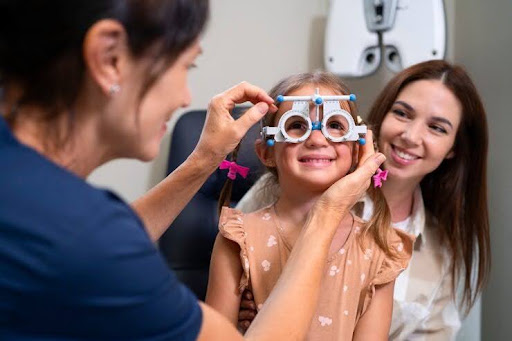
Ask whether your child’s prescription suggests simple nearsightedness or a higher risk of progression. Understanding the risk level helps determine whether glasses alone may be enough or whether additional treatment should be considered. This evaluation allows parents to understand their child’s current vision status and plan appropriate care for future needs.
Ask whether myopia management for children should begin immediately or whether a short monitoring period is recommended. The answer may depend on age, family history, prescription level, and examination findings. Understanding myopia control timing can help parents make informed decisions about suitable treatment options and follow-up plans.
Finally, ask what signs should trigger an earlier follow-up appointment. Renewed squinting, blurry distance vision, classroom complaints, or rapid prescription changes may indicate that the child should be evaluated sooner than planned. Regular monitoring supports healthy vision development, comfort, and long-term eye health.
Do Not Wait for Summer Break
If your child becomes nearsighted during school year activities, schedule an eye exam promptly rather than waiting for a school break. Bring teacher comments, school vision screening results, and notes about symptoms at home. These details help the doctor understand how vision changes are affecting daily life and academic performance. Scheduling a kids eye exam Houston families trust can provide answers before the school year becomes more difficult.
At Kleinwood Vision, we provide pediatric eye exams and evaluate children with a new myopia diagnosis kids receive during the school year. We can discuss when to start myopia management, review treatment options, and create a personalized plan designed to support long-term vision health. If you have questions about your child’s eyesight or progression risk, contact us to schedule an appointment and learn more about protecting your child’s future vision.
Contact Info
Hours of Operation
Mon - Fri | 9:00 AM - 5:00 PM
Sat - Sun | Closed
Holiday Hours: We are closed for the following holidays: New Years Day, Memorial Day, Independence Day, Labor Day, Thanksgiving Day, Christmas Day
The information provided on this website is for general informational purposes only and does not constitute professional medical advice, diagnosis, or treatment. Always seek the guidance of a licensed eye care professional or qualified health provider with any questions you may have regarding a medical condition or vision concern. Results from eye care services may vary by individual.
© 2026 Kleinwood Vision. All rights Reserved.