
Specialty Contact Lenses
What to Expect at a Specialty Lens Fitting

FSDAVCFEBFEVSDDVFSD

FSDAVCFEBFEVSDDVFSD

FSDAVCFEBFEVSDDVFSD
Why Specialty Lens Fittings Take More Planning
A specialty contact lens fitting differs from a routine soft contact lens visit because the goal is more complex than matching a standard prescription to an ordinary lens. Many patients seek specialty lenses when glasses or traditional contacts no longer provide clarity, comfort, or stability, especially with keratoconus, dry eye concerns, irregular corneas, or post-surgical changes.
That is why the specialty contact lens fitting process requires planning and evaluation. A specialty contact lens exam Houston patients schedule studies corneal shape, tear-film health, visual demands, and lens performance in detail to create a customized fitting plan that addresses the patient’s visual problem and long-term comfort expectations.
A specialty contact lens fitting differs from a routine soft contact lens visit because the goal is more complex than matching a standard prescription to an ordinary lens. Many patients seek specialty lenses when glasses or traditional contacts no longer provide clarity, comfort, or stability, especially with keratoconus, dry eye concerns, irregular corneas, or post-surgical changes.

That is why the specialty contact lens fitting process requires planning and evaluation. A specialty contact lens exam Houston patients schedule studies corneal shape, tear-film health, visual demands, and lens performance in detail to create a customized fitting plan that addresses the patient’s visual problem and long-term comfort expectations.
What Happens During the Initial Evaluation
The first appointment usually begins with a detailed discussion about your vision history, current correction, daily symptoms, and what has or has not worked well in the past. Your optometrist may ask about prior contact lens failures, dryness, surgery history, glasses clarity, or problems such as ghosting, fluctuating vision, discomfort, and short wear time. This information is important because the specialty contact lens fitting process depends heavily on understanding why ordinary correction has not provided satisfactory results for the patient over time.
The exam itself often includes measurements that go beyond a routine soft lens fitting. Depending on the case, this may involve corneal topography, tear-film assessment, surface evaluation, and detailed shape analysis of the eye. A specialty contact lens exam Houston providers perform is designed to identify which lens category is most likely to improve clarity, comfort, and stability instead of relying on repeated unsuccessful trial-and-error approaches.
Trial lenses are commonly used to evaluate lens movement, centration, vaulting, and interaction with the eye. During a scleral lens fitting, the doctor carefully evaluates how the lens clears the cornea and rests on the scleral surface as part of the custom contact lens fitting process overall.
Why Follow-Up Visits Are So Important

Specialty lens follow-up visits are an essential part of the fitting process because many specialty lenses require refinement after patients begin wearing them in real-world situations. A lens that appears promising during the initial evaluation may still need adjustment once daily wear reveals issues involving fogging, comfort, wear time, insertion, or end-of-day visual performance. Those details often become much clearer after regular use outside the exam room.
This is why patients should not expect the fitting process to finish after only one visit. Specialty lens follow-up visits are part of the overall value of the fitting process rather than a sign that something is going wrong.
The goal is to combine patient feedback with clinical evaluation so the lens can gradually be refined for the best possible balance of vision, comfort, and ocular health over time through careful adjustments and continued monitoring overall.
Patients usually feel much more comfortable once they understand that custom contact lens fitting is intentionally iterative by design. A more personalized lens requires more information to finalize properly, which is why detailed follow-up care matters so much during the early phase of treatment. Patients are not expected to have every detail perfected immediately during the first appointment or first lens trial.
It also helps to understand that learning insertion and removal techniques may take time, especially during a scleral lens fitting or other larger specialty lens designs. Some patients adapt very quickly, while others need additional practice and coaching before the process feels routine. This is completely normal and should not be viewed as failure or inability to wear specialty lenses successfully. The fitting process is designed to create a lens that performs well during real daily life rather than simply appearing acceptable during a brief office evaluation alone without longer-term wear assessment and adaptation support overall.
What Results Patients Should Realistically Expect
The expected outcome depends largely on why the specialty lens is being prescribed in the first place. Some patients primarily need sharper vision because glasses and ordinary soft lenses cannot adequately overcome irregular corneal optics. Others are looking for longer wear time, more stable vision, or better comfort than standard lenses have provided consistently throughout the day. In many situations, specialty lenses can create meaningful improvement, but realistic expectations remain extremely important for success.
Patients should also understand that specialty fitting is usually a process rather than an instant finish line. Final results often become clearer after follow-up refinement, adaptation, and real-world wear experience. A successful specialty contact lens fitting process aims to balance clarity, comfort, wearability, and long-term ocular health. A specialty contact lens exam Houston patients schedule helps guide each step, ensuring progress is evaluated carefully and adjustments are made based on individual eye response over time.
Why This Process Feels Different
Specialty contact lens fittings feel different because they are solving more specific visual and comfort problems than ordinary contact lens visits. The doctor is not only checking whether the prescription appears clear. The lens fit itself is often part of the actual treatment strategy.
That means the process usually involves more measurements, more observation, and more refinement than a routine soft lens appointment. This is especially true for patients with irregular corneas, post-surgical eyes, or previous failures with standard lens options over time.
Specialty contact lens fittings feel different because they are solving more specific visual and comfort problems than ordinary contact lens visits. The doctor is not only checking whether the prescription appears clear. The lens fit itself is often part of the actual treatment strategy.
That means the process usually involves more measurements, more observation, and more refinement than a routine soft lens appointment. This is especially true for patients with irregular corneas, post-surgical eyes, or previous failures with standard lens options over time.
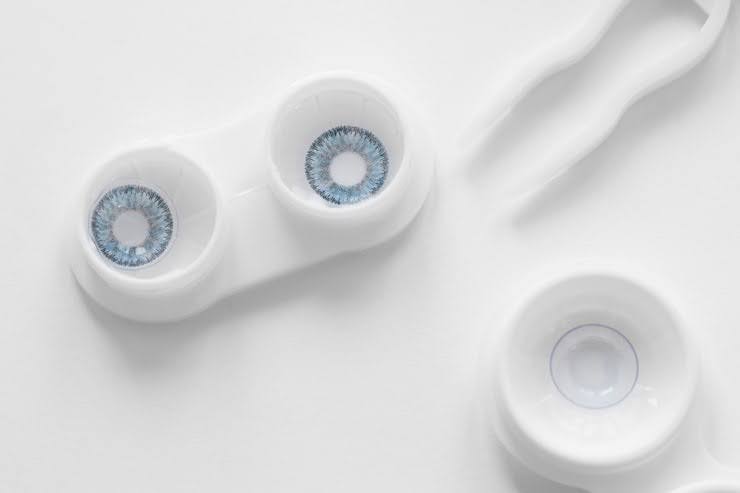
Understanding this difference helps patients remain patient with the process. A longer specialty contact lens fitting process usually reflects a more customized goal and a more detailed solution rather than unnecessary complexity or excessive appointments without purpose during care planning and treatment refinement overall.
Questions to Ask Before Starting
Ask what specific problem the specialty lens is intended to solve, whether that involves blurred vision from an irregular cornea, poor comfort in standard contacts, unstable vision, or limited wear time. Understanding the main goal makes the specialty contact lens fitting process easier to follow and evaluate realistically during treatment.
It is also helpful to ask how many appointments may be involved and what adaptation period is typical for the recommended lens. Knowing what specialty lens follow-up visits may involve helps patients remain realistic instead of expecting perfect results immediately after the first fitting session.

Ask what specific problem the specialty lens is intended to solve, whether that involves blurred vision from an irregular cornea, poor comfort in standard contacts, unstable vision, or limited wear time. Understanding the main goal makes the specialty contact lens fitting process easier to follow and evaluate realistically during treatment.
It is also helpful to ask how many appointments may be involved and what adaptation period is typical for the recommended lens. Knowing what specialty lens follow-up visits may involve helps patients remain realistic instead of expecting perfect results immediately after the first fitting session.
Finally, ask what type of result would count as success for your case. Some patients primarily need sharper vision, while others focus more on comfort, stability, or wear time improvements. Clear expectations make the custom contact lens fitting process easier to understand, evaluate fairly, and manage throughout long-term care overall.
Your Next Steps Before Your Visit
Before your appointment, bring your current glasses, any contact lenses you are using now or have tried recently, and any previous records related to surgery, keratoconus, or irregular corneal findings if available. Be prepared to explain exactly what is not working with your current correction, whether that involves blur, discomfort, ghosting, dryness, unstable vision, or short wear time. These details help your optometrist choose the most appropriate starting point for the fitting process.
If you are considering a specialty contact lens evaluation, Kleinwood Vision can guide you through the testing, fitting, and specialty lens follow-up visits involved in the process so you know what to expect from the beginning. Whether you need scleral lens fitting or another custom lens option, a clearer understanding of the process often makes moving forward feel much easier and more confident. If you are ready to take the next step, contact us.
Contact Info
Hours of Operation
Mon - Fri | 9:00 AM - 5:00 PM
Sat - Sun | Closed
Holiday Hours: We are closed for the following holidays: New Years Day, Memorial Day, Independence Day, Labor Day, Thanksgiving Day, Christmas Day
The information provided on this website is for general informational purposes only and does not constitute professional medical advice, diagnosis, or treatment. Always seek the guidance of a licensed eye care professional or qualified health provider with any questions you may have regarding a medical condition or vision concern. Results from eye care services may vary by individual.
© 2026 Kleinwood Vision. All rights Reserved.