
Myopia Management
Understanding Inconsistent Myopia Treatment and Missed Routines

FSDAVCFEBFEVSDDVFSD

FSDAVCFEBFEVSDDVFSD

FSDAVCFEBFEVSDDVFSD
Why Consistency Matters in Myopia Management
Myopia management is designed to slow the progression of nearsightedness over time, making consistency one of the most important parts of treatment success. Whether a child uses Orthokeratology lenses, low-dose atropine drops, soft multifocal contact lenses, or myopia-control glasses, regular use helps the treatment work as intended. Consistency also allows the doctor to monitor progress and evaluate results accurately.
Missing one dose, one night of lens wear, or one day of glasses use does not usually mean treatment has failed. However, inconsistent myopia treatment can make it difficult to understand results and adjust care when needed. Reliable routines support clearer outcomes.
Myopia management is designed to slow the progression of nearsightedness over time, making consistency one of the most important parts of treatment success. Whether a child uses Orthokeratology lenses, low-dose atropine drops, soft multifocal contact lenses, or myopia-control glasses, regular use helps the treatment work as intended. Consistency also allows the doctor to monitor progress and evaluate results accurately.
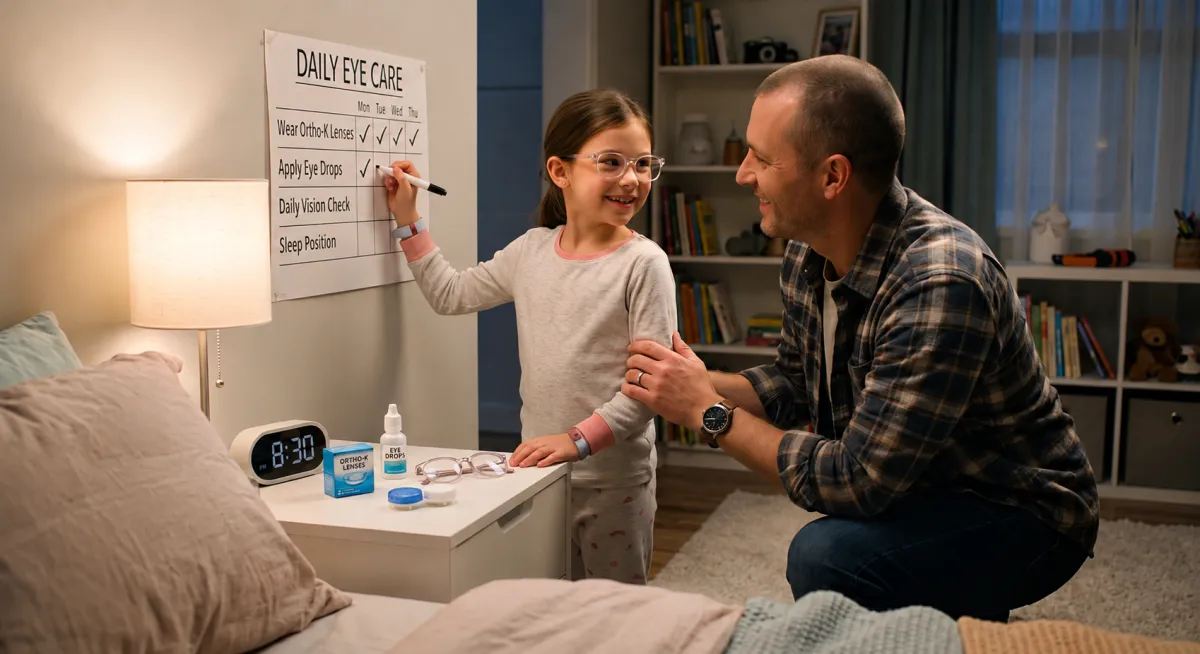
Missing one dose, one night of lens wear, or one day of glasses use does not usually mean treatment has failed. However, inconsistent myopia treatment can make it difficult to understand results and adjust care when needed. Reliable routines support clearer outcomes.
What Missed Ortho-K Nights Can Mean
Orthokeratology, often called ortho-k, works by gently reshaping the cornea while a child sleeps. Because the corneal reshaping effect is temporary, consistent overnight wear is usually important for maintaining stable daytime vision and supporting treatment goals. When missed ortho-k nights occur, children may notice blur during the day or find that they need backup glasses to see clearly until the lenses are worn again.
Occasional missed nights are a normal part of life. Travel, illness, sleepovers, late bedtimes, or temporary discomfort can interrupt the routine. Parents should not assume that one missed night creates a major problem. However, if lenses were skipped because of redness, pain, irritation, discharge, or unusual watering, the eye doctor should be contacted before wear resumes. Eye health concerns should always be addressed before restarting lens use.
Repeated missed ortho-k nights can make both vision and treatment performance less predictable. Daytime clarity may fluctuate, and follow-up measurements may become harder to interpret accurately. During appointments, doctors rely on consistent treatment history to evaluate progress. If lenses have been missed regularly, sharing that information helps determine whether the issue involves comfort, scheduling challenges, lens fit, treatment compliance, or another factor affecting long-term success.
What Happens With Missed Atropine Drops
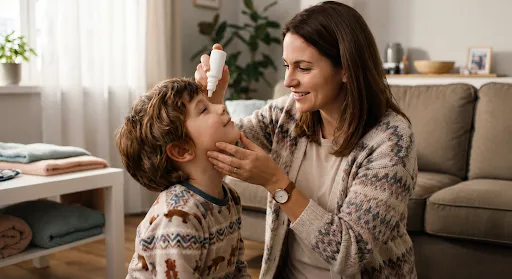
Low-dose atropine drops are usually prescribed on a consistent schedule, often once daily or nightly depending on the treatment plan. When missed myopia drops occur occasionally, parents should follow the instructions provided by their eye doctor rather than doubling the next dose or changing the routine independently. Following professional guidance helps maintain treatment safety, effectiveness, and consistency throughout care.
The main concern with missed drops is that inconsistent dosing may reduce the treatment’s ability to slow myopia progression.
It can also create uncertainty during follow-up visits because the doctor may not know whether vision changes occurred despite proper treatment use or because the routine was interrupted.Honest communication about missed doses allows the doctor to evaluate results more accurately, provide better recommendations, and adjust the treatment approach when needed for the child’s ongoing eye health.
Parents sometimes feel uncomfortable admitting that drops were forgotten or that lenses were not worn consistently. In reality, eye care professionals understand that real life rarely follows a perfect schedule. Children forget, vacations disrupt routines, school activities run late, and some treatments prove more challenging than expected. The purpose of follow-up visits is not to judge families. It is to understand what actually happened so care decisions can be based on accurate information.
If treatment has been inconsistent, try to explain the pattern as clearly as possible. Was it a few missed nights during travel, occasional forgotten drops, or treatment glasses that were worn only part of the day? Those details matter because different patterns require different solutions. Some situations may simply require returning to the established routine, while others may suggest that the child needs a treatment plan that better matches daily life and family schedules.
Inconsistent Glasses or Contact Lens Wear
Myopia-control glasses and soft multifocal contact lenses are designed to work when they are worn according to the prescribed schedule. If a child frequently switches back to older glasses, removes contact lenses early, or only uses treatment eyewear part of the time, the intended treatment effect may be reduced. Consistent wear is a key part of myopia management consistency and helps maximize the potential benefit of the chosen option.
This becomes especially important when children prefer older glasses, forget treatment eyewear at home, or choose convenience over consistency. Parents should ask their eye doctor how many hours of wear are recommended each day and when backup glasses are appropriate. Clear expectations help families distinguish between normal flexibility and patterns that may interfere with treatment effectiveness. Understanding the role of wear time often makes it easier to build a sustainable myopia treatment routine for kids.
Why Missed Treatment Affects Follow-Up Results
Follow-up appointments are designed to measure whether myopia is remaining stable, slowing appropriately, or continuing to progress. These measurements are most valuable when the doctor understands how consistently treatment has been followed between visits. Accurate information helps create a clearer picture of treatment effectiveness.
When treatment use has been irregular, progression does not always mean the treatment itself failed. It may mean the child did not receive enough consistent exposure to the therapy for its full effects to be evaluated properly.
Follow-up appointments are designed to measure whether myopia is remaining stable, slowing appropriately, or continuing to progress. These measurements are most valuable when the doctor understands how consistently treatment has been followed between visits. Accurate information helps create a clearer picture of treatment effectiveness.
When treatment use has been irregular, progression does not always mean the treatment itself failed. It may mean the child did not receive enough consistent exposure to the therapy for its full effects to be evaluated properly.
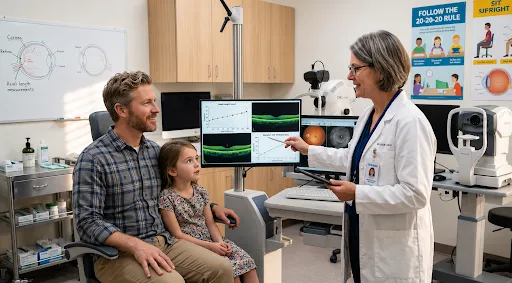
This difference matters because the best solution may be improving consistency rather than changing treatments completely. Honest communication about routines helps avoid unnecessary adjustments and supports better decisions during follow-up care. Consistent monitoring and myopia management can help guide more effective long-term treatment strategies.
Focus on Solutions Instead of Guilt
The most productive response to inconsistent treatment is not guilt or frustration, but identifying the reason the routine became difficult to maintain. Every child’s situation is different. Some children may dislike handling contact lenses, forget to use drops, resist wearing glasses, struggle with bedtime schedules, or have school and extracurricular activities that interfere with treatment consistency. Understanding the real challenge is the first step toward finding a practical solution that supports both the child and family.
In many cases, small changes can make a significant difference. Phone reminders, visual checklists, travel supplies, parent supervision, or adjusting the bedtime routine may help improve compliance. Parents can also discuss concerns with the eye doctor to determine whether the current approach remains the right fit. Sometimes, challenges may indicate that a treatment option does not match the child’s comfort level, maturity, personality, or daily routine.
Families should remember that myopia management is a long-term process rather than a short-term project. A difficult week or even a challenging month does not erase previous progress. What matters most is identifying concerns early and discussing them openly before they affect long-term outcomes. Avoiding communication can make it harder to understand what is working and what needs adjustment.
When parents, children, and eye doctors work together honestly, treatment plans can often be modified to support better consistency and confidence. Open communication helps create a realistic approach that fits the child’s lifestyle while maintaining the goal of slowing myopia progression. With patience, support, and regular follow-up, families can build routines that are easier to maintain over time.
What Parents Should Do After Missed Treatment
Parents should begin by following the instructions provided for their child’s specific treatment plan. This is particularly important when Orthokeratology lenses are involved and symptoms such as redness, pain, discharge, or unusual irritation are present. In those situations, professional guidance should be obtained before treatment resumes.
It is also helpful to keep a simple record of what was missed and why. A brief note about skipped drops, missed lens wear, travel interruptions, or comfort concerns gives the doctor valuable context during the next visit. Accurate information helps identify whether the issue was occasional, repeated, or related to a larger challenge.

Parents should begin by following the instructions provided for their child’s specific treatment plan. This is particularly important when Orthokeratology lenses are involved and symptoms such as redness, pain, discharge, or unusual irritation are present. In those situations, professional guidance should be obtained before treatment resumes.
It is also helpful to keep a simple record of what was missed and why. A brief note about skipped drops, missed lens wear, travel interruptions, or comfort concerns gives the doctor valuable context during the next visit. Accurate information helps identify whether the issue was occasional, repeated, or related to a larger challenge.
Finally, avoid making independent treatment changes without professional advice. Doubling doses, skipping additional treatment, restarting inconsistently, or switching routines on your own may create more confusion and make it harder to evaluate results. Clear communication usually leads to safer and more effective solutions.
Getting Back on Track Safely
If your child has experienced inconsistent myopia treatment, the most important step is to be honest about what happened and seek guidance when needed. Bring notes to the next appointment or contact the office sooner if there are vision changes, contact lens concerns, discomfort, or unusual symptoms. Accurate information helps determine whether the routine should be resumed, modified, or reviewed before continuing care.
Kleinwood Vision can help families address inconsistent myopia treatment with supportive guidance tailored to each child’s needs. Whether the challenge involves missed ortho-k nights, missed myopia drops, or inconsistent contact lens wear, the goal is to make treatment safer, more effective, and easier to maintain. If you have questions about your child’s progress or treatment routine, contact Kleinwood Vision to schedule a follow-up evaluation and receive personalized recommendations designed to support your child’s vision and long-term eye health.
Contact Info
Hours of Operation
Mon - Fri | 9:00 AM - 5:00 PM
Sat - Sun | Closed
Holiday Hours: We are closed for the following holidays: New Years Day, Memorial Day, Independence Day, Labor Day, Thanksgiving Day, Christmas Day
The information provided on this website is for general informational purposes only and does not constitute professional medical advice, diagnosis, or treatment. Always seek the guidance of a licensed eye care professional or qualified health provider with any questions you may have regarding a medical condition or vision concern. Results from eye care services may vary by individual.
© 2026 Kleinwood Vision. All rights Reserved.