
NeuroLens
What Happens During a NeuroLens Exam?

FSDAVCFEBFEVSDDVFSD
FSDAVCFEBFEVSDDVFSD

FSDAVCFEBFEVSDDVFSD
Why Patients Get Referred for NeuroLens Testing
Many patients schedule a NeuroLens evaluation because they experience symptoms that are difficult to explain. Common complaints include headaches after screen use, pressure around the eyes, fatigue during reading, neck tension, sensitivity, and the feeling near work requires effort than it should. Some patients have an updated prescription yet still feel uncomfortable during visual tasks.
That is where NeuroLens testing becomes valuable. The purpose is not to assume every symptom is caused by eye misalignment, but to determine whether binocular strain may be contributing to the discomfort. A NeuroLens eye exam Houston patients trust evaluates how the eyes work together and helps identify strain patterns.
Many patients schedule a NeuroLens evaluation because they experience symptoms that are difficult to explain. Common complaints include headaches after screen use, pressure around the eyes, fatigue during reading, neck tension, sensitivity, and the feeling near work requires effort than it should. Some patients have an updated prescription yet still feel uncomfortable during visual tasks.
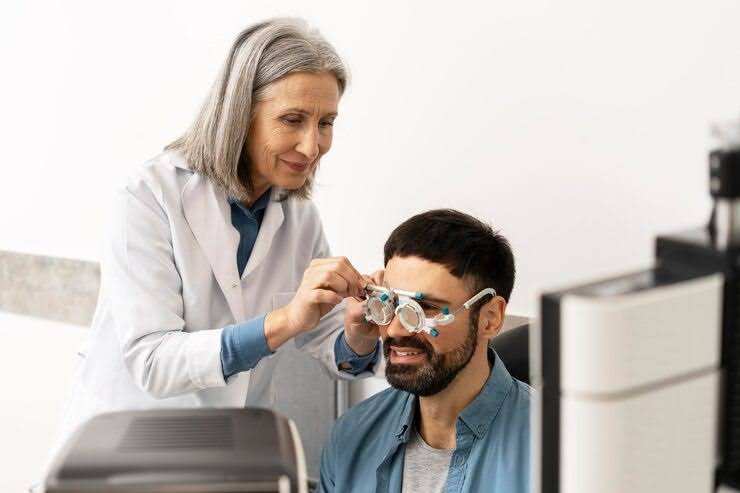
That is where NeuroLens testing becomes valuable. The purpose is not to assume every symptom is caused by eye misalignment, but to determine whether binocular strain may be contributing to the discomfort. A NeuroLens eye exam Houston patients trust evaluates how the eyes work together and helps identify strain patterns.
What the Exam and Screening Include
A NeuroLens exam begins with the foundation of a comprehensive eye evaluation. Your optometrist reviews your symptoms, visual history, current glasses or contact lenses, and the situations where discomfort appears most often. This may include reading, computer use, driving, scrolling on phones, or prolonged screen tasks. Standard testing checks prescription accuracy, eye health, focusing ability, and whether dry eye or another common issue may be contributing to symptoms.
The NeuroLens-specific portion of the visit focuses on binocular alignment and visual coordination. Specialized NeuroLens screening technology measures how the eyes align at distance and near while evaluating the additional effort required to maintain comfortable vision. These NeuroLens measurements are especially helpful for identifying small alignment issues that may create headaches, eye pressure, or visual fatigue during near work.
These measurements matter because symptoms alone are not always enough to explain the problem. Headaches, eye strain, and fatigue can come from several different causes. The value of a NeuroLens eye exam Houston patients undergo is that it combines symptom history, standard eye testing, and alignment data to determine whether NeuroLens is likely to help. If cause appears responsible, your doctor can recommend treatment.
What Patients Should Expect During Testing
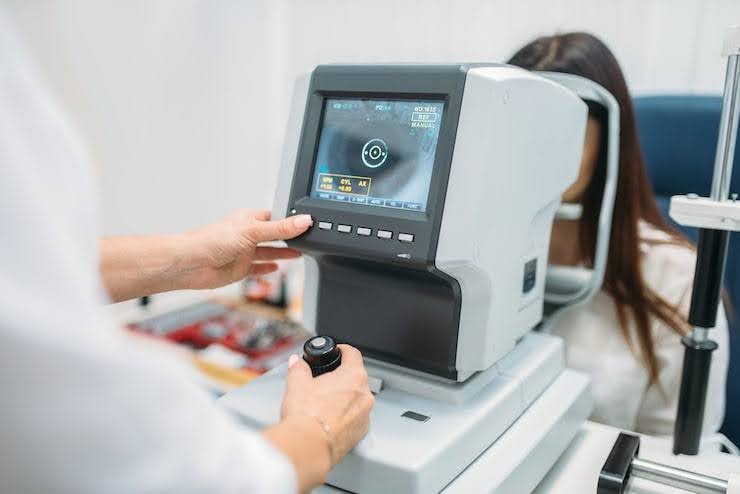
Most patients find the testing process simple and comfortable. The exam may involve looking at visual targets, answering questions about clarity, and completing measurements that compare how the eyes function at different viewing distances. NeuroLens testing is designed to gather information efficiently without causing discomfort or requiring complicated procedures. Patients usually complete the evaluation quickly, making it easy to understand how visual strain, focus issues, and eye coordination may be affecting daily activities, especially during long periods of reading or screen use.
One of the most important parts of the visit is the symptom discussion itself.
Explaining when headaches begin, how long screen use takes to trigger symptoms, and whether reading feels worse than distance viewing helps your optometrist interpret the NeuroLens measurements more accurately.A NeuroLens exam is most useful when the clinical data matches the real-world experiences patients deal with every day.
Patients can make the visit more productive by arriving prepared to describe their symptoms clearly. It helps to know whether the primary issue is headaches, eye pressure, visual fatigue, neck tension, or difficulty sustaining near tasks. Patients should also think about whether symptoms happen mainly during screen use, whether reading feels different from using phones or tablets, and how quickly discomfort develops throughout the day. Sharing these details allows the optometrist to better evaluate patterns related to visual strain, binocular strain, and overall eye fatigue during daily activities.
Bringing your current glasses is also important during the appointment. Be ready to explain whether they help completely, partially, or only for short periods of time. These details help your optometrist understand whether NeuroLens screening aligns with the symptom pattern you are experiencing. Since NeuroLens is not prescribed based on one complaint alone, the exam works best when the measurements and daily visual challenges support the same conclusion about binocular strain, eye fatigue, and long-term visual comfort.
How Doctors Decide If NeuroLens Fits
NeuroLens is recommended when both the symptoms and the testing results suggest that binocular misalignment is significantly contributing to visual discomfort. The evaluation does more than identify whether a measurable alignment issue exists. It also determines whether that issue realistically matches the headaches, eye strain, or near-task fatigue the patient experiences every day. By comparing symptoms with clinical findings, the doctor can better understand how binocular misalignment affects daily reading, computer work, and extended screen use.
If the testing and symptoms align, your doctor can explain how contoured prism lenses may help reduce the visual effort required during reading, computer work, and device use. If the measurements do not support NeuroLens as the primary solution, the exam still provides value by helping rule it out and guiding attention toward prescription refinement, dry eye treatment, ergonomics, or another more appropriate explanation for ongoing eye strain, headaches, or visual discomfort.
Why the Measurement Step Matters
Many patients assume treatment decisions are based mostly on symptoms, but the measurement step is what makes the evaluation more precise. Symptoms like headaches, eye pressure, and fatigue can overlap with many visual and nonvisual problems, making objective testing extremely important during the exam process.
NeuroLens measurements help determine whether the eyes are working together comfortably or whether a subtle misalignment may increase visual strain during near tasks.This objective data supports recommendations based on measurable visual function rather than guesswork, making decisions more targeted and clear.
Many patients assume treatment decisions are based mostly on symptoms, but the measurement step is what makes the evaluation more precise. Symptoms like headaches, eye pressure, and fatigue can overlap with many visual and nonvisual problems, making objective testing extremely important during the exam process.
NeuroLens measurements help determine whether the eyes are working together comfortably or whether a subtle misalignment may increase visual strain during near tasks. This objective data supports recommendations based on measurable visual function rather than guesswork, making decisions more targeted and clear.
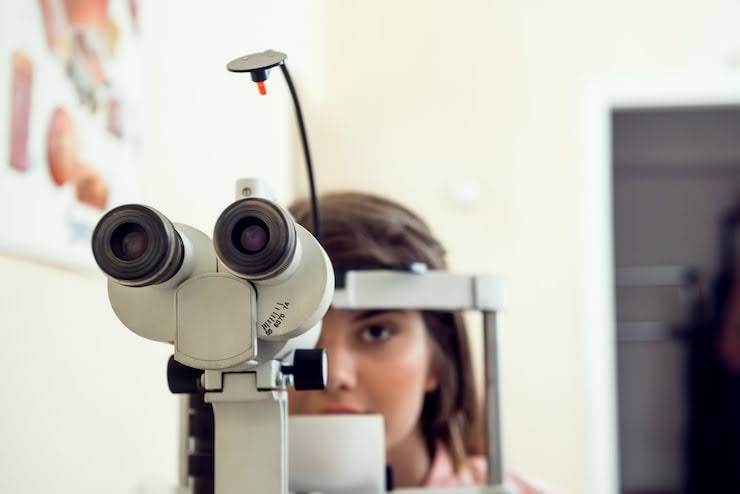
This step becomes valuable for patients who have tried updated prescriptions, blue-light lenses, screen breaks, or ergonomic changes without improvement. NeuroLens screening clarifies whether binocular strain deserves consideration or another cause is responsible for symptoms may be present.
Why a Structured Exam Improves Answers
A structured NeuroLens exam helps separate general screen fatigue from more specific visual strain patterns. Without detailed testing, many patients are left assuming that headaches or eye fatigue are simply unavoidable side effects of modern screen use. A more organized evaluation creates a clearer understanding of whether the visual system itself is under unnecessary stress. This step strengthens clinical precision in assessment.
This is important because symptoms often overlap with other conditions. Dry eye, focusing problems, prescription changes, poor posture, and binocular misalignment can all produce similar complaints. A comprehensive testing process helps narrow the possibilities instead of relying on assumptions about what “probably” causes the discomfort.
The benefit of this approach is that patients leave with more direction and fewer unanswered questions. Whether NeuroLens is recommended or not, the structured exam helps clarify the next step and provides a more evidence-based explanation for ongoing visual strain and headaches after screen use. It also helps clinicians determine whether binocular misalignment is contributing to symptoms rather than assuming screen fatigue alone.
A structured NeuroLens exam therefore acts as a decision-making tool rather than just another vision test. It helps identify when screen fatigue is likely part of the problem and when deeper issues such as binocular misalignment or focusing inefficiency may be involved. By grounding recommendations in objective findings, patients can better understand why symptoms persist despite lifestyle changes and why targeted treatment may be necessary. This clarity reduces uncertainty and supports more confident next steps in managing visual discomfort. Ultimately improving daily comfort during prolonged screen use for patients overall.
Questions to Ask During the Visit
Ask whether your symptoms and NeuroLens measurements match in a way that genuinely supports treatment during comprehensive eye exams. This helps you understand whether the recommendation is based on a meaningful clinical pattern rather than on one isolated finding during the exam.
It is also helpful to ask what other causes were evaluated during the visit. Understanding whether dry eye, prescription issues, or posture-related strain are also contributing makes the treatment plan feel more complete and realistic. A thorough NeuroLens eye exam Houston patients receive should evaluate more than one possible explanation for discomfort.

Ask whether your symptoms and NeuroLens measurements match in a way that genuinely supports treatment during comprehensive eye exams. This helps you understand whether the recommendation is based on a meaningful clinical pattern rather than on one isolated finding during the exam.
It is also helpful to ask what other causes were evaluated during the visit. Understanding whether dry eye, prescription issues, or posture-related strain are also contributing makes the treatment plan feel more complete and realistic. A thorough NeuroLens eye exam Houston patients receive should evaluate more than one possible explanation for discomfort.
Finally, ask how success would be measured if you move forward with NeuroLens. Whether the goal is fewer headaches, reduced eye pressure, or better endurance during reading and screens, clear expectations make follow-up visits easier to evaluate and help patients understand what improvements to realistically expect over time.
Your Next Steps Before Your Visit
Before your appointment, make notes about when your symptoms occur, which activities trigger them, and whether your current glasses provide enough relief. Bring those glasses with you and be ready to explain whether screens, reading, phones, or other near tasks create headaches, pressure, or fatigue. The more clearly you describe the symptom pattern, the more useful the NeuroLens evaluation becomes.
If you are wondering whether binocular strain may be contributing to your discomfort, Kleinwood Vision can perform the NeuroLens screening and testing needed to evaluate the problem more thoroughly. A better understanding of what happens during a NeuroLens exam can make the process feel less uncertain and help guide you toward a more targeted solution. If ongoing screen-related headaches or eye strain are affecting daily comfort, Contact us to schedule your evaluation and learn whether NeuroLens may be appropriate for your needs.
Contact Info
Hours of Operation
Mon - Fri | 9:00 AM - 5:00 PM
Sat - Sun | Closed
Holiday Hours: We are closed for the following holidays: New Years Day, Memorial Day, Independence Day, Labor Day, Thanksgiving Day, Christmas Day
The information provided on this website is for general informational purposes only and does not constitute professional medical advice, diagnosis, or treatment. Always seek the guidance of a licensed eye care professional or qualified health provider with any questions you may have regarding a medical condition or vision concern. Results from eye care services may vary by individual.
© 2026 Kleinwood Vision. All rights Reserved.