
NeuroLens
Vertical Heterophoria and Visual Fatigue

FSDAVCFEBFEVSDDVFSD
FSDAVCFEBFEVSDDVFSD

FSDAVCFEBFEVSDDVFSD
Why Small Misalignments Cause Big Symptoms
Vertical heterophoria is a subtle eye alignment condition where one eye sits slightly higher than the other. Even a small difference forces the brain to work constantly to keep images aligned and maintain single vision. Over time, this extra effort can lead to symptoms that seem unrelated to vision, such as headaches, facial tension, and ongoing eye fatigue.
Many people with vertical heterophoria say their vision seems clear, yet reading, driving, or screen use leaves them drained. A comprehensive eye exam Houston with binocular vision testing can identify alignment strain. When diagnosed properly, treatment is often simpler and more targeted than many patients expect.
Vertical heterophoria is a subtle eye alignment condition where one eye sits slightly higher than the other. Even a small difference forces the brain to work constantly to keep images aligned and maintain single vision. Over time, this extra effort can lead to symptoms that seem unrelated to vision, such as headaches, facial tension, and ongoing eye fatigue.
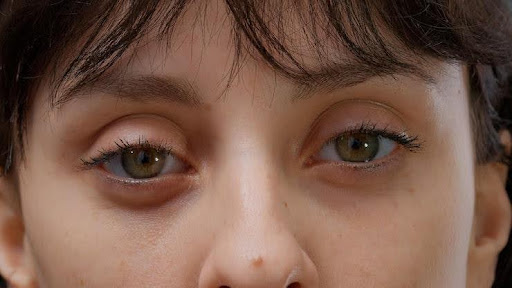
Many people with vertical heterophoria say their vision seems clear, yet reading, driving, or screen use leaves them drained. A comprehensive eye exam Houston with binocular vision testing can identify alignment strain. When diagnosed properly, treatment is often simpler and more targeted than many patients expect.
How Doctors Test for Vertical Heterophoria
Testing for binocular vision dysfunction begins with a detailed discussion of symptoms and daily visual habits. Your optometrist may ask about BVD headaches, dizziness, motion sensitivity, and whether visually busy environments, like grocery stores, feel overwhelming. Some patients also experience neck or shoulder tension from unconsciously adjusting posture to stabilize vision. These clues are important because symptoms often worsen during stress, fatigue, or extended screen use.
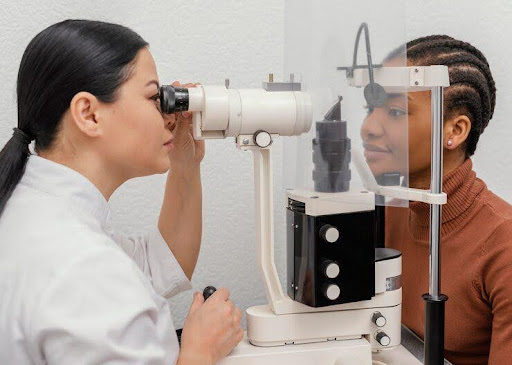
Next, the exam evaluates both visual clarity and eye coordination. Refraction testing determines the most accurate prescription for each eye, while binocular vision assessments measure how well the eyes align at different distances. Techniques such as phoria testing, vergence ranges, and fixation disparity help detect subtle vertical deviations that standard exams may miss. Eye movement tracking and focusing ability are also assessed to identify additional strain.
If a vertical component is confirmed, the doctor decides the best correction. Some patients benefit from prism glasses for headaches, while others may require advanced solutions like a NeuroLens evaluation. Tear film quality is checked as dryness can worsen fluctuating clarity and increase visual effort. The goal is precise correction that matches both measured deviations and real-world symptoms, providing lasting relief and improved visual comfort.
Common Symptoms People Don’t Expect
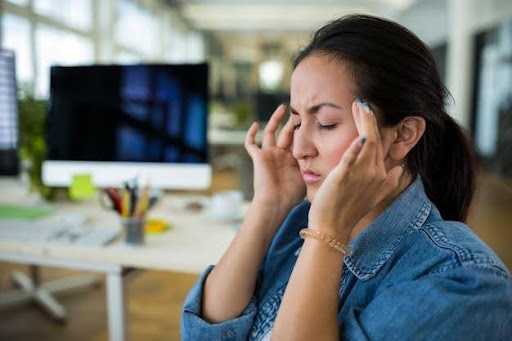
Many people with vertical heterophoria do not experience blurry vision. Instead, they often feel “off” or fatigued after visually demanding tasks. Headaches around the temples or behind the eyes are common, along with forehead pressure or fatigue after reading. Some individuals notice dizziness in busy visual spaces or heightened sensitivity to motion on screens. Briefly closing one eye may reduce discomfort or nausea, even though both eyes see clearly.
Driving at night can feel especially tiring because the brain works harder to maintain eye alignment.Some patients report anxiety-like sensations in crowded environments with high visual stimulation.
If these symptoms sound familiar, testing for binocular vision dysfunction can provide measurable answers and help identify the underlying cause. Proper diagnosis allows for targeted solutions that relieve fatigue, headaches, and other visual stress associated with vertical heterophoria.
Preparing for your appointment can help improve the accuracy of testing for vertical heterophoria. Write down when symptoms occur, such as during screen use, reading, driving, or exposure to fluorescent lighting. Note whether discomfort is worse in the morning or later in the day, and whether headaches affect one side of the head. Bringing your current glasses, prior prescriptions, and any history of migraines or concussions gives your doctor important context to understand possible contributing factors.
During the exam, it’s important to be honest about how lenses feel when they are changed. Even a small prism adjustment can create an immediate sense of stability or discomfort depending on the direction. Your feedback helps refine the prescription so the correction matches real-world experiences. If dryness is present, treating it first can improve measurement accuracy and overall comfort, which is especially important for heavy screen users who may experience added visual strain.
Prism Glasses and NeuroLens Treatment Options
Prism lenses work by shifting the position of images so the eyes no longer need to work as hard to maintain alignment. In cases of vertical heterophoria, even a small prism adjustment can reduce the constant effort your brain uses to keep images fused. Many patients notice fewer BVD headaches, improved reading stamina, and less end-of-day fatigue once the correct prism amount is introduced.
For some patients with strong digital strain patterns, a NeuroLens evaluation may be recommended. NeuroLens lenses use contoured prism technology designed to reduce alignment stress at multiple viewing distances. This can benefit individuals who spend long hours switching between near screens and distance tasks. Your optometrist determines candidacy based on precise measurements and symptom patterns to ensure the correction provides meaningful relief.
Red Flags That Need Evaluation
Not every headache is related to eye alignment, and some symptoms require prompt evaluation. Sudden double vision, rapid vision loss, severe eye pain, or a drooping eyelid should never be dismissed as simple eye strain, as they may indicate a serious condition.
If dizziness occurs with neurological symptoms such as weakness, slurred speech, or sudden loss of balance, seek immediate medical attention. While eye exams are important, these emergency signs go beyond routine vision concerns and need urgent care.
Not every headache is related to eye alignment, and some symptoms require prompt evaluation. Sudden double vision, rapid vision loss, severe eye pain, or a drooping eyelid should never be dismissed as simple eye strain, as they may indicate a serious condition.
If dizziness occurs with neurological symptoms such as weakness, slurred speech, or sudden loss of balance, seek immediate medical attention. While eye exams are important, these emergency signs go beyond routine vision concerns and need urgent care.
For ongoing, non-emergency symptoms, a thorough exam including binocular vision dysfunction testing is essential. Many people treat headaches for years without realizing their eyes are working too hard to maintain alignment. Identifying the underlying issue allows doctors to recommend targeted solutions rather than relying on trial and error.
Next Steps After Vertical Heterophoria Diagnosis
If vertical heterophoria is diagnosed, the treatment plan usually begins with confirming the most accurate baseline prescription. Prism correction is often introduced gradually to reduce alignment stress, helping the brain manage the subtle vertical misalignment. Some patients experience relief quickly, while others need minor adjustments during follow-up visits as their visual system adapts. The goal is to achieve stable, comfortable vision without overloading the eyes.
Doctors commonly recommend wearing the lenses consistently at first so the brain receives steady visual input. During this period, it’s important to track changes in headache frequency, dizziness, reading stamina, and screen tolerance. Many patients notice reduced fatigue before any improvement in clarity or sharpness. If symptoms improve but are not fully resolved, small prism adjustments can refine the correction, ensuring it matches both measured misalignment and real-world visual demands.
For those who spend long hours on digital devices, the discussion may include workstation setup and visual ergonomics. Screen height, lighting, and constant focus shifts can increase alignment demand and exacerbate symptoms. Combining properly prescribed lenses with ergonomic improvements often accelerates symptom relief. When a NeuroLens evaluation is recommended, your doctor explains the measurement process, how progress will be tracked, and what adjustments may be needed over time.
Before leaving the office, you should have a clear follow-up plan outlining expected improvements and timing for reassessment. If new lenses feel unusual, providing detailed feedback helps the doctor make precise adjustments. With accurate testing and correctly prescribed prism support, many patients regain comfort with driving, reading, and long workdays without persistent eye strain or fatigue, restoring confidence in everyday visual tasks.
Common Questions About BVD Symptoms
Patients often ask why vertical heterophoria was not diagnosed sooner. Many eye exams focus mainly on visual acuity and may not include detailed binocular testing unless symptoms strongly suggest a coordination issue. As screen use and visual demands increase, subtle misalignments that were once unnoticed can become more noticeable, causing fatigue, headaches, or dizziness.
Another common concern is whether prism glasses for headaches can make the eyes dependent on lenses. Prism does not weaken the eyes; it simply reduces unnecessary alignment effort, allowing the visual system to function more comfortably throughout the day. Properly prescribed lenses help the eyes maintain stability without extra strain.

Patients often ask why vertical heterophoria was not diagnosed sooner. Many eye exams focus mainly on visual acuity and may not include detailed binocular testing unless symptoms strongly suggest a coordination issue. As screen use and visual demands increase, subtle misalignments that were once unnoticed can become more noticeable, causing fatigue, headaches, or dizziness.
Another common concern is whether prism glasses for headaches can make the eyes dependent on lenses. Prism does not weaken the eyes; it simply reduces unnecessary alignment effort, allowing the visual system to function more comfortably throughout the day. Properly prescribed lenses help the eyes maintain stability without extra strain.
Patients also wonder how quickly relief should occur. Some feel steadier immediately, while others improve gradually over days or weeks. Monitoring changes in headache frequency, reading endurance, and screen tolerance helps determine whether the correction is working effectively and supports real-world visual comfort.
Your Next Step Toward Relief
If you experience headaches, dizziness, or screen fatigue that does not match your otherwise clear vision, scheduling a comprehensive eye exam Houston with binocular vision testing can provide valuable answers. Bring your current glasses, symptom notes, and any migraine or concussion history. Describing triggers such as driving, scrolling, or exposure to fluorescent lighting helps your doctor focus the evaluation on real-life situations and better understand the underlying cause.
At Kleinwood Vision, your optometrist can determine whether vertical heterophoria, another form of binocular vision dysfunction, or ocular surface issues are contributing to your symptoms. For the right candidates, prism correction or a NeuroLens evaluation may significantly reduce visual strain. If persistent headaches or dizziness are affecting your daily life, contact us to schedule an appointment and start working toward clearer, more comfortable vision.
Contact Info
Hours of Operation
Mon - Fri | 9:00 AM - 5:00 PM
Sat - Sun | Closed
Holiday Hours: We are closed for the following holidays: New Years Day, Memorial Day, Independence Day, Labor Day, Thanksgiving Day, Christmas Day
The information provided on this website is for general informational purposes only and does not constitute professional medical advice, diagnosis, or treatment. Always seek the guidance of a licensed eye care professional or qualified health provider with any questions you may have regarding a medical condition or vision concern. Results from eye care services may vary by individual.
© 2026 Kleinwood Vision. All rights Reserved.