
Specialty Contacts
Understanding Toric Multifocal Contact Lenses Clearly

FSDAVCFEBFEVSDDVFSD

FSDAVCFEBFEVSDDVFSD

FSDAVCFEBFEVSDDVFSD
Combining Two Complex Corrections
Toric lenses address the uneven corneal shape that causes astigmatism, while multifocal optics provide zones for near and distance tasks. Bringing both together enables myopic astigmatism correction in a single design. Success depends on rotational stability, precise alignment, and a specialty contact fit that respects corneal curvature and pupil size. Active adults and older teens often notice clearer screens and smoother transitions.
Expect brief fine-tuning as vision balances between near and far. Your brain learns the optical pattern quickly, especially with good lighting and sensible text size. With the right multifocal toric fitting, most patients enjoy comfort, sharper distance, and functional near focus.
Toric lenses address the uneven corneal shape that causes astigmatism, while multifocal optics provide zones for near and distance tasks. Bringing both together enables myopic astigmatism correction in a single design. Success depends on rotational stability, precise alignment, and a specialty contact fit that respects corneal curvature and pupil size. Active adults and older teens often notice clearer screens and smoother transitions.
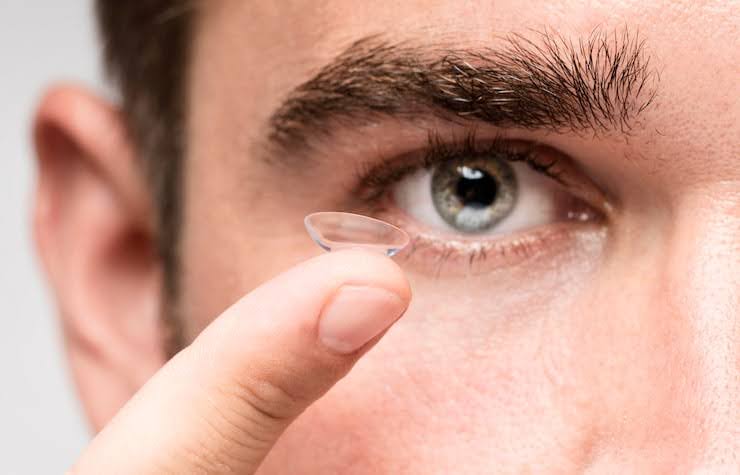
Expect brief fine-tuning as vision balances between near and far. Your brain learns the optical pattern quickly, especially with good lighting and sensible text size. With the right multifocal toric fitting, most patients enjoy comfort, sharper distance, and functional near focus.
How Eye Doctors Ensure Proper Fit
During a Comprehensive Eye Exam, we measure corneal curvature, cylinder power, axis, and pupil diameter to select an initial trial that best suits your visual profile. Trial lenses are carefully chosen for base curve, diameter, and multifocal add power to match your visual goals and typical working distances. This step ensures that both the toric and multifocal components align with your prescription and lifestyle needs for optimal vision performance.
Next, we evaluate lens rotation using orientation marks and assess clarity at different light levels and distances. If the lens rotates more than approximately 10 degrees, we adjust the axis compensation, modify the stabilization design, or trial an alternate brand. Comfort, tear quality, and blink pattern are reviewed to minimize dryness and promote long-lasting comfort. These evaluations help maintain consistent lens performance throughout daily activities.
Follow-up appointments refine cylinder power and axis alignment, adjust the near and distance zone balance, or change materials if dryness or deposits develop. This stepwise multifocal toric fitting approach prioritizes stability first, clarity second, and sustained comfort third—ensuring dependable vision quality for work, driving, reading, and digital tasks while maintaining comfort and visual consistency every day.
Who Qualifies and Who Doesn’t
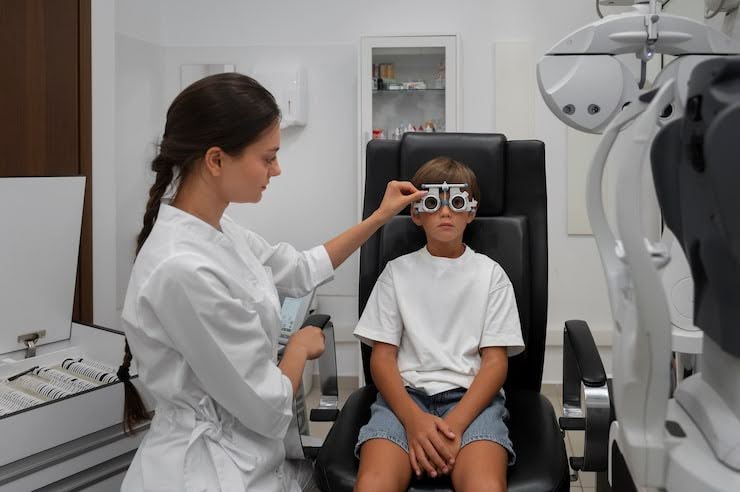
Ideal candidates are adults or older teens with up to about 2.50 D of astigmatism, healthy ocular surfaces, and realistic near and distance vision needs. People who want fewer glasses tradeoffs and prefer daily-wear soft lenses astigmatism options often experience excellent results. Night drivers, avid readers, and frequent screen users benefit most when clear visual goals are established before the fitting process begins, ensuring precise customization.
Who may not qualify? Post-LASIK or irregular corneas, significant dry eye, or highly unstable axes may be better suited for hybrid or scleral designs.
During the evaluation, we discuss lifestyle factors—such as night driving frequency, digital intensity, and reading duration—to fine-tune optical balance. This helps determine if toric multifocal contacts are the ideal choice and the best first step in your personalized Myopia Management plan at our Houston eye clinic.
If bifocal glasses felt jumpy, multifocals can provide smoother visual transitions with less head tilt and more natural focus shifts between near and distance vision. However, it’s normal to experience an adaptation period while your brain learns to select the correct optical zone automatically. Most patients notice steady improvement during the first two weeks, especially when lighting conditions and font sizes are properly optimized for comfort and clarity in daily tasks.
Book a two-week check after dispense to confirm lens stability, contrast, and rotation. Bring notes on your computer distance, reading posture, and any low-light glare or visual strain. These real-world details help guide power tweaks, near or distance add adjustments, or even material changes. This ensures that your toric multifocal contact lenses deliver consistent clarity, comfort, and balance—so your everyday vision matches the precise results achieved during your in-office fitting and evaluation.
Choosing the Right Lens Material Comfortably
Silicone hydrogel materials provide high oxygen flow to keep eyes white, healthy, and comfortable throughout long days. Daily disposables simplify lens hygiene and are ideal for allergy-prone or deposit-prone wearers, ensuring consistent comfort and clear optics. These lenses support healthy eyes while delivering reliable vision for work, reading, and screen time.
Lens coatings, edge profiles, and water content also affect how stable a lens feels later in the day. If dryness occurs after hours of screen use or extended wear, we can incorporate lubricating drops, adjust replacement schedules, or trial a different material. These adjustments help maintain comfort without compromising clarity. With the right combination of toric multifocal contact lenses and lens care strategies, patients can enjoy long-lasting comfort, stable vision, and sharp near and distance focus for everyday activities while protecting overall eye health.
Routine Care and Lens Longevity
Daily: Wear your lenses exactly as prescribed. If they are not daily disposables, clean and rinse them with an approved solution, and never use tap water. Proper daily care helps maintain comfort and clear vision while reducing the risk of infection.
Weekly: Replace your lens cases, check solution levels, and review your wear log to identify any dryness or comfort patterns. Monitoring these details ensures your toric multifocal contact lenses continue to perform well and remain comfortable throughout the week.
Daily: Wear your lenses exactly as prescribed. If they are not daily disposables, clean and rinse them with an approved solution, and never use tap water. Proper daily care helps maintain comfort and clear vision while reducing the risk of infection.
Weekly: Replace your lens cases, check solution levels, and review your wear log to identify any dryness or comfort patterns. Monitoring these details ensures your toric multifocal contact lenses continue to perform well and remain comfortable throughout the week.
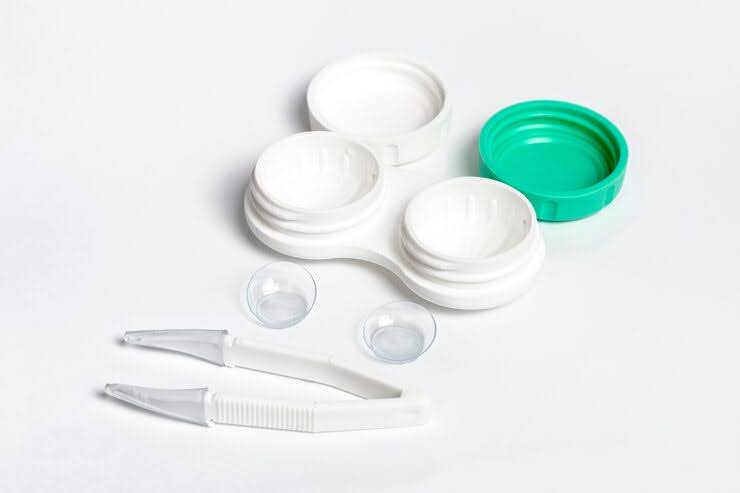
Monthly: Reorder lenses on schedule and book quick lens-health reviews. Staying on top of replacements prevents expired supplies and keeps performance predictable. Regular check-ins help maintain both vision clarity and eye health, ensuring your lenses deliver consistent comfort and reliable correction for near and distance vision.
Everyday Clarity and Visual Performance
Multifocal torics can significantly reduce the head movements often required with progressive glasses, making near and distance tasks such as using screens, dashboards, and menus much easier. During the early adaptation period, contrast and depth cues may feel different, and some patients notice that objects appear slightly shifted or harder to focus. Brief practice with proper reading distances and monitor height typically speeds up adaptation, allowing the brain to adjust more quickly to the multiple focal zones. These lenses enable smoother transitions between near and distance vision, helping patients achieve more natural focus throughout their daily routines.
Lighting changes—from bright office environments to dimly lit restaurants or living spaces—can also affect perception at first. Practical strategies, such as slightly enlarging text, raising screen height, and favoring even lighting, help the optics “click” faster and reduce visual strain. These adjustments support quicker neurological adaptation and improve comfort when moving between tasks that require different focal distances, including digital work, reading, and casual activities.
Regular re-evaluations are essential to maintain the balance between clarity and comfort over time. As work or leisure tasks evolve—whether more spreadsheets, new hobbies, or night commuting—add powers, zone weighting, or even lens brands can be adjusted to ensure consistent toric multifocal performance. These modifications prioritize reliable vision over brand loyalty, focusing on functional outcomes and visual satisfaction.
If symptoms persist despite proper technique, we reassess tear film quality, adjust replacement schedules, or trial alternative lens designs. The ultimate goal is stable, clear vision across work, leisure, and evening driving while protecting ocular health and maintaining comfort. With the right approach, multifocal toric contact lenses provide dependable near and distance vision for everyday life.
Common Questions from Our Patients
How soon will I adjust? Most people adapt to toric multifocal contact lenses within 1–2 weeks when lighting and font sizes are optimized. Adjusting reading distance and monitor height can help your brain select the correct zone more quickly, making near and distance tasks feel smoother and more natural.
Can I wear them all day? Yes—if you follow your prescribing schedule and care guidelines. Safe for mild dryness? Often, yes. Using approved lubricating drops or daily disposables helps maintain comfort throughout the day. Night driving? After adaptation, many patients manage well. Some lens brands handle glare better, providing safer, clearer vision in low-light conditions.

How soon will I adjust? Most people adapt to toric multifocal contact lenses within 1–2 weeks when lighting and font sizes are optimized. Adjusting reading distance and monitor height can help your brain select the correct zone more quickly, making near and distance tasks feel smoother and more natural.
Can I wear them all day? Yes—if you follow your prescribing schedule and care guidelines. Safe for mild dryness? Often, yes. Using approved lubricating drops or daily disposables helps maintain comfort throughout the day. Night driving? After adaptation, many patients manage well. Some lens brands handle glare better, providing safer, clearer vision in low-light conditions.
How often are follow-ups? Two early visits are recommended, followed by check-ins every six months, or sooner if needs change. These appointments ensure your toric multifocal contact lenses continue to provide stable clarity, reliable comfort, and functional vision for work, reading, screens, and leisure activities.
Custom-Fit Lens Plan for You
Keep track of clarity at distance and near, comfort hours, and lighting conditions for your next visit. Sharing information about device time, reading habits, and driving needs allows us to fine-tune toric multifocal contact lenses—adjusting optics, adds, and materials—within your Comprehensive Eye Exams schedule. This step ensures your lenses deliver stable, comfortable vision for everyday tasks, from screen work to reading and night driving.
If you’re ready to see whether toric multifocal contacts fit your goals, our team can guide you through eligibility, pricing, or trial options via Specialty Contacts and Myopia Management. At Kleinwood Vision, our Houston eye clinic focuses on professional, comfortable correction for myopic astigmatism. With a personalized lens plan, you can enjoy sharper near and distance vision, reliable comfort, and healthy eyes, all tailored to your lifestyle and visual needs.
Contact Info
Hours of Operation
Mon - Fri | 9:00 AM - 5:00 PM
Sat - Sun | Closed
Holiday Hours: We are closed for the following holidays: New Years Day, Memorial Day, Independence Day, Labor Day, Thanksgiving Day, Christmas Day
The information provided on this website is for general informational purposes only and does not constitute professional medical advice, diagnosis, or treatment. Always seek the guidance of a licensed eye care professional or qualified health provider with any questions you may have regarding a medical condition or vision concern. Results from eye care services may vary by individual.
© 2026 Kleinwood Vision. All rights Reserved.