
Myopia Care
How to Stop Atropine Safely

FSDAVCFEBFEVSDDVFSD

FSDAVCFEBFEVSDDVFSD

FSDAVCFEBFEVSDDVFSD
Why Atropine Is Not Stopped Suddenly
Low-dose atropine plays a gradual role in slowing eye growth, which is why stopping atropine myopia treatment suddenly can be risky. Abrupt discontinuation may allow the eye to resume faster elongation, increasing the chance of atropine rebound myopia, particularly in younger children or those with strong risk factors. Understanding this risk helps parents see why atropine is reduced carefully rather than stopped all at once.
Doctors rely on structured tapering schedules to protect progress already achieved through Myopia management. Gradual reduction allows the eye to adjust while clinicians monitor stability. This method minimizes rebound risk and supports long-term visual outcomes for children receiving care at Kleinwood Vision.
Low-dose atropine plays a gradual role in slowing eye growth, which is why stopping atropine myopia treatment suddenly can be risky. Abrupt discontinuation may allow the eye to resume faster elongation, increasing the chance of atropine rebound myopia, particularly in younger children or those with strong risk factors. Understanding this risk helps parents see why atropine is reduced carefully rather than stopped all at once.
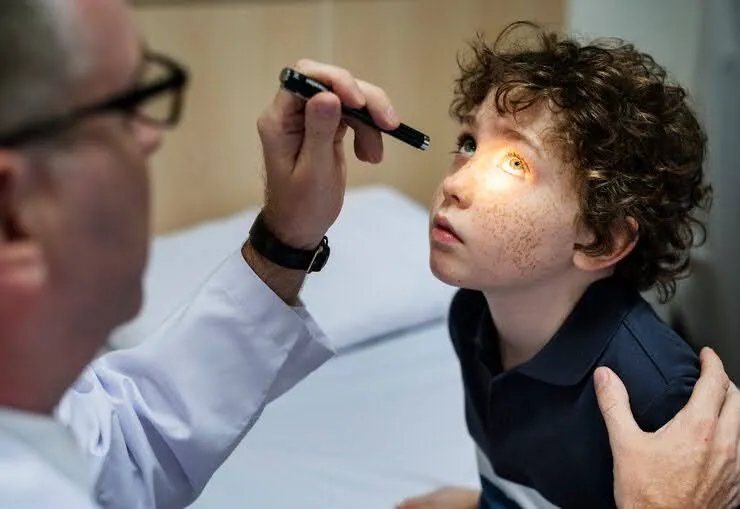
Doctors rely on structured tapering schedules to protect progress already achieved through Myopia management. Gradual reduction allows the eye to adjust while clinicians monitor stability. This method minimizes rebound risk and supports long-term visual outcomes for children receiving care at Kleinwood Vision.
When Doctors Consider Atropine Discontinuation
Discontinuation of atropine is usually considered only after a child shows long-term stability in eye growth. This often follows several years of controlled progression or a developmental stage when natural eye growth begins to slow. Decisions around stopping atropine myopia treatment are based on data, not timelines or convenience. Doctors look for consistent patterns that show myopia is remaining stable rather than reacting to short-term changes or single measurements.
Clinicians carefully evaluate axial length trends, prescription stability, family history, and lifestyle habits before recommending a taper. Factors such as outdoor time, near-work demands, and past progression rates all play a role in determining readiness. Reviewing this information together helps define a safe and individualized myopia management plan Houston families can trust. This comprehensive approach ensures that decisions support long-term visual health, not just short-term convenience.
Stopping atropine is never determined by age alone. At Kleinwood Vision, tapering decisions are guided by clinical evidence, trend analysis, and ongoing monitoring. This cautious strategy reduces the risk of rebound progression while maintaining control, giving families confidence that care decisions are thoughtful, personalized, and focused on lasting vision protection.
How Atropine Tapering Plans Work

Tapering atropine drops may involve lowering dosing frequency or reducing concentration over several months rather than stopping suddenly. This controlled process allows the eye to adapt gradually instead of responding with sudden growth changes or rebound progression. A gradual approach supports stability while clinicians observe how the eyes respond as treatment support is slowly reduced.
Regular follow-ups ensure progression remains within acceptable limits during tapering. Axial length and prescription data are reviewed to confirm control is maintained.
For low-dose atropine children, tapering is treated as an active phase of care, requiring close observation, consistency, and communication so myopia management remains effective and protective. This careful monitoring helps doctors respond early to any renewed change and reassures families that tapering decisions are guided by trends, not guesses, supporting long-term vision stability throughout the process with confidence and clarity at every stage.
If progression increases during tapering, doctors may pause or reverse the reduction to regain control. This flexibility allows clinicians to respond quickly to changes in axial length or prescription trends rather than continuing a plan that no longer fits the child’s needs. By adjusting the tapering schedule when necessary, doctors help prevent atropine rebound myopia from becoming a long-term setback. Careful monitoring ensures any renewed progression is identified early, protecting vision while maintaining a cautious, evidence-based approach to care.
Families are encouraged to view tapering as a continuation of care, not an endpoint. Regular follow-ups, consistent daily habits, and open communication remain essential during this phase. Ongoing monitoring helps clinicians confirm stability and refine decisions based on trends, not assumptions. This collaborative approach reassures families that myopia management remains active and responsive, supporting stable outcomes and long-term visual health as children transition away from full-dose atropine treatment.
How to Understand Rebound Myopia Risk
Rebound risk is highest in younger patients and in those who progressed rapidly before starting treatment. Recognizing these factors helps clinicians plan slower, more cautious tapers for low-dose atropine children who remain biologically vulnerable. By tailoring tapering schedules to each child’s age, growth patterns, and myopia history, doctors reduce the likelihood of rebound and maintain long-term control of eye growth.
Doctors monitor axial length and refraction together to identify subtle early changes. This dual tracking allows clinicians to detect rebound before noticeable vision loss occurs, ensuring timely intervention if needed. Combining careful monitoring with individualized taper plans reinforces safe discontinuation and provides families with confidence in ongoing myopia management. Consistent follow-ups and clear communication help support stable outcomes while minimizing risks during this critical phase of treatment.
How Families Support Myopia Stability at Home
Daily habits become especially important during tapering. Outdoor time helps regulate eye growth and supports stability as medication support decreases. Exposure to bright natural light remains a key factor in slowing axial length growth and reinforcing myopia control during this transition phase.
Limiting prolonged near work, encouraging regular screen breaks, and maintaining consistent sleep routines strengthen treatment outcomes. These habits work alongside professional myopia management strategies, ensuring that tapering does not compromise long-term control. Consistency in daily routines helps the eyes adapt gradually while supporting overall visual health.
Daily habits become especially important during tapering. Outdoor time helps regulate eye growth and supports stability as medication support decreases. Exposure to bright natural light remains a key factor in slowing axial length growth and reinforcing myopia control during this transition phase.
Limiting prolonged near work, encouraging regular screen breaks, and maintaining consistent sleep routines strengthen treatment outcomes. These habits work alongside professional myopia management strategies, ensuring that tapering does not compromise long-term control. Consistency in daily routines helps the eyes adapt gradually while supporting overall visual health.

Strong routines at home help children maintain stability during tapering and beyond. By combining structured habits with ongoing monitoring, families play an active role in safeguarding vision, reinforcing clinical care, and promoting lasting success in managing myopia effectively.
What Happens After Atropine Ends
After tapering is complete, monitoring continues to ensure vision remains stable. Even once atropine is fully reduced or discontinued, follow-up visits remain essential to confirm that the gains achieved during treatment are maintained. Regular assessments allow clinicians to track axial length and prescription trends over time, providing reassurance that myopia progression remains controlled. Early detection of any renewed progression ensures timely intervention, helping protect long-term visual health and preventing the need for more aggressive treatment later.
Some children transition fully off medication, while others continue optical strategies such as Ortho-K or specialized contact lenses as part of an evolving myopia management plan. Houston clinicians reassess each child annually, taking into account growth patterns, lifestyle habits, screen time, and family history. This individualized approach ensures that care is guided by objective measurements and long-term trends rather than age alone or assumptions, supporting effective myopia control while minimizing unnecessary treatment adjustments.
Graduating from atropine is an important milestone in a child’s myopia management journey. Successfully completing a taper demonstrates stability and effective control during critical growth periods. However, reaching this stage does not eliminate the need for continued observation, as eyes may still respond to late growth, seasonal changes, or environmental factors. Regular check-ups provide families with confidence and guidance, ensuring that any subtle changes are addressed promptly.
At Kleinwood Vision, ongoing monitoring remains a priority throughout the remaining growth years. By combining professional oversight, consistent follow-ups, healthy daily habits, and lifestyle guidance, families can maintain stable vision outcomes, reinforce myopia management strategies, and support long-term eye health well beyond the completion of atropine therapy.
Addressing Common Myopia Parent Concerns
Parents often worry that progress will be lost after stopping atropine. In most cases, children maintain the gains achieved during treatment when tapering is timed carefully and monitored closely. Gradual reduction allows the eyes to adapt without sudden growth changes, minimizing the risk of rebound myopia.
Another common concern is whether drops will need to be restarted. While some children may require future adjustments, most maintain stability with proper follow-up and healthy habits, including regular outdoor time, structured screen breaks, and consistent sleep routines. These routines support professional care and reinforce long-term myopia control.

Parents often worry that progress will be lost after stopping atropine. In most cases, children maintain the gains achieved during treatment when tapering is timed carefully and monitored closely. Gradual reduction allows the eyes to adapt without sudden growth changes, minimizing the risk of rebound myopia.
Another common concern is whether drops will need to be restarted. While some children may require future adjustments, most maintain stability with proper follow-up and healthy habits, including regular outdoor time, structured screen breaks, and consistent sleep routines. These routines support professional care and reinforce long-term myopia control.
Clear guidance and regular pediatric eye exams help families stay confident and engaged throughout the process. Ongoing monitoring of axial length and prescription trends allows clinicians to respond quickly to changes, ensuring tapering is safe and effective. This collaborative approach keeps each child’s myopia management plan individualized and protective of long-term vision.
Planning a Safe Atropine Exit Strategy
Follow tapering instructions closely, attend all scheduled pediatric eye exams, and report any changes promptly. Careful monitoring during this phase is essential to protect long-term vision and ensure that any early signs of rebound myopia are addressed quickly. By staying engaged with follow-ups, tracking axial length and prescription changes, and maintaining healthy daily habits, families help support stability throughout the tapering process.
A guided approach ensures atropine provides lasting benefit even after stopping. Combining professional oversight with consistent routines, outdoor time, structured screen breaks, and sufficient sleep reinforces effective myopia management. For personalized guidance on tapering atropine drops or adjusting your child’s myopia management plan Houston, contact us at Kleinwood Vision. Scheduling a comprehensive eye exam and ongoing care allows clinicians to tailor recommendations to your child’s unique needs, ensuring safe, effective, and long-term protection for their vision while maintaining confidence in care decisions.
Contact Info
Hours of Operation
Mon - Fri | 9:00 AM - 5:00 PM
Sat - Sun | Closed
Holiday Hours: We are closed for the following holidays: New Years Day, Memorial Day, Independence Day, Labor Day, Thanksgiving Day, Christmas Day
The information provided on this website is for general informational purposes only and does not constitute professional medical advice, diagnosis, or treatment. Always seek the guidance of a licensed eye care professional or qualified health provider with any questions you may have regarding a medical condition or vision concern. Results from eye care services may vary by individual.
© 2026 Kleinwood Vision. All rights Reserved.