
Specialty Contact Lenses
Specialty Contact Lenses for PMD Patients

FSDAVCFEBFEVSDDVFSD

FSDAVCFEBFEVSDDVFSD

FSDAVCFEBFEVSDDVFSD
Why PMD Can Make Vision Distorted
Pellucid marginal degeneration (PMD) is a corneal condition that causes thinning in the lower portion of the cornea, making its surface increasingly irregular over time. As the cornea changes shape, light no longer focuses evenly, resulting in blurred vision, ghost images, glare, streaking lights, and high levels of astigmatism that standard glasses often cannot fully correct.
Many patients find glasses provide only partial improvement because the uneven corneal surface, not the prescription, is the main issue. Specialty contact lenses for pellucid marginal degeneration create a smoother optical surface, helping improve visual clarity, reduce distortion, and deliver better vision than glasses alone.
Pellucid marginal degeneration (PMD) is a corneal condition that causes thinning in the lower portion of the cornea, making its surface increasingly irregular over time. As the cornea changes shape, light no longer focuses evenly, resulting in blurred vision, ghost images, glare, streaking lights, and high levels of astigmatism that standard glasses often cannot fully correct.
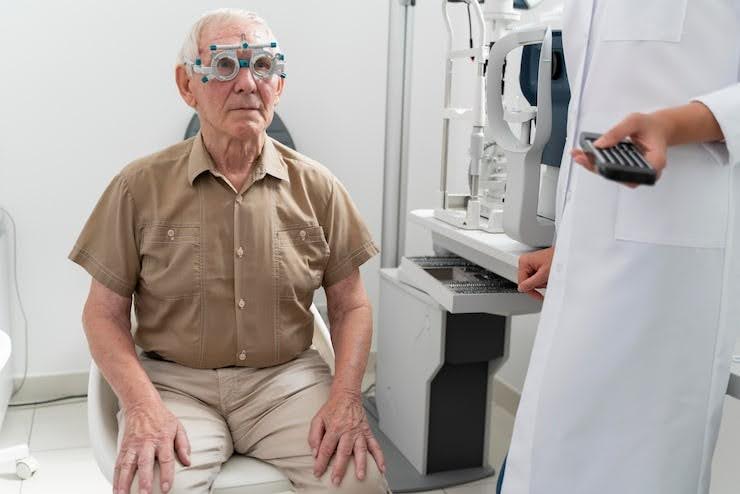
Many patients find glasses provide only partial improvement because the uneven corneal surface, not the prescription, is the main issue. Specialty contact lenses for pellucid marginal degeneration create a smoother optical surface, helping improve visual clarity, reduce distortion, and deliver better vision than glasses alone.
Why Regular Contacts May Not Work Well
Traditional soft contact lenses are designed to conform closely to the shape of the cornea. For eyes with a normal surface, this usually provides good visual correction. However, pellucid marginal degeneration contact lenses present a different challenge because the cornea has an irregular shape that standard soft lenses cannot fully neutralize. Even when the prescription appears accurate, patients may continue to experience blur, distortion, or unstable vision.
Glasses can also be limited because they sit away from the eye and cannot compensate for the complex optical changes caused by an irregular cornea. Patients often report that letters appear doubled, lights seem stretched, or vision never feels consistently sharp despite receiving updated prescriptions. This can become frustrating when repeated prescription changes fail to solve the underlying problem.
Specialty contact lenses are designed specifically for these situations. Depending on the severity and pattern of corneal irregularity, the doctor may consider scleral lenses for PMD, gas permeable lenses, hybrid lenses, or other customized designs. During comprehensive eye exams, corneal measurements, visual goals, comfort preferences, and eye health findings all help determine the most appropriate lens option.
Why Scleral Lenses Are Often Considered

Scleral lenses are commonly recommended for patients with PMD because they vault over the irregular corneal surface and rest on the sclera, the white part of the eye. The space between the lens and the cornea is filled with sterile fluid, creating a smooth optical surface that can significantly improve vision quality, reduce distortion, and provide more stable vision throughout the day. This unique design also helps protect the sensitive corneal surface while improving overall comfort for many patients.
This design is particularly useful when the lower cornea is highly irregular or when other lens types struggle to center properly. However, successful scleral lens fitting requires careful evaluation of lens clearance, edge alignment, comfort, vision quality, and how the lens settles during wear. A properly fitted lens balances clarity, safety, long-term comfort, and consistent visual performance, helping patients manage PMD more effectively.
Patients should understand that specialty lens fitting for PMD is often a process rather than a single appointment. The first diagnostic lens placed on the eye serves as a starting point, allowing the doctor to evaluate how the lens interacts with the unique shape of the cornea. Initial findings help determine the ideal lens design, fit, and performance while identifying areas that may need adjustment to improve comfort and vision. Every patient's cornea is different, making a personalized fitting approach essential.
Follow-up visits are an important part of achieving the best result. A lens may require modification if it causes redness, excessive fogging, discomfort, or unstable vision during daily wear. These adjustments do not mean the fitting has failed. Instead, they help fine-tune the design so it works more effectively with the patient's specific corneal shape and visual needs. Regular follow-up appointments also allow the doctor to monitor eye health, confirm proper lens performance, and ensure long-term comfort, stability, and clear vision.
What Testing Helps Guide the Fit
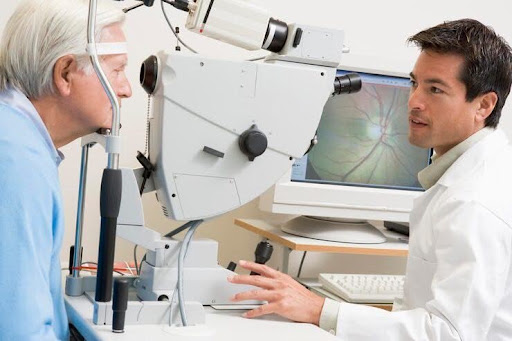
Corneal topography and tomography are valuable tools in PMD care because they provide detailed maps of corneal shape and curvature. These images help the doctor identify steep areas, thinning patterns, and irregular zones that contribute to distorted vision. This information plays a major role in selecting and designing the most appropriate lens for each patient's unique corneal condition while improving fitting accuracy and visual outcomes.
The doctor may also evaluate tear quality, eye surface health, prescription measurements, and how trial lenses perform during wear. Specialty lens fitting is not based on a single measurement. The best outcomes usually come from combining advanced imaging, patient feedback, real-world lens performance, and careful follow-up evaluations. This comprehensive approach helps ensure optimal comfort, stable vision, proper lens alignment, and long-term eye health while addressing the unique challenges associated with PMD and irregular corneas.
What Patients Can Expect From Vision
Specialty lenses can often improve visual clarity dramatically, but expectations should remain realistic. The primary goal is to provide better functional vision for daily activities rather than guarantee perfect vision in every lighting condition or environment. While many patients experience significant improvement, individual results depend on the condition of the cornea and overall eye health.
Some patients may continue to notice mild glare, halos, or distortion during nighttime driving or other visually demanding situations. The degree of improvement depends on the severity of the corneal irregularity and how well the final lens design aligns with the eye throughout daily wear.
Specialty lenses can often improve visual clarity dramatically, but expectations should remain realistic. The primary goal is to provide better functional vision for daily activities rather than guarantee perfect vision in every lighting condition or environment. While many patients experience significant improvement, individual results depend on the condition of the cornea and overall eye health.
Some patients may continue to notice mild glare, halos, or distortion during nighttime driving or other visually demanding situations. The degree of improvement depends on the severity of the corneal irregularity and how well the final lens design aligns with the eye throughout daily wear.

A successful PMD contact lens fit should provide more stable vision, improved comfort, and greater confidence during activities such as reading, driving, working, and using digital devices throughout the day.
Understanding Long-Term PMD Lens Care
Pellucid marginal degeneration can be confusing because many patients spend years being treated primarily for astigmatism before learning that the shape of the cornea itself is responsible for their visual symptoms. Once the diagnosis is confirmed, many patients finally understand why traditional glasses or standard contacts have not provided consistently clear vision. As the cornea becomes more irregular, everyday tasks such as reading, driving, and computer use may become increasingly difficult despite frequent prescription updates.
Specialty contact lenses help by creating a more regular optical surface for light to pass through. This is why many individuals with PMD experience clearer vision with specialty lenses than with conventional correction methods. Improvements can be especially noticeable for patients who struggle with ghosting, glare, smeared lights, or distorted images that interfere with daily activities. Many patients also experience improved visual stability and greater confidence throughout the day.
The fitting process requires patience because PMD often affects the lower portion of the cornea, making lens positioning more challenging. Several measurements, trial lenses, and design adjustments may be necessary before the ideal fit is achieved. While this process can take time, it often leads to significantly better visual outcomes, enhanced comfort, and more consistent vision for daily life.
Long-term follow-up remains important because corneal shape can change over time. Regular evaluations allow the doctor to monitor eye health, assess lens performance, and make adjustments when needed. Consistent monitoring helps ensure that vision remains as stable and comfortable as possible while supporting long-term eye health. With ongoing care and properly fitted specialty contact lenses, many patients with PMD can continue enjoying clearer, more reliable vision for years.
Questions to Ask Before Starting
Ask your doctor which type of specialty lens is being recommended and why it is appropriate for your particular corneal shape. Understanding the reasoning behind the recommendation can help you feel more confident about the treatment plan and what to expect from the fitting process. Learning how the recommended lens supports your vision needs can also improve confidence before treatment begins.
It is also helpful to ask how many appointments may be required and what signs indicate that a lens adjustment might be needed.
Ask your doctor which type of specialty lens is being recommended and why it is appropriate for your particular corneal shape. Understanding the reasoning behind the recommendation can help you feel more confident about the treatment plan and what to expect from the fitting process. Learning how the recommended lens supports your vision needs can also improve confidence before treatment begins.
It is also helpful to ask how many appointments may be required and what signs indicate that a lens adjustment might be needed.
Knowing that refinement is a normal part of specialty lens fitting can make the experience less stressful and more predictable. Open communication with your doctor ensures concerns are addressed promptly throughout the fitting journey.
Finally, ask how your condition will be monitored over time. PMD care often involves ongoing evaluations rather than a one-time prescription. Understanding the long-term plan helps patients
Finding the Right PMD Lens Fit
If glasses or standard contacts are no longer providing clear, comfortable vision, a specialty contact lens evaluation may be the next step. Bring your current glasses, contact lenses, previous prescriptions, and notes about your biggest vision challenges. If you have questions before your visit, you can contact us to learn more about the specialty lens fitting process and available options. Being prepared helps your doctor better understand your vision needs and recommend the most suitable treatment approach.
At Kleinwood Vision, patients receive individualized evaluations designed to address irregular corneal conditions such as PMD. Through advanced imaging, specialty contact lenses Houston fittings, and ongoing follow-up care, many patients achieve clearer, more stable vision than they thought possible with traditional correction methods alone. Our personalized approach focuses on long-term comfort, improved visual performance, and maintaining healthy eyes through continued monitoring and expert care.
Contact Info
Hours of Operation
Mon - Fri | 9:00 AM - 5:00 PM
Sat - Sun | Closed
Holiday Hours: We are closed for the following holidays: New Years Day, Memorial Day, Independence Day, Labor Day, Thanksgiving Day, Christmas Day
The information provided on this website is for general informational purposes only and does not constitute professional medical advice, diagnosis, or treatment. Always seek the guidance of a licensed eye care professional or qualified health provider with any questions you may have regarding a medical condition or vision concern. Results from eye care services may vary by individual.
© 2026 Kleinwood Vision. All rights Reserved.