
Specialty Contact Lenses
Specialty Lenses After Corneal Cross-Linking

FSDAVCFEBFEVSDDVFSD

FSDAVCFEBFEVSDDVFSD

FSDAVCFEBFEVSDDVFSD
Why Cross-Linking Does Not Replace Vision Correction
Corneal cross-linking is designed to strengthen the cornea and slow or stop worsening ectasia, not to fully restore normal optics on its own. Many patients with keratoconus expect their vision to become “fixed” after the procedure, but the irregular shape that was already present may still leave them with distorted or unstable vision even when the cornea is more stable than before.
That is why specialty contact lenses after corneal cross-linking remain part of care. A specialty contact lens exam Houston helps confirm corneal stability and guide lens design for improved vision, comfort, and ocular surface protection after treatment in ongoing post-surgical vision care plan.
Corneal cross-linking is designed to strengthen the cornea and slow or stop worsening ectasia, not to fully restore normal optics on its own. Many patients with keratoconus expect their vision to become “fixed” after the procedure, but the irregular shape that was already present may still leave them with distorted or unstable vision even when the cornea is more stable than before.

That is why specialty contact lenses after corneal cross-linking remain part of care. A specialty contact lens exam Houston helps confirm corneal stability and guide lens design for improved vision, comfort, and ocular surface protection after treatment in ongoing post-surgical vision care plan.
How Cross-Linking Can Change the Fit
After cross-linking, the cornea may not behave exactly the way it did before. Some eyes flatten slightly, some remain similarly shaped but more stable, and some develop enough contour change that an old lens fit no longer lands where it used to. Even if a pre-treatment lens still feels wearable, it may not provide the same alignment, vault, or optical quality after healing is complete, making reassessment important.
This matters because irregular cornea contact lens fitting depends on precise corneal relationships. In corneal GP or hybrid lenses, even a subtle surface change can affect centration, movement, edge interaction, or comfort. In scleral lenses, the fitting process focuses on how the lens vaults the irregular cornea and lands on the sclera, but cross-linking can still change the visual result and overall fit. The lens that worked before treatment may need modification rather than reuse.
Timing also matters. Refitting too early can be frustrating because the cornea may still be settling. A thoughtful refit process helps avoid chasing a moving target and improves the chance of achieving stable, comfortable results with contact lenses after cross-linking.
What Vision May Be Like After Healing
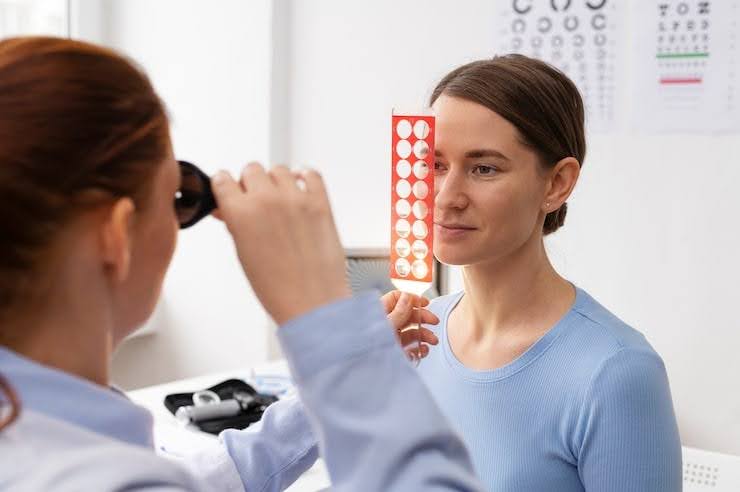
Many patients hope cross-linking alone will noticeably sharpen vision, but the more realistic expectation is stabilization first and optical improvement through specialty lenses afterward. Some people do see modest visual changes once healing settles, but ghosting, blur, glare, and irregular astigmatism often remain because the corneal shape is still not optically smooth enough for glasses or naked-eye vision to perform well in everyday situations and visual tasks.
This is where custom lenses become especially valuable. By creating a smoother front optical surface, keratoconus lenses after CXL can often improve clarity beyond what glasses can provide on an irregular cornea.
The exact outcome depends on the degree of irregularity, ocular surface health, and whether the fit is truly optimized. The goal is not perfection, but better quality, more stable vision, and improved day-to-day visual function for patients.
Patients should also have realistic expectations about comfort. Some individuals feel better in lenses after cross-linking once the eye stabilizes and the fit is updated properly. Others may need time, refit adjustments, or even a change in lens type because the old lens interacts differently with the post-treatment cornea. Dryness, fluctuating vision, and end-of-day fatigue should not be ignored, as comfort and clarity often improve together when the fit is refined. Monitoring these symptoms helps guide necessary changes and improves overall lens tolerance.
It is common for patients to need more than one follow-up adjustment before the best lens parameters become clear. Custom lens success after cross-linking is often a process rather than a single visit, especially in eyes with advanced irregularity or long-standing lens wear history. Careful follow-up allows gradual improvements, helping achieve better vision, enhanced comfort, and more stable results over time.
Which Lens Designs Are Commonly Used
The best lens design after cross-linking depends on the shape of the cornea, the amount of irregularity, and what the patient has tolerated in the past. Some patients continue doing well in corneal GP lenses or hybrids, while others benefit more from scleral lenses that vault the cornea and create a fluid reservoir over the irregular surface. Each option has tradeoffs in handling, comfort, lens awareness, and visual stability.
A comprehensive eye exam and specialty fitting help determine whether the goal is maximizing sharpness, improving comfort, protecting the ocular surface, or balancing all three. For many post-cross-linking patients, scleral lenses after cross-linking become an effective option because they bypass much of the irregular corneal surface. However, the right design should always match the eye’s shape and the patient’s daily needs rather than assumptions about which lens is best.
Why Follow-Up Still Matters After Treatment
Cross-linking may slow progression, but it does not eliminate the need for monitoring. The cornea still needs to be checked for stability, surface health, and how well the lens fit is performing over time. Regular evaluations help ensure that healing remains on track and that no subtle changes are missed.
This is especially important when patients return to contact lens wear after healing or switch designs. Vision quality, staining, comfort, and wear time all help reveal whether the lens is supporting the eye or causing irritation. These factors provide valuable insight into how well the lens is interacting with the cornea.
Cross-linking may slow progression, but it does not eliminate the need for monitoring. The cornea still needs to be checked for stability, surface health, and how well the lens fit is performing over time. Regular evaluations help ensure that healing remains on track and that no subtle changes are missed.
This is especially important when patients return to contact lens wear after healing or switch designs. Vision quality, staining, comfort, and wear time all help reveal whether the lens is supporting the eye or causing irritation. These factors provide valuable insight into how well the lens is interacting with the cornea.
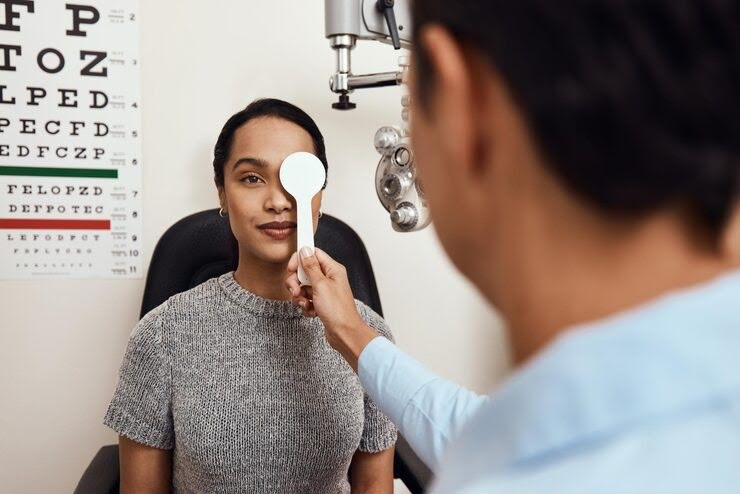
Regular follow-up also helps detect when a fit that was initially successful begins to change. Ongoing care protects both vision quality and the long-term health of the post-cross-linking cornea.
Understanding Post-Treatment Lens Expectations Clearly
Patients often feel discouraged when they learn that cross-linking does not remove the need for specialty lenses, but this is usually a misunderstanding of the procedure’s purpose. Cross-linking is designed to stabilize the cornea, while specialty contact lenses provide the visual correction needed afterward. Understanding this difference helps set clearer expectations and reduces frustration during recovery and long-term care.
Once the cornea stabilizes, the focus shifts to improving vision through better lens design and fit. The previous lens may need modification, and comfort may depend on updated materials or design features that match the new corneal shape more accurately. This step is essential for achieving consistent visual performance in daily life and reducing fluctuations in clarity. Careful evaluation ensures that the lens aligns properly with the post-treatment cornea for optimal results.
With proper care and follow-up, many patients achieve better vision and more reliable lens wear than before treatment. The process requires patience, but results are often more stable once the cornea has been strengthened and the lens fit is properly refined. Improvements in comfort, clarity, and wear time often develop gradually as adjustments are made.
Over time, this combined approach supports both eye health and functional vision. Regular monitoring ensures that any subtle changes are addressed early, helping maintain long-term success. Patients who stay consistent with care often experience improved confidence, better daily function, and more predictable outcomes with specialty lenses. Collaboration between patient and eye care provider is key to achieving the best possible visual stability and comfort after cross-linking treatment.
Questions to Ask After Cross-Linking
Patients should ask when their cornea is stable enough for a meaningful refit rather than assuming they can return to previous lenses immediately. Timing plays an important role in achieving a successful outcome and avoiding unnecessary adjustments. Healing progression varies, so professional evaluation is essential before restarting or changing lens wear after cross-linking.
It is also helpful to ask whether the previous lens design is still appropriate or if the post-treatment corneal shape suggests a different approach. A familiar lens may not always provide the best results after healing, especially if subtle corneal changes affect fit, comfort, or visual quality.
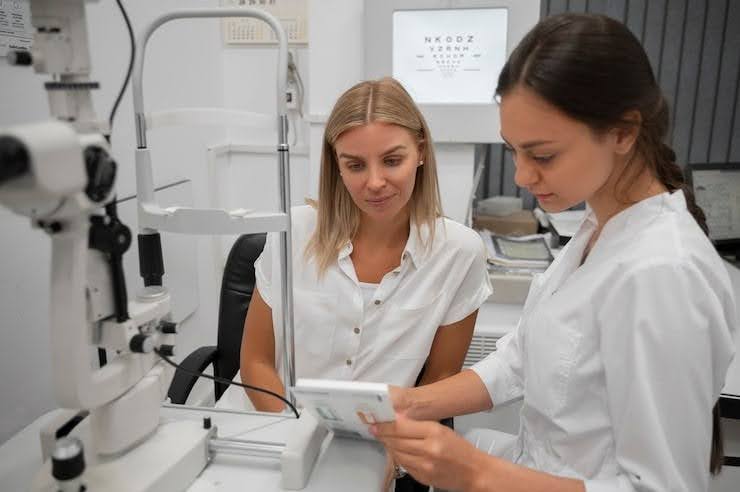
Patients should ask when their cornea is stable enough for a meaningful refit rather than assuming they can return to previous lenses immediately. Timing plays an important role in achieving a successful outcome and avoiding unnecessary adjustments. Healing progression varies, so professional evaluation is essential before restarting or changing lens wear after cross-linking.
It is also helpful to ask whether the previous lens design is still appropriate or if the post-treatment corneal shape suggests a different approach. A familiar lens may not always provide the best results after healing, especially if subtle corneal changes affect fit, comfort, or visual quality.
Finally, ask what level of vision improvement is realistic in your specific case. Understanding whether the goal is sharper vision, better comfort, longer wear time, or a balance of all three helps guide expectations and treatment decisions and supports more predictable outcomes.
Your Next Steps Before Your Visit
Before your appointment, bring your current or previous contact lenses, glasses, and any recent records from your cross-linking procedure. Be ready to describe how your vision has changed, whether your previous lenses still work, and what issues concern you most, such as blur, discomfort, or reduced wear time. This information helps guide a more precise evaluation and fitting process and allows your eye doctor to understand your visual history more clearly.
If you still need visual rehabilitation after treatment, Kleinwood Vision can assess corneal shape, lens performance, and comfort through a specialty contact lens exam Houston patients trust. A comprehensive eye exam helps determine the best approach for your current needs. If vision remains inconsistent, Contact us to schedule an appointment and restore clearer, more stable vision with the right specialty lens solution.
Contact Info
Hours of Operation
Mon - Fri | 9:00 AM - 5:00 PM
Sat - Sun | Closed
Holiday Hours: We are closed for the following holidays: New Years Day, Memorial Day, Independence Day, Labor Day, Thanksgiving Day, Christmas Day
The information provided on this website is for general informational purposes only and does not constitute professional medical advice, diagnosis, or treatment. Always seek the guidance of a licensed eye care professional or qualified health provider with any questions you may have regarding a medical condition or vision concern. Results from eye care services may vary by individual.
© 2026 Kleinwood Vision. All rights Reserved.