
Specialty Contact Lenses
Specialty Contact Lens Follow-Up Schedule

FSDAVCFEBFEVSDDVFSD

FSDAVCFEBFEVSDDVFSD

FSDAVCFEBFEVSDDVFSD
Why Follow-Ups Matter With Specialty Lenses
Specialty contact lenses are custom medical devices designed specifically for your eyes. Unlike standard soft lenses, they are tailored to match the unique shape of your cornea and your visual needs. Because of this precision, a specialty contact lens follow up schedule is essential. Follow-up visits allow your doctor to confirm the lens is performing safely and comfortably after normal daily wear.
A comprehensive eye exam Houston combined with specialty lens rechecks helps prevent redness, irritation, fogging, or fluctuating vision. These visits ensure the final lens parameters match your eye’s needs, not just the initial fitting. A structured follow-up process supports long-term comfort, stable vision, and healthy corneal tissue.
Specialty contact lenses are custom medical devices designed specifically for your eyes. Unlike standard soft lenses, they are tailored to match the unique shape of your cornea and your visual needs. Because of this precision, a specialty contact lens follow up schedule is essential. Follow-up visits allow your doctor to confirm the lens is performing safely and comfortably after normal daily wear.

A comprehensive eye exam Houston combined with specialty lens rechecks helps prevent redness, irritation, fogging, or fluctuating vision. These visits ensure the final lens parameters match your eye’s needs, not just the initial fitting. A structured follow-up process supports long-term comfort, stable vision, and healthy corneal tissue.
What Happens at Each Recheck Visit
The first recheck usually focuses on evaluating fit and overall eye health. Your doctor examines how the lens centers on the eye and how it behaves during blinking and movement. For scleral lenses, the doctor checks the vault over the cornea and how the lens rests on the white part of the eye. The goal of this contact lens exam is to ensure the lens is not creating pressure points, restricting oxygen flow, or causing corneal staining, which could affect long-term eye health and comfort.
Next, your optometrist evaluates how the lens performs after several hours of wear. During a rigid contact lens recheck, they may check for movement, edge alignment, or whether the lens rides too high or low. For scleral lenses, the doctor assesses fogging, bubbles under the lens, and midday comfort. Tear film quality and eyelid health are also reviewed because dryness, allergies, or lid inflammation can affect lens stability and clarity.
Follow-up visits also address handling and hygiene. Insertion technique, cleaning habits, and solution choices affect comfort. The goal is all-day comfort, stable vision, and a safe long-term plan for routine contact lens monitoring.
Typical Follow-Up Timing by Lens Type
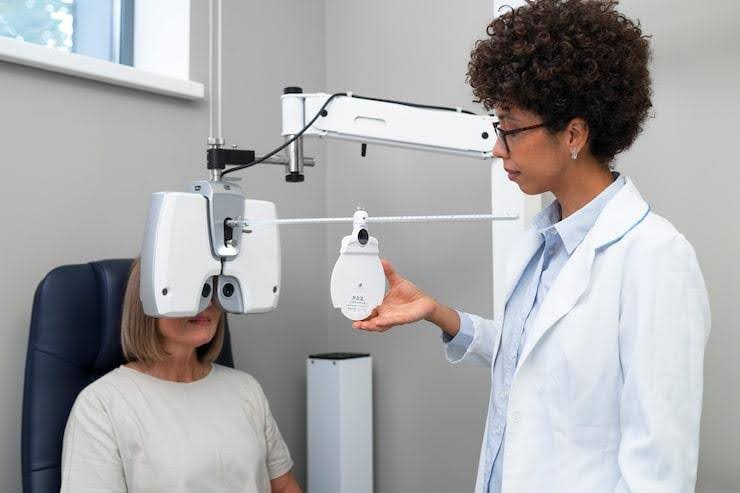
Follow-up schedules can vary, but most specialty lens fittings follow a predictable pattern. Patients usually return after several days or a week of wear so real-world issues can be evaluated. Adjustments may be made during this early visit, followed by another recheck once the updated lenses have been worn. A scleral lens follow-up schedule often involves multiple visits because vault height and landing zones are highly customizable to each patient’s eye. These adjustments help ensure proper fit, comfort, and oxygen flow while maintaining clear vision throughout the day.
RGP and hybrid lenses may also require several adjustments, especially for patients transitioning from soft lenses. Edge alignment, lens movement, and comfort during blinking are closely monitored.
Custom soft lenses for higher prescriptions or significant astigmatism may need fewer rechecks, but follow-ups are still important to confirm rotational stability, lens performance, and corneal health over time.
You can reduce unnecessary visits by carefully following your doctor’s instructions before each appointment. Arrive wearing your lenses for the recommended number of hours so the doctor can evaluate the fit after extended wear rather than immediately after insertion. Bring your cleaning solutions, plungers if you use scleral lenses, and any products you normally use each day. This preparation allows the doctor to assess how the lenses perform under typical conditions and ensures that any adjustments are based on real-world wear, not just initial comfort.
Keeping simple notes about your experience can also help. Track factors like redness timing, fogging patterns, comfort hours, or bubble formation. If one eye behaves differently, mention it during your visit. Consistency in wear and routine allows your doctor to interpret results accurately, identify subtle issues, and make adjustments more efficiently, ultimately improving comfort, lens performance, and long-term eye health.
When Rechecks Become More Frequent
Some patients require closer monitoring during the early phase of specialty lens wear. Conditions such as keratoconus, significant dryness, or previous contact lens intolerance may require more frequent follow-up visits. These appointments allow the doctor to ensure the cornea remains healthy while you gradually increase daily wear time and adapt to the lenses. Regular check-ins help detect any early issues and maintain optimal eye health.
Additional visits may also be necessary if symptoms such as fluctuating vision, redness, or fogging appear. During these follow-ups, your doctor may reassess tear film quality, eyelid health, or lens alignment and adjust the lens material, fit, or cleaning routine if needed. Once the lens fit stabilizes and comfort improves, follow-up visits typically become less frequent, ensuring long-term comfort, clear vision, and safe contact lens wear.
Signs You Should Call Sooner
Although scheduled follow-ups are planned in advance, certain symptoms require earlier evaluation. Increasing eye pain, strong light sensitivity, or a very red eye should never be ignored, as these signs can indicate inflammation or infection and need prompt attention.
Other warning signs include sudden vision changes, persistent bubbles under a scleral lens, or severe fogging that does not improve with normal cleaning or reinsertion. These problems may signal that the lens parameters or care routine need adjustment to restore comfort and clear vision.
Although scheduled follow-ups are planned in advance, certain symptoms require earlier evaluation. Increasing eye pain, strong light sensitivity, or a very red eye should never be ignored, as these signs can indicate inflammation or infection and need prompt attention.
Other warning signs include sudden vision changes, persistent bubbles under a scleral lens, or severe fogging that does not improve with normal cleaning or reinsertion. These problems may signal that the lens parameters or care routine need adjustment to restore comfort and clear vision.
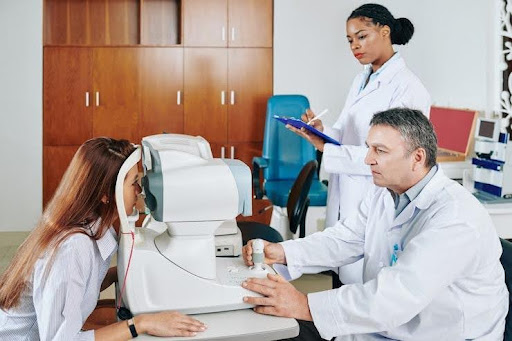
Mild awareness during the adaptation period can be normal, but persistent sharp pain, discharge, or worsening redness is not. Contacting your doctor early allows small issues to be corrected before they become larger problems, ensuring safe, comfortable, and effective contact lens wear.
How Follow-Ups Lead to Long-Term Stability
A well-designed specialty lens fitting process begins with several early visits and gradually transitions to routine monitoring. These early appointments serve as a “tuning phase,” allowing your doctor to adjust lens parameters based on how your eyes respond to real-world wear. During this phase, the doctor observes lens fit, comfort, and vision stability throughout the day to ensure the final design meets each eye’s unique needs. Once the optimal lens design is confirmed, most patients move to an annual contact lens exam unless new symptoms or changes in vision arise.
Consistency during the tuning phase is essential. Wearing lenses for the recommended hours before each visit and following cleaning and filling instructions carefully allows the doctor to assess accurate results. Providing detailed feedback—such as fogging after several hours, dryness in one eye, or temporary blur—helps fine-tune the fit efficiently, reducing the need for repeated adjustments.
Addressing related issues like dry eye, allergies, or eyelid inflammation also supports successful lens wear. A stable tear film prevents deposits that can interfere with lens performance and improves all-day comfort. Doctors may recommend eyelid hygiene, preservative-free lubricating drops, or seasonal allergy management to maintain optimal eye health and lens stability.
Once lenses feel predictable and comfortable, follow-up routines become simpler. Patients learn what normal wear feels like and which warning signs require evaluation. If eye conditions change or a replacement lens is needed, the established follow-up schedule ensures smooth adjustments. With proper care, communication, and monitoring, specialty contact lenses provide clear, stable vision and long-term comfort.
Important Questions Patients Should Always Ask
When beginning a specialty lens fitting, ask your doctor about the expected follow-up timeline. Understanding how many visits are typical for your lens type and what improvements are expected at each stage helps you plan ahead and set realistic expectations for your lens adaptation.
You may also want to ask what to bring to appointments and how long lenses should be worn before the visit. For scleral lenses, discuss which filling solutions to use and how to prevent bubbles or fogging. For RGP or hybrid lenses, ask what normal adaptation should feel like and when discomfort may indicate a fit issue.
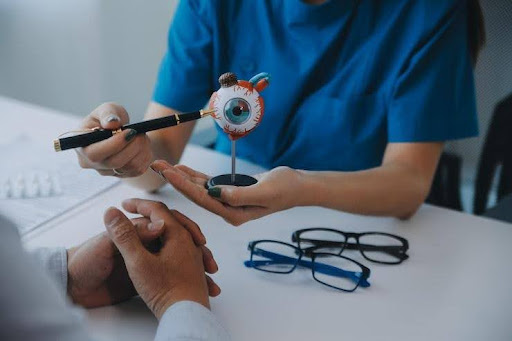
When beginning a specialty lens fitting, ask your doctor about the expected follow-up timeline. Understanding how many visits are typical for your lens type and what improvements are expected at each stage helps you plan ahead and set realistic expectations for your lens adaptation.
You may also want to ask what to bring to appointments and how long lenses should be worn before the visit. For scleral lenses, discuss which filling solutions to use and how to prevent bubbles or fogging. For RGP or hybrid lenses, ask what normal adaptation should feel like and when discomfort may indicate a fit issue.
Finally, ask which symptoms require an earlier visit and which minor issues can safely be monitored at home. Having a clear action plan improves confidence, helps you track progress accurately, and protects your eye health throughout the specialty lens fitting and adjustment process.
Creating Your Personalized Follow-Up Action Plan
Plan on follow-up visits as an essential part of the specialty lens process rather than viewing them as an inconvenience. Wear your lenses for the recommended number of hours before each visit, bring your cleaning solutions and tools, and keep notes on comfort, clarity, and any symptoms. This preparation allows your doctor to evaluate real-world lens performance and make adjustments more efficiently, ensuring proper fit, stable vision, and long-term eye health.
If you are considering specialty contact lenses Houston, Kleinwood Vision can provide a clear fitting and specialty contact lens follow-up schedule designed specifically for your eye condition. The goal is to maintain safe corneal health, reliable vision, and a lens routine you can follow comfortably. If you have questions about specialty lenses, adaptation, or follow-up care, contact us to schedule your next contact lens exam and ensure your lenses perform at their best.
Contact Info
Hours of Operation
Mon - Fri | 9:00 AM - 5:00 PM
Sat - Sun | Closed
Holiday Hours: We are closed for the following holidays: New Years Day, Memorial Day, Independence Day, Labor Day, Thanksgiving Day, Christmas Day
The information provided on this website is for general informational purposes only and does not constitute professional medical advice, diagnosis, or treatment. Always seek the guidance of a licensed eye care professional or qualified health provider with any questions you may have regarding a medical condition or vision concern. Results from eye care services may vary by individual.
© 2026 Kleinwood Vision. All rights Reserved.