
Myopia Management
Screen Time After School and Myopia

FSDAVCFEBFEVSDDVFSD
FSDAVCFEBFEVSDDVFSD

FSDAVCFEBFEVSDDVFSD
Why After-School Habits Really Matter
For many children, the school day already includes reading, homework, and device use. After school, that visual load often continues with tablets, phones, gaming, and streaming, leaving very little time for the eyes to focus at distance. This pattern of screen time after school can increase visual strain and reduce the balance that naturally comes from looking far away, moving around, and spending time outdoors.
Screen time and myopia are not linked by use alone, but by how screens are used. Long hours at close distance minimal breaks and dark-room viewing increase visual demand. A myopia management evaluation families daily habits contributing pattern may need closer monitoring.
For many children, the school day already includes reading, homework, and device use. After school, that visual load often continues with tablets, phones, gaming, and streaming, leaving very little time for the eyes to focus at distance. This pattern of screen time after school can increase visual strain and reduce the balance that naturally comes from looking far away, moving around, and spending time outdoors.

Screen time and myopia are not linked by use alone, but by how screens are used. Long hours at close distance minimal breaks and dark-room viewing increase visual demand. A myopia management evaluation families daily habits contributing pattern may need closer monitoring.
Which Screen Habits Raise More Concern
The most concerning pattern is not simply using devices but spending long stretches on them at very close distances. Many children hold phones or tablets closer than they realize, especially when tired or focused. This habit increases strain on the eyes and can quietly contribute to fatigue even when children do not clearly express discomfort or notice early warning signs.
Another issue is stacking near work throughout the day, where a child shifts from schoolwork to homework to gaming or social media without sufficient breaks for visual recovery. Even if each activity seems normal in isolation, the cumulative effect creates continuous near focus, a pattern strongly linked to myopia progression habits that eye doctors monitor closely in growing children.
Lighting and posture also play important roles in visual comfort and long term eye health. Using screens in dark rooms, lying down with devices held close to the face, or slouching over screens can all increase strain and reduce viewing quality. These habits do not guarantee progression, but they often align with patterns seen in kids visual habits after school that raise overall visual demand and limit proper visual relaxation time.
Why Outdoor Time Still Matters

One of the easiest habits to lose in a screen-heavy routine is time outdoors. When children spend more time outside, their eyes naturally focus at longer distances, giving the visual system a break from constant near work. This balance becomes especially important when screen time after school fills most of the day, reducing chances for visual recovery and healthy eye relaxation over time.
Parents do not need to eliminate devices entirely to make a difference. Even consistent, moderate outdoor activity can help support healthier visual balance.
A myopia management evaluation often includes reviewing daily routines because the mix of near work and outdoor time plays a role in reducing myopia risk habits. Encouraging outdoor play, sports, or simple walks can gradually build healthier routines that support better visual habits and long-term eye comfort in children.
Families usually see better results by adjusting routines rather than enforcing strict limits. For example, encouraging breaks between activities or shifting screen use to shared spaces can reduce strain without constant conflict. These changes feel more natural for children and are easier to follow consistently, helping build awareness of screen habits while reducing continuous near focus throughout the day.
It also helps to schedule outdoor time earlier in the day before screen habits take over. Starting the day with outdoor activity increases the chances that it becomes a regular part of the routine rather than an afterthought. These small adjustments can make daily routines more balanced and easier to maintain over time. As these habits become consistent, they can support better visual comfort, reduce overall strain, and promote a healthier balance between near work and outdoor time, which is important for long-term visual health.
When Habits and Myopia Start Overlapping
If a child already has myopia, daily habits become even more important. A child needing stronger prescriptions, squinting more often, or moving closer to screens may be showing signs that both vision and routine need to be reviewed together rather than separately. Looking at these patterns early can help prevent further strain and support more effective long-term management.
This does not mean parents are at fault for screen use. It simply means habits are part of the bigger picture. A comprehensive eye exam Houston families trust can help determine whether progression is mild or more active and whether lifestyle adjustments should support the overall plan. Combining professional guidance with small routine changes can create a more balanced approach, helping children maintain better visual comfort while reducing myopia risk habits over time.
Easy Changes Families Can Start
Start by reducing the most intense close-work habits. Encourage using larger screens instead of handheld devices when possible and increase the viewing distance during screen use. These adjustments can lower visual strain and make it easier for children to maintain more comfortable viewing habits throughout the day.
Next, build natural breaks into routines. Short pauses to look across the room or step outside can interrupt long periods of near focus and reduce strain on the eyes. Even simple, consistent breaks can support visual recovery and reduce fatigue.
Start by reducing the most intense close-work habits. Encourage using larger screens instead of handheld devices when possible and increase the viewing distance during screen use. These adjustments can lower visual strain and make it easier for children to maintain more comfortable viewing habits throughout the day.
Next, build natural breaks into routines. Short pauses to look across the room or step outside can interrupt long periods of near focus and reduce strain on the eyes. Even simple, consistent breaks can support visual recovery and reduce fatigue.
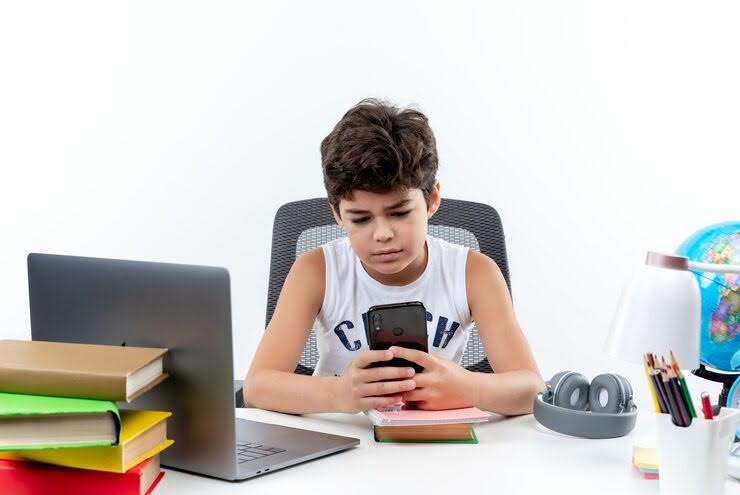
Finally, create variety in the day. A mix of homework, movement, outdoor time, and screen use supports healthier visual habits than long, uninterrupted periods of close work. This balance encourages better eye comfort and helps reduce overall visual demand in daily routines.
How Daily Routines Shape Visual Balance
After-school routines matter because they either increase or reduce the total amount of near work a child experiences each day. A child may already spend hours focusing up close at school, so what happens after school plays a key role in balancing that visual demand. When evenings are filled with more close work, the eyes have fewer chances to relax and recover, which can contribute to ongoing visual fatigue and reduced comfort over time.
Small changes can make a meaningful difference. Increasing screen distance, improving lighting, and adding outdoor time can help reduce strain without eliminating devices. These adjustments are part of reducing myopia risk habits and supporting better long-term visual comfort. Even simple environmental changes, like avoiding dark rooms or keeping screens at eye level, can make daily viewing easier on the eyes.
Consistency matters more than perfection. Families do not need strict rules to see improvement. Instead, steady, realistic adjustments often lead to better results and less resistance from children. When habits are practical and easy to repeat, they are more likely to become part of everyday life without constant reminders or conflict.
Over time, these habits become part of a broader approach to managing vision. When combined with regular exams and monitoring, they help support both current comfort and long-term eye health. A balanced routine that includes schoolwork, movement, outdoor time, and controlled screen use can gradually reduce visual strain and encourage healthier visual development as children grow, making daily routines more sustainable and supportive overall.
Questions Parents Can Ask Early
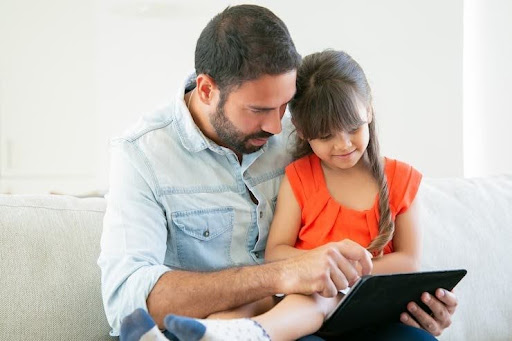
Parents should ask whether their child’s daily screen habits are adding extra visual strain beyond schoolwork. This helps frame the conversation around real routines instead of just counting hours. It shifts attention toward how vision is used throughout the entire day, including both school and home environments, rather than focusing only on isolated activities.
It is also useful to ask which changes matter most. Simple adjustments like improving screen distance or adding outdoor time are often easier to maintain than strict limits. These practical steps can be integrated gradually, making them more sustainable for children and reducing resistance to new routines.
Parents should ask whether their child’s daily screen habits are adding extra visual strain beyond schoolwork. This helps frame the conversation around real routines instead of just counting hours. It shifts attention toward how vision is used throughout the entire day, including both school and home environments, rather than focusing only on isolated activities.
It is also useful to ask which changes matter most. Simple adjustments like improving screen distance or adding outdoor time are often easier to maintain than strict limits. These practical steps can be integrated gradually, making them more sustainable for children and reducing resistance to new routines.
Finally, ask how these habits connect to your child’s current vision pattern. Understanding whether the doctor sees mild or more active changes helps guide how quickly routines should be adjusted. This ensures that lifestyle changes are matched appropriately to the level of visual development and ongoing eye health needs.
Your Next Steps Before the Visit
Before your appointment, review your child’s daily routine. Note how much time is spent on homework, screens, and outdoor activities, along with how devices are used. This helps connect habits to visual patterns more clearly during the exam. Paying attention to details like viewing distance, lighting, and breaks between tasks can make the discussion more useful and help the eye care provider understand daily visual demands more accurately.
If screen time after school and myopia concerns are overlapping, Kleinwood Vision can assess visual habits and determine whether a myopia management evaluation is needed. A comprehensive eye exam Houston visit provides clarity and helps families decide when to Contact us for follow-up care and long-term guidance. This structured approach ensures that both routine habits and clinical findings are considered together for better vision care planning.
Contact Info
Hours of Operation
Mon - Fri | 9:00 AM - 5:00 PM
Sat - Sun | Closed
Holiday Hours: We are closed for the following holidays: New Years Day, Memorial Day, Independence Day, Labor Day, Thanksgiving Day, Christmas Day
The information provided on this website is for general informational purposes only and does not constitute professional medical advice, diagnosis, or treatment. Always seek the guidance of a licensed eye care professional or qualified health provider with any questions you may have regarding a medical condition or vision concern. Results from eye care services may vary by individual.
© 2026 Kleinwood Vision. All rights Reserved.