
Specialty Contacts
Scleral Saline: Safe Choices & Use

FSDAVCFEBFEVSDDVFSD

FSDAVCFEBFEVSDDVFSD

FSDAVCFEBFEVSDDVFSD
The Importance of Preservative-Free Saline
Scleral lenses hold saline against the cornea for hours, so the solution’s ingredients matter. Using preservative-free scleral saline protects sensitive tissues and keeps optics crisp. Unit dose saline lenses reduce preservative exposure and limit germ growth compared with multi-use bottles. Because the lens bowl seals fluid on the eye, even small irritants can cause stinging or haze that lasts all day.
Clinic-approved brands balance pH and tonicity for comfort. If burning or blur occurs after insertion, check the saline first. Switching to verified unit dose scleral saline often restores clarity quickly. Avoid bottle tips touching lids, skin, or cases to protect the ocular surface and maintain comfort and sharp vision.
Scleral lenses hold saline against the cornea for hours, so the solution’s ingredients matter. Using preservative-free scleral saline protects sensitive tissues and keeps optics crisp. Unit dose saline lenses reduce preservative exposure and limit germ growth compared with multi-use bottles. Because the lens bowl seals fluid on the eye, even small irritants can cause stinging or haze that lasts all day.
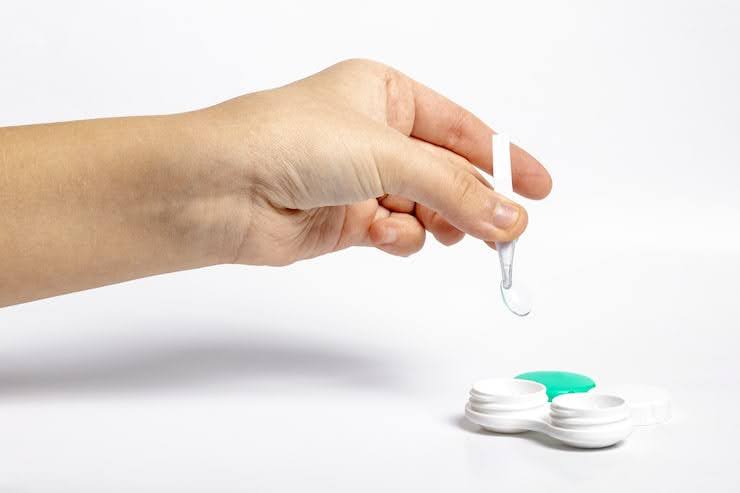
Clinic-approved brands balance pH and tonicity for comfort. If burning or blur occurs after insertion, check the saline first. Switching to verified unit dose scleral saline often restores clarity quickly. Avoid bottle tips touching lids, skin, or cases to protect the ocular surface and maintain comfort and sharp vision.
Reading Labels and Avoiding Contamination
Always check labels for “preservative-free,” “single-use,” and “for ophthalmic use.” Avoid buffered multipurpose solutions and bottles with reusable tips, as these increase the risk of scleral fill contamination. Selecting unit-dose vials from your clinic’s approved list ensures the chemistry and sterility are suitable for safe lens wear.
Open each vial with clean, dry hands, and avoid touching the rim to lashes, eyelids, fingers, or the lens bowl. Always use a fresh vial for each fill, and discard any leftovers—saving half-used vials can introduce bacteria and compromise comfort and clarity. If a vial appears cloudy, leaks, or opens unusually, discard it and start with a new one. Following these practices helps maintain optimal lens performance and protects the ocular surface.
Store vials upright in a clean caddy, and pack extra vials when traveling to avoid using substitutes. Keep vials away from heat and direct sunlight. If redness, haze, or irritation occurs after using a new box, stop immediately, switch to a known brand, and bring the package to your next visit for lot review. These habits support safe, clear, and comfortable scleral lens wear for everyday activities.
Resolving Common Saline-Related Comfort Problems

Burning at insertion usually indicates the wrong saline type or a handling error. Re-clean the lens surface, open a fresh preservative-free vial, refill, and reinsert. If stinging persists, bring the vial brand and lot to the clinic for review. Midday scleral fogging often results from residue from moisturizers, makeup, or soaps. Switching to non-moisturizing soap and rinsing thoroughly can reduce buildup and improve clarity.
If bubbles keep appearing, adjust your fill technique: slow the fill, slightly overfill, and lean straight in so liquid spills over as the lens seats.
Bubbles are usually technique issues, not brand failures. Track which brands and lots feel best, along with conditions like allergies, dust, or long screen time. Share this log during follow-ups so lens, saline, and handling adjustments are precise, data-driven, and quick, ensuring comfortable, clear scleral lens wear throughout the day.
Persistent redness, prolonged burning, or shortened wear time warrants a same-week call to the clinic. Bring your scleral lenses, case, and the exact saline you are using so we can test all variables in-office. Often, a simple brand swap or minor fit adjustment resolves the issue. Keeping a two-line log—tracking comfort and clarity at one and six hours—helps distinguish saline problems from fit issues or deposit buildup, allowing more precise adjustments during follow-ups.
For dusty workdays or yard activities, pair scleral lenses with wrap-around safety eyewear and plan a single midday refresh using fresh unit-dose saline vials. Sticking to consistent brands and maintaining clean handling techniques stabilizes optics during long shifts and supports safe, clear vision until bedtime. Following these practices ensures that your scleral lens wear remains comfortable, reduces the risk of irritation, and keeps your eyes healthy while optimizing clarity for work, reading, and outdoor activities.
Storage, Travel, and Workday Refills
Heat and UV can degrade scleral saline packaging, so store vials in a cool pouch and never leave them in a hot car. For flights, carry vials in your bag to prevent crushing or leaks and maintain chemical stability. These simple saline travel tips help avoid last-minute substitutions and ensure your lenses stay clear and comfortable.
At work or school, keep a compact kit with vials, plungers, a mirror, tissues, and a spare case. If comfort dips, refresh once using a new vial. Repeated refreshes may indicate a surface, fit, or environmental issue—schedule a check so the clinic can assess your scleral lenses and restore full-day comfort. Consistent storage, careful handling, and having the right supplies on hand support safe, clear, and comfortable scleral lens wear throughout daily activities.
Everyday Sterile Scleral Lens Routine
Morning: Wash and dry your hands thoroughly before handling scleral lenses. Clean the lens surface, then fill the bowl with a fresh single-use vial of preservative-free saline before application. Proper morning routine ensures comfort and clear optics throughout the day.
Daytime: Never touch the vial tip to skin, lashes, or surfaces. If it happens, discard the vial immediately and open a new one. Following this step prevents scleral fill contamination and maintains stable clarity during work, school, or outdoor activities.
Morning: Wash and dry your hands thoroughly before handling scleral lenses. Clean the lens surface, then fill the bowl with a fresh single-use vial of preservative-free saline before application. Proper morning routine ensures comfort and clear optics throughout the day.
Daytime: Never touch the vial tip to skin, lashes, or surfaces. If it happens, discard the vial immediately and open a new one. Following this step prevents scleral fill contamination and maintains stable clarity during work, school, or outdoor activities.

Evening: Disinfect lenses per brand instructions, empty the case, and air-dry face-down. Restock single-use saline vials for the next day to avoid unapproved substitutes. Consistent daily habits protect the ocular surface, support safe handling, and ensure comfortable, reliable scleral lens wear from morning to night.
Checklists, Reorders, and Clinic Support
Set a monthly reorder reminder to ensure you never switch to non-approved scleral saline. Photograph your preferred vials and solutions and bring these images to your visits to confirm brand fidelity. Upload your comfort and clarity log before Comprehensive Eye Exams so trends are clearly visible, making it easier for your eye care team to identify patterns and adjust your lenses accurately. Consistent tracking ensures your lenses continue to deliver reliable comfort and sharp optics throughout the day.
If irritation, redness, or discomfort persists, we may adjust edge lift, recommend surface treatments, or incorporate dry-eye therapy. Document each modification with a target review date to confirm success. Consistency across products, hygiene, and schedule supports stable optics and predictable, all-day lens comfort. Detailed logging also helps your clinic quickly identify whether symptoms stem from fit, material, or environment, allowing for precise adjustments that protect ocular health.
Traveling soon? Request a printed list of approved brands and plan a local pharmacy backup to avoid last-minute substitutions. Prioritize sterility over convenience—fresh unit-dose vials prevent contamination and reduce the risk of disrupted lens wear. Packing extra vials and following safe handling practices ensures clear, comfortable vision wherever you go.
We’re here to help. For replacements, technique refreshers, or brand checks, contact Kleinwood Vision—your Houston specialty contacts destination for expert Specialty Contacts, dry-eye support, and meticulous aftercare. Following these routines protects your eyes and ensures consistent, comfortable scleral lens performance for work, reading, driving, and daily life.
Saline Questions Every Scleral Lens Patient
Can I fill with multipurpose soft-lens solution? No—preservatives can irritate the eyes and increase scleral fill contamination risk. Always use clinic-approved preservative-free vials to maintain comfort and protect ocular health.
Are buffered ophthalmic salines okay? Only if they are on your approved list. Chemistry matters for comfort and clarity, so never substitute unapproved solutions. How many vials per day? Typically one per eye per insertion, but carry extras for refreshes as needed. Do vials expire? Yes—always check dates before use, as expired saline can reduce clarity and cause irritation.

Can I fill with multipurpose soft-lens solution? No—preservatives can irritate the eyes and increase scleral fill contamination risk. Always use clinic-approved preservative-free vials to maintain comfort and protect ocular health.
Are buffered ophthalmic salines okay? Only if they are on your approved list. Chemistry matters for comfort and clarity, so never substitute unapproved solutions. How many vials per day? Typically one per eye per insertion, but carry extras for refreshes as needed. Do vials expire? Yes—always check dates before use, as expired saline can reduce clarity and cause irritation.
Why do eyes burn after makeup? Oils, residue, and leftover products can contaminate the vial rim and lens bowl. Insert lenses before applying makeup or thoroughly cleanse lids to avoid irritation. Following these routines ensures safe, reliable, and comfortable scleral lens wear, preserving clarity, comfort, and ocular health throughout the day.
Your Simple Saline Safety Plan
Always stock clinic-approved scleral saline preservative-free vials and avoid tip contact during fills. Use a fresh vial each time and log comfort and clarity at one and six hours. If redness, burning, or blur persists for three days, contact the clinic and bring all supplies for in-office review. Consistent sterile fills and calm, repeatable handling habits protect the ocular surface, reduce contamination, and maintain clear, comfortable, all-day vision.
For travel, brand verification, or troubleshooting, reach out to us. Kleinwood Vision coordinates Comprehensive Eye Exams and Specialty Contacts care to keep your routine safe and effective at home or on the road. Following these practices ensures predictable performance, preserves ocular health, and allows your scleral lenses to deliver reliable comfort, sharp clarity, and stable vision during work, reading, driving, and daily activities.
Contact Info
Hours of Operation
Mon - Fri | 9:00 AM - 5:00 PM
Sat - Sun | Closed
Holiday Hours: We are closed for the following holidays: New Years Day, Memorial Day, Independence Day, Labor Day, Thanksgiving Day, Christmas Day
The information provided on this website is for general informational purposes only and does not constitute professional medical advice, diagnosis, or treatment. Always seek the guidance of a licensed eye care professional or qualified health provider with any questions you may have regarding a medical condition or vision concern. Results from eye care services may vary by individual.
© 2026 Kleinwood Vision. All rights Reserved.