
Specialty Contacts
Scleral Lenses After LASIK Ectasia

FSDAVCFEBFEVSDDVFSD

FSDAVCFEBFEVSDDVFSD

FSDAVCFEBFEVSDDVFSD
Why Sclerals Work for Ectasia
Post-LASIK ectasia creates irregular optics and dryness that soft lenses can’t neutralize. Sclerals vault the cornea, holding a smooth saline reservoir that masks irregularity and protects sensitive tissue. Comfort comes from resting on the white of the eye, not the cornea.
Expect steadier vision for driving, screens, and night glare, with a measured adaptation as routines and fit stabilize. Because the bowl seals fluid on-eye, clearance and haptics matter. With proper corneal vault clearance and preservative-free saline, many patients report reliable scleral lens comfort and fewer fluctuations. This pathway supports post LASIK vision recovery while we coach bubble-free insertion and clean handling.
Post-LASIK ectasia creates irregular optics and dryness that soft lenses can’t neutralize. Sclerals vault the cornea, holding a smooth saline reservoir that masks irregularity and protects sensitive tissue. Comfort comes from resting on the white of the eye, not the cornea.
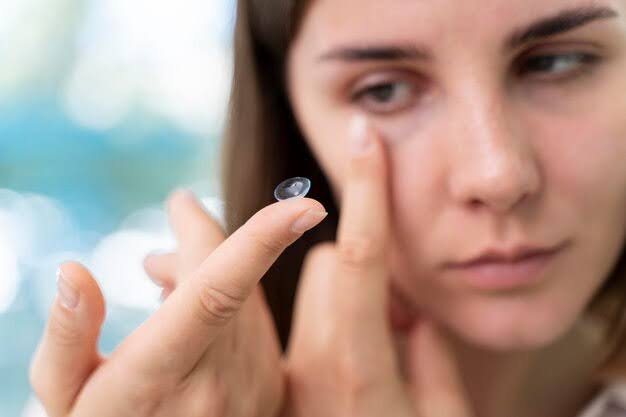
Expect steadier vision for driving, screens, and night glare, with a measured adaptation as routines and fit stabilize. Because the bowl seals fluid on-eye, clearance and haptics matter. With proper corneal vault clearance and preservative-free saline, many patients report reliable scleral lens comfort and fewer fluctuations. This pathway supports post LASIK vision recovery while we coach bubble-free insertion and clean handling.
Mapping, Trials, and Clearance Targets
Fitting starts with corneal topography and tomography to select the trial diameter, vault, and edge alignment. We assess keratometry, limbal anatomy, and conjunctival shape to predict haptic toricity. Initial trials prioritize central clearance that protects the cornea without excessive height. Photos and OCT confirm corneal vault clearance and limbal safety before you leave the chair, ensuring a foundation for clear and stable vision with scleral lenses post LASIK.
Your doctor evaluates central and limbal clearance at insertion and again after settling. We fine-tune haptics to match scleral shape and prevent edge pressure or blanching. If bubbles or midday fogging appear, we adjust surface treatments or application techniques. Toric or quadrant-specific haptics often stabilize optics on asymmetric scleras. Power is refined with over-refraction once rotation and movement are stable, creating a truly customized fit for post LASIK ectasia patients.
Early visits confirm stable vision across full days, comfort on dry or windy days, and handling confidence. Small parameter shifts—vault, diameter, toric haptics, or coatings—often turn “good” into “great.” We verify safe solution chemistry and teach preservative-free fills, case hygiene, and refresh timing. This deliberate cadence builds predictable clarity and long-day comfort for scleral lenses post LASIK.
Comfort, Vision, and Care Routines
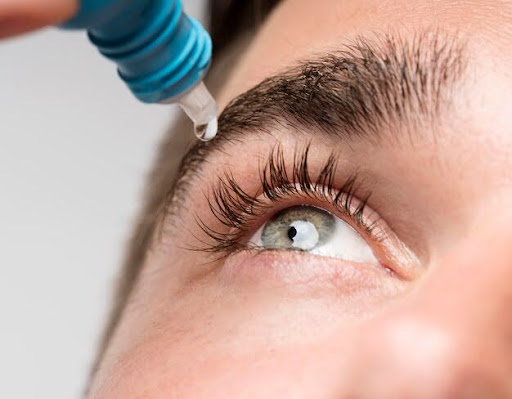
Clear, stable vision depends on bubble-free insertion and truly clean surfaces. Use unit-dose preservative-free saline to fill, approved cleaners for disinfection, and a tidy case routine that dries face-down. If late-day haze appears, perform a controlled refresh with new saline and note the time interval. Replace cases often and avoid tap water to prevent deposits and biofilm. Consistent steps reduce ectasia contact lenses complications and help maintain long-term ocular health.
Keep a simple daily log: hours worn, comfort 0–10, clarity morning/noon/evening, and any glare or dryness triggers.Bring the log to each scleral fit follow up so your clinician can separate fit variables from technique or environment.
Data-driven tweaks speed progress and protect scleral lens comfort, especially during allergy seasons, travel, and screen-heavy weeks. Always share brand and lot numbers for saline and cleaners to ensure consistency.
Call the clinic for persistent redness, pain, light sensitivity, discharge, or shrinking wear time. Bring lenses, case, solutions, and your log; minor edge-lift or vault tweaks commonly resolve symptoms. If your workplace is dusty or chemical-rich, pair lenses with wraparound safety eyewear and consider a midday refresh with fresh vials to maintain optics. Never ignore new blur after impacts—book an exam immediately. Prompt reviews prevent setbacks during post LASIK vision recovery and help sustain long-term scleral lens comfort.
Traveling? Pack unit-dose saline, spare plungers, backup glasses, and clinic numbers. Keep solutions upright, away from heat, and in carry-on bags to prevent leaks. Avoid water exposure, hot tubs, and steam rooms to protect lens surfaces. If you must skip wear for safety, do so—clarity returns quickly once routines resume. For urgent questions or supply issues, contact us at Kleinwood Vision, your Houston specialty contacts partner for post LASIK care.
Alternatives and When to Pivot
Hybrids may suit milder irregularity with lighter handling and quicker insertion, while corneal GP lenses offer superb optics but more lid awareness and less dryness protection. If dryness is significant or irregularity greater, sclerals remain the first choice because the fluid reservoir masks distortion and shields the cornea. Your goals and manual dexterity guide selection, ensuring comfort and clarity throughout post LASIK vision recovery.
When goals change—night driving demands, longer days, or sports—your doctor may adjust diameter, vault, or haptic toricity, add surface coatings, or recommend pivoting designs. Short, structured trials reveal which option delivers dependable clarity with the least effort. Whatever you wear, schedule timely reviews to keep post LASIK vision recovery on track. Choices remain flexible within Specialty Contacts care, allowing ongoing optimization for clear, stable, and comfortable vision.
Daily Steps That Lock in Success
Morning: Wash and dry hands, overfill the bowl with preservative-free saline, and insert while leaning forward to avoid bubbles. Confirm comfort and vision in five minutes, then note clarity in your log. If bubbles appear, reinsert rather than tolerating blur to maintain post LASIK vision recovery quality.
Midday: If fogging develops, perform a controlled refresh using new vials and clean plungers. Record timing, tasks, and environment—air vents, screens, dust—so patterns emerge. Avoid rubbing eyes and use sunglasses outdoors to reduce dryness and particulate exposure that can affect scleral lenses.
Morning: Wash and dry hands, overfill the bowl with preservative-free saline, and insert while leaning forward to avoid bubbles. Confirm comfort and vision in five minutes, then note clarity in your log. If bubbles appear, reinsert rather than tolerating blur to maintain post LASIK vision recovery quality.
Midday: If fogging develops, perform a controlled refresh using new vials and clean plungers. Record timing, tasks, and environment—air vents, screens, dust—so patterns emerge. Avoid rubbing eyes and use sunglasses outdoors to reduce dryness and particulate exposure that can affect scleral lenses.
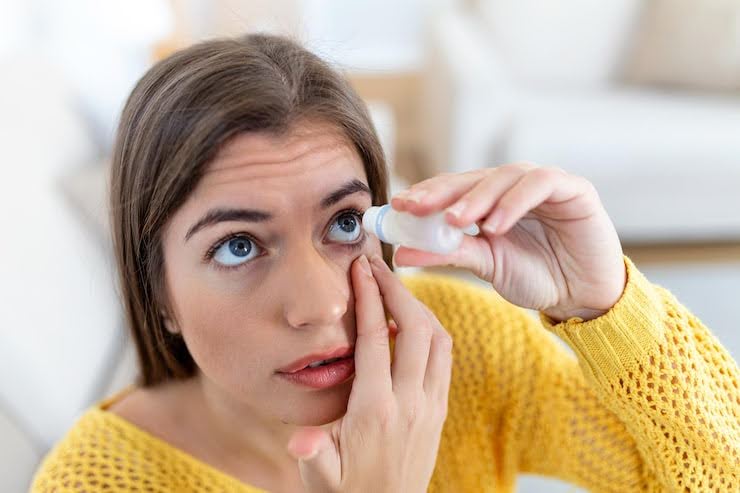
Evening: Remove gently, clean lenses per brand with approved solutions, and disinfect fully. Empty the case, rinse with fresh solution, and air-dry face-down. Restock tomorrow’s vials. Never use tap water at any step; water risks infection and compromises lens surfaces.
Follow-Ups, Milestones, and Long-Term Care
Expect check-ins at 1–2 weeks to verify initial corneal vault clearance, limbal safety, and haptic alignment. During this visit, we also review insertion technique, saline choice, and case hygiene to ensure safe daily routines. Small adjustments at this stage prevent chronic fogging, redness, or edge awareness. If OCT imaging shows compression or bubbles after settling, parameters are modified the same day for optimal protection. Comfort goals and realistic wearing time are set together to guide post LASIK vision recovery and support long-term success.
At 1–3 months, we reassess real-world performance across full workdays, outdoor conditions, and evening driving. Milestones include consistent all-day wear, low refresh frequency, and comfortable dusk and night vision. If corneal maps or comfort patterns shift, we adjust vault, diameter, haptic toricity, or surface coatings, then schedule a 6–8-week checkpoint to verify improvement and maintain scleral lens stability.
Long-term, routine intervals keep optics and ocular safety steady. Annual topography and tomography track ectasia stability, confirming that the fluid reservoir clears the cornea without excessive lift. When life changes—new work environments, travel demands, or allergy seasons—we update care plans, solutions, and schedules accordingly. Continued education ensures scleral lens comfort and performance remain dependable year-round.
Travel tips are reinforced at every stage: carry unit-dose saline, spare plungers, and backup glasses; store solutions away from heat; and avoid water, pools, or steam. Keep clinic contact information handy for emergencies or supply questions. With consistent habits and timely reviews, most patients achieve clear, stable, and confident vision after LASIK ectasia..
Patient FAQs: Fit & Recovery
How long to adapt? Most patients feel natural within days to weeks as handling steadies. Are sclerals heavy? No—the lens rests on the white of the eye; once filled and seated, awareness is usually minimal. Practice reduces insertion time, and bubble-free routines speed comfort during post LASIK vision recovery.
Can I wear all day? Often 10–14 hours with proper hygiene and approved solutions. Night glare? Commonly improved; bring notes from dusk and highway driving so we can fine-tune optics, surface, or coatings at follow-ups. Adjustments are data-driven, and checkpoints verify progress to maintain clarity and comfort.
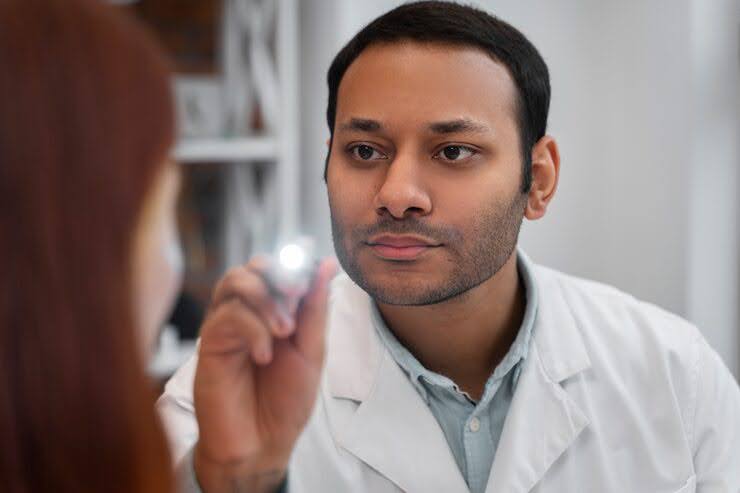
How long to adapt? Most patients feel natural within days to weeks as handling steadies. Are sclerals heavy? No—the lens rests on the white of the eye; once filled and seated, awareness is usually minimal. Practice reduces insertion time, and bubble-free routines speed comfort during post LASIK vision recovery.
Can I wear all day? Often 10–14 hours with proper hygiene and approved solutions. Night glare? Commonly improved; bring notes from dusk and highway driving so we can fine-tune optics, surface, or coatings at follow-ups. Adjustments are data-driven, and checkpoints verify progress to maintain clarity and comfort.
How often to replace lenses? Timing varies with wear and surface health; annual assessment guides decisions. What if fogging or redness persists? Refresh once, then book a same-week review. Bring supplies so we can troubleshoot quickly. Early care protects post LASIK vision recovery.
Post-LASIK Vision Recovery Roadmap Guide
Master bubble-free insertion, log wear and comfort, and keep approved saline on hand. If symptoms repeat for three days, message the clinic and bring lenses, cases, and solutions for troubleshooting. Keep emergency contacts handy and note any task-specific glare for your next visit. Precision fit plus consistent care turns fragile, fluctuating vision into stable, comfortable days—and confidence behind the wheel.
Coordinated Comprehensive Eye Exams and Specialty Contacts care keep recovery on track. For personalized fittings or questions about ectasia contact lenses, contact us at Kleinwood Vision. Following these steps ensures proper lens handling, timely reporting of issues, and targeted adjustments to maintain eye health. Logging your experiences helps clinicians optimize fit and comfort. Consistent attention to detail, combined with professional guidance, transforms delicate vision challenges into manageable, reliable outcomes, providing safety, clarity, and confidence in daily life.
Contact Info
Hours of Operation
Mon - Fri | 9:00 AM - 5:00 PM
Sat - Sun | Closed
Holiday Hours: We are closed for the following holidays: New Years Day, Memorial Day, Independence Day, Labor Day, Thanksgiving Day, Christmas Day
The information provided on this website is for general informational purposes only and does not constitute professional medical advice, diagnosis, or treatment. Always seek the guidance of a licensed eye care professional or qualified health provider with any questions you may have regarding a medical condition or vision concern. Results from eye care services may vary by individual.
© 2026 Kleinwood Vision. All rights Reserved.