
Specialty Contact Lenses
Scleral Lenses for Irregular Corneas

FSDAVCFEBFEVSDDVFSD

FSDAVCFEBFEVSDDVFSD

FSDAVCFEBFEVSDDVFSD
Why Irregular Corneas Blur Vision
An irregular cornea bends light unevenly, which can make vision appear distorted, shadowed, or unstable even when the prescription seems correct. Patients often describe ghosting, halos, or the feeling that vision is never truly sharp with glasses alone. This is common in conditions affecting corneal shape and is a key reason irregular cornea contact lenses are often needed.
Standard lenses may not fully solve the issue. Soft lenses tend to drape over the uneven surface, allowing distortion to remain. A specialty contact lens exam Houston patients rely on helps determine whether the blur is due to corneal shape rather than simple prescription error.
An irregular cornea bends light unevenly, which can make vision appear distorted, shadowed, or unstable even when the prescription seems correct. Patients often describe ghosting, halos, or the feeling that vision is never truly sharp with glasses alone. This is common in conditions affecting corneal shape and is a key reason irregular cornea contact lenses are often needed.
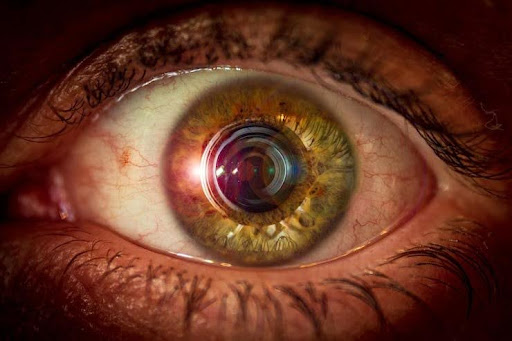
Standard lenses may not fully solve the issue. Soft lenses tend to drape over the uneven surface, allowing distortion to remain. A specialty contact lens exam Houston patients rely on helps determine whether the blur is due to corneal shape rather than simple prescription error.
Why Bigger Lenses Can Work Better
Scleral lenses for irregular corneas are designed differently from standard contacts. These larger lenses rest on the sclera instead of the cornea, creating a smooth optical surface over the irregular eye. A fluid layer sits between the lens and the cornea, helping correct distortion more effectively than glasses or soft lenses while also protecting the eye surface.
This design improves scleral lenses vision stability. Because the lens does not shift over the uneven cornea, patients often notice clearer, more consistent vision throughout the day. Objects appear less distorted, edges are sharper, and visual clarity remains steady during activities like reading, driving, and screen use. This stability is especially helpful for irregular corneas that change shape or cause fluctuating vision with standard lenses.
The larger design can also improve comfort. Although scleral lenses may seem intimidating at first, many patients find them easier to tolerate because they avoid direct pressure on sensitive corneal areas. A proper scleral lens fitting ensures the lens matches the eye’s structure, supports oxygen flow, and provides a stable, customized fit. With professional care, scleral lenses can greatly enhance both vision quality and daily comfort for patients with irregular corneas.
Who Often Benefits the Most

Scleral lenses are commonly recommended for patients with corneal irregularities that prevent standard correction from working well. This includes individuals who experience unstable or distorted vision with glasses or soft lenses and need a more advanced optical solution for clearer, more consistent sight throughout the day.
They are especially useful when other options have failed to provide clarity or comfort. A specialty contact lens exam Houston visit helps determine whether these bigger contact lenses for sharper vision are the right choice based on individual eye shape, corneal health, and visual needs.
During this evaluation, detailed measurements of the cornea and tear film ensure a precise fit. With proper fitting, scleral lenses can enhance visual stability, reduce distortion, and improve daily comfort. Many patients also notice better tolerance for longer wear times and improved quality of vision in both near and distance tasks.
Patients are often surprised that a larger lens can feel more comfortable once they understand how it functions. Instead of pressing directly on the irregular cornea, scleral lenses for irregular corneas create a smooth, fluid-filled reservoir that protects the eye surface and supports both clarity and comfort. This design reduces friction, minimizes irritation, and provides a more stable wearing experience throughout the day, even for sensitive eyes.
Although the process involves more detailed fitting and training, the results often justify the effort. Many patients who struggled with standard lenses find that scleral lenses provide a level of vision they had not experienced before. With improved scleral lenses vision stability, objects appear sharper, more consistent, and less distorted, making reading, driving, and screen use easier. Over time, patients often report better comfort, longer wear time, and improved confidence in their daily activities. This combination of clarity and comfort makes scleral lenses a valuable option for those with irregular corneas or complex vision needs.
How They Differ from Standard Contacts
Standard soft lenses primarily correct prescription power while adapting closely to the eye’s natural shape. This works well for regular corneas but may not fully correct distortion caused by irregular or damaged corneal surfaces. As a result, some patients continue to experience blurred or fluctuating vision even with an accurate prescription and properly fitted lenses.
Scleral lenses take a different approach by vaulting over the cornea and creating a new, smooth optical surface. This difference allows them to provide clearer, more stable vision in cases where traditional lenses fall short. By maintaining a fluid reservoir between the lens and the eye, scleral lenses also improve comfort, reduce irritation, and protect sensitive corneal tissue. This makes them especially effective for patients with irregular corneas or complex vision needs that cannot be fully corrected with standard soft contact lenses.
Why Fitting Matters So Much
Scleral lens fitting is essential for achieving the best results. The lens must be carefully designed to match the shape of the eye and maintain proper clearance over the cornea, ensuring both comfort and optimal vision correction.
A poorly fitted lens may not provide the same level of clarity or comfort. That is why multiple measurements, trial lenses, and follow-up visits are often part of the process. These steps help fine-tune the fit so the lens sits correctly and functions as intended without causing irritation or instability during wear.
Scleral lens fitting is essential for achieving the best results. The lens must be carefully designed to match the shape of the eye and maintain proper clearance over the cornea, ensuring both comfort and optimal vision correction.
A poorly fitted lens may not provide the same level of clarity or comfort. That is why multiple measurements, trial lenses, and follow-up visits are often part of the process. These steps help fine-tune the fit so the lens sits correctly and functions as intended without causing irritation or instability during wear.

This attention to detail ensures the lens supports both vision and eye health. A well-fitted scleral lens can significantly improve daily visual function, offering sharper, more stable vision and greater comfort throughout long hours of use.
Why Larger Lenses Improve Vision Stability
The larger size of scleral lenses plays a direct role in improving vision stability. By covering a wider area and resting on the sclera, the lens remains more stable during blinking and eye movement. This reduces fluctuations that are common with smaller lenses and helps maintain consistent visual clarity throughout the day, even during activities like reading, driving, or prolonged screen use.
The fluid reservoir beneath the lens also helps create a smoother refractive surface. This is especially important for irregular cornea contact lenses, where the goal is to neutralize uneven optical patterns and deliver clearer, sharper images. The liquid layer fills in surface irregularities of the cornea, allowing light to focus more predictably on the retina and reducing visual distortion.
In addition, the design helps maintain consistent hydration across the eye surface. This can reduce dryness-related blur, improve comfort, and support longer wear time throughout the day. Patients often notice less irritation, fewer fluctuations in vision, and better overall tolerance, even in environments with low humidity or heavy air conditioning.
Overall, bigger contact lenses for sharper vision work by addressing both optical and comfort challenges at the same time. They stabilize the optical surface, protect the cornea, and maintain moisture balance, which leads to more predictable and reliable vision. This combination often results in improved daily performance, making tasks like reading, driving, and digital device use easier and more comfortable for individuals with irregular corneas or complex vision needs.
Questions to Ask About Scleral Lenses
Ask whether your corneal shape makes you a strong candidate for scleral lenses rather than standard options. This helps ensure the recommendation is based on your specific visual needs and confirms whether scleral lenses for irregular corneas are appropriate for achieving clearer, more stable vision and improved daily function.
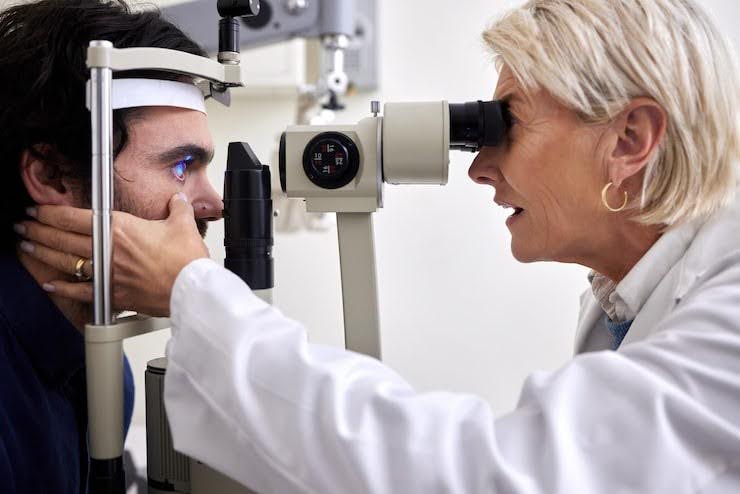
Ask whether your corneal shape makes you a strong candidate for scleral lenses rather than standard options. This helps ensure the recommendation is based on your specific visual needs and confirms whether scleral lenses for irregular corneas are appropriate for achieving clearer, more stable vision and improved daily function.
It is also helpful to ask what level of improvement you can realistically expect. Understanding whether the goal is sharper vision, better scleral lenses vision stability, or improved comfort helps set clear expectations and ensures you know what results are achievable before starting treatment.
It is also helpful to ask what level of improvement you can realistically expect. Understanding whether the goal is sharper vision, better scleral lenses vision stability, or improved comfort helps set clear expectations and ensures you know what results are achievable before starting treatment.
Finally, ask about the fitting process and follow-up care. Knowing what to expect makes the transition to scleral lenses more manageable and less overwhelming. It also helps you prepare for multiple visits, necessary adjustments, and ongoing monitoring that support a proper fit, long-term comfort, and consistent visual performance throughout daily wear.
Your Next Steps Before Your Visit
Before your appointment, bring your glasses, current lenses, and any past records related to corneal conditions or prior fittings. Be ready to describe your daily vision experience, including distortion, blur, or instability, as these details help your specialist understand your visual challenges and guide a more precise evaluation.
If irregular cornea contact lenses are needed, Kleinwood Vision can perform a detailed contact lens exam and guide you through scleral lens fitting. A personalized approach can help you achieve clearer, more stable vision tailored to your eye shape and condition. If you are ready to explore better options, Contact us to schedule your evaluation and take the next step toward improved visual comfort, sharper clarity, and long-term eye health. Professional care ensures the right lens choice, proper fit, and consistent visual performance for your daily needs.
Contact Info
Hours of Operation
Mon - Fri | 9:00 AM - 5:00 PM
Sat - Sun | Closed
Holiday Hours: We are closed for the following holidays: New Years Day, Memorial Day, Independence Day, Labor Day, Thanksgiving Day, Christmas Day
The information provided on this website is for general informational purposes only and does not constitute professional medical advice, diagnosis, or treatment. Always seek the guidance of a licensed eye care professional or qualified health provider with any questions you may have regarding a medical condition or vision concern. Results from eye care services may vary by individual.
© 2026 Kleinwood Vision. All rights Reserved.