
Specialty Contacts
Scleral Lenses During Allergy Season

FSDAVCFEBFEVSDDVFSD

FSDAVCFEBFEVSDDVFSD
FSDAVCFEBFEVSDDVFSD
Why Allergies Affect Scleral Comfort
Seasonal allergies increase inflammation along the eyelids and ocular surface, disrupting tear film stability under scleral lenses. During high-allergen months, histamine release causes redness, itching, and swelling that can alter how tears circulate beneath the lens. This inflammatory response makes scleral lenses allergies more noticeable, even for long-term wearers who are otherwise comfortable throughout the year.
Because scleral lenses vault the cornea, inflammatory debris, pollen particles, and tear film proteins can become trapped beneath the lens during allergy flares. This trapped material contributes to itchiness and midday fogging. Understanding these scleral fogging causes helps patients manage symptoms proactively rather than discontinuing specialty contact lens wear unnecessarily.
Seasonal allergies increase inflammation along the eyelids and ocular surface, disrupting tear film stability under scleral lenses. During high-allergen months, histamine release causes redness, itching, and swelling that can alter how tears circulate beneath the lens. This inflammatory response makes scleral lenses allergies more noticeable, even for long-term wearers who are otherwise comfortable throughout the year.
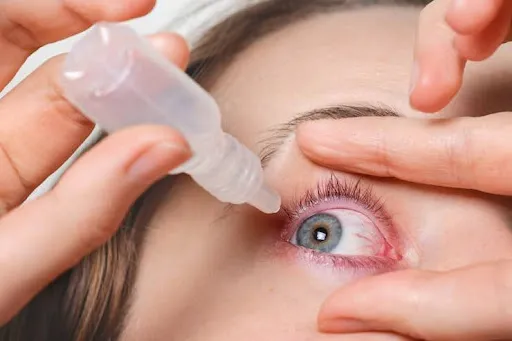
Because scleral lenses vault the cornea, inflammatory debris, pollen particles, and tear film proteins can become trapped beneath the lens during allergy flares. This trapped material contributes to itchiness and midday fogging. Understanding these scleral fogging causes helps patients manage symptoms proactively rather than discontinuing specialty contact lens wear unnecessarily.
Common Allergy-Related Contact Lens Challenges
During peak pollen seasons, patients often notice increased fogging, stronger urges to rub their eyes, or reduced wearing time. These itchy eyes scleral lenses symptoms reflect surface inflammation rather than lens failure. Allergy season contact lenses require additional attention because ocular tissues become more reactive and sensitive, even when lens fit, material, and care routines remain unchanged throughout the year.
Many patients also take oral antihistamines to control seasonal allergies, but these medications can significantly reduce tear production. Lower tear volume increases dryness, compounding discomfort and accelerating debris buildup beneath scleral lenses. This buildup worsens fogging, affects clarity, and shortens comfortable wearing time for many patients.
Environmental exposure also plays a major role during allergy season. Windy conditions, outdoor sports, and open windows introduce allergens that cling to eyelashes and eyelids, intensifying inflammation. Recognizing these patterns allows clinicians to distinguish allergy-related effects from fit, saline, or material concerns during specialty contacts Houston evaluations, helping guide appropriate adjustments and patient education strategies. This approach improves comfort, supports longer wear time, and reduces unnecessary lens changes during peak allergy months for sensitive scleral lens patients experiencing seasonal ocular irritation and inflammation symptoms.
Prevent Itching Without Rubbing Your Eyes
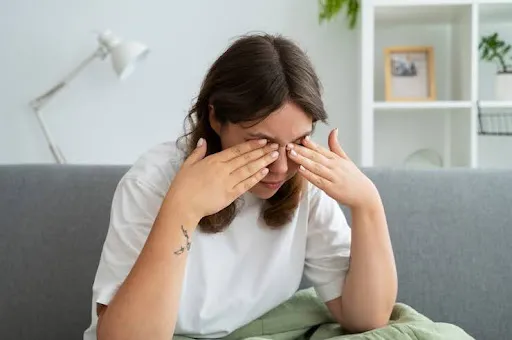
Eye rubbing significantly increases inflammation and pushes allergens beneath the scleral lens. During allergy season, avoiding rubbing is critical for maintaining comfort and reducing fogging. Using preservative-free allergy drops before lens insertion helps calm the ocular surface and reduce histamine-driven irritation, keeping itchy eyes scleral lenses symptoms under control. These drops provide relief without affecting lens fit or clarity, allowing patients to maintain consistent wear throughout the day.
In addition, cool compresses and consistent lid hygiene routines help reduce allergen buildup around the eyes
Regular cleansing of eyelids and lashes removes pollen and other irritants that can worsen inflammation. Together, these strategies allow patients to control allergy symptoms while wearing allergy season contact lenses, preserving comfort, visual clarity, and lens performance. Following these steps helps minimize discomfort and fogging, ensuring a safer, more comfortable scleral lens experience even during peak allergy months.
Proper timing of allergy drops is essential for maintaining comfort and clarity when wearing allergy season contact lenses. Drops should be applied either before lens insertion or after lens removal, unless specifically approved for use over scleral lenses. Applying drops incorrectly can trap the solution beneath the lens, worsening fogging and potentially increasing surface irritation. Following proper timing guidance ensures that the ocular surface remains calm and hydrated, reducing itchy eyes scleral lenses symptoms and supporting a more comfortable lens-wearing experience.
By adhering to recommended drop schedules, patients can maintain clearer vision and prevent additional inflammation during peak pollen months. This proactive approach helps minimize discomfort, maintain lens performance, and reduce the risk of debris buildup beneath the lens. When combined with good lens hygiene and allergy management strategies, proper drop timing supports safe, comfortable wear throughout allergy season. Patients benefit from sustained clarity and reduced irritation, allowing them to enjoy daily activities without compromising the fit or function of their scleral lenses.
Managing Fogging During Pollen Peaks
Fogging often increases during high-pollen days as inflammatory debris enters the tear reservoir, affecting vision and comfort. Switching to preservative-free saline or refreshing lens fills can help reduce debris accumulation beneath the lens surface. These simple adjustments allow patients to maintain clear vision while managing allergy season contact lenses and controlling itchy eyes scleral lenses symptoms. Maintaining proper lens hygiene and using clean saline ensures the ocular surface stays calm and minimizes fogging throughout the day.
In more severe cases, doctors may recommend short midday lens breaks to rinse debris and restore clarity. These temporary adjustments address the underlying causes of scleral fogging without disrupting long-term lens wear or overall treatment success. By following these strategies, patients can continue to enjoy comfortable, clear vision even during peak allergy months, supporting consistent lens use and overall ocular health during allergy season.
Daily Habits That Reduce Exposure
Daily routines play a major role in controlling allergy-related discomfort, especially for patients wearing allergy season contact lenses. Washing eyelashes and eyelids each evening removes pollen and environmental allergens before they can accumulate overnight, helping reduce itchy eyes, scleral lenses symptoms and surface inflammation.
Changing clothes after outdoor activity and keeping windows closed during peak pollen hours further limit allergen transfer into the home. These small adjustments help maintain a cleaner ocular environment, supporting stable scleral lens wear and minimizing fogging or irritation throughout the day.
Daily routines play a major role in controlling allergy-related discomfort, especially for patients wearing allergy season contact lenses. Washing eyelashes and eyelids each evening removes pollen and environmental allergens before they can accumulate overnight, helping reduce itchy eyes, scleral lenses symptoms and surface inflammation.
Changing clothes after outdoor activity and keeping windows closed during peak pollen hours further limit allergen transfer into the home. These small adjustments help maintain a cleaner ocular environment, supporting stable scleral lens wear and minimizing fogging or irritation throughout the day.
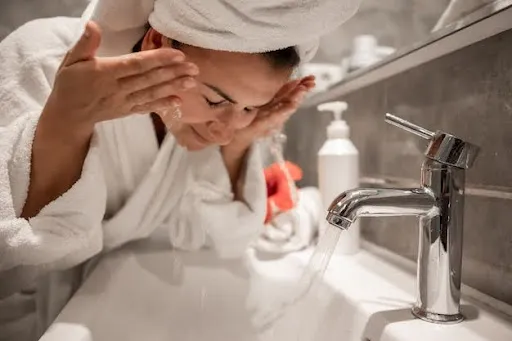
Simple preventive steps, when followed consistently, lower overall irritation levels and improve comfort during high-allergen months. Incorporating these routines allows patients to enjoy clearer vision, maintain lens performance, and reduce allergy-related complications while wearing allergy season contact lenses.
When to Adjust Lens Wear
Persistent redness, discharge, or shortened wearing time may indicate the need for temporary adjustments when wearing allergy season contact lenses. These symptoms often arise during seasonal allergy flares, as ocular tissues become more reactive to environmental allergens. Patients experiencing itchy eyes scleral lenses symptoms may notice increased discomfort, fogging, or difficulty maintaining regular wear schedules. Addressing these early signs is essential to prevent further irritation and ensure safe, comfortable lens use.
During allergy flares, clinicians may recommend modifying lens wear schedules, such as reducing daily wear time or incorporating short breaks, to allow the ocular surface to recover. Adjunct therapies, including preservative-free allergy drops, cool compresses, and enhanced lid hygiene, can also help calm inflammation and maintain clarity beneath the lens. These interventions work alongside proper lens care routines to minimize debris buildup and maintain consistent vision.
Doctors may also refine lens fit or adjust care routines, ensuring lenses remain comfortable and functional throughout the season. In some cases, brief pauses in lens wear during peak pollen days are necessary to protect the eyes. These measures are preventive rather than corrective, focusing on long-term ocular health and supporting continued success with specialty contact lens use. Seasonal adjustments are common, reversible, and an essential component of responsible scleral lens management.
Ongoing monitoring through comprehensive eye exams allows clinicians to track ocular health, detect early signs of irritation, and modify care plans as needed. Regular evaluations help maintain comfort, prevent complications, and optimize lens performance. By combining proactive management, proper lens care, and seasonal adjustments, patients can enjoy clear vision and reduced allergy-related discomfort throughout the high-allergen months.
Allergy Season Questions Every Patient Has
Patients often ask whether scleral lenses should be avoided during allergy season. In most cases, proper adjustments allow continued, comfortable wear without compromising eye health. Early guidance helps prevent unnecessary discontinuation and supports consistent vision correction even during peak pollen months.
Clear instructions from eye care professionals help patients manage scleral lenses allergies effectively. Understanding how to reduce itchy eyes scleral lenses symptoms, control fogging, and maintain lens hygiene empowers patients to wear lenses confidently.

Patients often ask whether scleral lenses should be avoided during allergy season. In most cases, proper adjustments allow continued, comfortable wear without compromising eye health. Early guidance helps prevent unnecessary discontinuation and supports consistent vision correction even during peak pollen months.
Clear instructions from eye care professionals help patients manage scleral lenses allergies effectively. Understanding how to reduce itchy eyes scleral lenses symptoms, control fogging, and maintain lens hygiene empowers patients to wear lenses confidently.
Using allergy drops at the right time, following lid hygiene routines, and limiting allergen exposure are key strategies to maintain comfort and clarity.
Individualized care plans ensure seasonal challenges are addressed safely. Clinicians can recommend temporary wear adjustments, adjunct therapies, or lens care modifications tailored to each patient. These personalized strategies support long-term success, allowing safe, clear, and comfortable allergy season contact lenses use while protecting ocular health throughout the year.
Staying Comfortable Throughout Allergy Season Safely
Preparing early, managing inflammation, and promptly communicating any changes help prevent discomfort before symptoms escalate. These proactive steps are crucial for maintaining comfort and clarity while wearing allergy season contact lenses. Addressing itchy eyes scleral lenses symptoms early can reduce fogging, irritation, and shortened wearing time, ensuring lenses remain effective and safe even during peak pollen months.
Consistent routines, such as proper lens hygiene, preservative-free allergy drops, and environmental precautions, support long-term ocular health and comfort. Professional guidance allows for timely adjustments to lens fit, wear schedules, or adjunct therapies as needed. With these strategies, scleral lenses continue to provide reliable vision correction throughout the year. For personalized allergy-season support, contact us at Kleinwood Vision to protect comfort, clarity, and lens performance. Following this proactive approach ensures patients enjoy consistent, comfortable wear while effectively managing seasonal allergies.
Contact Info
Hours of Operation
Mon - Fri | 9:00 AM - 5:00 PM
Sat - Sun | Closed
Holiday Hours: We are closed for the following holidays: New Years Day, Memorial Day, Independence Day, Labor Day, Thanksgiving Day, Christmas Day
The information provided on this website is for general informational purposes only and does not constitute professional medical advice, diagnosis, or treatment. Always seek the guidance of a licensed eye care professional or qualified health provider with any questions you may have regarding a medical condition or vision concern. Results from eye care services may vary by individual.
© 2026 Kleinwood Vision. All rights Reserved.