
Specialty Contact Lenses
Scleral Lenses After Corneal Transplant

FSDAVCFEBFEVSDDVFSD

FSDAVCFEBFEVSDDVFSD

FSDAVCFEBFEVSDDVFSD
Why Transplant Surgery May Not Be the Final Step
A corneal transplant can improve corneal health and structure, but vision may still remain irregular after healing. Many patients continue to have astigmatism, surface unevenness, or distortion, even with a healthy graft. Glasses may not fully correct this, which is why post corneal transplant vision correction often requires more than standard eyewear.
Scleral lenses after corneal transplant are often the next step, creating a smooth optical surface for clearer sight. A specialty contact lens exam Houston patients trust helps assess graft stability, confirm fitting readiness, and choose the best design for long-term comfort and vision improvement with consistent follow-up care and lasting daily visual success.
A corneal transplant can improve corneal health and structure, but vision may still remain irregular after healing. Many patients continue to have astigmatism, surface unevenness, or distortion, even with a healthy graft. Glasses may not fully correct this, which is why post corneal transplant vision correction often requires more than standard eyewear.
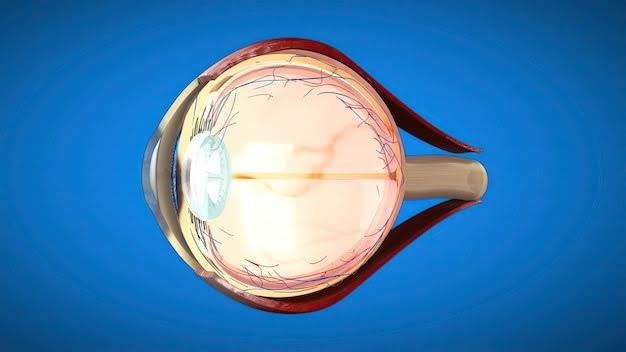
Scleral lenses after corneal transplant are often the next step, creating a smooth optical surface for clearer sight. A specialty contact lens exam Houston patients trust helps assess graft stability, confirm fitting readiness, and choose the best design for long-term comfort and vision improvement with consistent follow-up care and lasting daily visual success.
How the Fitting Process Usually Begins
Scleral lens fitting after transplant begins with a detailed evaluation of the eye. Your optometrist reviews surgical history, healing progress, prescription changes, graft clarity, and surface health. Corneal mapping and other measurements identify irregularities and guide lens design, ensuring the fitting process matches the current eye shape rather than assumptions from pre-surgery conditions.
The first trial lens is selected to vault the cornea completely while avoiding pressure on the graft. Unlike smaller lenses, scleral lenses rest on the sclera, reducing direct contact with sensitive corneal tissue. During the fitting, the doctor evaluates clearance, edge alignment, and lens stability to support both vision and eye health, not just temporary clarity.
Refinement is a normal part of this process. The initial lens may require adjustments to improve fit, comfort, or optical performance. Because post-transplant eyes are often highly irregular, achieving the right balance between comfort and clarity may take multiple visits. This careful approach ensures safe, consistent wear and better long-term results for patients using contact lenses after corneal transplant procedures, improving daily function, confidence, and lasting visual outcomes over time with fewer complications and more predictable vision quality for years ahead.
What Patients Often Notice During Early Wear
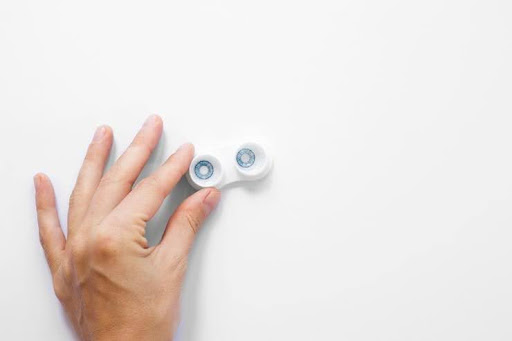
Many patients notice a significant improvement when starting scleral lenses after corneal transplant. Because the lens rests on the sclera instead of the cornea, it often feels more comfortable than expected once the routine becomes familiar. Vision usually appears sharper and more stable, especially for those who previously struggled with glasses or irregular cornea contact lenses that did not fully correct distortion.
There is still a learning curve during the first few days. Insertion and removal take practice, and patients must become comfortable filling the lens and handling it correctly.
Early follow-ups often help address common concerns like fogging, dryness, or limited wear time. With proper guidance and consistent support, most patients adapt well, build confidence, and comfortably use scleral lenses after corneal transplant as part of their daily routine for clearer vision, better comfort, and more reliable long-term visual stability.
Patients should understand that results with scleral lens fitting after transplant often improve over time rather than instantly. Some patients experience immediate clarity, while others need lens adjustments to reach the best possible vision. The eye may also need time to adapt to improved optics, longer wear periods, and the feel of the lens during daily use.
Multiple follow-up visits are common and play an important role in refining lens performance. These visits help the doctor adjust fit, comfort, and vision quality while closely monitoring graft health. A structured scleral lens fitting after transplant process protects the graft, supports safe wear, and improves long-term comfort. This careful approach is far more valuable than rushing the process, as gradual refinements often lead to clearer vision, better stability, and more predictable daily results. With patience and proper care, most patients achieve lasting success, stronger confidence, and reliable visual improvement while keeping the transplanted cornea healthy and comfortable for years ahead.
What Vision and Comfort Outcomes Are Realistic
Scleral lenses can significantly improve vision after corneal transplant, especially when irregular astigmatism makes standard correction less effective. Many patients notice clearer detail, reduced ghosting, and more stable vision throughout the day. This makes daily activities like reading, driving, and screen use easier and more comfortable compared to relying only on glasses.
Comfort is generally very good, but it depends on fit, tear film quality, and consistent wear habits. Some patients may still experience fogging or dryness when adjustments are needed. The goal is strong functional improvement, not instant perfection. With proper fitting and regular follow-up, most patients achieve reliable vision and better daily comfort using scleral lenses after corneal transplant care. Over time, this improved stability can boost confidence, reduce visual strain, and support smoother day-to-day performance in both work and personal activities while helping maintain long-term graft health and consistent optical clarity.
Why Follow-Up Is Especially Important
Post-transplant care requires more than a one-time fitting. A comprehensive eye exam helps monitor graft health, lens clearance, and overall surface condition to ensure safe lens wear over time. These checks are essential for maintaining both vision quality and eye health after fitting specialty lenses.
Real-world wear often reveals issues not seen during the initial visit. Changes in comfort, wear time, or vision stability can indicate the need for adjustments. Follow-up visits allow providers to refine lens performance and improve long-term outcomes through precise changes based on actual use.
Post-transplant care requires more than a one-time fitting. A comprehensive eye exam helps monitor graft health, lens clearance, and overall surface condition to ensure safe lens wear over time. These checks are essential for maintaining both vision quality and eye health after fitting specialty lenses.
Real-world wear often reveals issues not seen during the initial visit. Changes in comfort, wear time, or vision stability can indicate the need for adjustments. Follow-up visits allow providers to refine lens performance and improve long-term outcomes through precise changes based on actual use.
Regular monitoring also protects the graft itself. A stable, well-fitted lens supports both visual clarity and corneal health. Consistent follow-up care ensures scleral lenses continue to work effectively without causing irritation or complications over time.
Long-Term Vision Rehabilitation Explained Clearly
Many patients expect surgery to fully restore vision, but scleral lenses after corneal transplant are often a key part of the rehabilitation phase. The transplant improves corneal structure and healing, while specialty lenses create a smooth optical surface that improves how light enters the eye. Together, these two steps provide a more complete solution for vision correction and better daily visual function than surgery alone.
Understanding this distinction helps patients set realistic expectations during recovery. Specialty lenses are not a sign of failure but a continuation of care. Many patients achieve better outcomes when they combine surgical stability with customized optical correction through lenses designed for irregular corneas and post-surgical surface changes.
Over time, consistent wear and regular follow-up visits help refine results further. As the eye stabilizes, lens performance can improve and small adjustments can enhance comfort, clarity, and wear time. This gradual process supports long-term success and helps patients regain confidence in reading, driving, screen use, and other everyday visual tasks.
With the right approach, scleral lenses after corneal transplant become a reliable solution for post corneal transplant vision correction. Patients who stay consistent with care, follow guidance, and attend scheduled visits often experience improved quality of life, better vision stability, and stronger long-term eye health. Structured specialty lens management also supports lasting graft protection, reduces visual strain, and delivers dependable rehabilitation outcomes that help patients maintain independence, comfort, and confidence in work, personal activities, and daily routines for many years ahead. This partnership between surgery and lenses often provides the clearest most stable vision possible long term.
Questions to Ask During Fitting
Patients should ask whether the graft is stable enough for scleral lens fitting after transplant and what signs confirm safe lens wear. Understanding timing helps reduce uncertainty and ensures the process begins at the right stage of healing.
It is also helpful to ask what level of improvement is realistic. Whether the goal is sharper vision, longer wear time, or better comfort, clear expectations make the process more predictable and less stressful for patients during recovery and follow-up visits.
Patients should ask whether the graft is stable enough for scleral lens fitting after transplant and what signs confirm safe lens wear. Understanding timing helps reduce uncertainty and ensures the process begins at the right stage of healing.
It is also helpful to ask what level of improvement is realistic. Whether the goal is sharper vision, longer wear time, or better comfort, clear expectations make the process more predictable and less stressful for patients during recovery and follow-up visits.
Finally, ask which symptoms require immediate attention. Knowing when to return for follow-up helps protect both comfort and graft health, ensuring early intervention if issues arise during lens wear. These questions help patients stay informed, build confidence, and support safer long-term results with scleral lenses after transplant care while improving daily vision stability, comfort, and overall peace of mind throughout the rehabilitation journey ahead daily always.
Your Next Steps Before Your Visit
Before your appointment, bring your glasses, previous contact lenses, and any available surgical records. Be prepared to describe your current vision challenges, including blur, distortion, glare, or difficulty with daily tasks like reading and driving. These details help guide a more effective specialty contact lens exam Houston patients rely on when evaluating post-surgical vision needs and planning the best correction approach.
If vision is still limited after surgery, Kleinwood Vision can assess whether scleral lenses are the right solution for your eye. A detailed evaluation, including a comprehensive eye exam, helps determine the best path forward for improving clarity and comfort. If you are ready to explore your options, Contact us to schedule your visit and begin the next step toward restoring stable, functional vision, better daily comfort, and long-term confidence after corneal transplant recovery with expert specialty lens care and personalized follow-up support.
Contact Info
Hours of Operation
Mon - Fri | 9:00 AM - 5:00 PM
Sat - Sun | Closed
Holiday Hours: We are closed for the following holidays: New Years Day, Memorial Day, Independence Day, Labor Day, Thanksgiving Day, Christmas Day
The information provided on this website is for general informational purposes only and does not constitute professional medical advice, diagnosis, or treatment. Always seek the guidance of a licensed eye care professional or qualified health provider with any questions you may have regarding a medical condition or vision concern. Results from eye care services may vary by individual.
© 2026 Kleinwood Vision. All rights Reserved.