
Pediatric Care
Myopia Kit for School Nurses

FSDAVCFEBFEVSDDVFSD

FSDAVCFEBFEVSDDVFSD

FSDAVCFEBFEVSDDVFSD
What Belongs in the Kit
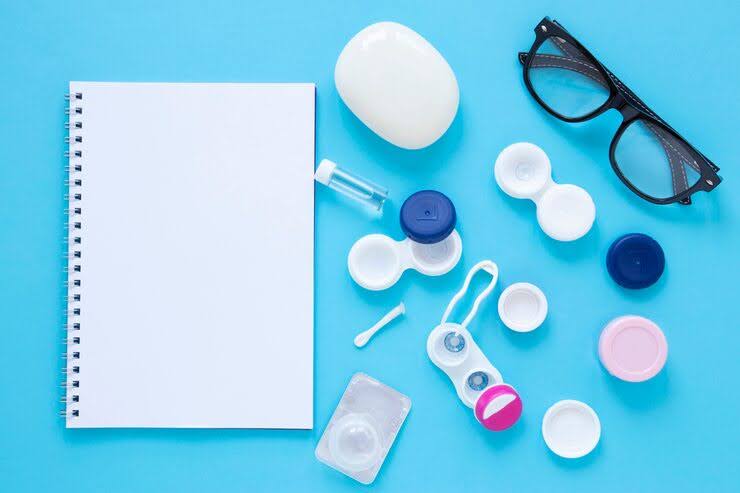
Include a parent myopia consent form, clinic contacts, medication permissions, and a one-page student profile listing lenses used, storage needs, and vision red flags kids may show. Add a small mirror, tissues, approved drops, and sterile saline vials for emergencies in a secure pouch. Clear labels prevent mix-ups and support a reliable nurse vision checklist following Kleinwood vision protocols.
Keep backup glasses on file when families agree. A brief arrival routine—confirm comfort, note redness, and log device hours—helps schools support MiSight and Ortho-K students without classroom disruption. These steps improve coordination with our Houston eye clinic and reinforce myopia management through pediatric eye exams and comprehensive eye exams.
Include a parent myopia consent form, clinic contacts, medication permissions, and a one-page student profile listing lenses used, storage needs, and vision red flags kids may show. Add a small mirror, tissues, approved drops, and sterile saline vials for emergencies in a secure pouch. Clear labels prevent mix-ups and support a reliable nurse vision checklist following Kleinwood vision protocols.
Keep backup glasses on file when families agree. A brief arrival routine—confirm comfort, note redness, and log device hours—helps schools support MiSight and Ortho-K students without classroom disruption. These steps improve coordination with our Houston eye clinic and reinforce Myopia Management through Pediatric Eye Exams and Comprehensive Eye Exams.
Ortho-K & MiSight® at School
Ortho-K is worn overnight; daytime support focuses on backups, symptom checks, and a plan if morning clarity dips. Keep an Ortho-K school note template in the kit with “pause–protect–call” instructions and clinic numbers. If vision fluctuates, use backup glasses, document details, and notify parents and the Houston eye clinic promptly so Comprehensive Eye Exams stay on schedule.
MiSight at school is typically limited to problem-solving: a small kit for lost or torn lenses, a clean handwashing station, a mirror, and tissues. If insertion must occur at school, confirm consent, permissions, and a sanitary space. Reinforce no contact with tap water and proper case hygiene to support Myopia Management and safe routines.
Use simple logs—comfort 0–10, clarity, and redness location—so patterns reach families quickly. These logs turn observations into data, guiding timely adjustments by clinicians. They also keep everyone aligned with Pediatric Eye Exams, ensuring quick actions and fewer lost learning minutes. For questions, contact us at kleinwood vision.
Red Flags Requiring a Call

Call parents and the clinic the same day for persistent pain, light sensitivity, discharge, sudden blur, or sector redness that doesn’t resolve after rest. Discontinue lens wear until cleared. If a lens chips, cracks, or is lost, document the event and send a same-day note so replacements can be arranged. For MiSight at school or Ortho-K students, stress “no water” and safe storage to protect eye health and maintain myopia control.
For headaches or focus difficulties, record task distance, lighting, screen duration, and time of day.
Note whether symptoms follow heavy screen use, reduced sleep, or other lifestyle factors. Share these details with families so home routines—and, if needed, clinic plans—can adjust accordingly. Precise documentation speeds recovery, keeps learning on track, and aligns with myopia management guidance from Kleinwood vision, ensuring safe and effective care for growing eyes.
Keep a laminated “When to Notify” card near the kit, clearly listing urgent vs. non-urgent signs, clinic numbers, parent contacts, and a brief Ortho-K school note. Include instructions for replacing lost MiSight lenses and the location of approved drops. Having these directions posted reduces hesitation, ensures consistent responses during busy school days, and helps maintain safe eye health while supporting ongoing myopia management. Staff can respond quickly and confidently when issues arise, minimizing disruptions for students and preventing minor concerns from becoming major problems.
Encourage teachers to monitor for frequent squinting, reading at nose distance, or copying errors from the board—early cues that follow-up may be needed. Document all events in the student record and send concise summaries home to close the loop with families. Prompt attention preserves comfort and clarity, while minimizing classroom impact. For coordination, supplies, or guidance, contact Kleinwood vision. These steps integrate myopia management seamlessly with school routines and align with pediatric eye exams and comprehensive eye exams standards.
Clear, Simple, and Effective Communication Strategies
Provide templated notes for missed wear nights, comfort issues, lost or damaged lenses, and replacement needs. Weekly summaries go to parents, while urgent items trigger same-day calls. Include fields for comfort score, clarity, redness, and whether backup glasses were used, ensuring updates are objective and fast across pediatric eye exams and comprehensive eye exams schedules. This structured approach keeps all caregivers informed and supports consistent myopia management.
Create a shared calendar with families for exam blocks, sports seasons, theater lights, and travel. Anticipating these shifts allows nurses to adjust routines affecting comfort, clarity, or adherence. A clear plan—who to call, what to send, and when to recheck—keeps everyone synchronized with the student’s myopia management plan at Kleinwood vision, ensuring safe, consistent, and data-driven care throughout the school year.
Quick Routines That Fit School Days
Morning: Conduct a brief comfort/clarity check, confirm backup glasses are available, and note any redness or dryness after the commute. Record last night’s sleep to spot patterns that influence vision and flag items for pediatric eye exams.
Midday: Reassess after heavy screen use; if permitted, offer approved drops and a short break. Log redness location and whether symptoms resolve with rest, hydration, or lighting adjustments to guide myopia management updates.
Morning: Conduct a brief comfort/clarity check, confirm backup glasses are available, and note any redness or dryness after the commute. Record last night’s sleep to spot patterns that influence vision and flag items for Pediatric Eye Exams.
Midday: Reassess after heavy screen use; if permitted, offer approved drops and a short break. Log redness location and whether symptoms resolve with rest, hydration, or lighting adjustments to guide Myopia Management updates.
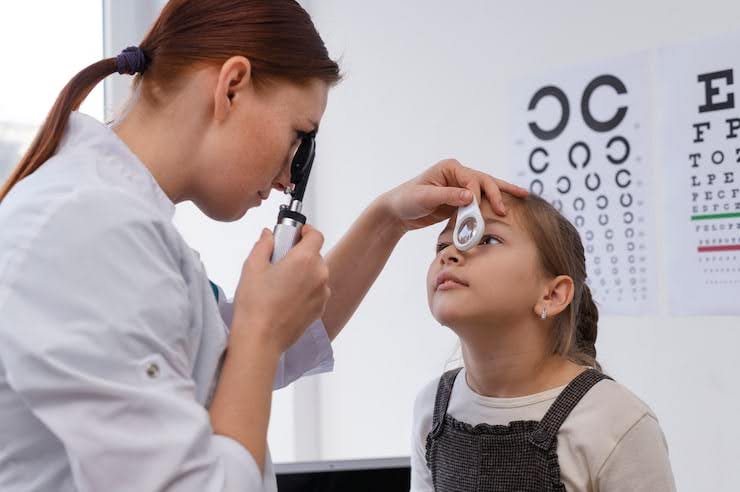
Afternoon: Record any symptoms since lunch, send notes home, and reset the kit for tomorrow. Ensure the nurse vision checklist is complete, forms are filed, and any Ortho-K school note or lens replacement message is ready. Contact us promptly if escalation is needed to maintain comfort, clarity, and effective myopia management.
Forms, Logs, and Storage Rules
Standardize the myopia consent form, emergency contacts, and medication permissions, keeping copies accessible yet secure. Include a brief Ortho-K school note and a MiSight at school insertion/incident form when families approve school assistance. Clear templates reduce errors, speed communication, and ensure consistent guidance from the Houston eye clinic and kleinwood vision, supporting safe and coordinated myopia management. Having standardized documentation helps staff respond quickly to issues, preserves continuity of care, and aligns with pediatric eye exams and comprehensive eye exams schedules.
Use one-page daily logs to track comfort, clarity, and incidents, with space for teacher observations. Weekly roll-ups for families highlight trends, upcoming needs, and any recurring issues. For lost or damaged lenses, document when, where, and how it occurred, actions taken, and who was notified. This structured approach informs follow-up, supports comprehensive eye exams, and allows families to participate in the student’s myopia management plan effectively.
Store student kits labeled and upright; keep dropper bottles and sterile saline locked, away from heat or sunlight. Separate MiSight supplies from general items to prevent mix-ups. Train a backup staff member to cover absences so routines never lapse, ensuring consistent care and adherence to myopia management guidelines.
At term’s end, audit supplies, replace expired drops, update myopia consent forms, and coordinate fresh notes for the new year. Archive logs securely and hold a short debrief with families and the clinic to refine routines. These steps align school practices with myopia management goals and pediatric eye exams. For replacement forms and templates, contact Kleinwood vision.
Nurse FAQs: Fast Answers That Help
Can students insert lenses at school? MiSight occasionally—with parent consent and a clean station. Ortho-K is night-only; daytime issues are managed with backup glasses. During PE and swimming, students wear glasses only—never contacts in water, and lenses should never be rinsed with tap water to protect eye health.
Who replaces lost lenses? Families coordinate with the clinic, sending a same-day note documenting the incident and including the student profile. Forms should be updated annually or after any therapy change. Refresh the nurse vision checklist whenever routines shift to remain aligned with Comprehensive Eye Exams follow-ups and ensure consistent Myopia Management.

Can students insert lenses at school? MiSight occasionally—with parent consent and a clean station. Ortho-K is night-only; daytime issues are managed with backup glasses. During PE and swimming, students wear glasses only—never contacts in water, and lenses should never be rinsed with tap water to protect eye health.
Who replaces lost lenses? Families coordinate with the clinic, sending a same-day note documenting the incident and including the student profile. Forms should be updated annually or after any therapy change. Refresh the nurse vision checklist whenever routines shift to remain aligned with comprehensive eye exams follow-ups and ensure consistent myopia management.
For vague symptoms, use the daily log: record comfort (0–10), clarity, redness site, screen time, and sleep. Share logs with parents and the clinic to guide timely adjustments and keep school days smooth. For questions, supplies, or guidance, contact Kleinwood vision to maintain safe and effective myopia management.
Closing the School–Home–Clinic Care Loop
Share concise weekly summaries, escalate red flags the same day, and schedule check-ins before exam weeks or sports shifts. Keep the student kit stocked, logs current, and backup glasses available to ensure support stays seamless. These practices integrate with comprehensive eye exams and pediatric eye exams, providing reliable follow-up and maintaining consistent myopia management. Clear documentation and proactive communication help identify patterns early, allowing timely adjustments to therapy or routines.
When schools, families, and clinics follow the same checklist, students remain comfortable, learning stays on track, and eye health is protected. This collaboration aligns with myopia management at Kleinwood vision. For templates, training, or replacements, contact us. Coordinated efforts between home, school, and clinic ensure safe, data-driven care, preserve vision gains, and reinforce daily routines that support long-term myopia stabilization while minimizing classroom disruption.
Contact Info
Hours of Operation
Mon - Fri | 9:00 AM - 5:00 PM
Sat - Sun | Closed
Holiday Hours: We are closed for the following holidays: New Years Day, Memorial Day, Independence Day, Labor Day, Thanksgiving Day, Christmas Day
The information provided on this website is for general informational purposes only and does not constitute professional medical advice, diagnosis, or treatment. Always seek the guidance of a licensed eye care professional or qualified health provider with any questions you may have regarding a medical condition or vision concern. Results from eye care services may vary by individual.
© 2026 Kleinwood Vision. All rights Reserved.