
Contact Lenses
Choosing Rewetting Drops for Contacts

FSDAVCFEBFEVSDDVFSD

FSDAVCFEBFEVSDDVFSD

FSDAVCFEBFEVSDDVFSD
Why Some Drops Irritate Contact Wearers
Not all “eye drops” are appropriate as rewetting drops for contacts. Many over-the-counter drops are formulated for general redness or allergy relief, not for direct use on contact lenses. Using the wrong formula can cause stinging, temporary blur, or buildup on the lens surface, reducing clarity and comfort during wear.
Some drops contain preservatives or thickening agents that may feel soothing initially but can accumulate with repeated use. This buildup can create a filmy sensation or worsen contact lens dryness relief over time. Understanding why irritation occurs helps patients select rewetting drops that improve comfort without causing redness, haze, or reduced wear time, supporting safe and comfortable hybrid lens use.
Not all “eye drops” are appropriate as rewetting drops for contacts. Many over-the-counter drops are formulated for general redness or allergy relief, not for direct use on contact lenses. Using the wrong formula can cause stinging, temporary blur, or buildup on the lens surface, reducing clarity and comfort during wear.
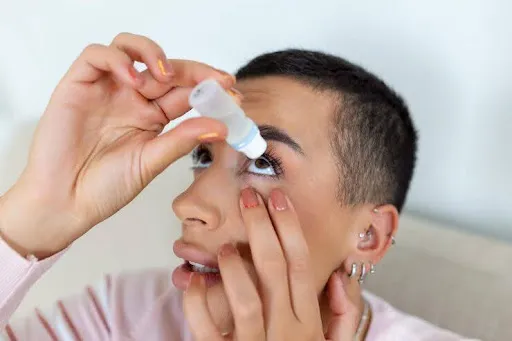
Some drops contain preservatives or thickening agents that may feel soothing initially but can accumulate with repeated use. This buildup can create a filmy sensation or worsen contact lens dryness relief over time. Understanding why irritation occurs helps patients select rewetting drops that improve comfort without causing redness, haze, or reduced wear time, supporting safe and comfortable hybrid lens use.
Preservative vs Preservative-Free Contact Drops
Preservatives are added to multi-dose eye drop bottles to prevent contamination after opening. While effective at maintaining sterility, frequent exposure can irritate sensitive eyes, especially in patients who use drops several times a day. For many contact lens wearers, particularly those experiencing ongoing dryness, preservative-free eye drops contacts options are often safer and more comfortable, reducing the risk of irritation and supporting daily lens wear.
Single-use vials eliminate the need for preservatives and minimize cumulative exposure. These drops are especially helpful for people with allergies, dry eye disease, or those wearing specialty lenses. However, “preservative-free” does not automatically mean the product is ideal for every lens type. The formulation must still be compatible with both the lens material and your natural tear chemistry to ensure safety and comfort.
Your eye doctor can recommend the safest rewetting drop based on your wear schedule, symptoms, and lens design. Personalized guidance during a comprehensive eye exam ensures your drop choice enhances comfort, reduces dryness, and protects long-term ocular health. Using compatible, preservative-free or carefully selected drops helps maintain clear vision, smooth lens surfaces, and safe, enjoyable hybrid lens wear every day.
Key Ingredients That Impact Eye Comfort
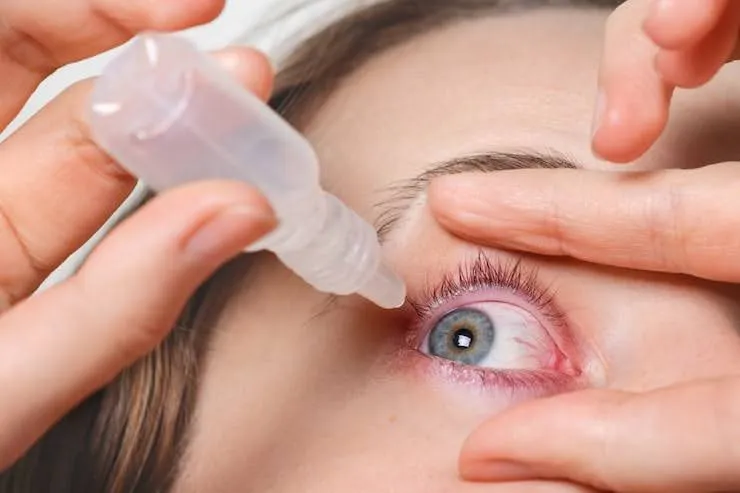
Reading labels helps you understand the ingredients in rewetting drops and choose the safest option for contact lens wear. Common lubricants include hyaluronic acid, glycerin, and cellulose-based agents, which improve surface moisture and reduce friction between the lens and the eye. Some formulas also include electrolytes that support tear film stability and mimic natural tears, enhancing comfort and reducing dryness during wear. Choosing drops with compatible ingredients helps maintain smooth lens surfaces, clear vision, and all-day comfort.
Avoid redness-relieving drops that contain vasoconstrictors, as these may temporarily reduce redness but can mask irritation and worsen dryness for contact lens users.
Patients with underlying dry eye disease may benefit from targeted Dry Eye Treatment rather than relying solely on rewetting drops for contacts. Following clinical guidance prevents lens coating, blur, or ongoing irritation, ensuring safe, comfortable, and effective hybrid lens wear every day.
How you use drops matters as much as which product you choose. Applying drops excessively can dilute natural tear components or create dependency, especially if the underlying issue is lens deposits, allergy-related inflammation, or poor lens fit. If dryness begins within the first hour of wear, it may not indicate a need for more drops. Instead, the problem could signal solution sensitivity, lens incompatibility, or another issue affecting comfort. Understanding the cause helps prevent overuse and ensures rewetting drops for contacts provide effective relief without creating additional complications.
Tracking the timing and frequency of symptoms is essential. Share detailed observations during your next visit at Kleinwood Vision, including when discomfort starts, how long it lasts, and how often drops are used. Providing this feedback improves diagnostic accuracy, allows your provider to tailor cleaning routines, drop selection, or lens adjustments, and ensures safe, comfortable hybrid lens wear. Proper monitoring supports consistent clarity, reduced dryness, and long-term ocular health.
Best Use Practices for Clear Vision
Use drops at the first sign of dryness rather than waiting until lenses feel scratchy. Early application helps maintain the contact lens comfort Houston patients rely on during long workdays or extended screen time. Always avoid touching the bottle tip to lashes or lenses to reduce the risk of contamination and protect ocular health. Regular, proactive use of rewetting drops supports smooth lens surfaces and prevents end-of-day discomfort.
If you work in dusty or air-conditioned environments, consider a brief blink reset combined with lubricating drops before irritation escalates. For scleral lens wearers, surface drops may not relieve discomfort caused by trapped debris beneath the lens. Matching your strategy to your lens type and environment improves outcomes, reduces dryness, and ensures more comfortable, reliable hybrid or specialty lens wear throughout the day.
When Drops Are Not Enough
If you need drops every 30 to 60 minutes, the underlying issue likely requires professional evaluation. Chronic dryness can result from meibomian gland dysfunction, allergy inflammation, digital device strain, or hybrid lens surface deposits. Persistent burning, redness, or blurred vision should not be managed with drops alone, as this can mask the true cause and prevent effective relief.
A comprehensive contact lens evaluation can determine whether a different lens material, cleaning system adjustment, or structured dry eye treatment plan is needed. Identifying the root cause allows your provider to customize care to your eyes and wear habits, providing more stable and lasting contact lens dryness relief.
If you need drops every 30 to 60 minutes, the underlying issue likely requires professional evaluation. Chronic dryness can result from meibomian gland dysfunction, allergy inflammation, digital device strain, or hybrid lens surface deposits. Persistent burning, redness, or blurred vision should not be managed with drops alone, as this can mask the true cause and prevent effective relief.
A comprehensive contact lens evaluation can determine whether a different lens material, cleaning system adjustment, or structured Dry Eye Treatment plan is needed. Identifying the root cause allows your provider to customize care to your eyes and wear habits, providing more stable and lasting contact lens dryness relief.
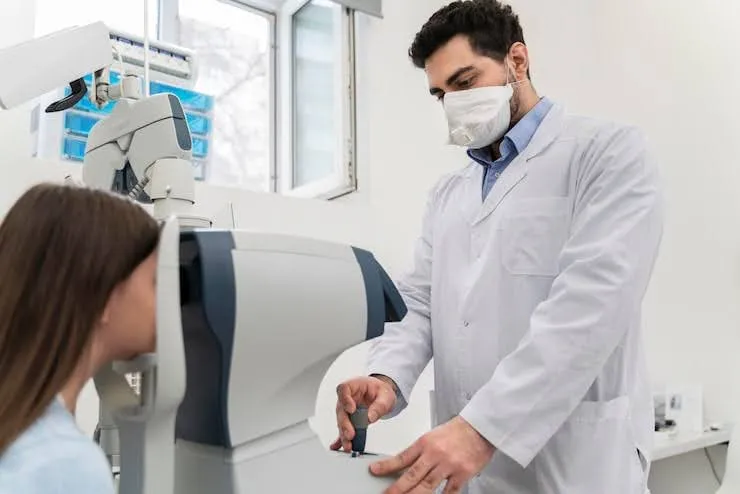
Addressing the underlying issue supports safe, comfortable hybrid lens wear, reduces irritation, and helps maintain clear vision and long-term ocular health.
Choosing Drops by Lens Type
Soft lens wearers often respond well to standard contact-safe lubricating drops. These drops can provide quick relief from dryness, improve comfort, and help maintain clear vision throughout the day. Because soft lenses are more forgiving with moisture, most users can incorporate drops into their routine without significantly affecting lens performance. However, even with soft lenses, it’s important to choose formulas designed specifically for contact lens use to avoid irritation or residue buildup.
Hybrid, rigid gas permeable (RGP), and scleral lens wearers may need stricter compatibility guidance. Certain lubricating formulas can leave residue on rigid surfaces, affecting optics and clarity, which can interfere with vision quality. Scleral lens patients, in particular, sometimes benefit more from optimizing fill solutions and maintaining good lid hygiene rather than relying solely on surface drops throughout the day. This approach supports lens performance and overall eye health while minimizing unwanted visual disturbances.
Multifocal and toric lens wearers should also exercise caution. Excessive use of lubricating drops can temporarily shift optics, potentially causing brief blur or altered vision. Developing a doctor-guided drop strategy helps reduce trial-and-error purchases, ensures compatibility with lens material, and improves overall efficiency in maintaining comfort. This proactive approach prevents unnecessary frustration and supports consistent visual performance.
During your next eye exam at Kleinwood Vision, discuss your specific lens material, work environment, and dryness patterns. A personalized plan ensures you select rewetting drops for contacts that support performance rather than compromise it. By addressing these details, you can maximize comfort, clarity, and lens longevity, while minimizing the need for frequent adjustments or multiple product trials.
Rewetting Drop Questions to Ask
Ask your provider: “Which drops work best with my lens material?” and “How often is too often?” These questions help identify whether your dryness is due to insufficient lubrication or factors such as hybrid lens deposits, allergies, or cleaning system sensitivity. Understanding the underlying cause ensures your drops provide real comfort without causing additional issues.
It’s also helpful to ask if your current cleaning routine contributes to dryness through residue or preservative sensitivity. Some disinfecting or rinsing products can leave traces that irritate the eyes and reduce the effectiveness of lubricating drops. Addressing these factors with your eye care professional helps prevent ongoing discomfort and protects lens performance.

Ask your provider: “Which drops work best with my lens material?” and “How often is too often?” These questions help identify whether your dryness is due to insufficient lubrication or factors such as hybrid lens deposits, allergies, or cleaning system sensitivity. Understanding the underlying cause ensures your drops provide real comfort without causing additional issues.
It’s also helpful to ask if your current cleaning routine contributes to dryness through residue or preservative sensitivity. Some disinfecting or rinsing products can leave traces that irritate the eyes and reduce the effectiveness of lubricating drops. Addressing these factors with your eye care professional helps prevent ongoing discomfort and protects lens performance.
Keeping a short list of approved products in your phone prevents last-minute pharmacy decisions that may worsen symptoms. With a clear, personalized plan, drops become a supportive tool rather than a daily struggle, improving comfort and clarity throughout the day.
Creating a Safer Contact Lens Drop Strategy
Choose contact-safe lubricating drops and prioritize preservative-free eye drops contacts options if you use them frequently. Avoid redness relievers, follow proper hygiene, and apply drops strategically rather than reflexively. Using drops thoughtfully helps maintain clarity and comfort, prevents haze or irritation, and supports consistent lens performance throughout the day. The right drop can make a noticeable difference in daily wear, keeping your eyes comfortable and lenses performing at their best.
If symptoms persist or worsen, contact us at Kleinwood Vision for evaluation. An updated eye exam can pinpoint the underlying cause of dryness or discomfort and restore the stable contact lens comfort Houston patients rely on. The best drop is one that improves clarity, enhances comfort, and supports your lens wear without overuse, helping you enjoy contacts with confidence and ease.
Contact Info
Hours of Operation
Mon - Fri | 9:00 AM - 5:00 PM
Sat - Sun | Closed
Holiday Hours: We are closed for the following holidays: New Years Day, Memorial Day, Independence Day, Labor Day, Thanksgiving Day, Christmas Day
The information provided on this website is for general informational purposes only and does not constitute professional medical advice, diagnosis, or treatment. Always seek the guidance of a licensed eye care professional or qualified health provider with any questions you may have regarding a medical condition or vision concern. Results from eye care services may vary by individual.
© 2026 Kleinwood Vision. All rights Reserved.