
Myopia Management
How Close Is Too Close for Kids’ Reading?

FSDAVCFEBFEVSDDVFSD
FSDAVCFEBFEVSDDVFSD
FSDAVCFEBFEVSDDVFSD
Why Reading Distance Matters for Children
Many parents notice their child holding books, tablets, homework, or phones very close to their face. This may happen because of concentration, tiredness, or detailed tasks. However, consistently close viewing distance increases the visual demand placed on the eyes and may be associated with a higher risk of myopia development or progression, especially in children who are already nearsighted or have a family history of myopia.
Reading distance matters because near work and myopia discussions often focus on how closely and how long children use their eyes for nearby activities. Healthy viewing habits are not a replacement for treatment, but they can support myopia management for kids and encourage better visual comfort throughout the day.
Many parents notice their child holding books, tablets, homework, or phones very close to their face. This may happen because of concentration, tiredness, or detailed tasks. However, consistently close viewing distance increases the visual demand placed on the eyes and may be associated with a higher risk of myopia development or progression, especially in children who are already nearsighted or have a family history of myopia.
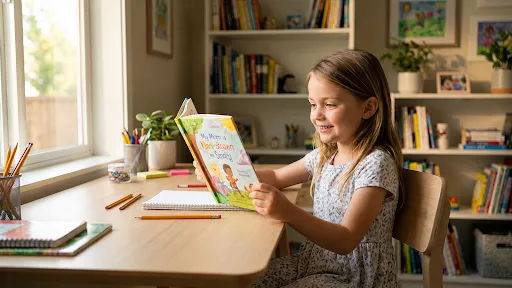
Reading distance matters because near work and myopia discussions often focus on how closely and how long children use their eyes for nearby activities. Healthy viewing habits are not a replacement for treatment, but they can support myopia management for kids and encourage better visual comfort throughout the day.
How Close Is Too Close for Reading?
A simple guideline many parents can follow is to avoid allowing books, worksheets, tablets, or phones to be held directly in front of the face. Many eye care professionals recommend a comfortable working distance of approximately forearm length for reading and writing tasks. This distance does not need to be measured constantly, but children should avoid bending over materials that are only a few inches from their eyes. Maintaining a healthy reading distance can support better visual habits during daily activities.
Parents should pay attention to patterns rather than occasional moments. A child who briefly leans closer while drawing, reading, or concentrating is usually not a concern. However, if they consistently keep their nose near the page, hunch over screens, or move closer shortly after reminders, the behavior deserves attention. These habits may involve posture, visual preferences, or a need for further evaluation.
The goal is to create a comfortable viewing distance where children can see clearly without excessive leaning, squinting, or discomfort. If maintaining a normal distance causes blur or frustration, a pediatric eye exam may help identify whether vision concerns are affecting habits and child myopia risk.
Why Kids Hold Work Too Close
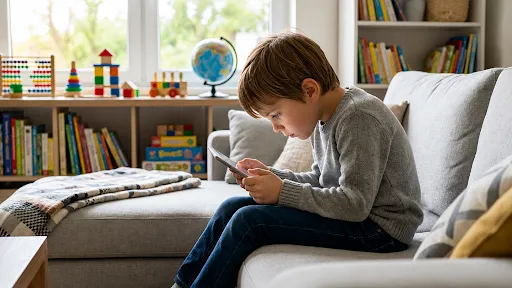
Children often hold books, worksheets, and screens too close because they are concentrating on the activity. Younger children may gradually move closer without realizing it, especially during reading, coloring, writing, or homework. Over time, this behavior can become a regular habit unless parents and teachers encourage healthier viewing positions and proper reading distance during everyday activities.
In some cases, close working distance may indicate that a child is not seeing comfortably.
A child with developing myopia may move closer because nearby viewing feels easier. Others may experience focusing difficulties or eye coordination challenges that make them lean toward their work. Repeated close viewing should be monitored carefully instead of ignored, as it may be linked with child myopia risk and suggest the need for a professional eye evaluation to protect long-term vision and support healthier visual habits for children throughout their daily learning and development.
Parents can encourage healthier habits without turning reading distance into a constant source of correction. Instead of repeatedly telling a child to stop leaning forward, it can be more effective to use simple reminders such as, “Let's give your eyes a little more space,” or “Move the book back slightly.” These phrases help make the habit feel supportive rather than critical.
The environment also plays an important role. Furniture that fits the child's size can improve posture naturally. Proper lighting may reduce the tendency to lean forward to see details. Book stands, tablet stands, and elevated reading surfaces can also help maintain healthier kids reading distance habits during homework and recreational activities. When the environment supports good posture, children often require fewer reminders throughout the day. These adjustments create a comfortable space where children can practice better visual habits and maintain appropriate reading distance consistently while supporting overall eye comfort during daily tasks and reducing unnecessary strain on their eyes.
Build Healthier Near-Work Habits at Home
Healthy near-work habits include maintaining a reasonable viewing distance, taking regular visual breaks, using good lighting, and avoiding long periods of uninterrupted close focus. Parents can encourage children to occasionally look across the room, stand up, stretch, or switch activities after extended reading or screen sessions. Small changes throughout the day can help reduce continuous near-focus demands.
These habits are particularly valuable for children who already have myopia or who may be at greater child myopia risk because of family history. Healthy routines do not replace professional treatment, but they work well alongside it. When better reading distance habits are combined with outdoor activity, routine eye care, and appropriate treatment recommendations, families create a more balanced visual environment that supports long-term eye health.
When Close Reading Needs an Eye Exam
Close reading behavior should be discussed with an eye doctor when it becomes frequent, difficult to correct, or accompanied by other symptoms. Parents should pay attention to signs such as squinting, headaches, eye rubbing, blurry distance vision, or complaints about seeing classroom boards and distant objects clearly.
A child who consistently holds everything close may not simply be ignoring instructions. They may be compensating for vision that feels blurry, strained, or uncomfortable during everyday activities.
Close reading behavior should be discussed with an eye doctor when it becomes frequent, difficult to correct, or accompanied by other symptoms. Parents should pay attention to signs such as squinting, headaches, eye rubbing, blurry distance vision, or complaints about seeing classroom boards and distant objects clearly.
A child who consistently holds everything close may not simply be ignoring instructions. They may be compensating for vision that feels blurry, strained, or uncomfortable during everyday activities.
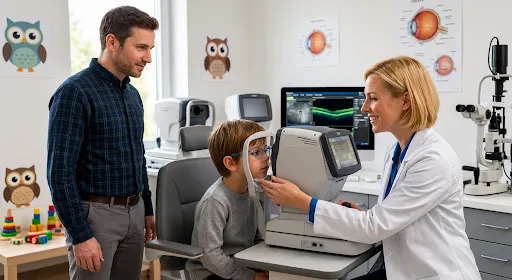
A pediatric eye exam can help determine whether the issue involves myopia progression, an outdated prescription, focusing difficulties, eye teaming concerns, or simply a habit that requires better support and guidance. Early evaluation can provide helpful answers and support healthier visual habits for children while improving comfort during daily tasks.
Why Daily Habits Matter Alongside Treatment
Reading distance is only one factor involved in myopia risk, but it is one of the few habits parents can observe directly. Children spend many hours each week reading, studying, completing homework, using tablets, watching videos, and interacting with digital devices. If most of those activities happen at an extremely close distance, the eyes are exposed to prolonged periods of intense near focus.
Parents do not need to become anxious about every reading session or constantly monitor every movement. A more effective approach is creating routines that make healthy viewing distance feel normal. Encouraging upright posture, keeping screens off the lap when possible, improving lighting, and building breaks into long periods of near work can help reduce excessive close-focus habits without creating stress.
For children already participating in myopia management for kids programs, these daily habits become even more valuable. Treatments such as specialty glasses, contact lenses, orthokeratology, or prescribed drops are important, but everyday visual behavior still plays a role. When families consistently support healthier reading distance and balanced visual habits, children often experience better comfort and develop routines that support long-term eye health goals.
These routines can help families maintain consistent support for children’s vision needs throughout school and home activities. By paying attention to reading distance, screen habits, posture, and regular visual breaks, parents can create an environment that encourages healthier choices. While these steps do not replace professional care, they complement myopia management for kids and help children build sustainable habits that promote comfort, confidence, and overall eye health throughout their daily lives with greater ease.
Simple Rules Parents Can Use
One of the easiest rules is encouraging children to keep books, tablets, and worksheets approximately forearm length away. The goal is not perfect measurement every time. The goal is simply avoiding extremely close viewing habits that place unnecessary visual demand on the eyes.
Parents can also build short breaks into homework sessions and recreational screen time. Looking across the room, standing up, stretching, or briefly focusing on distant objects helps interrupt long periods of continuous near focus and supports healthier visual habits.

One of the easiest rules is encouraging children to keep books, tablets, and worksheets approximately forearm length away. The goal is not perfect measurement every time. The goal is simply avoiding extremely close viewing habits that place unnecessary visual demand on the eyes.
Parents can also build short breaks into homework sessions and recreational screen time. Looking across the room, standing up, stretching, or briefly focusing on distant objects helps interrupt long periods of continuous near focus and supports healthier visual habits.
Finally, pay attention to whether your child can maintain a comfortable viewing distance naturally. If they repeatedly move closer because text appears blurry or difficult to see, additional reminders may not solve the problem. In that situation, an eye examination is often the most useful next step. A professional evaluation can identify concerns related to myopia risk and provide guidance for better habits.
Helping Your Child Find a Better Distance
Parents can start by observing how their child reads, writes, studies, and uses screens during a normal day. Notice whether materials are consistently held very close, whether posture collapses during homework, or whether the child complains about tired eyes, headaches, or difficulty seeing clearly. These observations provide useful information about whether the issue involves habit, comfort, or changing vision.
If your child regularly works at a very close distance or their prescription changes over time, Kleinwood Vision can help evaluate their visual needs and discuss whether myopia management is appropriate. While healthier reading habits are beneficial, a comprehensive pediatric eye exam provides the clearest understanding of what your child's eyes need. To learn more or schedule an evaluation, contact us today for personalized guidance and support that helps families create healthier visual routines and protect long-term eye health goals effectively.
Contact Info
Hours of Operation
Mon - Fri | 9:00 AM - 5:00 PM
Sat - Sun | Closed
Holiday Hours: We are closed for the following holidays: New Years Day, Memorial Day, Independence Day, Labor Day, Thanksgiving Day, Christmas Day
The information provided on this website is for general informational purposes only and does not constitute professional medical advice, diagnosis, or treatment. Always seek the guidance of a licensed eye care professional or qualified health provider with any questions you may have regarding a medical condition or vision concern. Results from eye care services may vary by individual.
© 2026 Kleinwood Vision. All rights Reserved.