
Myopia Management
Pseudomyopia vs True Myopia Explained

FSDAVCFEBFEVSDDVFSD
FSDAVCFEBFEVSDDVFSD
FSDAVCFEBFEVSDDVFSD
Why Temporary Myopia Happens
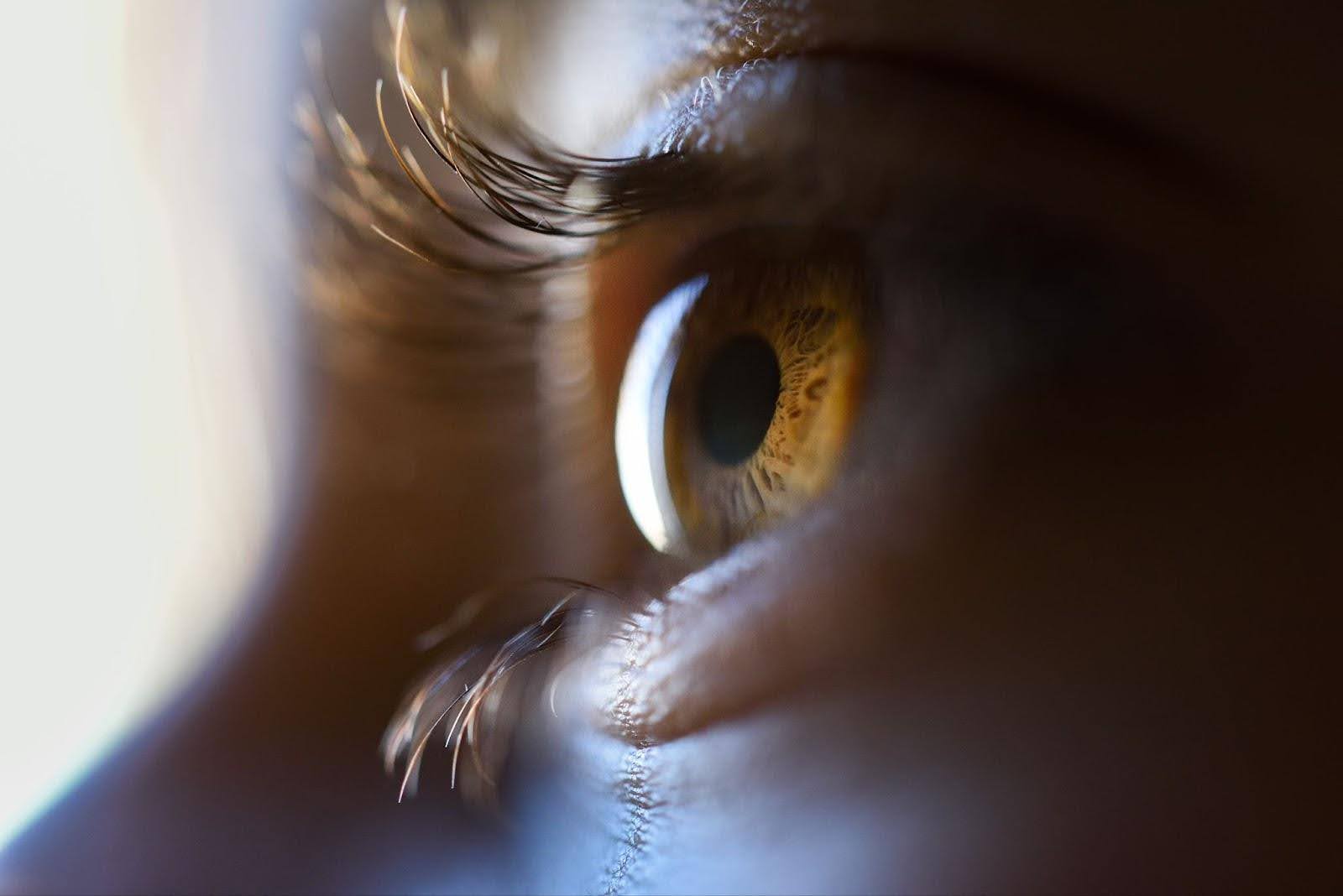
Pseudomyopia vs true myopia can be confusing because both cause distance blur, but the causes differ. Pseudomyopia—also called false myopia—is temporary nearsightedness caused by the focusing muscle staying active after long periods of close work. Reading, scrolling, or computer use can lock the eyes in near focus, making distant signs or classroom boards look blurry.
Since symptoms mimic a prescription change, an eye exam before myopia treatment is essential. During a comprehensive eye exam Houston patients trust, your optometrist checks how your eyes focus, relax, and work together. This helps distinguish temporary pseudomyopia from true myopia for accurate myopia management.
Pseudomyopia vs true myopia can be confusing because both cause distance blur, but the causes differ. Pseudomyopia—also called false myopia—is temporary nearsightedness caused by the focusing muscle staying active after long periods of close work. Reading, scrolling, or computer use can lock the eyes in near focus, making distant signs or classroom boards look blurry.
Since symptoms mimic a prescription change, an eye exam before myopia treatment is essential. During a comprehensive eye exam Houston patients trust, your optometrist checks how your eyes focus, relax, and work together. This helps distinguish temporary pseudomyopia from true myopia for accurate myopia management.
How Doctors Confirm True Myopia
A pseudomyopia evaluation begins with visual acuity testing and refraction, which measures how clearly you see at different distances. Your optometrist will ask about recent visual habits such as long study sessions, gaming, or heavy screen use, as sudden increases in close work can trigger temporary nearsightedness. Understanding when the blur started and whether it improves after rest helps determine if false myopia may be involved and guides accurate myopia management.
The exam also evaluates accommodation and binocular coordination. Accommodation tests check how quickly the eyes focus and relax, while convergence and alignment tests assess whether the eyes are overworking together. These findings often explain symptoms like brow pressure, eye fatigue, or brief double vision when shifting from near tasks to distance viewing. Tear film stability is also checked, since dryness can create inconsistent measurements during testing and affect accurate myopia assessment.
The most important confirmation step involves relaxing the focusing system before measuring the final prescription. Cycloplegic refraction, which temporarily stops the focusing muscle, allows the doctor to see if the blur disappears or if true myopia remains. During a myopia management evaluation, additional measurements like corneal shape and axial length help assess progression risk and guide treatment planning.
Common Signs and Triggers of Pseudomyopia

People experiencing false myopia often notice distance blur after extended close work. A classroom board may appear soft, road signs take longer to sharpen, or your eyes feel tight when looking up from a phone or laptop. Some individuals also experience mild headaches around the forehead, light sensitivity, or a sense that their eyes are working harder than usual to refocus. Recognizing these symptoms early helps distinguish temporary pseudomyopia from true structural myopia.
Patterns often provide clues. Temporary nearsightedness may worsen during exam weeks, intense work projects, or long periods of screen time without rest.
The blur may improve after sleep or outdoor activity. Avoid self-adjusting glasses or buying stronger lenses online, because extra minus power can increase focusing strain. A proper eye exam before myopia treatment confirms whether the solution involves simple lifestyle adjustments or a formal myopia management evaluation for long-term vision care.
Following preparation instructions before your exam helps ensure accurate results. If contact lenses or dryness affect measurements, your doctor may recommend a short lens break or treating dryness first. These steps make sure testing reflects your natural focusing state rather than temporary strain from daily habits. Proper preparation is especially important when distinguishing pseudomyopia from true myopia, as it allows the optometrist to determine whether distance blur is temporary or structural.
Simple visual habits can also help reset focusing. The 20-20-20 rule—looking 20 feet away for 20 seconds every 20 minutes—gives the focusing system regular breaks. Increasing viewing distance, improving lighting, and spending time outdoors allow your eyes to relax naturally. Even if true myopia is present, these strategies support long-term myopia management and can be paired with specialty lenses or other evidence-based control methods. Following these guidelines ensures accurate measurements and helps guide effective myopia treatment decisions for lasting vision health.
When Myopia Is Truly Present
In some cases, the exam confirms that myopia is real even if a focusing spasm is also occurring. When the eyes are fully relaxed during testing, distance blur remains and requires a prescription to see clearly. Unlike pseudomyopia, this blur tends to be more consistent rather than appearing only after long periods of close work. Recognizing the difference ensures patients receive the correct treatment and avoid unnecessary adjustments that could worsen focusing strain.
This is where a structured myopia management evaluation becomes important. Your optometrist reviews past prescriptions, lifestyle factors, and risk patterns to determine whether the condition is progressing. Monitoring changes over time helps guide treatment decisions. With accurate measurements, patients can select correction methods that support both clear vision today and long-term eye health, ensuring proper myopia management and reducing the risk of complications.
Why Cycloplegic Drops Improve Accuracy
Cycloplegic refraction uses medicated drops to temporarily relax the focusing muscle. This lets your optometrist measure the eye’s true refractive state without interference from active focusing. For patients with suspected pseudomyopia vs true myopia, this step provides essential clarity for accurate diagnosis.
After the drops are applied, near vision may become blurry and lights appear brighter for several hours. This is temporary and expected. Many patients bring sunglasses and arrange transportation if driving immediately afterward is uncomfortable. Vision usually returns to normal by the end of the day.
Cycloplegic refraction uses medicated drops to temporarily relax the focusing muscle. This lets your optometrist measure the eye’s true refractive state without interference from active focusing. For patients with suspected pseudomyopia vs true myopia, this step provides essential clarity for accurate diagnosis.
After the drops are applied, near vision may become blurry and lights appear brighter for several hours. This is temporary and expected. Many patients bring sunglasses and arrange transportation if driving immediately afterward is uncomfortable. Vision usually returns to normal by the end of the day.
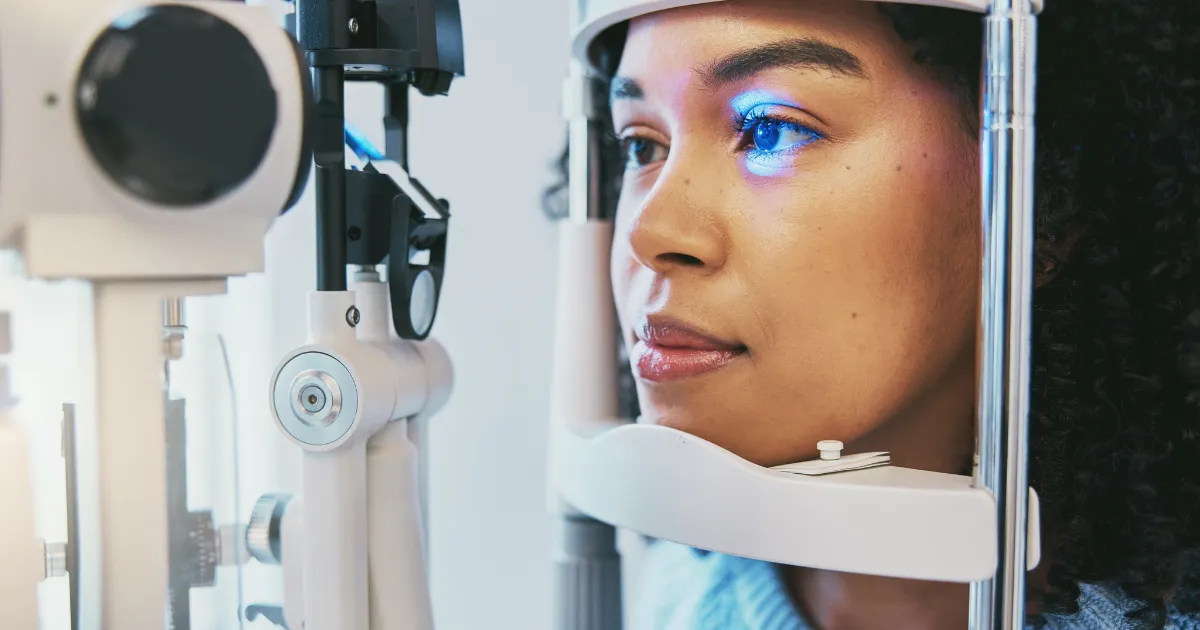
For myopia management, cycloplegia helps prevent over-prescribing stronger lenses. It ensures the prescription reflects the eye’s natural state rather than a temporary focusing spasm. Your doctor decides if this test is needed based on age, symptoms, and eye health.
What Happens After the Diagnosis
Next steps depend on what the measurements reveal. If testing shows primarily pseudomyopia, the treatment plan usually focuses on reducing close-work strain and allowing the focusing system to reset. Doctors may recommend visual habit changes, improved lighting, and scheduled follow-up exams to confirm stability before prescribing permanent glasses. These steps help the eyes recover from temporary focusing spasm while preventing unnecessary lens changes.
If true myopia remains after relaxation testing, your doctor will review how quickly the prescription has changed and whether a structured myopia management program is appropriate. This plan may include specific lenses, regular monitoring, and guidance on screen habits and outdoor activity. The goal is not only clearer vision but also slowing long-term progression and reducing the risk of future complications.
Sometimes results show a combination of both conditions. In these situations, the first priority is calming the focusing system and addressing dryness or strain. A follow-up exam may repeat key measurements to confirm stability before ordering new glasses or contact lenses. This prevents purchasing a prescription that quickly feels too strong or uncomfortable and ensures accurate myopia management.
Clear instructions help patients know exactly what to do next. Your doctor may outline daily habit changes, expected symptom improvements, and when to return for re-testing. Sudden symptoms like flashes, new floaters, or painful red eyes should be evaluated promptly, as they are not typical signs of temporary nearsightedness. For most patients, careful evaluation and a few follow-up visits are enough to restore visual comfort and guide accurate long-term care.
Questions to Ask at Your Exam
Many patients wonder whether they should update their glasses immediately. If results suggest pseudomyopia, your doctor may recommend temporary distance correction and a short follow-up before prescribing full-time lenses. This prevents committing to a prescription that may change once the focusing system relaxes.
It is also helpful to ask which habits likely triggered the symptoms and what improvement should feel like. Guidance on working distance, lighting, outdoor time, and screen breaks makes it easier to correct the problem at home. If cycloplegic drops were used, ask when near vision will return to normal.
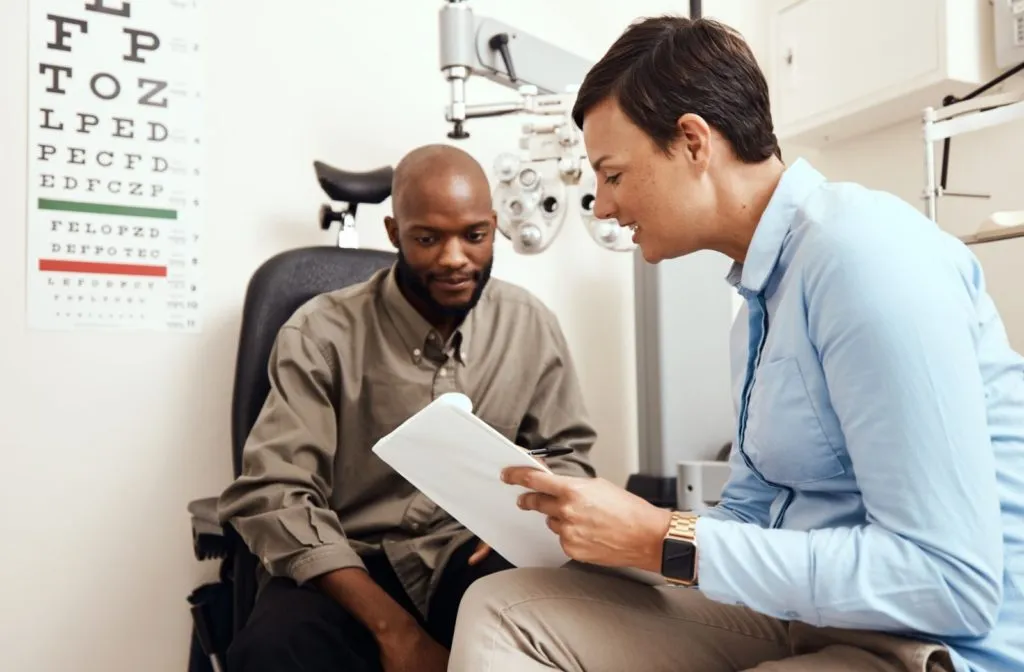
Many patients wonder whether they should update their glasses immediately. If results suggest pseudomyopia, your doctor may recommend temporary distance correction and a short follow-up before prescribing full-time lenses. This prevents committing to a prescription that may change once the focusing system relaxes.
It is also helpful to ask which habits likely triggered the symptoms and what improvement should feel like. Guidance on working distance, lighting, outdoor time, and screen breaks makes it easier to correct the problem at home. If cycloplegic drops were used, ask when near vision will return to normal.
Families with children or teens should ask how findings affect long-term myopia management. Knowing how often to monitor vision and which options exist helps parents make informed decisions. Bringing current glasses, contact lens details, and past prescriptions ensures discussions are accurate, personalized, and support proper myopia management.
Your Next Steps Before Your Visit
If distance blur has appeared suddenly, your best next step is scheduling a comprehensive eye exam Houston patients trust. Bring notes about when the blur occurs, how many hours you spend on screens, and whether symptoms improve after rest. Also bring your current glasses or contact lens information so your doctor can compare results and provide an accurate assessment. Proper preparation ensures testing reflects your natural focusing state and helps distinguish pseudomyopia from true myopia or a combination of both.
Accurate testing is the foundation of effective treatment. Whether the diagnosis is pseudomyopia, true myopia, or both, Kleinwood Vision can guide you through practical steps and discuss appropriate myopia management options. If you are unsure what your symptoms mean, the safest approach is a precise evaluation and clear answers. For help scheduling an exam or reviewing results, contact us for guidance and personalized care.
Contact Info
Hours of Operation
Mon - Fri | 9:00 AM - 5:00 PM
Sat - Sun | Closed
Holiday Hours: We are closed for the following holidays: New Years Day, Memorial Day, Independence Day, Labor Day, Thanksgiving Day, Christmas Day
The information provided on this website is for general informational purposes only and does not constitute professional medical advice, diagnosis, or treatment. Always seek the guidance of a licensed eye care professional or qualified health provider with any questions you may have regarding a medical condition or vision concern. Results from eye care services may vary by individual.
© 2026 Kleinwood Vision. All rights Reserved.