
Comprehensive Eye Exams
Screen Glasses vs Everyday Glasses

FSDAVCFEBFEVSDDVFSD
FSDAVCFEBFEVSDDVFSD

FSDAVCFEBFEVSDDVFSD
Why One Pair Is Not Always Ideal
Many patients assume their everyday glasses should work equally well for driving, reading, and computer use. However, screen work happens at a intermediate distance that standard lenses may not handle. If your routine includes hours using monitors, laptops, or screens, the wrong lens setup can increase visual strain during daily tasks and screen-heavy routines.
That does not automatically mean everyone needs separate glasses for computer use. Modern screen habits place visual demands on the eyes. A comprehensive eye exam Houston patients schedule can help determine whether your current prescription glasses for screen use still match your visual needs or a task-specific solution may provide digital eye strain relief.
Many patients assume their everyday glasses should work equally well for driving, reading, and computer use. However, screen work happens at a intermediate distance that standard lenses may not handle. If your routine includes hours using monitors, laptops, or screens, the wrong lens setup can increase visual strain during daily tasks and screen-heavy routines.
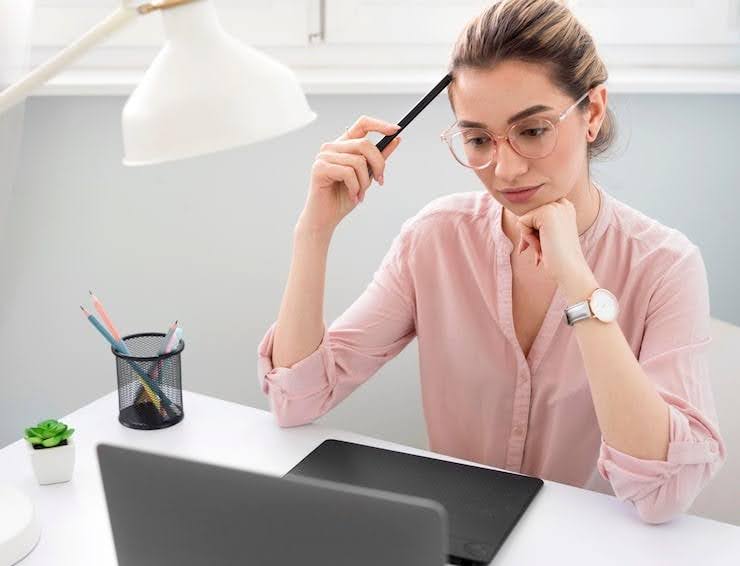
That does not automatically mean everyone needs separate glasses for computer use. Modern screen habits place visual demands on the eyes. A comprehensive eye exam Houston patients schedule can help determine whether your current prescription glasses for screen use still match your visual needs or a task-specific solution may provide digital eye strain relief.
How Screen Viewing Differs from Daily Distance Vision
Driving, walking around, and general daily activities rely heavily on distance vision. Computer work is different because screens are typically positioned at an intermediate distance for long periods throughout the day. That viewing range requires continuous focus and visual coordination that regular everyday glasses may not support efficiently for prolonged work. As a result, some patients lean toward the screen, tilt their chin, or constantly adjust posture trying to maintain comfortable focus during desk tasks and screen-heavy routines.
This issue is especially common for people using older prescriptions or progressive lenses not designed around current screen habits. A pair of glasses that feels acceptable during casual daily activities may still create eye strain from regular glasses during full workdays at a computer. Many patients notice headaches, neck tension, slower focus recovery, or tired eyes without realizing their eyewear may contribute to symptoms during prolonged digital work.
That is why prescription glasses for screen use can sometimes make a meaningful difference. Unlike standard lenses, computer glasses Houston patients use for screen-heavy work can be customized around monitor distance and posture demands. For the right patient, screen glasses vs everyday glasses may improve comfort, posture, and fatigue during long work sessions.
Signs You May Need a Separate Pair

One common clue is that your eyes feel noticeably worse during or after screen use than during other activities. headaches forehead pressure neck tension blurred focus after long computer sessions or constantly adjust distance from the screen to stay comfortable. Some patients also remove their glasses during near work or keep shifting their head angle while using monitors because the lenses no longer feel comfortable for sustained computer use.
Another sign is that your regular glasses work well for daily life but feel exhausting during desk work. the prescription itself may not be completely wrong but the lens design may not match your work demands.
A comprehensive eye exam Houston can help determine whether the issue involves dryness, binocular strain, outdated correction, or whether separate glasses for computer use may improve comfort and reduce visual effort during extended screen tasks.
Patients often assume they should wait until their everyday glasses stop working completely before asking about another pair. In reality, the better question is whether one pair is forcing too much compromise throughout the workday. If you spend many hours on screens and regularly finish the day with headaches, neck fatigue, or tired eyes, a computer-specific solution may be worth discussing even if distance vision still feels reasonably clear and functional during most other activities.
It also helps to consider your workstation setup and visual habits. People using multiple monitors, laptops below eye level, or long office hours are often more likely to notice lens limitations during digital tasks. The goal is not to collect unnecessary eyewear. It is to match the lenses to the actual task well enough that your visual system is not constantly compensating through awkward posture, extra focusing effort, discomfort, or avoidable fatigue during prolonged computer use and screen-heavy routines.
When Everyday Glasses Are Still Enough
Not everyone needs a separate pair for computer work. If your current glasses allow comfortable posture, stable focus, and minimal visual fatigue during screen use, then adding another pair may not provide enough additional benefit to justify it. Some patients do very well with updated single-vision lenses or properly designed progressives that already fit their daily routine and screen demands without creating significant discomfort or focusing problems throughout the day.
This is why the decision should come from symptoms and work demands rather than marketing trends alone. A thorough eye exam can determine whether the issue involves prescription age, dryness, binocular strain, workstation setup, or lens limitations. Screen glasses vs everyday glasses should be evaluated based on actual visual needs instead of assuming every person who uses a laptop automatically requires specialized prescription glasses for screen use or computer-specific lenses during regular daily activities.
Why Work Distance Should Be Measured
Prescription glasses for screen use work best when the prescription matches the actual screen distance used most often throughout the day. That distance vary depending on desk setup monitor placement laptop position and whether multiple screens are being used during work hours or home office tasks.
Without measuring those details carefully patients may end up with lenses designed generally for computer use but not specifically for their real posture or visual habits. Even small workstation differences affect comfort focusing demand and long term screen endurance during daily computer use digital tasks.
Prescription glasses for screen use work best when the prescription matches the actual screen distance used most often throughout the day. That distance vary depending on desk setup monitor placement laptop position and whether multiple screens are being used during work hours or home office tasks.
Without measuring those details carefully patients may end up with lenses designed generally for computer use but not specifically for their real posture or visual habits. Even small workstation differences affect comfort focusing demand and long term screen endurance during daily computer use digital tasks.

Optometrists ask questions about workstation layout and screen habits. Separate glasses for computer use most effective customized around how patients actually work rather than generic label of “screen use” during routine visual activities daily computer tasks.
Why Task-Specific Lenses Sometimes Help
The question is not whether screen glasses are trendy or optional. The more important question is whether your current eyewear is providing enough support for the visual demands your daily routine actually includes. Many adults now spend far more time at intermediate distances than traditional lens designs were originally expected to handle. When the visual system begins compensating through posture changes, headaches, or fatigue, it may be time to reconsider whether one pair should automatically handle every task equally well throughout the day.
For some patients, prescription glasses for screen use improve posture and reduce neck tension during long computer sessions. Others notice fewer headaches, easier focusing across multiple monitors, or less visual fatigue by the end of the workday. This type of digital eye strain relief can make extended office tasks feel significantly more manageable without affecting regular distance activities or requiring patients to replace their normal everyday glasses completely during non-screen tasks.
The key is deciding based on symptoms, work habits, and viewing distance instead of assuming more eyewear is always necessary. A comprehensive eye exam Houston specialists provide can determine whether the discomfort comes from outdated prescriptions, dry eye symptoms, workstation setup, or eye strain from regular glasses that are not designed for prolonged intermediate viewing distances and heavy digital workloads during modern screen-focused routines.
With the right evaluation and guidance, patients can usually determine whether computer glasses Houston providers recommend would meaningfully improve comfort or simply duplicate what their current lenses already accomplish. Matching eyewear to actual visual demands often creates a more comfortable, efficient, and sustainable experience for people spending large portions of the day working on digital screens and computer-based tasks.
Questions to Ask About Screen Glasses
Ask whether your symptoms sound more related to lens design, prescription changes, dryness, or binocular strain. Understanding the actual source of discomfort helps determine whether screen glasses are the right solution or whether another visual issue should be addressed before investing in separate prescription glasses for screen use during daily computer work and digital tasks.
It is helpful to ask whether your workstation setup and viewing distance justify task-specific eyewear. The more your daily routine revolves around sustained intermediate screen work, the more relevant conversation becomes.

Ask whether your symptoms sound more related to lens design, prescription changes, dryness, or binocular strain. Understanding the actual source of discomfort helps determine whether screen glasses are the right solution or whether another visual issue should be addressed before investing in separate prescription glasses for screen use during daily computer work and digital tasks.
It is helpful to ask whether your workstation setup and viewing distance justify task-specific eyewear. The more your daily routine revolves around sustained intermediate screen work, the more relevant conversation becomes.
Separate glasses for computer use beneficial spending long hours using monitors, laptops, or multi-screen office setups regular professional responsibilities.
Finally, ask improvements should realistically be expected from computer-specific lenses. The goal is better posture, reduced headaches, easier focusing, or less fatigue, expectations patients decide computer glasses Houston specialists recommend provide digital eye strain relief and overall comfort prolonged screen-heavy activities and daily work routines.
Your Next Steps Before Your Visit
Before your appointment, think about how much time you spend using screens each day and what symptoms appear during that time. Note whether you experience headaches, neck tension, blur, or tired eyes mainly during computer work rather than other activities. Bring your current glasses and, if possible, estimate the distance between your eyes and your primary monitor. These details help your optometrist better understand your screen habits and determine whether your current lenses still fit your visual needs appropriately.
If screens are a major part of your daily routine, Kleinwood Vision can evaluate whether your current eyewear is still the right match or whether separate glasses for computer use may provide greater comfort and support. A comprehensive eye exam Houston patients trust can help identify whether prescription glasses for screen use would improve daily performance and reduce unnecessary fatigue. Contact us to schedule your visit.
Contact Info
Hours of Operation
Mon - Fri | 9:00 AM - 5:00 PM
Sat - Sun | Closed
Holiday Hours: We are closed for the following holidays: New Years Day, Memorial Day, Independence Day, Labor Day, Thanksgiving Day, Christmas Day
The information provided on this website is for general informational purposes only and does not constitute professional medical advice, diagnosis, or treatment. Always seek the guidance of a licensed eye care professional or qualified health provider with any questions you may have regarding a medical condition or vision concern. Results from eye care services may vary by individual.
© 2026 Kleinwood Vision. All rights Reserved.