
Myopia Management
Preparing Parents for Myopia Management Consultations

FSDAVCFEBFEVSDDVFSD

FSDAVCFEBFEVSDDVFSD

FSDAVCFEBFEVSDDVFSD
Why Preparation Makes the Visit More Useful
A first myopia management consultation is different from a routine vision screening or prescription update. The goal is not only to check if your child needs stronger glasses but also to evaluate myopia progression, risk factors, and treatment options based on age, lifestyle, visual needs, and family routine. A detailed evaluation helps create a personalized plan rather than a one-size-fits-all approach.
Being prepared makes the appointment more productive. Information about previous prescriptions, family history, screen habits, outdoor activity, and past eye exams helps the doctor understand your child’s needs. During a myopia management exam for kids, these details guide treatment discussions, monitoring schedules, and long-term expectations.
A first myopia management consultation is different from a routine vision screening or prescription update. The goal is not only to check if your child needs stronger glasses but also to evaluate myopia progression, risk factors, and treatment options based on age, lifestyle, visual needs, and family routine. A detailed evaluation helps create a personalized plan rather than a one-size-fits-all approach.
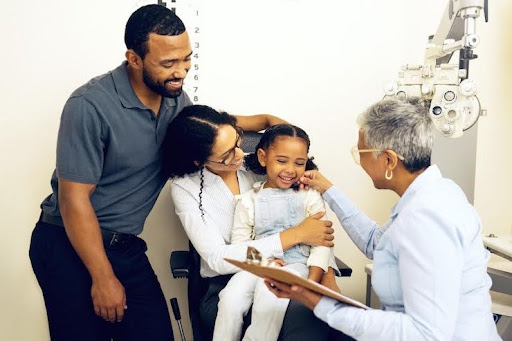
Being prepared makes the appointment more productive. Information about previous prescriptions, family history, screen habits, outdoor activity, and past eye exams helps the doctor understand your child’s needs. During a myopia management exam for kids, these details guide treatment discussions, monitoring schedules, and long-term expectations.
What Parents Should Bring to the Appointment
Parents should bring their child’s current glasses, any backup pairs, and contact lenses if they are already being used. Previous prescription records are especially valuable because they help show how vision has changed over time. Myopia management Houston providers often look closely at progression patterns rather than focusing only on the prescription measured during a single appointment. Even records from one or two years ago can provide useful insight into how quickly the child’s vision is changing.
If your child has received eye care elsewhere, bring copies of previous exam records or photographs of prescription information if available. Details about allergies, medications, dry eye symptoms, eye injuries, or past contact lens experiences can also be important. Sometimes information that seems minor to parents can influence which treatment options are the safest and most practical.
Parents should also be prepared to discuss daily habits. This includes screen time, reading routines, outdoor activity, working distance when using books or tablets, and any complaints about blurry distance vision, headaches, eye strain, or difficulty seeing the classroom board. Understanding what to bring to myopia appointment discussions helps the doctor connect prescription findings with everyday visual demands and lifestyle factors that may influence progression.
How to Explain Symptoms and Vision Changes
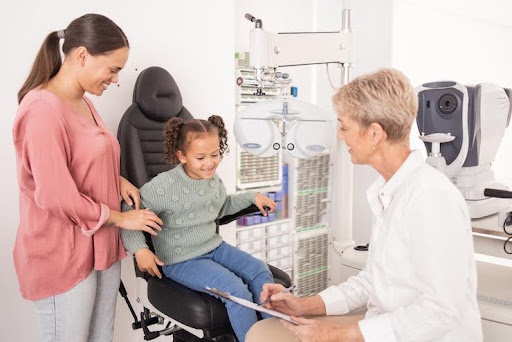
Before the child myopia consultation, it helps to think about when vision changes first became noticeable. Did your child begin squinting at distant signs, moving closer to the television, struggling to see classroom presentations, or needing stronger glasses more frequently? These observations provide useful context and help the doctor understand how nearsightedness is affecting daily activities both inside and outside school.
Parents should also explain whether changes appeared gradually or seemed to happen more suddenly. Some children openly report blurry distance vision, while others compensate quietly by avoiding certain activities or sitting closer to visual targets.
A clear symptom history allows the doctor to compare prescription changes with daily experiences and recommend myopia management options that match the child’s actual needs. Understanding how symptoms developed often makes treatment discussions more meaningful and easier for families to follow.
Parents should not feel pressured to arrive with every document, record, or exact date. The purpose of the first myopia management consultation is to gather useful information, not achieve perfection. Even approximate timelines can be valuable. Knowing when glasses were first prescribed, how frequently prescriptions have changed, and whether close relatives developed myopia at a young age can provide meaningful insight during the evaluation process.
It is also helpful to write down the concerns that motivated the appointment. Some parents worry because prescriptions seem to be changing quickly. Others are concerned about long-term eye health, treatment safety, screen habits, or whether their child is old enough for certain myopia management options. Bringing these concerns to the appointment helps ensure the discussion addresses the family’s priorities rather than focusing only on general information. A written list of questions often makes parents feel more confident and organized throughout the consultation process.
Questions Parents Should Ask the Doctor
Parents should ask whether their child’s myopia appears stable, mild, moderate, or progressing more quickly than expected. They should also ask how progression will be monitored over time and which measurements are most important. Depending on the practice, this may include prescription changes, axial length measurements, corneal evaluations, visual performance, and overall treatment response. Understanding these benchmarks helps families better follow the child’s progress.
It is equally important to discuss which treatment options are appropriate and why. During a myopia management exam for kids, possible recommendations may include orthokeratology lenses, soft multifocal contacts, myopia-control glasses, atropine drops, lifestyle adjustments, or a combination approach. Parents should ask about expected benefits, treatment responsibilities, safety considerations, follow-up schedules, and what alternatives may be available if the first recommendation does not prove to be the best long-term fit.
Ask About Realistic Expectations and Follow-Up
Myopia management is designed to slow progression rather than completely eliminate or reverse nearsightedness. Parents should ask what realistic success may look like for their child and how progress or stability will be measured throughout treatment. Understanding these goals early helps create appropriate expectations and reduces confusion.
Follow-up schedules are equally important. Some treatment options, including contact lens-based approaches or atropine therapy, may require closer observation during the early stages. Knowing how often visits are needed allows families to plan ahead and stay consistent with recommended care.
Myopia management is designed to slow progression rather than completely eliminate or reverse nearsightedness. Parents should ask what realistic success may look like for their child and how progress or stability will be measured throughout treatment. Understanding these goals early helps create appropriate expectations and reduces confusion.
Follow-up schedules are equally important. Some treatment options, including contact lens-based approaches or atropine therapy, may require closer observation during the early stages. Knowing how often visits are needed allows families to plan ahead and stay consistent with recommended care.

Parents should also ask when to contact the office between appointments. Changes in vision, discomfort, redness, lens concerns, or treatment compliance issues should be discussed promptly. Clear guidance makes long-term myopia management easier and more effective.
Helping Your Child Feel Comfortable Before the Visit
Preparing your child emotionally can be just as important as gathering records and paperwork before a myopia management consultation. Some children may feel nervous because they assume an eye appointment means something is wrong. Parents can explain that the visit is simply a way to understand how their eyes are developing and help them maintain comfortable vision for school, sports, reading, and everyday activities. A calm and positive explanation can help children feel more relaxed and cooperative during testing.
It can also help to explain that the doctor may ask questions about school performance, reading habits, screen use, outdoor activities, and whether distant objects ever appear blurry. Children should understand that there are no right or wrong answers. Honest responses allow the doctor to better understand their lifestyle, visual needs, and daily challenges, helping create a more suitable treatment plan.
Families should view the consultation as the beginning of a long-term partnership rather than a single decision point. Myopia management often works best when parents understand available treatment options, follow-up expectations, and home responsibilities before starting care. A prepared family can compare recommendations more confidently and make informed decisions about their child’s eye health.
This preparation also allows parents to ask better myopia control questions for parents and helps children feel more involved in the process. When children understand their role and receive support from their family, adjusting to new routines becomes easier. Consistent communication, realistic expectations, and active participation can improve treatment consistency and create a more positive experience throughout long-term myopia care.
Parent Questions About Myopia Treatment Responsibilities
Parents should ask what responsibilities will be required at home if myopia treatment begins. Some treatment options may involve nightly contact lens wear, daily eye drops, specialized cleaning routines, or consistent use of prescription eyewear. Understanding these expectations before starting helps families select an approach that fits their schedule, lifestyle, and ability to maintain care consistently.
It is also important to discuss how much responsibility should be placed on the child during treatment. Younger children often need more parental involvement,while older children may manage certain parts of the routine independently. Knowing the appropriate level of supervision helps establish realistic expectations and encourages better cooperation.
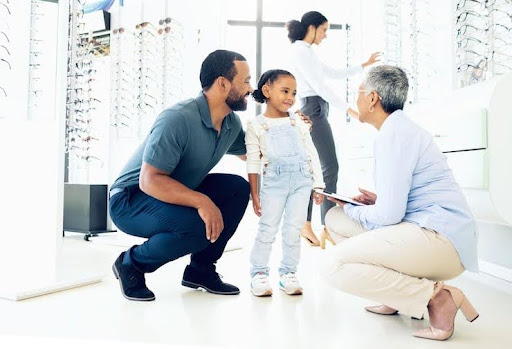
Parents should ask what responsibilities will be required at home if myopia treatment begins. Some treatment options may involve nightly contact lens wear, daily eye drops, specialized cleaning routines, or consistent use of prescription eyewear. Understanding these expectations before starting helps families select an approach that fits their schedule, lifestyle, and ability to maintain care consistently.
It is also important to discuss how much responsibility should be placed on the child during treatment. Younger children often need more parental involvement, while older children may manage certain parts of the routine independently. Knowing the appropriate level of supervision helps establish realistic expectations and encourages better cooperation.
Parents should also ask what to do if maintaining the routine becomes challenging. Many myopia management plans can be adjusted when necessary. Open communication about difficulties allows doctors to provide better guidance and create a practical plan that supports long-term treatment success.
Your Next Step Before the Consultation
Before your child’s appointment, gather current glasses, previous prescriptions, school notes about vision concerns, family history of nearsightedness, and information about screen use and outdoor habits. Take time to write down the questions you want answered most. This preparation helps the first myopia management consultation feel organized, focused, and less overwhelming for both parents and children. It also allows the doctor to better understand your child’s vision history and daily routines.
If your child’s prescription is changing or you have concerns about long-term vision development, Kleinwood Vision can provide a detailed pediatric eye exam and myopia management Houston evaluation tailored to your child’s needs. A prepared first visit creates a stronger foundation for treatment decisions and helps families move forward with confidence. Contact Kleinwood Vision to schedule your consultation and learn more about protecting your child’s vision.
Contact Info
Hours of Operation
Mon - Fri | 9:00 AM - 5:00 PM
Sat - Sun | Closed
Holiday Hours: We are closed for the following holidays: New Years Day, Memorial Day, Independence Day, Labor Day, Thanksgiving Day, Christmas Day
The information provided on this website is for general informational purposes only and does not constitute professional medical advice, diagnosis, or treatment. Always seek the guidance of a licensed eye care professional or qualified health provider with any questions you may have regarding a medical condition or vision concern. Results from eye care services may vary by individual.
© 2026 Kleinwood Vision. All rights Reserved.