
Eye Exams
Pre-Op Cataract Eye Exam Checklist

FSDAVCFEBFEVSDDVFSD

FSDAVCFEBFEVSDDVFSD

FSDAVCFEBFEVSDDVFSD
Why Pre-Op Exams Matter
A pre-op eye exam cataract surgery visit does far more than confirm that a cataract is present. It creates the foundation for a safe procedure and predictable visual results. During a cataract surgery evaluation, doctors collect precise data that determines lens power, alignment, and whether advanced options are appropriate. Skipping steps or rushing measurements increases the risk of residual blur, glare, or unmet expectations after surgery.
These exams also uncover conditions that may affect outcomes, including dry eye, macular changes, or corneal irregularities. Identifying concerns early allows treatment or planning adjustments before surgery. A thorough eye exam before cataract surgery gives patients clarity about what to expect while allowing surgeons to personalize care for long-term visual confidence.
A pre-op eye exam cataract surgery visit does far more than confirm that a cataract is present. It creates the foundation for a safe procedure and predictable visual results. During a cataract surgery evaluation, doctors collect precise data that determines lens power, alignment, and whether advanced options are appropriate. Skipping steps or rushing measurements increases the risk of residual blur, glare, or unmet expectations after surgery.
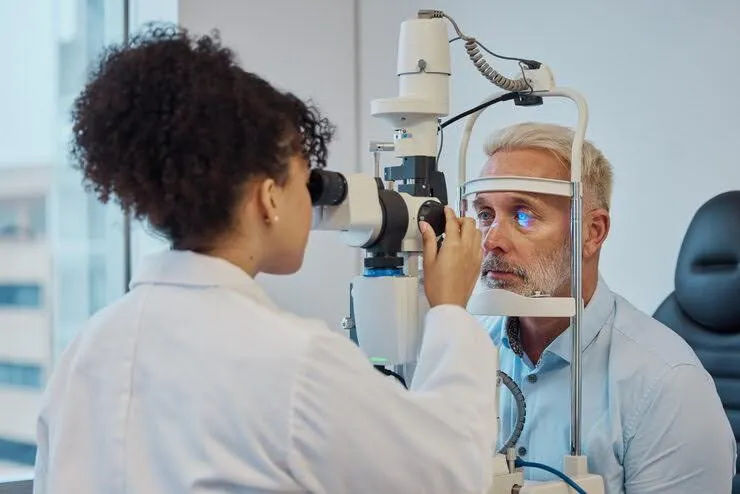
These exams also uncover conditions that may affect outcomes, including dry eye, macular changes, or corneal irregularities. Identifying concerns early allows treatment or planning adjustments before surgery. A thorough eye exam before cataract surgery gives patients clarity about what to expect while allowing surgeons to personalize care for long-term visual confidence.
Tests Included in a Cataract Evaluation
A cataract surgery evaluation includes several coordinated tests that work together to create a complete picture of eye health and visual needs. Visual acuity testing measures current clarity of vision, while refraction evaluates how the eye focuses light at different distances. Corneal measurements assess the surface shape and curvature of the eye, helping identify astigmatism that may influence surgical planning, lens options, and expected visual outcomes after cataract surgery.
Optical biometry plays a central role in this process by calculating eye length, depth, and other critical dimensions. These eye measurements cataract specialists rely on are essential for determining intraocular lens power with a high degree of accuracy. Corneal topography provides a detailed map of the eye’s surface, allowing surgeons to plan precise alignment for toric lenses when astigmatism correction is required.
Dilated retinal exams evaluate the macula and optic nerve to rule out underlying conditions that could limit vision improvement after surgery. Tear film testing is also an important part of the cataract surgery evaluation, as dry eye can distort measurements if not addressed beforehand. Together, these steps support safe surgery and precise intraocular lens selection tailored to each patient’s unique visual needs.
Preparing for Your Upcoming Appointment

Preparing ahead of time helps ensure testing reflects your natural vision and provides the most accurate results possible. Patients should bring current glasses, contact lens details, medication lists, and any prior eye records if available. Contact lens wearers are often asked to stop wearing lenses days or weeks before testing so the cornea can return to its natural shape, allowing measurements to be precise and reliable for clinical evaluation.
Because dilation is commonly part of a comprehensive eye exam Houston patients receive, arranging transportation in advance is strongly recommended.
Vision may remain blurry or light-sensitive for several hours following the appointment, making driving difficult. Writing down visual priorities—such as reading, night driving, or computer use—can help guide discussions with the eye doctor. This preparation ensures the appointment feels organized, focused, and productive while supporting accurate testing and informed care decisions.
Following preparation instructions closely helps prevent delays and ensures testing produces accurate, reliable results. Skipping contact lens holidays or addressing dryness too late can interfere with measurements, which may require repeat testing or even rescheduling the appointment. Many clinics provide detailed checklists before the visit, and taking time to review them carefully helps patients arrive fully prepared. This attention to preparation reduces last-minute issues, prevents unnecessary stress, and supports a smoother, more efficient visit for both patients and clinical staff.
Patients who ask questions and understand each step of the process tend to feel calmer and more confident during their appointment. Knowing why each test is performed transforms the experience from overwhelming to empowering. Clear communication helps patients feel informed and involved, making the surgical process feel organized and predictable from the very beginning. This understanding builds trust, encourages cooperation, and supports better decision-making throughout the overall care journey.
Lens Choices and Visual Goals
Pre-op exams support meaningful conversations about lens options, including monofocal, toric, and multifocal designs. Detailed measurements help determine candidacy for each lens type, while discussions about daily activities clarify visual priorities such as near work, night driving, or reducing dependence on glasses. Accurate testing ensures recommendations are based on eye health and functional needs, not guesswork, allowing patients to understand which options best match their vision goals.
Understanding trade-offs early helps prevent disappointment after surgery. Some lenses prioritize distance clarity, while others balance near and far vision. Your doctor uses pre-op exam findings to guide intraocular lens selection that aligns with both eye anatomy and lifestyle preferences. This personalized approach helps patients feel informed, confident, and comfortable with their surgical choices and expected visual outcomes.
Red Flags Found Before Surgery
Pre-operative testing can sometimes reveal conditions that require attention before surgery. Untreated dry eye, corneal irregularities, or retinal disease may affect measurements or visual outcomes if not addressed. Identifying these issues early helps protect long-term results and reduces the risk of unexpected complications after surgery.
Not every finding delays the procedure. Some conditions simply adjust expectations rather than timelines. When patients understand potential limitations in advance, they feel better prepared, less anxious, and more confident in their care.Clear explanations help them anticipate how their vision may be affected and what steps are being taken to optimize results.
Pre-operative testing can sometimes reveal conditions that require attention before surgery. Untreated dry eye, corneal irregularities, or retinal disease may affect measurements or visual outcomes if not addressed. Identifying these issues early helps protect long-term results and reduces the risk of unexpected complications after surgery.
Not every finding delays the procedure. Some conditions simply adjust expectations rather than timelines. When patients understand potential limitations in advance, they feel better prepared, less anxious, and more confident in their care.Clear explanations help them anticipate how their vision may be affected and what steps are being taken to optimize results.

Open communication about these findings allows patients to plan emotionally and logistically. Transparency builds trust and reinforces that careful preparation supports safer surgery and clearer vision, enhancing confidence throughout the surgical journey.
Timeline From Exam to Surgery Day
Most patients complete pre-op testing several weeks before surgery. This window provides enough time for lens ordering, finalizing calculations, and optimizing eye health. If conditions such as dryness, inflammation, or other ocular issues are present, treatment can begin immediately to stabilize the eyes and ensure accurate measurements before final confirmation. Addressing these factors early supports precise results and helps protect long-term visual outcomes. Pre-op testing is not just a formality—it is a critical step that ensures the surgical plan is tailored to each patient’s unique needs.
Additional visits may be scheduled if measurements change or treatments are initiated. These follow-ups are intentional and focus on ensuring accuracy rather than speeding through the process. Each step is designed to safeguard results, reduce the likelihood of post-surgical adjustments, and give patients confidence that their care is thorough and precise. Regular monitoring allows the surgical team to make adjustments if necessary, maintaining a clear path toward successful surgery and recovery.
Clear communication between visits keeps the process smooth and organized. Patients are informed about next steps, medication timing, and what to expect leading up to surgery day. Being well-prepared helps patients feel in control and reduces the uncertainty that can accompany surgical planning.
Understanding the timeline for pre-op testing and treatments also reduces anxiety. When patients know what comes next and why each step is important, the journey from evaluation to recovery feels structured, calm, and well supported. This clarity fosters trust, empowers patients, and ensures a safer, more predictable cataract surgery experience.
Common Questions Patients Ask Before Surgery
Patients often ask whether both eyes are tested during the evaluation. Yes—each eye is measured independently to ensure accuracy, even if surgery is planned for one eye at a time. The exam typically takes longer than a routine visit because of the number of detailed tests involved, ensuring precise measurements for optimal surgical outcomes.
Another frequent question is whether glasses will still be needed. The answer depends on lens choice, eye health, and visual goals discussed during the exam. These discussions are key to setting realistic expectations and helping patients understand how their vision may change after surgery.

Patients often ask whether both eyes are tested during the evaluation. Yes—each eye is measured independently to ensure accuracy, even if surgery is planned for one eye at a time. The exam typically takes longer than a routine visit because of the number of detailed tests involved, ensuring precise measurements for optimal surgical outcomes.
Another frequent question is whether glasses will still be needed. The answer depends on lens choice, eye health, and visual goals discussed during the exam. These discussions are key to setting realistic expectations and helping patients understand how their vision may change after surgery.
Patients also commonly ask about costs, insurance coverage, and follow-up schedules. Providing clear answers helps patients and families plan confidently and feel informed at every stage of care. Understanding these details supports a smoother, less stressful experience from pre-op testing through recovery.
Preparing for Surgery: Your Action Plan
Follow preparation instructions closely, manage dryness early, and communicate your visual goals clearly. Bringing questions, notes, and support to your appointment can help ensure a smooth, productive visit. Understanding each step of the process allows patients to feel calm, informed, and confident throughout their evaluation. Being prepared helps the clinical team obtain accurate measurements and tailor recommendations to your unique needs, setting the stage for the best possible outcomes.
A complete pre-op evaluation provides the foundation for safe surgery and satisfying results. Personalized guidance from your eye care team ensures every detail—from testing to lens selection—is carefully considered. For personalized guidance or to schedule your cataract surgery evaluation, contact us at Kleinwood Vision to begin your journey toward clearer, more confident vision. Taking these steps early supports a smoother surgical experience and helps patients achieve their vision goals with confidence.
Contact Info
Hours of Operation
Mon - Fri | 9:00 AM - 5:00 PM
Sat - Sun | Closed
Holiday Hours: We are closed for the following holidays: New Years Day, Memorial Day, Independence Day, Labor Day, Thanksgiving Day, Christmas Day
The information provided on this website is for general informational purposes only and does not constitute professional medical advice, diagnosis, or treatment. Always seek the guidance of a licensed eye care professional or qualified health provider with any questions you may have regarding a medical condition or vision concern. Results from eye care services may vary by individual.
© 2026 Kleinwood Vision. All rights Reserved.