
Pediatric Care
Pediatric Dilation: What to Expect

FSDAVCFEBFEVSDDVFSD

FSDAVCFEBFEVSDDVFSD

FSDAVCFEBFEVSDDVFSD
How Eye Dilation Benefits Children’s Vision
Dilation lets us examine the retina, optic nerve, and blood vessels clearly during a dilated retinal exam child. It also relaxes the focusing system so we can perform accurate cycloplegic refraction children—the gold standard for measuring true prescription. Strong focus can mask farsightedness or convergence problems that affect reading and classroom stamina.
With pediatric eye dilation, we detect hidden issues early, guide Pediatric Eye Exams and Comprehensive Eye Exams, and decide on glasses, myopia-control options, or simple monitoring. Clear baselines reduce guesswork, especially for younger children who can’t describe symptoms well. Families leave with confident plans, timing for rechecks, and tips for school days after drops.
Dilation lets us examine the retina, optic nerve, and blood vessels clearly during a dilated retinal exam child. It also relaxes the focusing system so we can perform accurate cycloplegic refraction children—the gold standard for measuring true prescription. Strong focus can mask farsightedness or convergence problems that affect reading and classroom stamina.

With pediatric eye dilation, we detect hidden issues early, guide Pediatric Eye Exams and Comprehensive Eye Exams, and decide on glasses, myopia-control options, or simple monitoring. Clear baselines reduce guesswork, especially for younger children who can’t describe symptoms well. Families leave with confident plans, timing for rechecks, and tips for school days after drops.
What the Visit Looks Like
Friendly technicians begin by introducing your child to the eye exam drops, explaining their purpose, and letting them practice with a sample bottle. Most children experience a brief cool sensation or mild sting as the pupils begin to widen over 20–30 minutes. We adjust room lighting for comfort and walk families through each step so the process feels calm and predictable, helping children feel safe and in control.
While the pupils dilate, children can play quiet games, share their health history, and undergo basic vision checks. The optometrist then examines the back of the eye with gentle lights and lenses, thoroughly inspecting the retina and optic nerve. Prescription measurements are taken “off duty” for accuracy, ensuring precise vision assessment without rushing the child.
After the exam, your Houston pediatric optometrist explains the results in plain language. Any need for glasses or myopia-control options is discussed, along with a school note if near vision may remain blurry for a few hours. Families receive clear home guidance, what signs to monitor, and recommendations for follow-up visits, ensuring children leave the office comfortable, informed, and ready for healthy vision care.
Family Tips for a Comfortable Visit
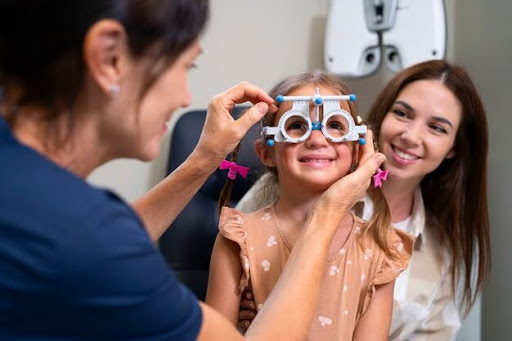
Prepare for Bright Light: Bring sunglasses or a brimmed hat, as dilated pupils make daylight feel extra bright. Plan calm activities for a few hours after the exam and enlarge text on devices to ease reading. Temporary blur is normal; lowering brightness and increasing contrast helps. At home, practice simple “look up, look down” exercises so using drops feels familiar and less startling.
Comfort and Reassurance: Offer a favorite snack or small reward after drops to reinforce bravery. Pack water and tissues, and remind children that light sensitivity will fade soon.
For anxious kids, agree on a countdown and a clear “all done” signal. Gentle reminders, consistent routines, and positive reinforcement make the experience predictable. These steps help children feel safe, confident, and calm, while parents can manage post-dilation care efficiently, making pediatric eye exams smoother and more comfortable for the whole family.
When to Seek Help: If your child experiences pain, persistent redness, discharge, or headaches after dilation, call us promptly. These reactions are uncommon but worth checking to ensure safety. Be sure to share any medication allergies before the visit so we can plan appropriately. If your child has sensory sensitivities, inform us in advance. We can dim lights further, slow the pacing of the exam, or demonstrate each step on a parent first to make the experience calmer and more predictable.
School and Follow-Up Support: Ask for a school note explaining temporary light sensitivity and near blur. This allows teachers to adjust seating, lighting, or reading tasks the same day, keeping your child engaged and comfortable while the drops wear off. Clear communication between home, school, and our clinic ensures a smooth transition after the exam. For questions, concerns, or quick guidance, contact us at Kleinwood Vision. Our team is dedicated to supporting your child’s vision health while maintaining comfort, safety, and learning continuity during and after pediatric eye exams.
Using Exam Results to Guide Care
Personalized Eye Care Plans: Accurate refraction combined with a healthy retinal view forms the foundation of a personalized plan. This ensures the right glasses strength, determines myopia-control eligibility, and identifies whether additional tests are needed. Establishing a true baseline allows our team to track trends confidently, rather than guessing around strong focusing demands, providing families with reliable guidance for their child’s vision health.
Clear Next Steps: After a comprehensive eye exam, families receive clear instructions and timelines. If concerns arise—such as reading fatigue, headaches, or distance blur—we can determine whether lenses need adjustment, myopia strategies should be considered, or simply schedule a follow-up recheck. This approach ensures care is proactive, data-driven, and tailored to each child, helping maintain optimal vision while preventing unnecessary strain or uncertainty.
Preparation, Visit, and Post-Exam Care
Before the Exam: Pack sunglasses, water, and a favorite toy or book to keep your child comfortable. Charge a device with larger text ready to make reading easier during light-sensitive periods. Preparing ahead helps the visit feel predictable and calm.
During the Exam: Encourage stillness with short prompts and praise cooperation. Our team guides every step of the process, ensuring the room stays comfortable. Clear communication and gentle reassurance help your child feel safe throughout the exam.
Before the Exam: Pack sunglasses, water, and a favorite toy or book to keep your child comfortable. Charge a device with larger text ready to make reading easier during light-sensitive periods. Preparing ahead helps the visit feel predictable and calm.
During the Exam: Encourage stillness with short prompts and praise cooperation. Our team guides every step of the process, ensuring the room stays comfortable. Clear communication and gentle reassurance help your child feel safe throughout the exam.
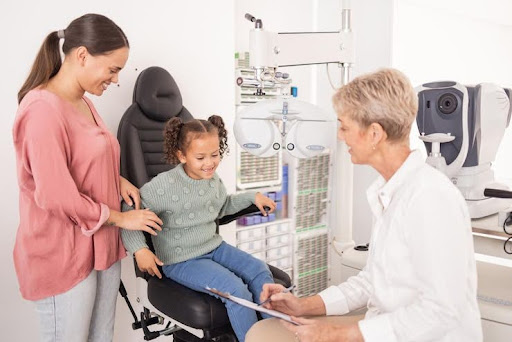
After the Exam: Dim lights indoors, enlarge text on devices, and plan shaded outdoor play until brightness feels normal again. Most kids resume their usual routines later the same day. Following these steps supports comfort and allows Pediatric Eye Exams to be a positive, manageable experience for both children and families.
Scheduling, Safety, and Follow-Up Care
Dilation Timing: Dilation timing varies depending on the formula used and your child’s eye color. First visits often require extra time, as deeper relaxation of focusing muscles may be needed for an accurate exam. Your doctor carefully selects child-appropriate drops and dosages, balancing comfort with diagnostic precision. Most children experience temporary light sensitivity or near blur, which typically resolves within a few hours, allowing regular activities to resume without issue. Proper timing ensures a thorough evaluation of the retina and optic nerve, setting a solid baseline for future care.
Managing Side Effects: Side effects from dilation are usually mild and brief. It’s important to share any history of migraines, medication sensitivities, or prior reactions so the exam can be safely tailored. We provide sunglasses and guidance if your child is bothered by bright light, and some children may nap on the way home. Preparing your child with familiar routines and reassurance helps reduce anxiety and keeps the process smooth.
Follow-Up Cadence: Follow-up visits depend on age, eye health, and exam findings. Routine Comprehensive Eye Exams are typically scheduled annually, while children with myopia or other developing conditions may need more frequent check-ins. Targeted reviews are arranged if small retinal changes require monitoring. This structured approach ensures trends are tracked accurately over time.
Special Needs Considerations: If your child has sensory sensitivities, sharing preferences and successful routines allows us to adjust lighting, pacing, and language for comfort. With careful planning and clear instructions, families find pediatric dilation exams straightforward and informative, providing valuable insights for long-term eye health and vision management.
Parent FAQs About Dilation Visits
Will my child see the board after? Distance vision is usually fine, but near tasks like reading or homework may blur for a few hours. This is normal as the eyes adjust after dilation.
How long do drops last? Effects generally last a few hours, sometimes longer in lighter-colored eyes. Your pediatric eye doctor will guide you on what to expect and how to plan activities. Is it safe? Yes—drops are carefully dosed for children and monitored during the exam. Can we skip dilation? Not if a full health check or exact prescription is needed, since skipping may miss important findings.
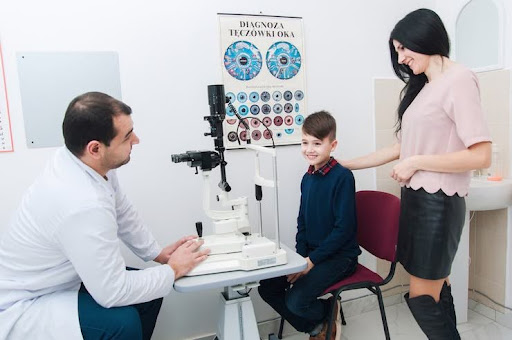
Will my child see the board after? Distance vision is usually fine, but near tasks like reading or homework may blur for a few hours. This is normal as the eyes adjust after dilation.
How long do drops last? Effects generally last a few hours, sometimes longer in lighter-colored eyes. Your pediatric eye doctor will guide you on what to expect and how to plan activities. Is it safe? Yes—drops are carefully dosed for children and monitored during the exam. Can we skip dilation? Not if a full health check or exact prescription is needed, since skipping may miss important findings.
Sports later? Plan lighter practice or rest until vision and light sensitivity normalize. Following these steps ensures your child’s exam is safe, comfortable, and informative. Clear guidance allows families to support their child, protect vision, and maintain confidence in long-term eye health.
Pediatric Eye Exam: Smooth-Visit Checklist
Schedule your child’s dilation visit wisely. Bring sunglasses or a brimmed hat, plan mellow after-school time, and expect a short blur period. Practice simple eye-movement games beforehand to help your child handle the drops quickly and with confidence. Keep our number handy for questions or concerns—just contact us anytime. Pediatric-focused care and clear explanations ensure comfort, safety, and trust during every step of the visit.
The payoff is meaningful: clearer answers, earlier detection, and confident plans from your Houston pediatric optometrist. Thoughtful Pediatric Eye Exams at Kleinwood Vision establish strong baselines that guide healthy vision through every growth stage. Families appreciate calmer appointments, better understanding, and reassurance that their child’s eyes are cared for with precision and compassion. With the right preparation and communication, each exam becomes a smooth, informative experience that supports lifelong eye health.
Contact Info
Hours of Operation
Mon - Fri | 9:00 AM - 5:00 PM
Sat - Sun | Closed
Holiday Hours: We are closed for the following holidays: New Years Day, Memorial Day, Independence Day, Labor Day, Thanksgiving Day, Christmas Day
The information provided on this website is for general informational purposes only and does not constitute professional medical advice, diagnosis, or treatment. Always seek the guidance of a licensed eye care professional or qualified health provider with any questions you may have regarding a medical condition or vision concern. Results from eye care services may vary by individual.
© 2026 Kleinwood Vision. All rights Reserved.