
Ortho-K Care
Ortho-K Lens Materials and Oxygen Flow

FSDAVCFEBFEVSDDVFSD
FSDAVCFEBFEVSDDVFSD
FSDAVCFEBFEVSDDVFSD
Why Oxygen Matters Overnight
During sleep, blinking slows and tear exchange decreases, limiting oxygen just as the cornea reshapes. That’s why high Dk lens material, precise center thickness, and smooth surface wetting are vital for overnight lens safety. These features protect the corneal health Ortho-K is designed to maintain while ensuring clear morning vision for school and sports.
Safe habits strengthen lens performance. Always use approved solutions, keep cases clean and dry, and follow consistent bed/wake schedules. Your Houston myopia specialist will balance fit, design, and sleep habits to improve vision safely. Families in our myopia management program get clear instructions, easy routines, and fast support—just contact us with any concern.
During sleep, blinking slows and tear exchange decreases, limiting oxygen just as the cornea reshapes. That’s why high Dk lens material, precise center thickness, and smooth surface wetting are vital for overnight lens safety. These features protect the corneal health Ortho-K is designed to maintain while ensuring clear morning vision for school and sports.
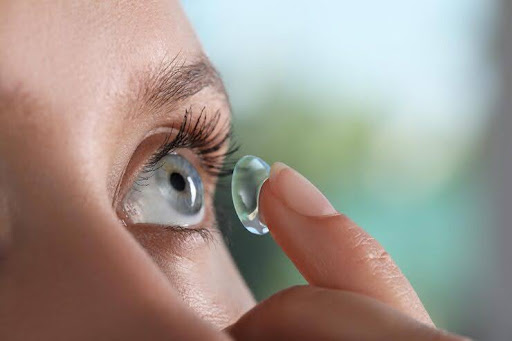
Safe habits strengthen lens performance. Always use approved solutions, keep cases clean and dry, and follow consistent bed/wake schedules. Your Houston myopia specialist will balance fit, design, and sleep habits to improve vision safely. Families in our myopia management program get clear instructions, easy routines, and fast support—just contact us with any concern.
Material, Design, and Real-World Safety
High Dk contacts allow more oxygen to flow through the lens, reducing hypoxia risk while the eyes reshape overnight. But Dk isn’t the only factor. Center thickness, edge lift, reverse-curve depth, and surface quality all influence both clarity and corneal physiology. Your clinician combines high Dk lens material with a design that achieves your clarity goals without starving the cornea—especially important for longer sleep windows, ensuring overnight lens safety and effective Myopia Management.
Daily habits are just as critical as lens specifications. Never use tap water; rely only on clinic-approved cleaner, conditioner, and sterile saline. Replace cases regularly and discard expired solutions. Keep a steady bedtime so lens insertion isn’t rushed; hurried routines can trap bubbles, reduce tear exchange, and compromise both comfort and corneal health Ortho-K aims to protect.
Follow-ups track topography maps, corneal integrity, and comfort trends. If hypoxia signs appear—morning haze, rebound redness, or reduced wear—adjustments may include thinner center thickness, modified edge lift, upgraded Dk, or altered reverse curve. These data-led refinements maintain corneal health, safeguard long-term outcomes, and integrate with Pediatric Eye Exams and Comprehensive Eye Exams, keeping vision safe and effective.
Spotting Signs That Demand Attention

Watch for persistent morning blur beyond the first hour, new light sensitivity, localized sector redness, or steadily decreasing wear time. Track context carefully: fewer sleep hours, later insertions, different products, seasonal allergies, or recent illness. Note when symptoms start and whether they repeat across consecutive mornings; identifying patterns is faster and more reliable than relying on single episodes, helping pinpoint the cause and protect corneal health during Ortho-K treatment.
If symptoms repeat, call the clinic promptly. Bring lenses, cases, and all solutions in use so we can confirm material, check fit, verify routines, and rule out product mix-ups or deposits.
Clear documentation allows your Houston myopia specialist to decide whether to adjust Dk lens material, modify parameters, or add surface care, keeping myopia management safe, effective, and predictable while supporting consistent Pediatric Eye Exams and Comprehensive Eye Exams.
Families can reduce risk with small, consistent habits. Keep nails trimmed to avoid edge nicks, use lint-free towels that don’t shed, and replace cases monthly to prevent biofilm buildup. In dry environments, consider a humidifier or clinic-approved lubricating drops before insertion to improve surface wetting and reduce bubble formation. These simple tweaks enhance overnight lens safety while keeping routines straightforward, supporting both comfort and corneal health Ortho-K aims to maintain.
After colds, flu, or severe allergy flares, schedule a quick re-check before resuming full overnight wear. Illness can temporarily alter the ocular surface, affecting tear quality and comfort. Brief pauses under clinician guidance often prevent larger setbacks. Most issues resolve with basic adjustments: verified solutions, improved drying techniques, and earlier insertions to avoid rushed routines. These steps protect long-term results within Pediatric Eye Exams, Comprehensive Eye Exams, and ongoing Myopia Management.
Matching Material to the Child
Younger children who sleep longer often benefit from higher Dk materials combined with careful edge profiles that support tear exchange without compromising centration. Active teens may prioritize durability and handling, accepting modest center thickness differences as long as corneal physiology remains healthy. Your clinician balances clarity, oxygen delivery, and lifestyle factors to select the safest, most comfortable Ortho-K approach for each child.
If adaptation stalls—signs like variable morning clarity, rebound redness, or decentration—parameters can be refined, including reverse-curve depth, edge lift, or center thickness. Sometimes upgrading to higher Dk lens material improves physiology without sacrificing vision. Parents receive a clear explanation for every adjustment and are encouraged to contact us between visits for questions, supporting safe, effective Myopia Management under Pediatric Eye Exams and Comprehensive Eye Exams.
Daily Habits That Protect Oxygen
Insert Ortho-K lenses early to avoid rushed routines and bubble traps. A slow, centered insertion with fresh sterile saline supports smooth wetting and better morning clarity, while consistent bedtimes help maintain effective oxygen management and healthy corneal physiology.
Use only approved cleaner, conditioner, and sterile saline. Replace towels weekly and check solution expirations. Never rinse lenses or cases with tap water, as this can destabilize surfaces and increase infection risk. These pediatric Ortho-K hygiene steps keep lens surfaces stable and predictable.
Insert Ortho-K lenses early to avoid rushed routines and bubble traps. A slow, centered insertion with fresh sterile saline supports smooth wetting and better morning clarity, while consistent bedtimes help maintain effective oxygen management and healthy corneal physiology.
Use only approved cleaner, conditioner, and sterile saline. Replace towels weekly and check solution expirations. Never rinse lenses or cases with tap water, as this can destabilize surfaces and increase infection risk. These pediatric Ortho-K hygiene steps keep lens surfaces stable and predictable.
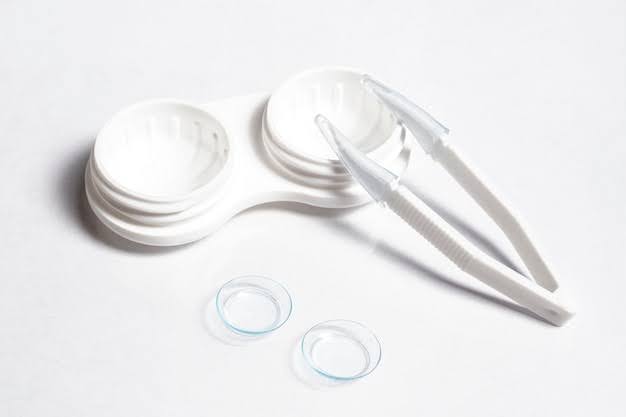
In the morning, remove lenses gently, rub and rinse per instructions, and dry cases upside-down on a clean tissue. This simple clean-and-dry routine preserves corneal health Ortho-K depends on, prevents biofilm, and supports long-term comfort, clarity, and safe Myopia Management under Pediatric Eye Exams and Comprehensive Eye Exams.
Checkpoints, Tapers, and Vision Adjustments
Schedule a 6–8 week check after any change—whether in lens material, parameters, or routine—to confirm clarity, centration, and corneal health. During these visits, we review topography maps, comfort logs, and solution brands to ensure chemistry matches lens surfaces. Data, not guesswork, drives each decision, keeping overnight lens safety and predictable Myopia Management outcomes front-and-center. Families should bring logs of sleep, lens wear, and any deviations so patterns can be accurately assessed.
If signs of hypoxia appear—morning haze, rebound redness, or reduced wear time—temporarily reduce nights of wear, add surface-care steps, and consider adjustments to center thickness, edge lift, or reverse-curve depth under clinician supervision. Sometimes the safest intervention is upgrading to higher Dk lens material. We retest after any intervention to confirm recovery before resuming the usual schedule, preserving corneal health, comfort, and long-term results.
During exam seasons, travel, or illness, prioritize safety over streaks. Skipping a night is better than forcing wear while tired or rushed. Log any deviations, including late insertion, short sleep, or exposure to dry indoor environments. These details help clinicians connect patterns and maintain consistency. Small, timely corrections maintain comfort, clarity, and effective Myopia Management outcomes within Pediatric Eye Exams and Comprehensive Eye Exams.
Document triggers that prompt action and set a reassessment date. Once stability is confirmed across multiple intervals, trial small tapers (e.g., alternate-night wear) with clear revert rules. If clarity dips or redness returns, revert immediately and contact the clinic. This coordinated, data-driven approach ensures care remains safe, predictable, and tailored to each child’s growth and lifestyle.
Parent FAQs About Dk & Safety
Is higher Dk always better? Usually, but lens design and center thickness are equally important. The optimal choice balances oxygen delivery, centration, and clarity. Switching solutions to save money is only safe with clinic-approved products, as chemistry differences can affect lens surfaces and overnight comfort.
Morning haze often worsens after late nights due to less sleep, rushed insertion, and trapped bubbles that reduce tear exchange. Aim for calm, earlier insertions to support overnight lens safety. Lens lifespan varies with material, design, and proper care, so bring lenses to follow-ups for surface checks, fit review, and guidance from your Houston myopia specialist.

Is higher Dk always better? Usually, but lens design and center thickness are equally important. The optimal choice balances oxygen delivery, centration, and clarity. Switching solutions to save money is only safe with clinic-approved products, as chemistry differences can affect lens surfaces and overnight comfort.
Morning haze often worsens after late nights due to less sleep, rushed insertion, and trapped bubbles that reduce tear exchange. Aim for calm, earlier insertions to support overnight lens safety. Lens lifespan varies with material, design, and proper care, so bring lenses to follow-ups for surface checks, fit review, and guidance from your Houston myopia specialist.
If symptoms return during busy weeks, prioritize rest, verify solutions, and contact the clinic. Temporary schedule adjustments and coaching typically restore comfort quickly. Clear logs and timely communication help maintain predictable Myopia Management results across Pediatric Eye Exams and Comprehensive Eye Exams, keeping vision stable while kids grow.
Optimize Your Sleep Lens Oxygen Routine
Post a concise checklist on the bathroom mirror: on-time bedtime, use approved solutions only, bubble-free insertion, and clean, dry case. Track comfort and clarity each morning. If three consecutive days score below 7/10, message the clinic, bring lenses and products, and review sleep timing. These consistent habits prevent most setbacks and make troubleshooting faster and more precise.
Maintaining steady routines and following timely coaching keeps eyes healthy, vision crisp, and the reshaping plan safely on track. Encourage predictable bedtimes and calm insertions to reduce bubbles and optimize oxygen flow. Our Houston team coordinates myopia management across pediatric eye exams and comprehensive eye exams, ensuring follow-ups reflect real-life habits. For questions, replacements, or quick checks, contact us promptly. Adapting the care plan as your child’s routine changes preserves comfort, clarity, and long-term results, supporting safe and effective Ortho-K treatment.
Contact Info
Hours of Operation
Mon - Fri | 9:00 AM - 5:00 PM
Sat - Sun | Closed
Holiday Hours: We are closed for the following holidays: New Years Day, Memorial Day, Independence Day, Labor Day, Thanksgiving Day, Christmas Day
The information provided on this website is for general informational purposes only and does not constitute professional medical advice, diagnosis, or treatment. Always seek the guidance of a licensed eye care professional or qualified health provider with any questions you may have regarding a medical condition or vision concern. Results from eye care services may vary by individual.
© 2026 Kleinwood Vision. All rights Reserved.